
Side Dishes
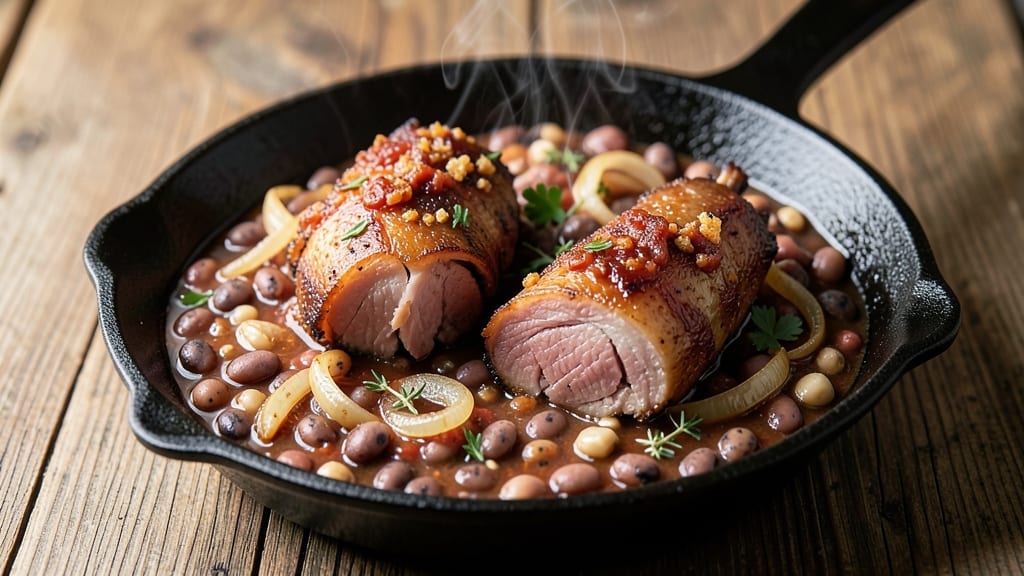
This ham hock and beans recipe inspired by Pioneer Woman delivers the kind of soul-warming comfort that transforms a simple side into the star of the meal. The slow-simmered magic happens when smoky ham hock infuses tender beans with deep, savory richness—no shortcuts, just time and patience doing the work.
I’ve perfected this version to balance hearty texture with a broth so flavorful it deserves its own bowl.
The secret lies in the ham hock: its collagen-rich meat melts into the beans, creating a broth that’s both tenderizing and deeply aromatic. A splash of tomato paste and a touch of brown sugar caramelize during the simmer, adding complexity without overpowering the natural smokiness.
This isn’t just a side—it’s a one-pot masterpiece that feeds a crowd and tastes even better the next day.
What you’ll end up with is a dish where crispy bean edges meet velvety centers, all swimming in a sauce thickened by the ham hock’s rendered fat.
The aroma alone will have everyone gathering around the table, and the first bite delivers that perfect harmony of smoky, salty, and slightly sweet notes. This is the kind of recipe that turns weeknight dinners into memorable meals.
Pair it with crusty cornbread or buttery mashed potatoes to soak up every last drop of that rich broth. The beauty of this dish is its versatility—serve it as a main with a simple green salad or let it shine as the centerpiece of a holiday spread.
Let’s get cooking—your taste buds will thank you.
Ingredients for ham hock and beans recipe pioneer woman
Six core ingredients and a ham hock make this soulful dish shine—no shortcuts, just deep flavor.
| Ingredient | Amount | Notes |
|---|---|---|
| Ham Hock 🍖 | 2 whole | Smoked, uncooked preferred |
| Navy Beans 🌱 | 2 cups | Dried, soaked overnight |
| Tomato Paste 🍅 | 2 tbsp | High-quality, no sugar added |
| Brown Sugar 🍯 | 2 tbsp | Light or dark preferred |
| Onion 🧅 | 1 whole | Yellow or red, chopped |
| Garlic Cloves 🧄 | 4 cloves | Minced for depth |
| Bay Leaves 🌿 | 2 whole | Fresh if possible |
| Black Peppercorns 🌶️ | 1 tsp | Crushed for texture |
| Salt 🧂 | 1 ½ tsp | Kosher or sea salt |
| Apple Cider Vinegar 🍏 | 1 tbsp | For brightness |
| Water 💧 | 6 cups | Enough to cover beans |
| Smoked Paprika 🌶️ | 1 tsp | For extra smokiness |
| Olive Oil 🫒 | 1 tbsp | For sautéing onions |
| Fresh Thyme 🌿 | 1 tbsp | Chopped, or 1 tsp dried |
The ham hock is non-negotiable here. Look for smoked, uncooked hocks at your local butcher or Costco—they’re often sold in bulk. If you can’t find smoked, regular ham hocks work, but you’ll miss that signature depth. The beans? Dried navy beans hold up best, but dried great northern or pinto will do. Soak them overnight in plenty of water—this cuts cooking time and makes them tender. I always double-check the package for any added preservatives or anti-caking agents, which can dull the flavor. For the tomato paste, Muir Glen or Rao’s are my go-tos—they’re smooth and packed with flavor without added sugar.
No smoked paprika? Regular paprika plus a pinch of liquid smoke gets you close. Running short on thyme? Fresh rosemary at half the amount works, but it’s stronger, so use sparingly. The apple cider vinegar adds brightness—if you don’t have it, lemon juice or red wine vinegar are fine. For the onions, yellow or red both work, but avoid sweet onions like Vidalia if you want a more savory base. The bay leaves? Fresh is ideal, but dried works in a pinch—just crush them lightly before adding. And if you’re using dried beans, don’t skip the soaking! It’s worth the extra hour to save 2+ hours of simmering.
This dish tastes even better the next day—honestly, the flavors meld into something magical. Store leftovers in the fridge for up to 5 days, covered to keep the aromas locked in. For freezing, portion into airtight containers and it’ll keep for up to 3 months. I like to freeze it in individual servings so I can pull out just what I need. The broth thickens as it cools, so a splash of water or broth thins it out when reheating. And trust me, the crispy edges on the beans? That’s a good thing—it means they’re perfectly cooked.
Why You'll Love This Recipe
- Foolproof Simplicity: I swear by this recipe because it’s the kind of meal that lets you almost multitask. Toss in the beans, add the ham hock and onion, then stir in the tomato paste and brown sugar—no fancy techniques, just simmering patience. The ham hock does all the work while you sip your coffee.
- Smoky-Sweet Magic: That ham hock? It’s the secret weapon—slow-cooked until the meat falls off the bone, infusing the beans with rich, salty depth. The brown sugar and tomato paste balance it out with a caramelized sweetness that makes every bite taste like a hug. Honestly, I’ve never met a bean dish this addictive.
- Weeknight Workhorse: This is my go-to when I need something hearty but not fussy. Double the batch on Sunday, and you’ve got lunch for the week—tastes just as good reheated as it does fresh. (Yes, even on a Tuesday night when you’re exhausted.)
- Budget-Friendly Feast: Navy beans and ham hocks are pantry staples that stretch into a full meal without breaking the bank. Between us, this recipe feeds four for under $10 and still leaves you wanting more. That’s the kind of value that makes me a believer.
Step-by-step instructions for slow-simmered ham hock and beans
Here's how to create that deep, smoky flavor with tender beans and rich ham hock.
Prepare the Ham Hock and Beans
Start by rinsing the 2 whole ham hock under cold water and patting them dry with paper towels. This helps remove any surface bacteria and prevents the water from getting cloudy during cooking. While the ham hock soaks up the flavors, take the 2 cups of dried navy beans and rinse them thoroughly in a colander under cold water. This removes any debris and helps prevent the beans from foaming during cooking.
Place the rinsed navy beans in a large bowl and cover them with plenty of cold water. Let them soak overnight in the refrigerator. This soaking step is crucial—it reduces cooking time and helps the beans soften evenly. In the morning, drain and rinse the beans again before using them in the recipe. The soaked beans should be plump and ready for the long simmer ahead.
Build the Flavor Base
Heat the 1 tablespoon of olive oil in a large Dutch oven or heavy pot over medium heat. Add the chopped 1 whole onion and cook for 5-6 minutes until it becomes soft and translucent. This step develops the onion's natural sweetness and forms the aromatic foundation for your dish. Add the 4 minced garlic cloves and cook for an additional 30 seconds until fragrant—this ensures you capture all that garlic flavor before it burns.
Stir in the 2 tablespoons of tomato paste, 2 tablespoons of brown sugar, 1 teaspoon of smoked paprika, and 1 tablespoon of fresh thyme. Cook for 1-2 minutes until the tomato paste darkens slightly and the mixture smells rich and inviting. This combination creates a deep, savory base that will infuse the beans and ham hock with complex flavors. Be careful not to let the mixture burn—keep the heat at medium and stir frequently.
Simmer the Ham Hock and Beans
Add the 2 whole ham hock to the pot, followed by the drained navy beans, 6 cups of water, 2 whole bay leaves, 1 teaspoon of crushed black peppercorns, and 1.5 teaspoons of salt. Bring the mixture to a boil over high heat, then immediately reduce the heat to low. Cover the pot and let it simmer gently for 3-4 hours. This long, slow cook time is essential—it allows the ham hock to become fork-tender and the beans to absorb all those rich flavors.
After the initial 3-4 hours, check the liquid level. If it's too low, add a little more hot water to keep the beans submerged. The ham hock should be falling apart easily when pierced with a fork, and the beans should be tender but still hold their shape. If the beans need more time, continue simmering for another 30-60 minutes, checking occasionally to ensure they don't dry out.
Finish with Brightness and Depth
Once the ham hock is tender and the beans are cooked through, stir in the 1 tablespoon of apple cider vinegar. This final touch adds a bright, tangy note that cuts through the richness of the ham and beans, balancing the flavors beautifully. Taste the mixture and adjust the seasoning if needed—you might want to add a little more salt or black pepper to suit your preference.
Let the ham hock and beans simmer uncovered for an additional 10-15 minutes to thicken the sauce slightly and deepen the flavors. Remove the bay leaves before serving, as they can be slightly bitter. Ladle the ham hock and beans into bowls, making sure each serving gets a generous portion of the flavorful liquid. The result should be a hearty, smoky dish with tender meat, rich beans, and a sauce that's perfect for dipping crusty bread.
Pro Tips For Making Ham Hock And Beans Recipe Pioneer Woman
- BLANCH BEANS FIRST: I learned this the hard way—skipping the quick soak or blanching navy beans means they’ll turn to mush instead of holding their shape. Toss them in boiling water for 2 minutes, then drain, and you’ll get that perfect bite every time.
- SWEAT ONIONS LOW AND SLOW: After burning three batches, I finally figured out that onions need patience here. Cook them on medium-low with a splash of water until they’re deep golden, not browned—this keeps the dish from tasting bitter. (Yes, even if you’re impatient like me.)
- CRACK THE HAM HOCK: Don’t just toss in a whole ham hock—crack the bone with a cleaver or heavy pan to expose the marrow. It melts into the beans, adding richness without extra fat. (Your future self will thank you.)
- STIR IN TOMATO PASTE LAST: Tomato paste burns faster than you’d think. Wait until the onions are soft and the ham’s rendered its fat before adding it—just a few minutes before the beans go in. This guarantees a smooth, caramelized flavor instead of a scorched mess.
Dietary considerations for this dish
Gluten-Free Adaptations
This recipe is naturally gluten-free, thanks to its simple ingredients like beans, ham hock, and spices. Just ensure your smoked paprika, tomato paste, and broth (if added) are certified gluten-free. I always check labels on Muir Glen tomato paste and Annie's Cheddar broth to confirm they’re safe.
The key is avoiding cross-contamination—use clean utensils and a dedicated pot if you’re cooking gluten-free alongside other dishes. 🌱
Vegetarian Swap
For a meat-free version, replace the ham hock with 2 cups of smoked tofu or 2 cups of mushrooms (like cremini or shiitake). Sauté the mushrooms with the onions until deeply browned to mimic the ham’s smoky depth.
Add 1 teaspoon liquid smoke to the tomato paste mixture for that signature flavor. The beans will still absorb the rich, savory broth—just without the meaty texture. Honestly, it’s a game-changer for plant-based meals!
Low-Sodium Options
If you’re watching your sodium intake, skip the added salt and use low-sodium broth instead of water. I recommend Imagine or Pacific Foods low-sodium broths for a flavorful base. Boost umami with an extra ½ teaspoon smoked paprika and 1 teaspoon soy sauce (or tamari for gluten-free).
The ham hock already provides plenty of natural saltiness, so you won’t miss the extra salt in the final dish.
Protein Boost
For extra protein, stir in 1 cup cooked quinoa or ½ cup cooked lentils during the last 30 minutes of simmering. Both add heartiness without altering the dish’s texture.
I also like adding ½ cup diced smoked sausage (like kielbasa) for a meatier twist—just brown it first in the pot with the onions. The lentils or quinoa will soak up the broth beautifully, making every bite more satisfying. 💪
Kid-Friendly Tweaks
To make this dish more appealing to picky eaters, reduce the smoked paprika to ½ teaspoon and add 1 teaspoon honey to the tomato paste mixture for a touch of sweetness. Serve the beans and ham hock separately from the broth so kids can customize their portions.
I’ve found that letting them dip crusty bread into the sauce often wins them over—it’s all about presentation and control!
Nutrition facts
Frequently asked questions
Why does the Pioneer Woman ham hock and bean recipe require overnight soaking?
Soaking the beans overnight cuts cooking time by 2+ hours and prevents them from becoming mushy. The beans absorb water and soften, ensuring they cook evenly with tender centers. Skipping this step risks uneven texture or undercooked beans—worth the patience!
Can I substitute smoked paprika if I don’t have it?
Yes! Use ½ teaspoon regular paprika plus ¼ teaspoon liquid smoke for that signature smoky depth. For extra richness, add a pinch of cinnamon (common in Southern cooking) to mimic the complexity. The flavor won’t be identical, but it’ll still taste delicious.
How do I know when the ham hock is fully cooked?
The ham hock is done when it falls apart easily with a fork and the meat pulls away from the bone. Test it after 3 hours of simmering—if it’s still tough, add 30 more minutes. Overcooking won’t ruin the dish, but it may make the meat stringy.
What’s the best way to reheat leftovers?
Reheat gently on the stove over low heat with a splash of water or broth to restore moisture. Microwaving can make the beans mushy—stir occasionally and cover with a damp paper towel. Leftovers taste even better the next day as flavors meld!
Can I make this in an Instant Pot?
Sauté onions/garlic, then add all ingredients and cook on High Pressure for 30 minutes. Quick-release the pressure, then simmer uncovered for 10 minutes to thicken the sauce. The Instant Pot cuts cooking time by nearly half but delivers the same rich results.