
Side Dishes
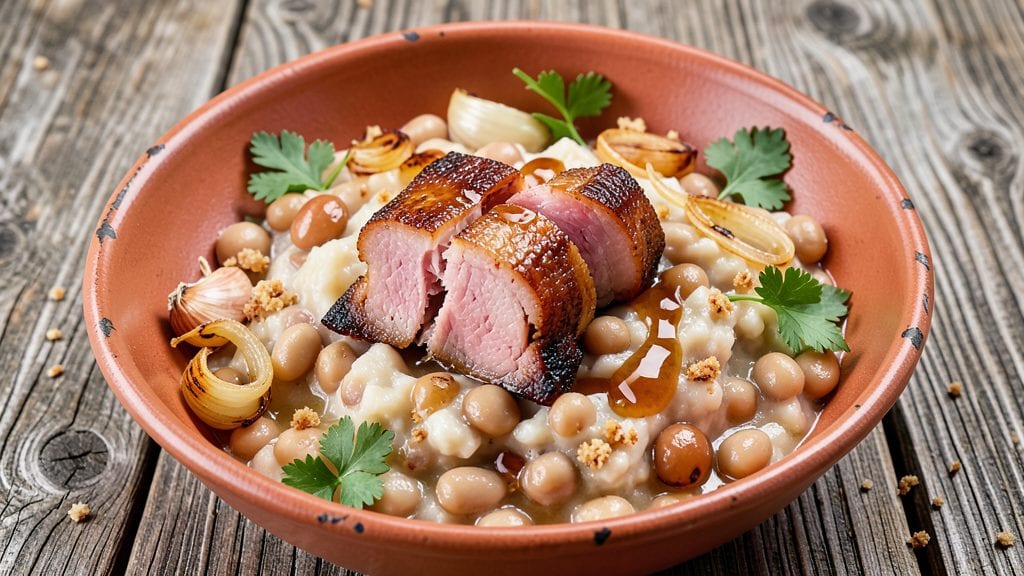
This Southern white beans and ham hock recipe delivers the kind of deep, smoky flavor that defines classic Southern cooking—where tender beans melt in your mouth and every spoonful carries the rich, gelatinous goodness of slow-cooked ham hock.
The secret lies in patience: letting the beans soak overnight and simmering them for hours until the ham hock releases its collagen, transforming tough pork into velvety richness.
This isn’t just a side dish; it’s the heart of a meal, the kind of dish that makes your kitchen smell like Sunday dinner and leaves everyone asking for seconds.
What sets this recipe apart is the balance of techniques: a proper soak softens the beans while preserving their texture, and the ham hock—never skipped—infuses the broth with layers of savory depth. Aromatics like onions, garlic, and bay leaves build complexity, while a splash of vinegar brightens the richness.
The result is a dish that’s both comforting and sophisticated, perfect for pairing with cornbread or steamed greens. It’s the kind of recipe that gets better with time, as flavors meld and the beans absorb every bit of that smoky, salty goodness.
By the time you’re done, you’ll have a pot of beans so tender they practically dissolve on your tongue, swimming in a broth thickened by the ham hock’s collagen. The aroma alone—smoky, savory, with just a hint of sweetness—will have your whole house gathering around the table.
This isn’t just a side; it’s a centerpiece, a dish that turns simple ingredients into something extraordinary with time and care. Ready to make it?
The beauty of this recipe is its versatility: serve it as a standalone dish for a hearty meal, or pair it with cornbread and collard greens for a full Southern spread.
The leftovers, if there are any, reheat beautifully, making this the ultimate make-ahead dish for busy weeks. Here’s how to bring that classic Southern flavor to your kitchen.
Ingredients for southern white beans and ham hock
Pantry staples meet Southern soul—just 13 ingredients for a dish that tastes like home.
| Ingredient | Amount | Notes |
|---|---|---|
| Great Northern Beans (Dried) 🌾 | 2 cups | Uncooked, rinsed well |
| Ham Hock (Smoked) 🍖 | 2 whole | Untrimmed for collagen |
| Yellow Onion 🧅 | 1 whole | Large, sliced into wedges |
| Garlic Cloves 🧄 | 4 cloves | Fresh, smashed slightly |
| Bay Leaves 🌿 | 2 whole | Dried, standard size |
| Apple Cider Vinegar 🍎 | ¼ cup | For brightness |
| Smoked Paprika 🌶️ | 1 tsp | For depth of flavor |
| Ground Black Pepper 🌶️ | 1 tsp | Freshly cracked |
| Kosher Salt 🧂 | 1 ½ tsp | Adjust to taste |
| Fresh Thyme 🌿 | ¼ cup | Leaves only, chopped |
| Water 💧 | 8 cups | For soaking beans |
| Butter (Unsalted) 🧈 | 2 tbsp | For finishing richness |
| Green Onion 🧅 | 2 whole | Chopped, for garnish |
The ham hock is non-negotiable here—it’s what turns this into a classic. Look for smoked hocks at your local butcher shop or the meat department, where they’ll often have them on hand. If you can’t find smoked, unsmoked works too, but you’ll want to add a smoked paprika or a splash of liquid smoke to mimic that depth. The beans? Great Northerns or cannellini both work, but Great Northerns hold their shape beautifully. Soak them overnight in cold water—this is key to getting that perfect texture. I always double-check the water level; it should cover the beans by about an inch. If you’re short on time, a quick 2-hour soak in hot water works too, but overnight is best.
No smoked paprika? Regular paprika plus a pinch of liquid smoke gets you close. Fresh thyme missing? Dried thyme at one-third the amount works, but fresh is worth tracking down—it adds that bright, herbal note that dried can’t quite match. Green onions are optional but add a nice fresh finish. The butter at the end is where the magic happens—it coats each bean in richness. Don’t skip it. If you’re serving this with cornbread, you’ll want to make extra; this dish pairs perfectly with it. And if you’re meal prepping, the leftovers actually get better as the flavors meld over time.
This dish is all about patience—simmering for hours lets the ham hock break down and infuse the beans with that deep, smoky flavor. Store leftovers in an airtight container in the fridge for up to 5 days. The broth thickens as it cools, so a splash of water or broth helps loosen it up when reheating. Freeze portions for up to 3 months if you’re planning ahead. I always make a double batch because it disappears fast—people can’t resist that tender, smoky goodness.
Why You'll Love This Recipe
- One-Pot Magic: I swear by this recipe—just toss everything in a pot, walk away, and let the ham hock melt into the beans. No chopping, no stirring, no stress. That smoky ham flavor seeps right into the beans while you’re doing anything else.
- Deep, Smoky Richness: The ham hock doesn’t just flavor the beans—it transforms them. The slow-cooked meat turns tender, and the broth becomes thick, almost velvety, with just the right amount of salt and depth. Here’s what sold me: that first bite where the bean’s creamy center meets the crispy, savory ham edge.
- Weeknight Workhorse: Between us, this is my go-to when I need something hearty but don’t want to slave over it. Serve it with crusty bread for a quick lunch, or double it for a potluck where everyone asks for seconds. My daughter picks out the best ham pieces, but still asks for seconds.
- Budget-Friendly Leftovers: Honestly, this dish tastes even better the next day—if there’s any left, which there usually isn’t. A single ham hock stretches across multiple meals, and dried beans are cheaper than canned. I’ll be real: I make a big batch on Sunday, and it’s my secret weapon for easy dinners all week.
Step-by-step instructions for Southern white beans and ham hock
Here's how to create a deeply flavorful, slow-cooked dish that captures all that smoky, savory goodness.
Prepare the Ham Hock and Soak the Beans
Start by rinsing the 2 cups of great northern beans under cold water to remove any debris. Place them in a large pot with the 8 cups of water and bring to a gentle boil. Once boiling, reduce heat to low and let them soak for 30 minutes—this helps soften them before the long cook. Meanwhile, rinse the 2 whole ham hocks under cold water and pat them dry with paper towels.
I like to trim any excess fat from the ham hocks, leaving about ¼ inch of fat cap to render into the beans. This fat adds incredible richness to the final dish. Add the ham hocks to the pot with the beans and water, then add the 1 whole yellow onion (sliced into wedges), 4 smashed garlic cloves, 2 whole bay leaves, 0.25 cup apple cider vinegar, 1 tsp smoked paprika, 1 tsp ground black pepper, and 1.5 tsp kosher salt. The vinegar adds brightness, while the spices build deep, smoky layers of flavor.
Simmer Until Tender and Flavorful
Bring everything to a gentle simmer and let it cook uncovered for 2 hours. This slow cook time allows the beans to soften and the ham hock to break down, releasing collagen that thickens the broth into a rich, velvety sauce. Stir occasionally to prevent sticking, but don't worry if it looks like too much liquid—it will reduce as the beans absorb the flavor.
After 2 hours, check the beans for tenderness. They should be soft but still hold their shape. If they're not quite there, add another 30 minutes of simmering time. The ham hock should be falling apart easily when pulled with a fork. If the liquid seems too thin, let it reduce further—this is where the magic happens. The longer it simmers, the deeper the flavor becomes.
Add Aromatics and Finish with Thyme
Once the beans are tender and the ham hock is falling apart, stir in the 0.25 cup chopped fresh thyme. This step adds a bright, herbal note that balances the richness of the ham and beans. Let the mixture simmer for another 15 minutes to allow the thyme to infuse its flavor. Taste and adjust the seasoning with more salt or pepper if needed—this is where you can really tailor the dish to your preference.
The thyme should be fragrant and aromatic, filling the kitchen with a warm, earthy scent. The beans should be coated in a glossy, slightly thickened broth that clings to them beautifully. If the broth is too thin, you can simmer it uncovered for another 10 minutes to reduce it further. The goal is a sauce that's rich but not watery, with a perfect balance of smoky, savory, and slightly tangy flavors.
Finish with Butter and Garnish
Remove the pot from heat and let it sit for 5 minutes to allow the flavors to meld. Stir in the 2 tbsp unsalted butter, which adds a luxurious finish and helps balance the richness of the ham. The butter should melt smoothly into the broth, creating a silky texture. If the butter doesn't melt completely, you can gently warm the pot over low heat for 1-2 minutes until it's fully incorporated.
Finally, transfer the beans and ham hock to a serving bowl or platter. Garnish with the chopped 2 whole green onions for a fresh, bright pop of color and flavor. Serve immediately with crusty bread or over buttered cornbread to soak up every last bit of that delicious broth. This dish tastes even better the next day, so don't hesitate to make extra—it's perfect for leftovers!
Pro Tips For Making Southern White Beans And Ham Hock
- Parboil the Beans First: Skip the slow soak—just cover dried Great Northerns with water, bring to a boil for 2 minutes, then let them sit off heat for an hour. This softens them faster than overnight soaking, and you won’t lose any beans down the drain. (Yes, even if you’re impatient like me.)
- Brown the Ham Hock: Don’t just toss that ham hock in cold water—sear it in a dry pot over medium heat for 5 minutes until the edges darken. The crust adds depth that simmering alone can’t match. I learned this the hard way after making a batch that tasted flat.
- Slice the Onion Thick: Cut yellow onions into ½-inch chunks instead of mincing them. They’ll soften evenly without turning to mush, and the texture stays just right. Thin slices disappear into a mushy sludge—no one wants that in their beans.
- Skim the Foam Early: After the first 10 minutes of simmering, skim off the gray foam rising to the surface with a ladle. It’s not just fat—it’s the stuff that makes your beans taste bitter if left unchecked. Do this once, and your broth stays clean.
Wine and beer pairings for these flavors
Southern Red Wine
A bold, medium-bodied Southern red like Albemarle Vineyards' Cabernet Franc from North Carolina is my go-to pairing. This wine’s bright acidity and notes of blackberry and tobacco cut through the dish’s richness while complementing the smoky ham hock.
Serve it slightly chilled (55-60°F) to enhance its freshness against the beans’ deep, savory flavors. 🍷
Malbec for Richness
For a more robust option, Catena Zapata Malbec from Argentina brings dark fruit and velvety tannins that mirror the dish’s collagen-rich broth. The wine’s smoky undertones harmonize beautifully with the ham hock, while its structure stands up to the beans’ heartiness.
Decant for 30-45 minutes to soften the tannins and unlock deeper aromas.
Crisp White Contrast
If you prefer white wine, Ruffino Pinot Grigio from Italy offers a refreshing contrast with its citrus and mineral notes. The wine’s brightness balances the dish’s richness, while its light body won’t overpower the smoky, savory profile. Serve well-chilled (45-50°F) to highlight its crispness.
Beer Pairings
A Southern-style amber ale like Southern Tier’s American Pale Ale (with notes of caramel and biscuit) pairs wonderfully, bridging the gap between the dish’s smokiness and the beer’s malt sweetness. For a lighter option, Blue Moon Belgian White adds a citrusy, spiced contrast that cleanses the palate between bites. 🍺
Non-Alcoholic Options
For a non-alcoholic choice, try San Pellegrino Aranciata Sangrita—its bitter orange and grapefruit notes echo the apple cider vinegar in the beans while refreshing the palate. Alternatively, a sparkling hibiscus tea (like Tazo Hibiscus Herbal Tea) adds a floral, tart contrast that complements the dish’s depth.
Serving Temperature Tips
Wine and beer should be served at the right temperature to enhance their pairing with the dish. Red wines like Cabernet Franc or Malbec should be slightly cooler than room temperature (55-60°F) to preserve their acidity.
Whites like Pinot Grigio should be ice-cold (45-50°F) to highlight their crispness. For beer, amber ales are best at 45°F, while Belgian whites shine at 48-50°F. 🌡️
Nutrition facts
Frequently asked questions
Can I substitute canned beans for dried in this recipe?
While you can use canned white beans, the texture and flavor won't be the same. Dried beans absorb the smoky ham hock flavors more deeply, creating that classic Southern richness. If you must use canned, drain and rinse them well, then simmer in the broth for 30-45 minutes to let them soak up the flavors. You'll miss the collagen-rich depth from the ham hock breaking down, though.
How do I know when the ham hock is fully cooked?
The ham hock is done when it falls apart easily with a fork and the broth has thickened into a velvety consistency. This usually takes 2-3 hours of simmering. The beans should be tender but still hold their shape—no mushiness. If the ham hock isn't falling apart after 2 hours, add another 30 minutes and check again. Patience is key here!
Can I make this recipe in a slow cooker?
Combine all ingredients in your slow cooker and cook on low for 6-8 hours or high for 4-5 hours. The slow cooker's gentle heat will perfectly mimic the stovetop simmer, letting the ham hock break down and infuse the beans with flavor. Just add the thyme and butter at the end, stirring them in during the last 15 minutes of cooking.
What if my beans turn out too mushy?
Mushy beans usually happen from overcooking or not soaking properly. For future batches, soak the beans overnight in cold water, then simmer them uncovered for 2 hours before checking tenderness. If they're still firm, add another 30 minutes of cooking time. The key is to keep the heat low and let the beans soften gradually—not boil vigorously.