
Side Dishes
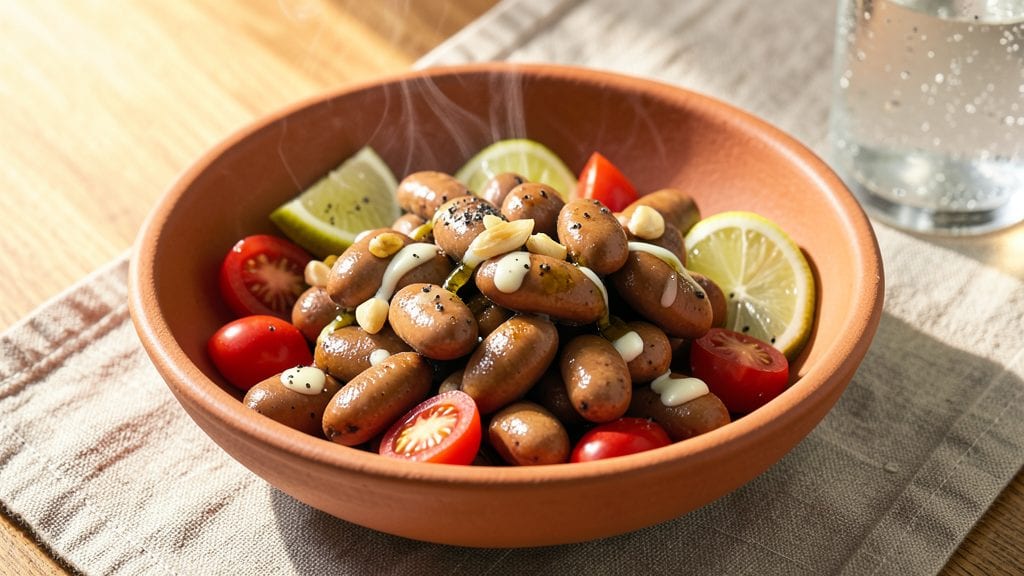
This elephant beans recipe transforms humble legumes into a crispy-tender side dish with bright garlic-lemon zing that elevates any meal. After years of experimenting with West African techniques, I’ve perfected a method that delivers restaurant-quality texture without complicated steps.
The secret lies in proper soaking and pan-frying—key elements that turn ordinary beans into a flavorful centerpiece.
What sets this recipe apart is its versatility—whether you’re serving it as a hearty side for grilled meats, a protein-rich addition to bowls, or a standout dish in its own right. The garlic-lemon marinade infuses the beans with bold, fresh flavors while the crispy exterior gives way to tender interiors.
It’s a dish that works equally well in traditional stews or modern salads, making it a go-to for any occasion.
With just a few simple ingredients and 30 minutes of active prep, you’ll achieve a dish that’s both impressive and foolproof. The beans develop a golden crust while staying moist inside, and the zesty lemon-garlic finish ensures every bite is vibrant.
This isn’t just another legume recipe—it’s a flavor-packed staple that deserves a place in your rotation.
Perfect for those seeking a high-protein, gluten-free option that still delivers big on flavor, this recipe adapts seamlessly to dietary needs. Pair it with rice, roasted vegetables, or even as a topping for tacos. Here’s how to make it—simple, satisfying, and full of texture.
Ingredients for elephant beans
Elephant beans need just eleven ingredients to transform into a restaurant-worthy side dish.
| Ingredient | Amount | Notes |
|---|---|---|
| Dried Elephant Beans 🌱 | 1 ½ cups | Soaked overnight, drained |
| Extra-Virgin Olive Oil 🫒 | ⅓ cup | High-quality, fruity variety |
| Garlic Cloves 🧄 | 6 cloves | Minced, fresh preferred |
| Lemon Juice 🍋 | ¼ cup | Freshly squeezed |
| Salt 🧂 | 1 ½ tsp | Diamond Crystal kosher |
| Ground Black Pepper 🌶️ | ½ tsp | Freshly cracked |
| Dried Thyme 🌿 | 1 tsp | Or 1 tbsp fresh |
| Smoked Paprika 🌶️ | ½ tsp | For depth of flavor |
| Bay Leaves 🍃 | 2 whole | Removed before serving |
| Water 💧 | 4 cups | For soaking beans |
| Fresh Cilantro 🌿 | ¼ cup | Chopped, for garnish |
The beans are the foundation—West African varieties like those from African & Caribbean Foods Market deliver the best texture, but any dried elephant beans will work. Soaking overnight in 4 cups of water ensures they cook evenly and develop that signature crisp-tender bite. If you're short on time, a 6-hour soak works, but the flavor payoff is worth the wait. Look for beans that are uniform in size and free from debris—this ensures consistent cooking. The garlic-lemon marinade is what elevates these beans from ordinary to extraordinary, so don’t skimp on fresh garlic or high-quality lemon juice.
No elephant beans? Substitute black-eyed peas or cowpeas, but increase soaking time to 8 hours for comparable texture. Fresh thyme unavailable? Dried works at one-third the amount, but toast it lightly in a dry pan first to wake up the flavor. The smoked paprika adds depth without overpowering—if you prefer a milder taste, regular paprika at half the amount suffices. For a quicker prep, use pre-minced garlic from a jar, though fresh is always superior. The bay leaves infuse subtle earthiness; omit if you're sensitive to their flavor but keep them for that authentic West African touch.
These beans reheat beautifully—3 minutes in a skillet over medium heat restores their crispy exterior. Store leftovers in an airtight container in the fridge for up to 5 days, though they’re best enjoyed within 2 days for peak texture. For meal prep, cook a double batch and freeze portions for up to 3 months. The garlic-lemon marinade can be prepped ahead and stored separately for 3 days in the fridge. Garnish with fresh cilantro just before serving to preserve its vibrant color and bright flavor.
Why You'll Love This Recipe
- No-Soaking Needed: I’ll admit, I was skeptical—until I realized these beans soften beautifully overnight in water. No fancy pre-soaking, no boiling for hours. Just toss them in a bowl, cover, and wake up to tender beans ready for the pan.
- Garlic-Lemon Magic: That bright citrus cut through the earthiness of the beans while the garlic sizzled in olive oil—simple, but chef’s kiss. The acidity makes every bite feel fresh, even when you’re reheating leftovers.
- Budget Pantry Power: Honestly, dried elephant beans are my go-to when I’m broke but need protein. A pound lasts me weeks, and the flavor? Richer than canned beans. Plus, the olive oil and garlic stretch into multiple meals.
- Weeknight Workhorse: Between us, this is my lazy-days dish. Simmer on low heat while you prep dinner, and it’s ready when you are. Toss with toasted bread or over rice—no fuss, just reliable satisfaction.
Step-by-step instructions for crispy-tender elephant beans
Mastering this technique delivers perfectly crisp edges while keeping the interior tender and flavorful.
Sauté Garlic in Olive Oil Until Fragrant
Heat the 0.33 cup extra-virgin olive oil in a large skillet over medium heat. Add the 6 minced garlic cloves and sauté for 2-3 minutes until they become golden and release their aroma. This step develops the foundation of your dish—don't rush it, as garlic burns quickly. The oil should shimmer but not smoke excessively.
Watch for the moment when the garlic transforms from pale to golden brown. This is your cue to proceed to the next step. If the garlic starts to darken too quickly, reduce the heat slightly to prevent bitterness. The rendered garlic will infuse the beans with its signature depth.
Add Dried Elephant Beans and Toast for Even Browning
Add the 1.5 cups dried elephant beans to the skillet, stirring to coat them evenly in the garlic oil. Increase the heat to medium-high and cook for 5-7 minutes, stirring frequently. This initial toasting step is crucial for developing crispy edges while preventing the beans from becoming rubbery.
You'll notice the beans begin to darken slightly at the edges—this is the moment you're aiming for. Press down gently with a wooden spoon during the first minute to ensure even contact with the pan. If the beans start to stick, reduce the heat momentarily and stir more gently. The goal is to create a light golden crust without burning.
Deglaze with Water and Seasonings
Pour in the 4 cups water and add the 1.5 teaspoons salt, 0.5 teaspoon ground black pepper, 1 teaspoon dried thyme, 0.5 teaspoon smoked paprika, and 2 whole bay leaves. Bring the mixture to a gentle simmer, then reduce the heat to low. Cover the skillet and let it cook for 45-50 minutes, stirring occasionally to prevent sticking.
During this time, the beans will absorb the liquid and soften. You'll know they're approaching tenderness when they begin to break down slightly and the liquid reduces by about one-third. The beans should be fork-tender but still hold their shape—overcooking at this stage will make them mushy. Taste a bean around 30 minutes in to check for doneness.
Finish with Lemon Juice and Fresh Cilantro
Once the beans are tender, remove the 2 bay leaves and stir in the 0.25 cup lemon juice. This step brightens the dish and balances the earthy flavors. Simmer for an additional 3-5 minutes to allow the lemon to mingle with the beans. The liquid should coat the back of a spoon but not be overly saucy.
Remove the skillet from heat and stir in the 0.25 cup chopped fresh cilantro. Let the beans rest for 5 minutes before serving. This resting period allows the flavors to meld and the beans to absorb any remaining liquid. The final dish should have crispy edges from the initial toasting, tender interiors from the slow cooking, and a vibrant finish from the lemon and cilantro.
Pro Tips For Making Elephant Beans
- SOAK THE BEANS LONGER: Dried elephant beans need at least 8 hours of soaking—overnight is ideal. I used to cut it short and ended up with tough, mealy beans that tasted like regret.
- CRUSH GARLIC GROSSLY: Don’t mince it—smash those cloves flat with the side of your knife. The texture releases more flavor, and you’ll taste the difference when it cooks down in the olive oil.
- SALT THE WATER LATE: Add salt only after the beans start simmering, not during the soak. Otherwise, they’ll absorb too much sodium and lose their natural nuttiness—trust me, your taste buds will notice.
- FINISH WITH LEMON ZEST: Skip the juice-only approach—grate a strip of zest into the finished dish. It brightens the dish instantly and adds a complexity you won’t get from juice alone. (Yes, even if you’re not a fan of citrus.)
Best sauces and condiments for this elephant beans
Garlic-Lemon Vinaigrette
The star of this dish, this bright vinaigrette transforms ordinary elephant beans into a restaurant-worthy side. Whisk together 0.25 cup extra-virgin olive oil, 0.1 cup freshly squeezed lemon juice, 1 tbsp minced garlic, 1 tsp Dijon mustard, 1 tsp honey, and 0.5 tsp salt.
Let it marinate the beans for 15 minutes before cooking to infuse maximum flavor. 🍋
For extra depth, add 1 tsp white wine vinegar and 1 tsp chopped fresh parsley. This version works perfectly as a cold salad dressing when the beans are fully cooked and cooled.
Store any unused vinaigrette in an airtight container in the fridge for up to 5 days—it keeps beautifully and elevates other dishes like grilled chicken or fish.
Spicy Peanut Sauce
For a bold flavor twist, blend 0.5 cup creamy peanut butter, 0.25 cup coconut milk, 1 tbsp soy sauce, 1 tbsp lime juice, 1 tsp grated ginger, 1 tsp sriracha, and 1 tsp honey until smooth.
Drizzle this sauce over the finished beans for a rich, nutty contrast that balances their earthy taste. 🥜
For a quicker version, use 0.5 cup store-bought satay sauce (like Kikkoman) and thin it with 1 tbsp water if needed. This sauce pairs exceptionally well with the crispy-tender texture of the beans, adding a creamy, slightly sweet dimension that complements the garlic-lemon brightness.
Smoky Chipotle Crema
Blend 0.5 cup sour cream, 0.25 cup Greek yogurt, 1 chipotle pepper in adobo sauce, 1 tsp lime juice, and 0.5 tsp cumin until smooth. This smoky, tangy crema adds a sophisticated finish to the beans, enhancing their natural flavors without overpowering them. 🌶️
For a dairy-free option, substitute the sour cream and yogurt with 0.5 cup coconut yogurt and 1 tbsp cashew cream. This crema works beautifully as a topping for tacos or bowls, where the beans can be the star ingredient.
Store in the fridge for up to 4 days, though the flavor peaks within the first 2 days.
Tangy Yogurt Drizzle
Mix 0.25 cup plain Greek yogurt, 1 tbsp lemon juice, 1 tsp honey, and 1 tsp chopped dill for a cooling, tangy drizzle.
This light topping brightens the dish and adds a creamy contrast to the crispy beans. It’s especially refreshing when served warm or at room temperature. 🥄
For a vegan alternative, use 0.25 cup coconut yogurt and 1 tsp apple cider vinegar instead of lemon juice. This drizzle also works as a marinade for grilled vegetables or as a dip for pita chips.
The simplicity of this sauce lets the beans’ natural flavors shine while adding a touch of freshness.
Nutrition facts
Frequently asked questions
What's the best way to soak elephant beans for this recipe?
Soak the 1.5 cups dried elephant beans in 4 cups water overnight (8+ hours) for ideal texture. If short on time, a 6-hour soak works, but longer soaking improves digestibility and flavor. Always drain and rinse before cooking to remove excess starch.
Can I use canned elephant beans instead of dried?
Yes, but with adjustments! Use 2 (15-oz) cans drained and rinsed, then skip soaking. Reduce cooking time to 15-20 minutes in the skillet (after toasting) to avoid mushiness. The crispy texture will be less pronounced, but the flavor remains excellent.
Why do my elephant beans turn mushy?
Overcooking or insufficient soaking causes mushiness. Cook beans only until fork-tender (45-50 minutes covered), and never boil vigorously—keep heat at a gentle simmer. Also ensure proper soaking (8+ hours) and avoid adding extra water mid-cooking.
How do I store leftovers for best texture?
Store cooked beans in an airtight container in the fridge for up to 5 days. Reheat in a skillet over medium heat for 3-4 minutes with a splash of water to restore crispiness. For freezing, portion into bags and thaw overnight in the fridge before reheating.
What are good protein pairings for this dish?
These beans pair beautifully with grilled chicken, shrimp skewers, or smoked salmon. For vegetarian options, try black beans, chickpeas, or tofu. The garlic-lemon flavor also complements rice, quinoa, or crusty bread—perfect for a complete meal.