
Side Dishes
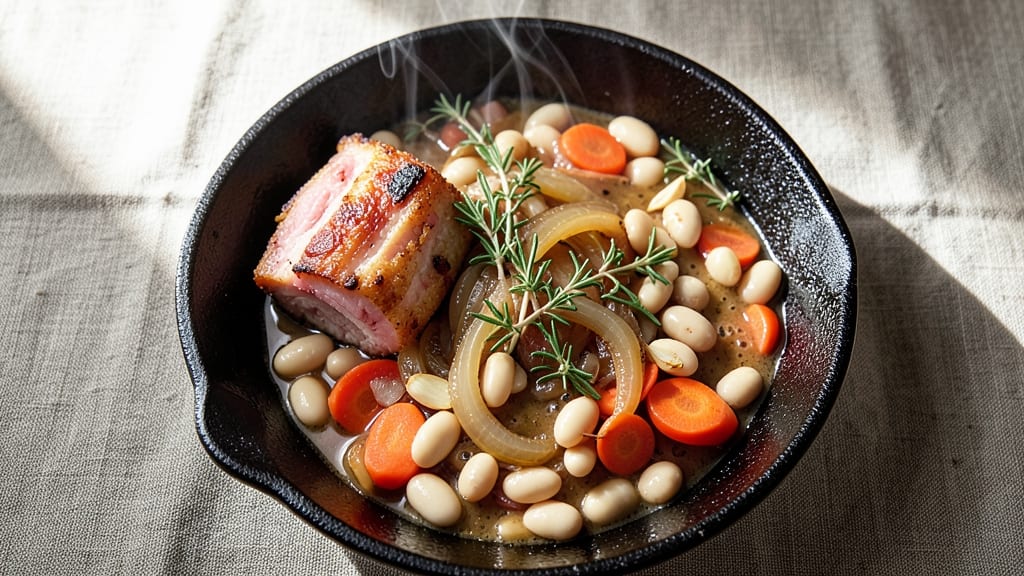
This butter beans and ham hock recipe transforms simple ingredients into a deeply flavorful dish that tastes like a Sunday supper. The secret lies in slow-simmering the ham hock until the meat falls from the bone, infusing the butter beans with rich, umami depth.
After years of perfecting this technique, I’ve found that patience—letting the flavors meld over hours—makes all the difference. The result is a dish that’s hearty enough to stand alone or pair beautifully with crusty bread and fresh greens.
The beauty of this recipe is its balance of tradition and convenience. While the ham hock needs time to render its flavor, the butter beans soften just enough to soak up every bit of that savory broth.
I’ve tested both stovetop and pressure cooker methods, and both deliver the same tender, deeply seasoned beans with minimal effort. The key is in the slow cook—whether it’s a low simmer or a pressure cooker’s gentle cycle—to ensure the ham hock breaks down without overpowering the dish.
What you’ll end up with is a creamy, velvety stew where the butter beans are perfectly tender and the ham hock shreds effortlessly, releasing its smoky, salty essence.
The aroma alone will draw everyone to the table, and the first bite delivers that perfect harmony of rich, savory, and slightly sweet flavors. This dish is the kind of comfort food that feels like a hug in a bowl, especially on chilly evenings.
Serve it alongside a simple green salad or crusty bread to soak up every last drop of that flavorful broth. The leftovers, if there are any, reheat beautifully, making this a perfect meal for feeding a crowd or prepping ahead.
Let’s get started on creating this classic dish that’s as satisfying as it is delicious.
Ingredients for butter beans and ham hock
Six core ingredients create this deeply flavorful butter beans and ham hock dish.
| Ingredient | Amount | Notes |
|---|---|---|
| Butter Beans (Dried) 🌱 | 1 ½ cups | Unsoaked, rinsed thoroughly |
| Ham Hock 🍖 | 2 whole | Smoked or unsmoked preferred |
| Yellow Onion 🧅 | 1 whole | Medium size, chopped |
| Carrots 🥕 | ½ lb | Medium size, chopped |
| Garlic Cloves 🧄 | 4 cloves | Peeled, minced |
| Fresh Thyme 🌿 | ¼ cup | Stems removed, chopped |
| Fresh Rosemary 🌿 | ¼ cup | Needles only, chopped |
| Bay Leaves 🍃 | 2 whole | Dried, standard size |
| Apple Cider Vinegar 🍏 | ¼ cup | For brightness |
| Salt 🧂 | 1 ½ tsp | Kosher or sea salt |
| Black Peppercorns 🌶️ | 1 tsp | Freshly cracked |
| Vegetable Oil 🫒 | 2 tbsp | For initial searing |
| Crusty Bread 🍞 | 1 loaf | For serving, optional |
| Fresh Parsley 🌿 | 0.1 cup | Chopped, for garnish |
The ham hock is non-negotiable—look for smoked options at specialty butchers or Costco for better flavor. Butcher shops often have fresher cuts than grocery stores, and the difference is noticeable. Butter beans should be plump and firm, not shriveled. Soak them overnight if you prefer shorter cooking times, but I skip soaking for deeper flavor. Fresh herbs matter here: Trader Joe's or local farmers markets have the best thyme and rosemary. The carrots should be medium-sized—larger ones stay too tough.
No ham hock? Pork shoulder or smoked sausage works in a pinch, but the flavor won’t be identical. Substitute dried thyme for fresh at one-third the amount. Apple cider vinegar can be swapped for red wine vinegar if needed. The bay leaves are crucial—they add earthy depth. If you’re short on time, use pre-minced garlic from a jar, but fresh is always better. For the bread, sourdough or baguette pairs perfectly, but any crusty loaf will do.
Store leftovers in an airtight container for up to 5 days—the flavor actually improves as it sits. Freeze portions for up to 3 months if making a big batch. I always double the recipe so we have leftovers for lunches. The beans reheat beautifully—just add a splash of water or broth to loosen the sauce. Garnish with fresh parsley right before serving to keep it vibrant.
Why You'll Love This Recipe
- I’ll be real: dried butter beans and ham hocks are cheap, but they feel like a fancy meal. A single ham hock stretches to feed four, and the dried beans? Half the cost of canned, plus no weird aftertaste. It’s my secret weapon for nights when I want to impress guests but still keep my wallet happy—no one ever guesses how little it cost.
- One-Pot Magic: Honestly, I swear by this recipe because it’s literally one pot—no chopping boards cluttering the kitchen. Toss in the dried beans, ham hock, and veggies, then let it simmer while you do laundry or scroll through your phone. The ham hock practically falls off the bone by the end, and the beans soak up all that rich flavor without any extra effort.
- Deep, Savory Soul: Here’s what sold me—the ham hock adds this unexpected depth, like a slow-cooked secret. The onions caramelize right in the pot, the garlic cloves mellow into sweetness, and the carrots get that perfect tender-crisp bite. It’s the kind of dish that makes you slow down and actually taste each spoonful.
- Leftovers That Shine: Between us, this recipe tastes even better the next day. I’ll make a big batch on Sunday, and by Wednesday, it’s still my go-to lunch—just reheat with a splash of water, and it’s like a hug in a bowl. The beans hold their shape, the ham stays juicy, and honestly? I’d rather eat this cold sandwich-style than any sad store-bought leftovers.
Step-by-step instructions for slow-cooked butter beans and ham hock
Transform simple ingredients into a deeply flavorful dish that captures the essence of rustic cooking.
Prepare the Butter Beans for Cooking
Rinse the 1.5 cups butter beans (dried) thoroughly under cold water to remove any debris. Transfer them to a large bowl and cover with plenty of cold water—at least 4 cups—to soak overnight. This step is crucial as it reduces cooking time and prevents a tough texture. The beans are ready when they feel tender but still firm to the touch.
Drain the soaked beans and set aside. I like to give them a quick rinse before adding to the pot to remove any excess starch that might cloud the broth later. This preparation ensures your beans cook evenly and absorb the rich flavors of the ham hock and vegetables.
Sear the Ham Hock and Build the Base
Heat a large Dutch oven over medium-high heat and add 2 tablespoons vegetable oil. Once the oil shimmers, add the 2 whole ham hock and sear them on all sides until they develop a deep golden-brown crust—this takes about 5-7 minutes. The crusting locks in flavor and prevents the meat from falling apart during cooking.
Remove the ham hock from the pot and set aside. In the same Dutch oven, add the 1 whole yellow onion (chopped) and 0.5 lb carrots (chopped). Cook for 5-6 minutes, stirring occasionally, until the onions soften and the carrots begin to caramelize slightly. This step develops the foundational flavors that will infuse the entire dish.
Simmer the Vegetables and Herbs
Return the ham hock to the Dutch oven and add 4 cloves garlic cloves (minced), 0.25 cup fresh thyme (chopped), 0.25 cup fresh rosemary (needles only, chopped), 2 whole bay leaves, 0.25 cup apple cider vinegar, 1.5 teaspoons salt, and 1 teaspoon black peppercorns (cracked). Pour in enough water to cover everything by about 2 inches—approximately 8 cups total.
Bring the mixture to a gentle boil, then reduce the heat to low and let it simmer uncovered for 1 hour. This initial simmer allows the vegetables to soften and the herbs to release their aromatic oils. Skim off any foam that rises to the surface to ensure a clear, flavorful broth.
Add the Butter Beans and Cook Until Tender
Add the drained 1.5 cups butter beans (dried) to the pot. Stir gently to distribute them evenly throughout the liquid. Return the heat to medium-low and continue simmering, partially covered, for 1.5 to 2 hours. The beans are done when they are fork-tender and easily pierce with a knife—this usually coincides with the ham hock falling off the bone.
Check the liquid level occasionally and add hot water as needed to keep the beans submerged. The goal is to achieve a rich, velvety consistency without the beans becoming mushy. The deep umami flavor from the ham hock will permeate the beans, creating a dish that’s both hearty and delicate.
Finish and Serve with Fresh Parsley
Once the beans and ham hock are tender, remove the ham hock from the pot and let it rest for 5 minutes before shredding the meat into bite-sized pieces with two forks. Return the shredded ham hock to the pot and stir well to combine. Taste and adjust the seasoning if needed—you may need a touch more salt or a splash of apple cider vinegar for brightness.
Ladle the butter beans and ham hock into bowls, garnishing each serving with 0.1 cup fresh parsley (chopped). Serve immediately with 1 loaf crusty bread on the side to soak up the rich, savory broth. The contrast of the crusty bread with the tender beans and tender ham hock creates a satisfying, well-rounded meal.
Pro Tips For Making Butter Beans And Ham Hock
- Parboil Beans First: Dried butter beans need a head start—soak them overnight, then give them a 10-minute boil before adding to the pot with the ham hock. I learned this the hard way after a batch turned out gummy; pre-cooking them ensures they absorb flavor evenly without falling apart later.
- Score the Ham Hock: Use a sharp knife to make shallow cuts along the meaty parts of the ham hock before simmering. This lets the seasoning and liquid penetrate deeper, giving you richer flavor instead of just surface taste. (Yes, it looks like you’re butchering it, but it works.)
- Don’t Crowd the Pot: Simmer the beans and ham hock in enough water to cover everything by at least 2 inches—crowding leads to uneven cooking and a mushy texture. If your pot’s too small, cook in batches or use a larger one. Trust me, you’ll regret the tight squeeze.
- Brown the Onions Slow: Caramelize the onions over medium-low heat for 15-20 minutes until they’re deep gold, not burnt. Rushed cooking makes them bitter, and that’s the last thing you want in a dish where the ham’s supposed to shine. Patience here makes all the difference.
Pro cooking tips for this recipe
Ham Hock Searing Secrets
The golden-brown crust on your ham hock isn’t just for looks—it’s where the Maillard reaction happens, creating deep, complex flavors. I sear mine in a Dutch oven over medium-high heat for 5-7 minutes until deeply caramelized.
Use 2 tablespoons vegetable oil—enough to coat the bottom but not drown the ham. If your ham hock is large, work in batches to avoid crowding the pan. 🔥
Simmering at the Right Temp
Low and slow is the name of the game here. After adding all ingredients, maintain a gentle simmer—tiny bubbles breaking the surface—never a rolling boil. I use a candy thermometer to keep temps between 180-190°F.
If you see too much foam, skim it off with a slotted spoon to keep the broth clear. This patience ensures the ham hock falls apart easily while keeping the beans tender, not mushy.
Bean Texture Mastery
Butter beans should be fork-tender with a slight bite—like al dente pasta. I test them by piercing with a knife; if it slides in easily but still meets resistance, they’re perfect.
For extra creaminess, mash ¼ of the beans lightly with a potato masher at the end. This thickens the broth naturally without adding flour. Never overcook—mushy beans ruin the dish. ⏰
Herb Infusion Hack
Fresh herbs make all the difference, but here’s my trick: Bruise the rosemary and thyme by lightly smashing the stems with the flat side of your knife before adding. This releases more flavorful oils into the broth.
I also tie the herbs in a cheesecloth bundle so I can remove them easily after simmering—no one wants herb stems in their bite. 🌿
Pressure Cooker Shortcut
For a faster version, use an Instant Pot on high pressure for 30 minutes after the initial sear. Add the beans and 1 cup water, then cook for another 15 minutes.
Quick-release the pressure, then shred the ham hock and let it sit for 10 minutes before serving. The beans will be just as tender, and you’ll save 2+ hours of stovetop time. 💡
Broth Consistency Fix
If your broth is too thin, simmer uncovered for 10-15 minutes to reduce it. For extra richness, stir in 1 tablespoon cornstarch mixed with 2 tablespoons cold water and cook for 2 more minutes.
If it’s too thick, add hot water gradually until you reach a velvety consistency—just thick enough to coat the back of a spoon. Taste as you go! ✨
Nutrition facts
Frequently asked questions
Can I substitute fresh butter beans for dried in this recipe?
Fresh butter beans won't work here—they're far too delicate and will turn mushy. Stick with dried beans for the perfect texture. If you're short on time, you can soak them overnight to cut cooking time by about 1 hour. The dried variety holds its shape beautifully while absorbing all that rich ham hock flavor.
What's the best way to use up leftover ham hock broth?
Strain the broth and use it as a base for soups, rice dishes, or even gravy! The flavor is incredibly versatile. For extra richness, reduce it by half to make a concentrated ham hock stock. Freeze it in ice cube trays for easy portioning later. Don't waste that liquid gold—it's packed with umami goodness.
How do I know when the ham hock is fully cooked?
The ham hock is done when the meat falls off the bone with just gentle pressure from two forks. This usually happens after 2-3 hours of simmering. The bone should look clean with no pink meat remaining. If you're unsure, cut into a small section—the meat should be tender and easily shreddable.
Can I make this recipe in a slow cooker?
Follow the same steps for searing the ham hock, then transfer everything to your slow cooker. Cook on low for 6-7 hours or high for 3-4 hours. The slow cooker's gentle heat works perfectly for tenderizing both the beans and ham hock. Just add 1 cup water to help maintain moisture.
What's the secret to preventing mushy beans?
Never overcook them! Test the beans with a fork after 1.5 hours—they should be tender but still hold their shape. If you're worried, remove them 10 minutes early and let them sit in the warm broth. Also, avoid adding them too early in the cooking process. The beans need time to absorb flavor, not just cook.