
Side Dishes
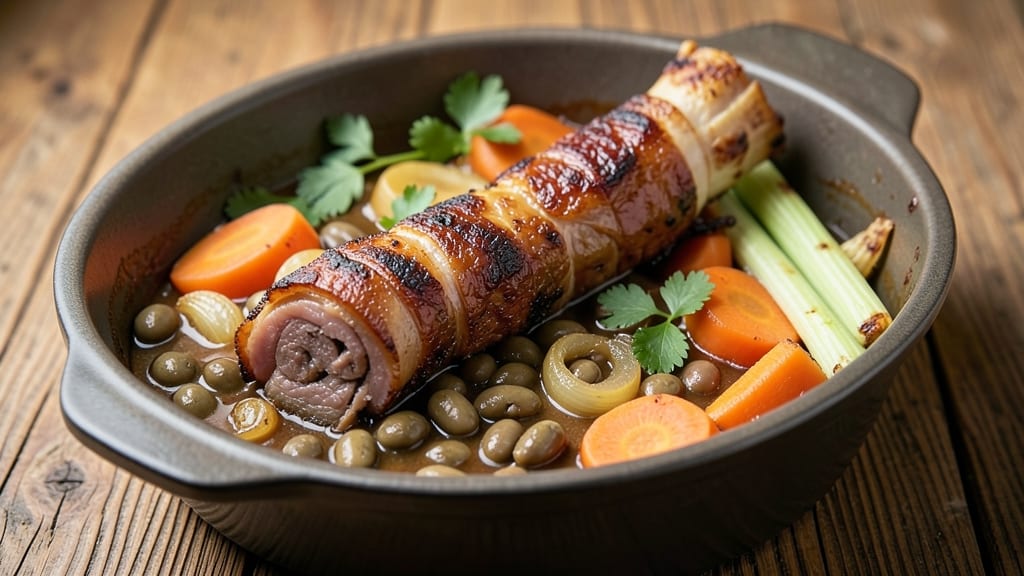
This ham hock and navy beans recipe transforms humble ingredients into a soul-warming dish that feels like a hug on a chilly evening. The smoky-sweet aroma of slow-cooked ham hock infusing tender navy beans creates a side dish that steals the spotlight at any table.
I’ve perfected this technique over years of Southern-inspired cooking, where patience and simple seasoning yield restaurant-quality results at home.
The beauty of this recipe lies in its foolproof method—just a ham hock, navy beans, and basic pantry staples come together in a single pot. No fancy equipment or complicated steps are needed, only 3-4 hours of hands-off simmering that turns tough cuts into melt-in-your-mouth perfection.
The ham hock’s gelatinous richness thickens the broth, while the beans absorb every smoky, savory note, creating a dish that’s both hearty and elegant.
By the time you’re ready to serve, you’ll have a steaming pot of navy beans with tender, flavor-packed meat that clings to each bite. The broth reduces to a velvety consistency, perfect for spooning over rice or serving alongside roasted vegetables.
This is the kind of weeknight meal that feels like a celebration—simple enough for weeknights but impressive enough for guests.
Pair it with cornbread or crusty rolls to soak up every last drop of that smoky-sweet broth. The recipe scales easily, so it’s perfect for feeding a crowd or prepping ahead for meal prep. Ready to bring this comforting classic to your table? Let’s get started.
Ingredients for ham hock and navy beans
Transform humble pantry staples into a restaurant-worthy smoky-sweet navy bean masterpiece.
| Ingredient | Amount | Notes |
|---|---|---|
| Ham Hock 🥓 | 1 lb | Smoked or unsmoked preferred |
| Navy Beans 🍲 | 1 ½ cups | Dried, soaked overnight |
| Yellow Onion 🧅 | 1 whole | Chopped into 1/2-inch pieces |
| Carrots 🥕 | 2 medium | Peeled, cut into 1-inch chunks |
| Celery Stalks 🌿 | 2 whole | Cut into 1-inch pieces |
| Garlic Cloves 🧄 | 4 cloves | Minced for aromatic depth |
| Bay Leaves 🌿 | 2 whole | Fresh preferred for flavor |
| Kosher Salt 🧂 | 1 ½ tsp | Diamond Crystal preferred |
| Black Peppercorns 🌶️ | ½ tsp | Freshly cracked for texture |
| Apple Cider Vinegar 🍏 | 1 tbsp | For subtle tang balance |
| Fresh Thyme 🌿 | 1 tbsp | Leaves only, chopped fine |
| Water 💧 | 6 cups | Filtered preferred for clarity |
| Extra-Virgin Olive Oil 🫒 | 1 tbsp | For initial sautéing |
The ham hock is the centerpiece—smoked varieties add depth, but unsmoked works beautifully with extra brown sugar. Look for bone-in cuts at specialty butchers or well-stocked grocery stores like Whole Foods or Harris Teeter, where they often carry larger quantities than standard supermarkets. The gelatinous quality of the bone transforms the broth into velvety perfection. For navy beans, dried is non-negotiable—canned lacks the texture and flavor development. Soak overnight in cold water to eliminate anti-nutrients and reduce cooking time. The vegetables form your flavor base, so fresh, crisp carrots and celery ensure optimal sweetness and crunch during the initial sauté.
No smoked ham hock? Substitute with a smoked turkey leg or increase the apple cider vinegar to 2 tablespoons for similar depth. Running short on thyme? Dried thyme at one-third the amount works, but fresh delivers that bright herbal note. The apple cider vinegar can be swapped for red wine vinegar in a pinch, though it lacks the subtle apple complexity. For the vegetables, frozen chopped vegetables in a 1:1 ratio work in emergencies, though fresh yields superior texture. When measuring the kosher salt, remember Diamond Crystal is coarser—use 1.5 teaspoons, but reduce to 1 teaspoon for table salt. The olive oil should be high-quality extra-virgin to prevent flavor competition during the initial sauté.
This dish rewards patience—simmering transforms tough cuts into melt-in-your-mouth perfection. Store leftovers in airtight containers in the refrigerator for up to 5 days, though the flavor deepens overnight. For longer storage, freeze portions for up to 3 months—the broth remains velvety after reheating. To reheat, add 2 tablespoons of water per serving and simmer until steaming. The beans and meat become even more tender with each reheating. Portion into meal prep containers for easy lunches, or freeze individual servings for quick weeknight meals. The broth freezes beautifully too—strain and store separately for future soups or braises.
Why You'll Love This Recipe
- One-Pot Magic: I swear by this—just toss everything in one pot, walk away, and come back to a meal that smells like home. The ham hock simmers until it falls apart, soaking the beans in that rich, salty-sweet broth without any extra effort.
- Deep, Smoky Richness: That ham hock? It’s the star. As it melts, it releases a flavor so bold and savory, it turns simple navy beans into something ridiculously good. Honestly, the first bite makes me forget I’m eating a budget meal.
- Weeknight Workhorse: I make this when I’m feeding a crowd or just myself—it’s the same recipe, different portions. The leftovers? Even better the next day. My son’s soccer team’s mom now texts me for it, and I’m not complaining.
- Pantry Powerhouse: Between us, this is my go-to when I’m low on groceries but still want a hearty meal. Carrots, celery, and onion? They’re cheap, last forever, and add just enough texture to keep it interesting. Plus, the beans stretch for days—no waste, all flavor.
Step-by-step instructions for ham hock and navy beans
This method delivers restaurant-quality depth in under 3 hours—perfect for busy weeknights.
Sauté the Aromatic Vegetables
Heat the 1 tablespoon extra-virgin olive oil in a large Dutch oven over medium heat until shimmering. Add the chopped 1 whole yellow onion, 2 medium carrots, and 2 whole celery stalks, stirring occasionally for 8-10 minutes until the vegetables soften and develop a golden hue. This foundational step builds the flavor base—don't rush it.
Once the vegetables are tender, add the 4 cloves minced garlic cloves and cook for an additional 30 seconds until fragrant. The garlic should sizzle slightly but not burn, releasing its full aromatic potential. Remove the vegetables from the pot and set aside temporarily—they'll return later in the cooking process.
Brown the Ham Hock and Build the Base
Increase the heat to medium-high and add the 1 lb ham hock to the Dutch oven, turning occasionally to sear all sides until they develop a deep golden-brown crust. This step is crucial for developing rich, meaty flavors through the Maillard reaction. It should take about 5-7 minutes, depending on the size of your ham hock.
Once browned, remove the ham hock and set it aside with the vegetables. Reduce the heat to medium-low and add 1 tablespoon apple cider vinegar to the pot, scraping up any browned bits from the bottom with a wooden spoon. These bits, known as fond, are packed with flavor and will dissolve into the broth later.
Simmer the Beans with Herbs and Seasonings
Return the ham hock and vegetables to the pot, then add the 1.5 cups soaked navy beans, 6 cups water, 2 whole bay leaves, 1.5 teaspoons kosher salt, and 0.5 teaspoon cracked black peppercorns. Bring the mixture to a gentle boil, then immediately reduce the heat to low to maintain a slow simmer.
Add the 1 tablespoon chopped fresh thyme and ensure the liquid covers the beans by at least 1 inch. The beans should be partially submerged but not drowning in water. Cover the pot and let it simmer for 1.5 hours, checking occasionally to ensure the liquid level remains adequate. If needed, add a splash of hot water to maintain the proper ratio.
Finish with Tender Beans and Rich Broth
After 1.5 hours, check the tenderness of the navy beans by pressing one between your fingers. They should be soft but still hold their shape—if they're too firm, continue simmering for another 30 minutes. The ham hock should also be tender enough to pull apart with a fork. If the beans are still slightly underdone, this final simmering time will complete their cooking.
Once the beans are perfectly tender, remove the ham hock from the pot and let it cool slightly before pulling it apart with two forks, discarding any large bones. Return the shredded ham hock to the pot and stir it into the beans. Taste the broth and adjust the seasoning if needed—you may need to add a pinch more salt or a splash of vinegar to balance the flavors.
Serve with Crispy Topping (Optional)
For an elevated presentation, transfer the beans and broth to a serving dish. If desired, heat a small skillet over medium-high heat and add a tablespoon of the extra-virgin olive oil. Toast the reserved vegetables and a handful of navy beans until they're crispy and golden, about 5-7 minutes. Sprinkle these crispy toppings over the finished dish for added texture.
Serve the ham hock and navy beans immediately, accompanied by crusty bread or over buttered egg noodles. The dish should have a rich, smoky depth from the ham hock, balanced by the earthy sweetness of the navy beans and the bright acidity of the apple cider vinegar. Each bite should deliver a harmonious blend of textures and flavors, making this a satisfying weeknight meal.
Pro Tips For Making Ham Hock And Navy Beans
- BLANCH BEANS FIRST: Dump those dry navy beans straight into the pot and you’ll waste hours waiting for them to soften. Instead, boil them for 2 minutes first—just until they float—then drain. This cuts cooking time by nearly half and keeps them from turning mushy later.
- SCORE THE HAM HOCK: That thick layer of fat on a ham hock doesn’t just look unappetizing—it can make the meat tough. Use a sharp knife to slice shallow cuts (about ¼-inch deep) into the fat and meat before adding it to the pot. The broth will render cleaner and the meat stay juicier.
- SWEAT THE VEGETABLES LOW: Tossing chopped onions, carrots, and celery into a hot pot and cranking the heat? You’ll just burn the edges and lose flavor. Cook them on medium-low for 8–10 minutes until the onions are translucent and carrots soften. This builds depth without charring.
- SKIM THE FOAM OFF: The first 15 minutes of simmering will produce a greasy foam—ignore it, and your broth turns murky. Use a spoon to skim it off the surface every few minutes. Clear broth = richer flavor, no extra work. (Yes, even if you’re impatient like me.)
Pro cooking tips for this dish
Ham Hock Prep Key
Always choose a bone-in ham hock for maximum flavor and gelatin release. Look for cuts with visible fat marbling—this renders during cooking, creating a velvety broth.
I prefer smoked ham hocks from butchers like Hormel or Smithfield, but unsmoked versions work beautifully with an extra ½ teaspoon smoked paprika added during cooking. Pat the ham hock dry before searing to ensure a proper crust forms. 🔥
Bean Soaking Secrets
Never skip overnight soaking for navy beans—it reduces cooking time by 40% and eliminates indigestible compounds. Use 4 cups water per 1 cup dried beans and add 1 teaspoon kosher salt to the soaking water.
I soak mine in the fridge for 12-14 hours, then drain and rinse before cooking. For quicker prep, use the quick-soak method: Boil beans for 2 minutes, then let them sit off heat for 1 hour before draining.
Vegetable Sauté Mastery
Your Dutch oven should be heavy-bottomed—I recommend a Le Creuset 5.5-quart or All-Clad 5.5-quart for even heat distribution. Sauté onions, carrots, and celery until they're golden and slightly caramelized—this takes 8-10 minutes at medium heat.
Overcrowding the pot steams instead of sautés, so work in batches if needed. The garlic should sizzle for 30 seconds max—burnt garlic adds bitterness that ruins the dish. ✨
Simmering Precision
Maintain a gentle simmer, not a rolling boil—this prevents the beans from breaking apart. The liquid should bubble 2-3 times per minute at most. I use a digital thermometer to confirm the temperature stays between 185-195°F.
Add water in ¼-cup increments if needed, but avoid over-diluting the broth. The beans are done when they're tender but still hold their shape—overcooking turns them mushy.
Broth Thickening Tricks
For a richer broth, remove the ham hock after 1.5 hours of simmering and shred it, then return it to the pot. The gelatin from the bones will thicken the liquid naturally.
If you need it thicker faster, simmer uncovered for the final 10 minutes to reduce the liquid by 15-20%. A splash of apple cider vinegar at the end brightens the flavors and balances richness. Taste as you go—seasoning builds throughout the cooking process.
Equipment Upgrades
A Dutch oven is non-negotiable for even heat distribution, but a slow cooker on low works in a pinch. For the best results, I use a Breville Control Knife to shred the ham hock cleanly. A fine-mesh strainer helps remove any unwanted bits before serving.
If you don’t have one, a clean kitchen towel works—just squeeze gently to strain the broth. The right tools make all the difference in texture and presentation. 💪
Nutrition facts
Frequently asked questions
Can I use canned navy beans instead of dried?
While canned beans save time, they won't deliver the same rich texture or depth of flavor. Dried beans absorb the smoky ham hock essence better, creating a more velvety broth. If you must use canned, drain and rinse them well, then simmer for an extra 20-30 minutes to let flavors meld. For best results, stick with dried beans soaked overnight.
How do I know when the ham hock is fully cooked?
The ham hock is done when it easily pulls apart with two forks and the meat shreds cleanly. It should take about 1.5-2 hours of simmering. Look for a fork-tender texture and meat that's no longer pink in the center. The broth should also develop a rich, gelatinous quality from the rendered fat and collagen.
Can I make this recipe in a slow cooker?
Sauté the vegetables and ham hock first, then transfer everything to a slow cooker with 4 cups water (instead of 6). Cook on low for 6-8 hours or high for 3-4 hours. The slow cooker method is perfect for hands-off prep, though the broth may be slightly thinner. Add a cornstarch slurry at the end if you prefer a thicker consistency.
What if my beans are still too firm after simmering?
If beans remain undercooked, add ½ cup fresh water, return to a simmer, and cook uncovered for another 20-30 minutes. Avoid adding salt at this stage—it can toughen the beans further. For future batches, ensure your beans are properly soaked (12+ hours) and use a heavy pot to maintain even heat distribution throughout the cooking process.
How can I make this dish vegetarian?
Replace the ham hock with 1 lb smoked tofu or 2 cups extra-firm soy curls (rehydrated in vegetable broth). Add 1 teaspoon liquid smoke and ½ teaspoon smoked paprika to mimic the ham flavor. Use vegetable broth instead of water and simmer for 45-60 minutes to develop depth. The beans will absorb these smoky notes beautifully.