
Soups & Stews
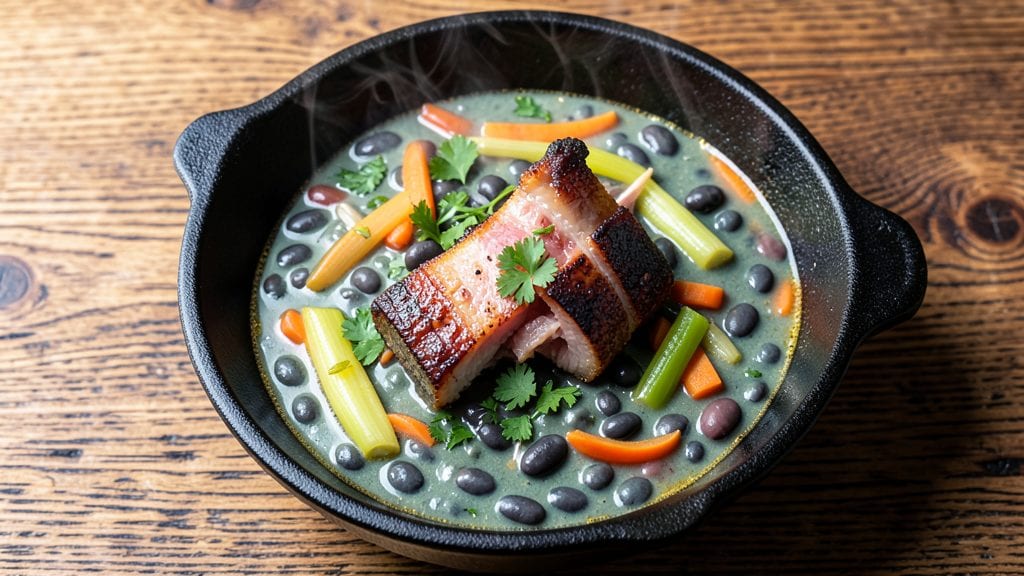
This ham hock and navy bean soup recipe delivers the kind of soul-warming, restaurant-quality comfort that transforms a simple weeknight into a celebration. The smoky richness of slow-cooked ham hock infuses every spoonful, while tender navy beans create that hearty texture we crave when temperatures drop.
I perfected this version after years of experimenting with slow-cooked bean dishes—balancing smokiness, saltiness, and earthiness in one deeply flavorful pot.
The beauty of this soup lies in its simplicity and depth. You start with a ham hock that simmers for hours, releasing collagen-rich broth and smoky flavor into the pot.
Navy beans, pre-soaked overnight, become tender without losing their structure, while aromatics like onions, garlic, and bay leaves build layers of complexity. The result is a soup that's rich enough to stand alone but light enough to pair with crusty bread or a simple green salad.
By the time you're done, you'll have a pot of soup that smells like home and tastes like a hug—smoky, savory, and satisfying in every bite.
The ham hock falls apart easily, adding chunks of meat that melt in your mouth, while the navy beans hold their shape just enough to provide that satisfying bite.
This is the kind of recipe that gets better with each reheat, making it perfect for meal prep or feeding a crowd.
Serve it with a sprinkle of fresh parsley and a wedge of lemon to brighten the richness, or pair it with cornbread for the full Southern experience. Here's how to make it—step by step—for a soup that feels like a masterpiece every time.
Ingredients for ham hock and navy bean soup
Six ingredients transform into a soul-warming pot of smoky, savory comfort.
| Ingredient | Amount | Notes |
|---|---|---|
| Ham Hock 🍖 | 1 lb | Smoked, uncooked preferred |
| Navy Beans 🌾 | 1 ½ cups | Dried, soaked overnight |
| Yellow Onion 🧅 | 1 whole | Medium, diced |
| Garlic Cloves 🧄 | 4 cloves | Peeled, smashed |
| Carrots 🥕 | 2 whole | Medium, chopped |
| Celery Stalks 🌿 | 3 whole | Chopped, with leaves |
| Bay Leaves 🌿 | 2 whole | Dried, standard size |
| Fresh Thyme 🌿 | 1 tbsp | Leaves only, chopped |
| Kosher Salt 🧂 | 2 tsp | Adjust to taste |
| Black Peppercorns 🌶️ | ½ tsp | Freshly cracked |
| Apple Cider Vinegar 🍎 | 1 tbsp | For brightness |
| Fresh Parsley 🌿 | ¼ cup | Chopped, for garnish |
| Lemon 🍋 | 1 whole | Juiced, for serving |
| Chicken Broth 💧 | 6 cups | Low-sodium preferred |
The ham hock is the heart of this soup—look for smoked, uncooked ones at your butcher or Costco. They’re usually sold in the meat section, not the deli. If you can’t find smoked, regular ham hock works, but you’ll need to add a dash of liquid smoke (about 1/2 tsp) to mimic that deep flavor. The navy beans? Dried is best—they hold up to long cooking and develop more flavor than canned. Soak them overnight in plenty of water (at least 4 cups) to cut down on cooking time. I always double-check the package for any pre-soaking instructions, but generally, they’re good to go after 8-12 hours.
No smoked ham hock? Substitute with a smoked sausage like kielbasa (1/2 lb, sliced) or add 1/2 tsp smoked paprika to the broth. Fresh thyme out of season? Dried thyme at one-third the amount works, but it won’t have that bright aroma. The apple cider vinegar might seem odd, but it cuts through the richness and balances the smokiness—white vinegar or lemon juice are fine swaps if that’s what you’ve got. For the broth, low-sodium is key—you’ll be adding salt later, and you don’t want to overdo it. If you’re using canned beans, rinse them well to remove excess sodium.
This soup tastes even better the next day, so make a big batch. Store leftovers in the fridge for up to 5 days or freeze for 3 months. The ham hock will fall apart as it cools, so you can shred it by hand for easier reheating. For serving, I like to garnish with fresh parsley and a squeeze of lemon—it brightens everything up. If you’re prepping for a crowd, portion it into containers with a little extra broth on top to keep it moist. Reheat gently on the stove or microwave until steaming.
Why You'll Love This Recipe
- One-Pot Wonder: I swear by this recipe when I’m too tired to scrub multiple pots. Toss everything—ham hock, beans, onions, carrots—into one pot, add water, and let it simmer. Boom. Done. The ham hock even renders its own fat, so no extra oil needed.
- Smoky Depth Magic: That ham hock doesn’t just add protein—it infuses the soup with a slow-cooked, smoky richness that turns ordinary beans into something ridiculously good. Pair it with garlic and onions caramelized at the bottom, and you’ve got layers of flavor without a single fancy ingredient.
- Meal Prep MVP: I make a big batch on Sundays and freeze portions—it reheats like a dream. The flavors actually get better after a day or two, so you’re not stuck with sad leftovers. Perfect for lazy nights or when you need to feed a crowd without stressing.
- Budget-Friendly Powerhouse: Navy beans and ham hock stretch into so much soup for pennies. I’ve fed my whole family (plus a neighbor who popped by) with one ham hock and a can of beans. No guilt, no waste—just pure, hearty satisfaction. (Yes, even on a Tuesday night.)
Step-by-step instructions for ham hock and navy bean soup
Here's how to create a rich, smoky soup with tender beans and deep flavor—simple steps for big results.
Prepare the Ham Hock and Beans
Start by rinsing the 1 lb ham hock under cold water to remove any surface debris. Place it in a large Dutch oven or heavy pot and add the 1.5 cups navy beans. Cover with 6 cups chicken broth—it should be about 2 inches above the beans—and bring to a gentle boil over medium-high heat.
Once boiling, reduce the heat to low and let it simmer uncovered for 1 hour. This initial simmer helps soften the beans and infuse the broth with the ham's smoky flavor. Skim off any foam that rises to the surface during the first 15 minutes—this ensures a cleaner-tasting soup. The beans should start to soften but won't be fully tender yet.
Build the Flavor Base
After the initial simmer, add the 1 whole yellow onion (diced), 2 whole carrots (chopped), and 3 whole celery stalks (chopped with leaves) to the pot. Stir to combine, then add the 4 cloves garlic cloves (smashed), 2 whole bay leaves, and 1 tbsp fresh thyme (chopped leaves). These aromatics will form the soul of your soup.
Simmer the mixture uncovered for another 30-40 minutes until the vegetables are tender and the beans begin to break down slightly. The ham hock should feel tender when pressed with a fork. If the liquid reduces too much, add a splash of hot water to maintain the proper consistency. You'll know it's ready when the flavors meld together into a harmonious broth.
Season and Finish the Soup
Remove the ham hock from the pot and set it aside to cool slightly. Using a slotted spoon, remove and discard the bay leaves. Stir in the 2 tsp kosher salt and 0.5 tsp black peppercorns (freshly cracked), then add the 1 tbsp apple cider vinegar. This brightens the flavors and balances the richness of the ham and beans.
Return the ham hock to the pot and simmer for another 15 minutes to let the seasoning absorb. The soup should now have a deep, smoky aroma with a touch of tang. Taste and adjust the seasoning if needed—you might need a bit more salt or vinegar depending on your broth's saltiness.
Serve with Fresh Garnishes
Carefully remove the ham hock and shred the meat using two forks, discarding any large bones. Return the shredded ham to the pot and stir gently to combine. Ladle the soup into bowls, garnishing each serving with 0.25 cup fresh parsley (chopped) and a squeeze of 1 whole lemon (juiced). The parsley adds freshness, while the lemon brightens every spoonful.
Serve the soup immediately while hot, with crusty bread to soak up every last drop of that rich, smoky broth. The combination of tender beans, shredded ham, and aromatic vegetables creates a hearty, comforting dish that's perfect for chilly days. Leftovers keep well in the refrigerator for up to 4 days, and the flavors only deepen over time.
Pro Tips For Making Ham Hock And Navy Bean Soup
- SCORE THE HAM HOCK: Use a sharp knife to slice through the skin and expose the meat—this lets the flavor infuse faster. I learned this the hard way by leaving it whole and wondering why my soup tasted like it was missing something.
- SOAK BEANS OVERNIGHT: Skip the quick-soak shortcut—navy beans need 12+ hours in water to soften properly. Trust me, the texture difference is night and day, and you won’t end up with a mushy, gluey mess.
- BROWN THE HAM FIRST: Don’t just toss the ham hock in cold broth—sear it in a dry pot until the edges darken. That caramelized crust adds depth that no amount of simmering later can replicate.
- STRAIN BEANS COLD: Drain the soaked beans when they’re still cold, then rinse them under running water. Warm beans stick together, and you’ll end up with clumps instead of even, tender beans in your soup.
Troubleshooting perfect results
Beans Too Hard?
If your navy beans remain tough after simmering, they likely weren’t soaked long enough. Soak them overnight (8-12 hours) in plenty of water—this breaks down complex sugars that cause toughness.
For quicker prep, use the quick-soak method: Boil beans for 2 minutes, then let them soak in hot water for 1 hour before cooking. Also, check your pot size—beans need 2 inches of liquid to soften properly. If the pot’s too small, add more broth. 🌱
Broth Too Thin?
A watery soup usually means the beans released too much starch. Reduce the heat to low and simmer uncovered for 15-20 minutes to evaporate excess liquid. For extra richness, add ¼ cup tomato paste or ½ cup pureed carrots to thicken naturally.
If you’re short on time, mash ¼ cup of the beans with a fork—their starch acts as a thickener. Avoid adding flour or cornstarch, which can make the soup taste flat. 🍲
Ham Hock Not Tender?
If the ham hock feels rubbery after 3-4 hours, it needs more time. Low and slow is key—keep it at 180-190°F for 4-5 hours total. For faster results, cut the hock into chunks (remove skin first) and simmer uncovered.
If you’re in a rush, add 1 tsp baking soda to the pot (neutralizes tough flavors) and simmer for 30 more minutes. Always test doneness by pressing with a fork—it should shred easily. 🍖
Foamy or Cloudy Broth?
Foam and cloudiness come from starches and impurities released during cooking. Skim the surface during the first 30 minutes of simmering, and add 1 tbsp apple cider vinegar (already in the recipe) to clarify the broth.
For extra clarity, strain the soup through a fine-mesh sieve before serving, then return the solids to the pot. If the broth still looks murky, simmer it uncovered for 10 more minutes to let impurities rise and skim again. 💧
Overpowering Smokiness?
Too much smoke flavor? Balance it with acid—add 1 extra tbsp apple cider vinegar or ½ tsp lemon juice. Fresh herbs like parsley or cilantro also lighten the richness. If the ham hock is too smoky, reduce its cooking time by 30 minutes next time.
For milder flavor, use unsmoked ham hock and add ½ tsp smoked paprika later for depth. 🌿
Grainy Texture?
Gritty soup often means undercooked beans or vegetables. Ensure carrots and celery are chopped small (no larger than ¼ inch) and simmer until fork-tender. For beans, mash a few against the pot’s side—they should break down slightly but stay intact.
If the texture persists, blend ½ cup of the soup and stir it back in to smooth out the consistency. Avoid overcrowding the pot, which can slow cooking. 🥕
Nutrition facts
Frequently asked questions
Why do I need to soak navy beans overnight?
Soaking navy beans overnight (8-12 hours) dramatically reduces cooking time and prevents them from becoming tough or grainy. The long soak breaks down complex sugars and tough skins, ensuring they become tender and creamy during simmering. For a quicker method, try the quick-soak: boil beans for 2 minutes, then let them soak in hot water for 1 hour before cooking.
Can I substitute canned beans for dried navy beans?
Yes, but with adjustments! Use 2 (15 oz) cans of navy beans (drained and rinsed) instead of dried. Since canned beans are pre-cooked, reduce the simmering time by 30-40 minutes to avoid mushiness. Add them to the pot after the ham hock and vegetables have simmered for 1 hour to keep their texture intact.
How do I know when the ham hock is fully cooked?
The ham hock is done when it feels tender and shreds easily with a fork. After 3-4 hours of simmering, press it gently—if it crumbles apart, it’s ready. For extra assurance, check the internal temperature with a meat thermometer (165°F is safe). If it’s still firm, return it to the pot and simmer for 30 more minutes.
What’s the best way to store and reheat leftovers?
Store leftovers in an airtight container in the fridge for up to 4 days or freeze for 3 months. When reheating, warm gently on the stove over low heat (or microwave in 30-second intervals) until steaming. Add a splash of broth or water if the soup thickens too much. The flavors actually deepen overnight!
Can I make this soup in a slow cooker?
Combine all ingredients in your slow cooker and cook on low for 6-7 hours or high for 3-4 hours. The long cook time enhances the smoky flavor and tenderizes the ham hock perfectly. For best results, skip the initial skimming step—just stir occasionally and adjust seasoning at the end.