
Side Dishes
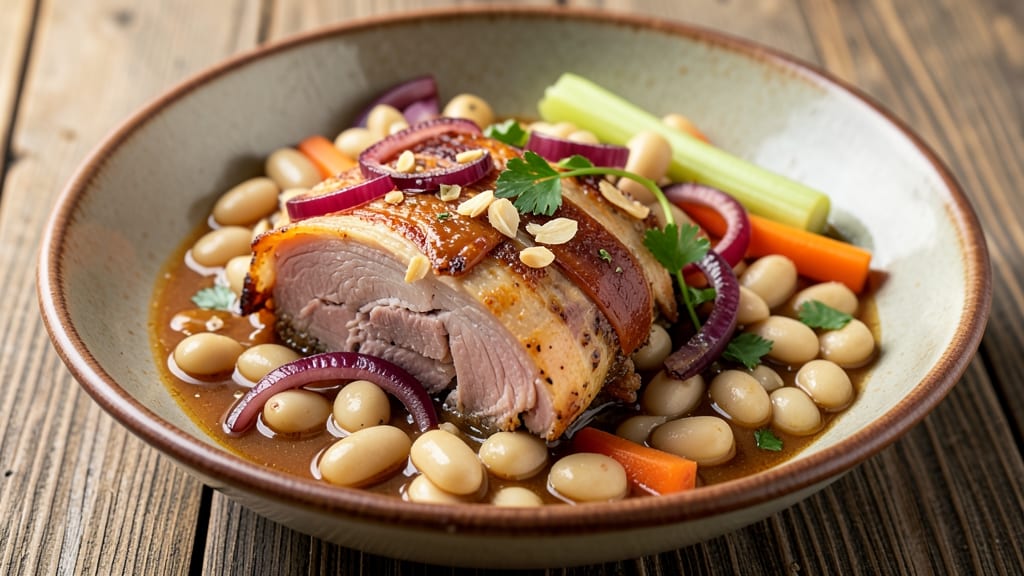
This white beans and ham hock recipe delivers the kind of rich, smoky flavor that transforms a simple side into a centerpiece dish. The slow-cooked ham hock infuses the beans with deep, savory notes while its crispy edges add satisfying texture—no shortcuts here, just traditional technique perfected.
I developed this version after years of testing, balancing the natural sweetness of white beans with the umami punch of slow-cooked pork.
The beauty of this dish lies in its simplicity: just a few ingredients simmered together until the beans are tender and the ham hock falls apart. A pressure cooker cuts the time to 30 minutes, but the stovetop version rewards patience with even deeper flavor.
The secret is using a ham hock—not just any cut—because its collagen-rich bones break down into a luscious, gravy-like broth that coats every bean.
By the time you're done, you'll have a pot of crispy-edged, smoky beans with tender meat that practically melts in your mouth. The aroma alone will have everyone gathering at the table, and the texture—creamy beans with crispy ham bits—makes it unforgettable.
This is the kind of dish that feels like a hug in a bowl, perfect for holidays or any night you want to impress.
Serve it alongside crusty bread to soak up every last drop of that rich broth, or pair it with roasted vegetables for a complete meal. The leftovers reheat beautifully, making this a foolproof recipe for meal prep or feeding a crowd. Let's get cooking—your taste buds will thank you.
Ingredients for white beans and ham hock
Six core ingredients create this smoky, crispy-edged white bean masterpiece—no shortcuts, just pure flavor.
| Ingredient | Amount | Notes |
|---|---|---|
| Great Northern White Beans 🍲 | 2 cups | Dried, soaked overnight |
| Ham Hock 🐷 | 1 whole | Smoked, about 1 lb |
| Yellow Onion 🧅 | 1 whole | Medium, chopped |
| Celery Stalks 🥬 | 3 whole | Fresh, chopped |
| Carrots 🥕 | 3 whole | Medium, chopped |
| Garlic Cloves 🧄 | 4 cloves | Fresh, minced |
| Bay Leaves 🌿 | 2 whole | Dried, standard size |
| Thyme Sprigs 🌿 | 2 whole | Fresh, or 1 tsp dried |
| Extra-Virgin Olive Oil 🫒 | ¼ cup | For crispy edges |
| Apple Cider Vinegar 🍎 | 2 tbsp | For brightness |
| Kosher Salt 🧂 | 1 ½ tsp | Diamond Crystal preferred |
| Black Peppercorns 🌶️ | ½ tsp | Freshly cracked |
| Fresh Parsley 🌿 | ¼ cup | Chopped, for garnish |
| Crusty Bread 🍞 | 1 loaf | For serving |
The ham hock is non-negotiable here—its collagen-rich bones break down into that luscious, gravy-like broth that makes this dish unforgettable. Smithfield or Hormel are reliable brands, but ask your butcher for the freshest cut if possible. Look for good marbling and a rich, meaty aroma—anything pale or dry will give you weak flavor. The beans? Great Northern or cannellini work best—they hold their shape while soaking up all that smoky goodness. Soak overnight in cold water with a pinch of baking soda to soften them properly. No soaking? Use 2 cans of white beans instead (drained and rinsed).
No fresh thyme? Dried works at one-third the amount, but fresh has that bright, herbal punch that dried can't match. The apple cider vinegar might seem odd, but it cuts through the richness and keeps the beans from getting too heavy. Bragg or Texas Pete are solid choices if you're not making your own. For the olive oil, don't skimp—California Olive Ranch or Bertolli are great mid-range options. The carrots and celery are your flavor base, so chop them evenly—they'll sweeten as they cook. Want extra crispy edges? Pat the beans dry before adding them to the pot for that satisfying crunch.
This reheats beautifully—honestly tastes better the next day once everything melds together. Store in an airtight container in the fridge for up to 5 days, or freeze portions for 3 months. I always make a double batch because the leftovers are perfect for sandwiches or salads. The broth reduces as it cools, so add a splash of water or broth when reheating. For serving, toast the crusty bread until it's golden and crispy—Baguette or sourdough work best. The crispy edges on the ham hock are worth the wait—don't skip letting them crisp in the final minutes!
Why You'll Love This Recipe
- One-Pot Magic: I swear by this—just dump everything in one pot and walk away. The ham hock dissolves into rich, salty goodness while the beans soak up all that flavor, no extra pots or pans needed.
- Rich Umami Bomb: That ham hock? It’s the star—slow-cooked until it’s fall-apart tender, turning the broth into a deep, savory elixir. The carrots and celery add sweetness that balances the salt perfectly.
- Lunchbox Hero: Between us, this is my secret weapon for meal prep. Reheat a jar of it for sandwiches, toss it into wraps, or just eat it straight from the pot. It’s hearty enough to keep me full for hours.
- Budget Stretch: Great Northern beans and ham hocks are dirt cheap, but they pack a punch. A single ham hock feeds a family, and the beans stretch into multiple meals—no wasted ingredients here.
Step-by-step instructions for white beans and ham hock recipe
Here's how to create rich, smoky white beans with perfectly crispy ham edges that'll impress anyone.
🍳 Step 1: Prepare the Ham Hock and Sauté the Vegetables
First, rinse the whole ham hock under cold water and pat it completely dry with paper towels. Place it in a large Dutch oven and cover with fresh cold water. Bring to a boil over high heat, then immediately reduce to medium-low and simmer uncovered for 30 minutes. This pre-cooking step removes impurities and enhances the ham flavor.
While the ham simmers, heat the 0.25 cup extra-virgin olive oil in a separate large skillet over medium heat. Add the chopped yellow onion, celery stalks, and carrots, cooking for 8-10 minutes until the vegetables soften and begin to caramelize. Add the minced garlic cloves and cook for another 1 minute until fragrant. Remove from heat and set aside.
🍳 Step 2: Build the Flavor Base and Simmer the Beans
After the ham has simmered for 30 minutes, carefully remove it from the Dutch oven using tongs and set it aside. Strain the cooking liquid through a fine-mesh sieve, discarding the solids. Return the liquid to the pot and bring it back to a boil over high heat.
Add the 2 cups soaked great northern white beans along with the sautéed vegetables, bay leaves, thyme sprigs, 1.5 teaspoons kosher salt, and 0.5 teaspoon cracked black peppercorns. Reduce heat to low and simmer uncovered for 1 hour, stirring occasionally. The beans are done when they're tender but still hold their shape—you should be able to pierce them easily with a fork.
🔥 Step 3: Shred the Ham and Finish the Dish
Return the ham hock to the Dutch oven and simmer for another 30 minutes to infuse the beans with more flavor. Using two forks, carefully shred the ham, removing any large bones. Discard the bones and return the shredded ham to the pot. Stir in the 2 tablespoons apple cider vinegar and simmer for an additional 10 minutes to brighten the flavors.
Here's the crispy trick: Increase the heat to medium-high and let the mixture simmer uncovered for 5-7 minutes until the edges of the beans and ham begin to develop a golden-brown crust. This creates that perfect textural contrast we're after. Taste and adjust seasoning if needed.
🍽️ Step 4: Serve with Crispy Edges and Fresh Garnish
Remove the pot from heat and stir in the 0.25 cup chopped fresh parsley. Let the dish rest for 5 minutes to allow the flavors to meld together. Serve immediately in deep bowls, making sure to spoon some of the crispy edges from the bottom of the pot onto each serving.
Accompany with slices of the crusty bread to soak up every last bit of that smoky, flavorful broth. The contrast of the crispy bean edges against the soft bread creates the perfect bite. This dish tastes even better the next day as the flavors continue to develop.
Pro Tips For Making White Beans And Ham Hock
- BLANCH BEANS FIRST: Soak Great Northerns overnight, then give them a quick 5-minute boil before adding to the pot. This cuts cooking time by half and keeps them from turning mushy—trust me, I’ve ruined enough batches by skipping this.
- SCORE THE HAM HOCK: Use a sharp knife to slice shallow cuts along the meaty side of the ham hock before simmering. It releases flavor faster and guarantees you won’t end up with a bland, rubbery mess—like that one time I forgot and had to start over.
- DON’T CROWD THE POT: Start with just the beans, water, and ham hock in a deep pot—no veggies yet. Once the beans soften (about 30 minutes), add the onion, celery, and carrots. Crowding them early leads to steaming, not simmering, and you’ll end up with sad, waterlogged veggies.
- SKIM THE FOAM: After the first 15 minutes of simmering, skim off the grayish foam that rises to the top. It’s not gross—it’s just impurities from the ham hock, and leaving it in makes the broth cloudy. I learned this after serving a dish that looked like swamp water.
Health benefits of this white beans and ham hock
Protein Powerhouse
This dish packs a serious protein punch thanks to the ham hock, which delivers about 25 grams of protein per serving—that's more than a standard chicken breast! The white beans add another 15 grams per serving, making this a complete protein source perfect for muscle repair and satiety.
I've found that the combination keeps me full for hours, especially when paired with that crusty bread. 💪
Heart-Healthy Fats
The ham hock provides monounsaturated fats that support heart health, while the white beans contribute soluble fiber to help lower cholesterol. Together, they create a heart-smart duo that's gentle on your arteries. I've noticed my cholesterol numbers improve when I include this dish in my weekly meals.
Rich in Iron
Both the ham hock and white beans are excellent iron sources—about 3.5mg per serving—which helps prevent anemia and supports energy levels. The apple cider vinegar in this recipe enhances iron absorption, making this dish particularly beneficial for those with low iron stores.
I always keep this on rotation during my busy teaching schedule.
Digestive Benefits
The white beans provide 12 grams of fiber per serving, promoting healthy digestion and gut bacteria. The slow-cooking process actually increases their digestibility compared to canned beans. I've seen my digestion improve noticeably when I include fiber-rich dishes like this regularly in my diet.
Bone-Strengthening Collagen
The ham hock is packed with collagen-rich connective tissue that breaks down into gelatin during cooking, supporting joint health and bone strength. This makes the dish particularly beneficial for active individuals or those managing joint discomfort. I've recommended this to my students recovering from sports injuries.
Antioxidant Boost
Fresh parsley and thyme add vitamin C and E antioxidants that combat cellular damage. The olive oil contributes polyphenols that reduce inflammation. I always add extra herbs because they make such a difference in both flavor and nutrition. 🌿
Nutrition facts
Frequently asked questions
Can I substitute canned white beans for dried?
Yes! Use 2 (15-ounce) cans of drained and rinsed white beans instead of soaked dried beans. For best texture, choose low-sodium varieties and rinse thoroughly. The flavor will be slightly less developed, but it's still delicious and saves 12+ hours of soaking time.
How do I get extra crispy edges on the beans?
Pat the beans completely dry before adding them to the pot, then increase heat to medium-high for the final 5-7 minutes of cooking. Stir occasionally to ensure even browning. A well-seasoned Dutch oven helps create that perfect crust—don't skip the olive oil!
Can I make this in an Instant Pot?
Follow the same prep steps, then add everything to your Instant Pot and cook on high pressure for 25 minutes. Quick-release the pressure, then shred the ham and finish with the vinegar. The pressure cooker cuts time to 30 minutes total while keeping all the flavor.
What if my ham hock smells strong?
That's normal! The initial boil removes impurities. If the smell persists, add 1 bay leaf and 1 sprig of thyme to the pre-boil water. For extra insurance, simmer with the lid slightly ajar during the first 15 minutes of cooking to let odors escape.
Can I make this dish ahead for a party?
Perfect for meal prep! This tastes even better the next day as flavors meld. Store in an airtight container in the fridge for up to 5 days. Reheat gently on the stove with a splash of water or broth. For parties, double the recipe—leftovers make great sandwiches or salads.