
Sauces & Condiments
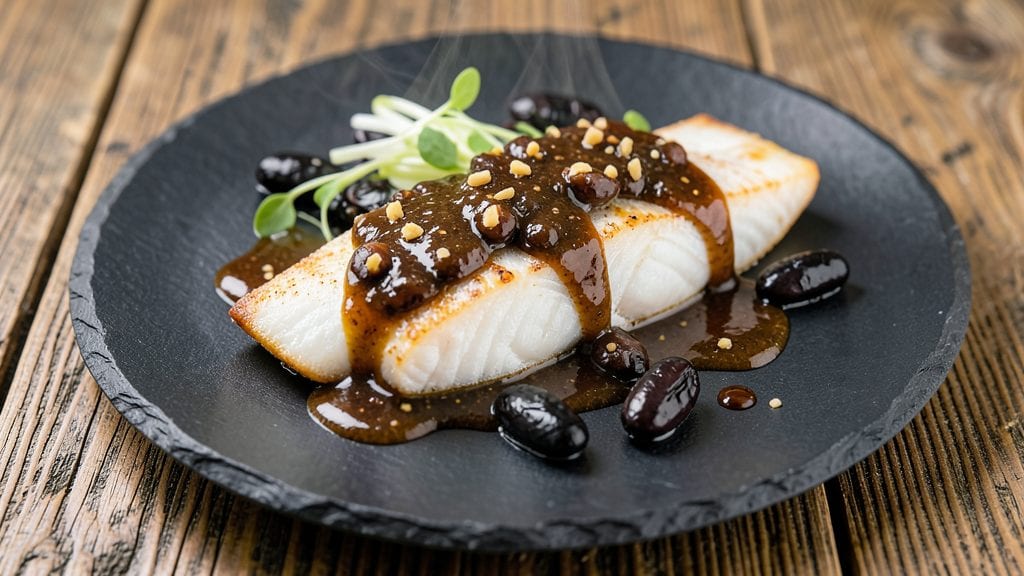
This steamed fish fillet with black bean sauce delivers the perfect balance of delicate, flaky fish and a rich, umami-packed sauce that elevates every bite.
The secret lies in gentle steaming that preserves moisture while the black bean sauce—simmered with garlic, ginger, and a touch of soy—adds depth without overpowering the natural flavor of the fish. After years of refining this dish, I’ve found the right technique transforms simple ingredients into a restaurant-worthy meal.
The beauty of this recipe is its simplicity: just 15 minutes of active prep followed by hands-off steaming. The black bean sauce requires no fancy ingredients—just pantry staples—and can be made ahead, allowing you to focus on the fish.
The key is timing: steam the fish until just opaque, then immediately coat it in the warm sauce to lock in tenderness. This method ensures the fish stays flaky while the sauce clings perfectly to each piece.
What you’ll end up with is a dish that’s elegant yet approachable—silky fish fillets glistening with a glossy, aromatic sauce that’s both savory and slightly sweet. The contrast between the light, delicate fish and the bold, textured sauce creates a harmony that’s impossible to resist.
Serve with steamed greens or jasmine rice to complete the meal, and you’ll have dinner ready in under 30 minutes without sacrificing flavor.
This recipe works beautifully with firm white fish like cod, halibut, or snapper, and the sauce can even be used as a dipping sauce or marinade.
Whether you’re cooking for a weeknight dinner or a special occasion, the balance of technique and simplicity makes this dish a go-to for any seafood lover. Let’s get started!
Ingredients for steamed fish fillet with black bean sauce
Pantry staples meet delicate seafood—just 14 ingredients for restaurant-worthy harmony.
| Ingredient | Amount | Notes |
|---|---|---|
| White Fish Fillets 🐟 | 1 ½ lb | Cod, halibut, or snapper preferred |
| Black Beans 🫘 | 1 cup | Drained and rinsed, canned or cooked |
| Garlic Cloves 🧄 | 4 cloves | Minced for sauce, fresh preferred |
| Fresh Ginger 🌿 | 1 tbsp | Grated finely, aromatic quality |
| Low-Sodium Soy Sauce 🍶 | 2 tbsp | For umami depth, not salty |
| Sesame Oil 🫒 | 1 tsp | Toasted, for nutty aroma |
| Green Onions 🧅 | 3 whole | Thinly sliced, white and green parts |
| Cornstarch 🌾 | 1 tbsp | For sauce thickening |
| Water 💧 | ½ cup | For steaming fish |
| Vegetable Oil 🫒 | 1 tbsp | For fish seasoning |
| Salt 🧂 | ½ tsp | Sea salt, adjust to taste |
| White Pepper 🌶️ | ¼ tsp | Freshly ground, no black specks |
| Jasmine Rice 🍚 | 1 ½ cups | Uncooked, for serving |
| Lemon Wedges 🍋 | 2 whole | For garnish, fresh preferred |
The fish is non-negotiable: cod or halibut from the seafood counter delivers that perfect flaky texture, while snapper offers a firmer bite. Whole Foods or local fish markets typically carry the freshest cuts—look for bright, translucent flesh and minimal fishy odor. If using frozen fillets, thaw them overnight in the fridge, never at room temperature. For the black beans, Trader Joe's or organic brands provide the best texture and flavor, though any canned variety works in a pinch. The ginger should be fresh and aromatic—avoid powdered unless absolutely necessary, as it lacks depth.
No soy sauce? Coconut aminos or tamari work equally well, though the umami profile differs slightly. Substituting dried black beans requires soaking overnight—double the amount and adjust water as needed. For a quicker fix, lentils or edamame can replace beans, though texture will vary. The sesame oil is crucial for aroma; toasted sesame oil from Asian markets adds richness, while regular sesame oil works in a bind. If you're avoiding gluten, ensure your soy sauce is certified gluten-free. For the rice, jasmine or basmati complement the dish perfectly, but any long-grain white rice suffices.
Prep the sauce ingredients first—they keep for 3-4 days in the fridge, making this a great make-ahead meal. Store the sauce in an airtight container with a thin layer of oil on top to preserve freshness. The fish should be cooked within 1 hour of steaming for optimal texture. For leftovers, refrigerate the fish and sauce separately—reheat gently in a skillet with a splash of water to maintain moisture. The rice reheats beautifully; just add a splash of water and cover until warm.
Why You'll Love This Recipe
- Steam-and-Go Magic: I swear by this recipe when I’m too tired to fuss—just slice ginger, crush garlic, toss in beans and soy sauce, then steam the fish. No flipping, no frying, no mess. That’s 20 minutes of hands-off cooking while I sip tea or scroll through my phone.
- Umami Bomb: The black beans caramelize into a glossy, savory sauce that clings to the fish like it’s been there forever, but honestly? It’s just 10 minutes of simmering. The garlic and ginger hit you first—sharp, bright—but then the soy sauce mellows it into something rich and addictive. My picky-eating partner actually finishes his plate.
- Lunchtime Superstar: Between us, this is my go-to for packed lunches. The sauce stays vibrant in the fridge for days, and the fish reheats like a dream (microwave or pan, no judgment). Toss it in a bento box with rice and cucumber, and suddenly you’ve got a meal that feels fancy but costs next to nothing.
- Budget-Friendly Luxury: White fish is cheap, black beans are a pantry staple, and you’re not drowning in expensive spices. Here’s what sold me: that crispy edge on the fish from the steam, the way the sauce thickens just enough to coat everything—it tastes like a restaurant dish without the price tag. Even my college-student nephew asked for the recipe.
Step-by-step instructions for steamed fish fillet with black bean sauce
Here's how to create perfectly flaky fish paired with a velvety black bean sauce.
Prepare the Fish Fillets for Steaming
Pat the 1.5 lb white fish fillets completely dry with paper towels. This step is crucial for achieving that signature flaky texture—any moisture will prevent proper steaming. Place each fillet on a heatproof plate and lightly brush both sides with 1 tablespoon vegetable oil. Season immediately with 0.5 teaspoon salt and 0.25 teaspoon white pepper, pressing gently so the seasoning adheres.
Arrange the seasoned fillets in a single layer on a steamer rack positioned over a pot of boiling water. The water should be at a full rolling boil before adding the fish—this ensures even, gentle heat transfer. Cover the pot with a tight-fitting lid and steam for exactly 8-10 minutes. You'll know it's done when the fish flakes easily with a fork and the edges begin to turn opaque. Overcooking will turn the fish rubbery, so resist the urge to peek during steaming.
Create the Black Bean Sauce Foundation
While the fish steams, heat 1 tablespoon fresh ginger and 4 cloves minced garlic cloves in a small saucepan over medium heat. Cook for 1-2 minutes until the ginger becomes fragrant and the garlic turns golden—this releases their full flavor potential. Add 1 cup black beans and stir to combine, mashing lightly with a wooden spoon to create a chunky texture. Cook for an additional 3 minutes until the beans begin to break down slightly and release their natural starches.
Pour in 2 tablespoons low-sodium soy sauce and 0.5 cup water, then bring to a gentle simmer. Reduce heat to low and let the mixture cook uncovered for 5 minutes to allow excess moisture to evaporate. This step develops the sauce's depth of flavor and proper consistency. The sauce should now have a thick, spreadable texture—if it's too thin, continue simmering until it reaches your desired thickness.
Thicken and Finish the Black Bean Sauce
In a small bowl, whisk together 1 tablespoon cornstarch with 2 tablespoons water to create a smooth slurry. Slowly pour this mixture into the simmering black bean sauce while stirring constantly with a wooden spoon. The sauce will thicken immediately—keep stirring for 1-2 minutes until it reaches a glossy, velvety consistency that coats the back of a spoon. Remove from heat and stir in 1 teaspoon toasted sesame oil for that signature nutty aroma.
Taste and adjust seasoning if needed—you may need a pinch more salt or a splash of soy sauce to balance flavors. The sauce should be rich with umami from the soy sauce, slightly sweet from the beans, and aromatic from the ginger and garlic. Cover and set aside to keep warm while you prepare the remaining components.
Assemble and Garnish the Dish
Remove the steamed fish fillets from the steamer and transfer them to a serving platter. Spoon the prepared black bean sauce evenly over the top, allowing it to cascade down the sides of the fish. The contrast between the flaky fish and silky sauce creates an immediate visual appeal that's just as important as the taste.
Garnish with thinly sliced 3 whole green onions (white and green parts) and serve immediately with 1.5 cups cooked jasmine rice on the side. The lemon wedges are for finishing—squeeze a small amount over each portion just before serving to add a bright, citrusy note that cuts through the richness of the dish. The fish should be served while still warm to maintain its perfect texture.
Pro Tips For Making Steamed Fish Fillet With Black Bean Sauce
- Prep Black Beans Right: Rinse them twice—first to remove debris, then soak in warm water for 10 minutes. I used to skip this, and the sauce ended up grainy and bitter. Trust me, the extra 30 seconds saves your dish.
- Salt Fish Before Steaming: Season the fillets generously with salt and a touch of soy sauce 15 minutes before cooking. The fish absorbs flavor better when it’s slightly dry on the surface, and it won’t turn rubbery from steam.
- Control Ginger Heat: Grate ginger thinly and cook it low and slow—no sizzling—until it’s just fragrant, not browned. Burnt ginger turns the sauce bitter, and you’ll regret it when you taste the final dish.
- Steam Fish Over Water: Use a steamer basket with 2 inches of boiling water below—never let the fish touch the water. I learned this after my first batch turned soggy; now, the fillets stay tender and flaky.
Pro cooking tips for perfect results
Steaming Perfection
Steaming fish requires precision to avoid drying it out. Use a bamboo steamer basket or a heatproof plate with a rack—never let the fish touch the water.
The key is gentle, indirect heat: bring water to a full rolling boil before adding the fish, then reduce to a gentle simmer. I use a wire steamer insert in a 10-inch stainless steel pot for even heat distribution. 🌡️
Sauce Thickening Secrets
The black bean sauce should coat the back of a spoon without being gluey. For perfect thickness, cornstarch slurry is your best friend. Whisk 1 tbsp cornstarch with 2 tbsp cold water until smooth, then temper it into the simmering sauce while stirring constantly.
If the sauce splits or looks grainy, strain it through a fine-mesh sieve for a silky finish. 💫
Fish Doneness Test
Fish is done when it reaches 145°F internal temperature and flakes easily with a fork. For white fish, this typically takes 8-10 minutes of steaming. The edges should turn opaque, and the center should spring back slightly when pressed.
Overcooking by even 1 minute can turn flaky fish into rubbery disappointment. Use an instant-read thermometer for accuracy. ⏱️
Sauce Flavor Balance
The sauce should sing with umami, sweetness, and aroma. Taste as you go: add 1 tsp honey if it needs sweetness, a pinch of white pepper for heat, or a splash of rice vinegar for brightness.
I like to finish with 1 tsp toasted sesame oil right before serving—this adds nutty depth without overpowering. The sauce should complement, not dominate, the delicate fish. 🌶️
Timing the Assembly
Work efficiently to keep the fish warm while assembling. Steam the fish last—it stays best when served immediately after cooking. Keep the sauce warm in a small saucepan on the lowest heat setting.
When ready to serve, spoon the sauce over the fish while it's still hot to create a glossy, cohesive presentation. The contrast of warm sauce and flaky fish is what makes this dish shine. ✨
Equipment Upgrades
For restaurant-quality results, invest in a digital thermometer (like the Thermoworks Thermapen) to monitor both fish and sauce temperatures. A fine-mesh strainer helps refine the sauce texture, and a bamboo steamer adds authentic presentation.
If you're short on time, a microwave-safe bowl with a steamer insert works in a pinch—just cover with a damp towel to trap steam. 💡
Nutrition facts
Frequently asked questions
Can I substitute other fish for cod or halibut?
This recipe works beautifully with snapper, sea bass, or mahi-mahi. Look for firm white fish with a mild flavor. Avoid delicate fish like tilapia—they can turn mushy during steaming. The sauce pairs especially well with fish that have a slightly firmer texture, as it helps maintain their shape.
How do I make the black bean sauce thicker or thinner?
For a thicker sauce, add ½ teaspoon more cornstarch and simmer for 1-2 extra minutes. If it's too thick, whisk in 1 tablespoon warm water gradually. The ideal consistency should coat the back of a spoon but still be pourable. For extra richness, stir in ½ teaspoon miso paste at the end.
Can I prepare the sauce ahead of time?
Yes! The sauce keeps well in an airtight container in the fridge for 3-4 days. Reheat gently on low heat, stirring occasionally, and add a splash of water if needed. For best texture, reheat just until warm—overheating can make it grainy. The fish should be cooked fresh, though, as it loses flakiness when reheated.
Why did my fish turn out rubbery?
Overcooking is the most common cause. Steamed fish is done at 145°F internal temp—any higher and it dries out. Use a timer and avoid peeking! Also, pat the fish completely dry before seasoning, and don't overcrowd the steamer. For extra moisture, steam over white wine or broth instead of plain water.
What sides pair best with this dish?
Jasmine rice or steamed bok choy complement the sauce perfectly. For a lighter option, serve with cucumber salad or blistered green beans. The sauce's richness works well with starchy sides that can absorb the extra flavor. Garnish with lime wedges to cut through the richness.