Side Dishes
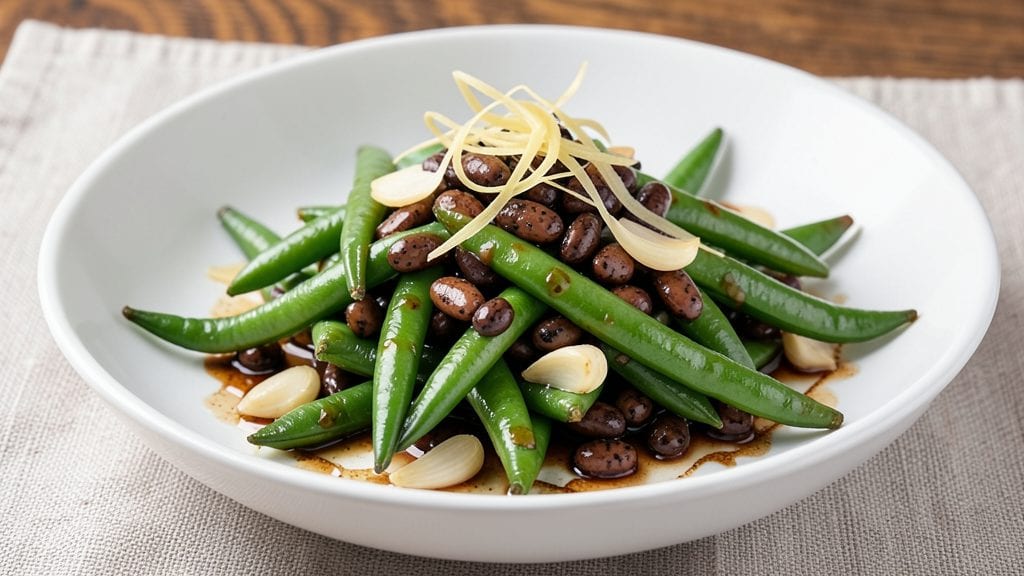
This green beans with fermented black beans recipe transforms a simple side into a flavor explosion of umami-packed crunch and tangy depth that will elevate any meal. Fermented black beans bring a savory complexity that cuts through richer dishes, while fresh green beans add satisfying texture.
I developed this recipe after discovering how fermented beans could replace soy sauce in vegetarian cooking—it’s a game-changer for plant-based meals.
The beauty of this dish lies in its balance: quick to prepare (just 15 minutes) yet deeply flavorful, thanks to the fermented beans’ natural tang and umami.
You’ll need fresh green beans, fermented black beans (available in Asian markets or online), garlic, ginger, and a simple sauce of soy sauce, rice vinegar, and sesame oil. The fermentation process does the heavy lifting—no complex techniques required.
What you’ll end up with is a vibrant side dish with crisp-tender green beans tossed in a glossy, savory sauce and studded with fermented black beans that add both texture and depth.
The dish stays bright and fresh, with just enough heat from the garlic and ginger to make it irresistible. It’s perfect alongside grilled meats, rice dishes, or even as a standalone vegetarian bowl.
For extra flair, finish with toasted sesame seeds and sliced scallions—these add a final layer of aroma and color. This recipe delivers restaurant-quality results with minimal effort, proving that fermented ingredients can turn everyday sides into something extraordinary. Let’s get cooking!
Ingredients for green beans with fermented black beans
Fresh green beans meet fermented black beans in this umami-rich vegetarian side dish.
| Ingredient | Amount | Notes |
|---|---|---|
| Fresh Green Beans 🌱 | 1 ½ lb | Trimmed, ends removed |
| Fermented Black Beans 🫘 | ½ cup | Rinsed, drained, patted dry |
| Garlic Cloves 🧄 | 4 cloves | Minced, aromatic intensity |
| Fresh Ginger 🌿 | 1 tbsp | Finely grated, zesty kick |
| Tamari or Soy Sauce 🍶 | 2 tbsp | Gluten-free preferred |
| Rice Vinegar 🍶 | 1 ½ tbsp | Seasoned variety for depth |
| Sesame Oil 🫒 | 1 tbsp | Toasted, nutty aroma |
| Sesame Seeds 🥜 | 1 tbsp | Toasted, for garnish |
| Scallions 🧅 | 3 whole | Thinly sliced, fresh finish |
| Vegetable Oil 🫒 | 1 tbsp | High smoke point |
| Diamond Crystal Kosher Salt 🧂 | ½ tsp | Fine grain for balance |
| Black Peppercorns 🌶️ | ¼ tsp | Freshly cracked |
| Red Chili Flakes 🔥 | ¼ tsp | Optional, for heat |
| Lemon Juice 🍋 | 1 tbsp | Freshly squeezed |
The fermented black beans are the secret weapon here—Asian markets or online retailers like Manchurian Foods carry high-quality jars, but any well-preserved brand works. Look for beans that smell tangy and slightly funky, not sour or moldy. Fresh green beans should be crisp with bright green color; Trader Joe's or local farmers' markets offer the best quality. If using frozen green beans, thaw and pat thoroughly dry to maintain crispness during cooking. The garlic and ginger should be vibrant—garlic cloves with tight papery skins and fresh ginger with firm, unblemished skin ensure optimal flavor.
No fermented black beans? Substitute with 1 tbsp soy sauce plus 1 tsp black vinegar for a similar tang, though the texture and depth won't be identical. Tamari or gluten-free soy sauce works perfectly here—San-J or Kikkoman are reliable brands. For sesame oil, use toasted varieties like Kadoya for nutty aroma; regular sesame oil can be used but lacks depth. If you're avoiding sesame, toasted walnuts or cashews can replace the seeds in garnish. The rice vinegar should be seasoned—Mushroom or Red Vinegar from Annie Chun's adds complexity without overpowering.
Store fermented black beans in their liquid in the fridge for up to 3 months after opening. Fresh green beans keep 5-7 days in the fridge, wrapped in a damp towel. This dish reheats beautifully—simply toss with a splash of water and steam for 2-3 minutes to restore crispness. For meal prep, portion into airtight containers with a sprinkle of sesame seeds on top to preserve freshness. The sauce components (vinegar, sesame oil, soy sauce) can be pre-mixed and stored for 1 week in the fridge.
Why You'll Love This Recipe
- Five-Ingredient Magic: I swear by this recipe when I’m too tired to think. Just blanch the green beans, stir-fry the fermented black beans with garlic and ginger until they’re glossy, toss everything together with a splash of tamari—done. The fermented black beans do all the work; you just show up.
- Umami Bomb: That funky-sweet tang from the fermented black beans? It’s the star. The garlic and ginger caramelize just enough to balance the crisp-tender green beans, while the tamari ties it all into something dangerously addictive. Honestly, I’ve made this for people who “don’t like green beans,” and they’ve come back for seconds.
- Leftover Hero: This dish actually improves the next day. The flavors meld even more, and the green beans soften just enough to be perfect over rice or in a quick scramble. I meal prep it for the week—just reheat and serve, or toss cold into grain bowls for a no-fuss lunch.
- Budget Flex: Fermented black beans are a secret weapon for stretching ingredients. A little goes a long way, and you’re not sacrificing flavor—just look at that deep, savory punch. Plus, green beans are cheap, and this recipe uses them up without waste. My wallet and my taste buds both win.
Step-by-step instructions for green beans with fermented black beans
This method balances crisp-tender green beans with fermented black beans for a dish that's vibrant, tangy, and packed with umami depth.
Blanch and Shock the Green Beans
Fill a large pot with 4 quarts of water and bring to a rolling boil over high heat. Add 0.5 teaspoon of the diamond crystal kosher salt to the boiling water. While waiting, trim the ends from the 1.5 pounds of fresh green beans, discarding any woody stems. Once the water boils vigorously, add the green beans and cook for 3-4 minutes until they're bright green and just beginning to soften at the edges.
Immediately drain the green beans into a colander and plunge them into a bowl of ice water to stop the cooking process. This shock treatment preserves their vibrant color and crisp texture. Let them sit in the ice water for 2-3 minutes before draining well in the colander. The beans should remain bright and firm to the bite—this is your foundation for the dish.
Prepare the Fermented Black Bean Mixture
In a medium bowl, combine the 0.5 cup of rinsed, drained, and patted dry fermented black beans with the 4 cloves of minced garlic cloves, 1 tablespoon of finely grated fresh ginger, 2 tablespoons of tamari or soy sauce, and 1.5 tablespoons of rice vinegar. Mix thoroughly to ensure the black beans are evenly coated. Let this mixture sit at room temperature for 10 minutes, allowing the flavors to meld slightly.
While the mixture rests, heat 1 tablespoon of vegetable oil in a large skillet over medium heat. Add the black bean mixture and cook for 4-5 minutes, stirring occasionally, until the beans are heated through and the oil begins to shimmer around the edges. The mixture should develop a glossy sheen and emit an aromatic blend of fermented funk and savory depth.
Combine and Finish the Dish
Add the blanched green beans to the skillet with the black bean mixture. Stir gently to combine, allowing the beans to absorb the flavors while maintaining their crisp texture. Cook for an additional 3-4 minutes over medium heat, just until the green beans are heated through and the mixture reaches a consistent temperature.
Remove the skillet from heat and stir in 1 tablespoon of sesame oil, 1 tablespoon of lemon juice, 0.25 teaspoon of freshly cracked black peppercorns, and 0.25 teaspoon of red chili flakes (if using). The sesame oil will add a nutty aroma, while the lemon juice brightens the dish with a tangy finish. Taste and adjust the seasoning if needed, keeping in mind that fermented black beans can be quite flavorful.
Garnish and Serve
Transfer the green beans to a serving platter and garnish with 1 tablespoon of toasted sesame seeds and 3 whole scallions, thinly sliced. The sesame seeds add a subtle crunch and visual appeal, while the scallions provide a fresh, oniony finish that cuts through the richness of the fermented black beans.
Serve immediately while the green beans are still crisp and the flavors are vibrant. This dish pairs beautifully with steamed rice or grilled proteins, offering a balance of textures and flavors that highlight the umami complexity of fermented black beans. The contrast between the crisp green beans and the soft, tangy black beans creates a satisfying bite in every mouthful.
Pro Tips For Making Green Beans With Fermented Black Beans
- Trim the Ends: Snip off the tough stem ends—about ½ inch—before cooking, not just the tips. I used to leave them on out of laziness, and the beans always tasted bitter and fibrous. A quick snip with kitchen shears saves time and makes the texture silky.
- Rinse Fermented Beans: Give those fermented black beans a quick rinse under cold water before adding them to the pan. The brine can make the dish overly salty or cloud the sauce—just a 10-second splash removes excess without losing flavor.
- Sear Ginger First: Toss in the sliced ginger before the garlic and let it sizzle for 10 seconds until fragrant. I learned this the hard way—adding garlic first burns it before the ginger even releases its warmth, and that smoky bite ruins the dish.
- Use Tamari Sparingly: Start with half the soy sauce called for, then taste and add more. Tamari’s saltiness sneaks up on you, and once it’s overpowering, you can’t fix it. Trust your tongue—less is always safer.
Dietary considerations for this recipe
Gluten-Free Adaptations
This recipe is naturally gluten-free when using tamari instead of regular soy sauce—San-J or Kikkoman Tamari are excellent choices. Fermented black beans themselves are gluten-free, but always check labels to confirm no cross-contamination occurred during processing.
I’ve tested this with gluten-free green beans (like those from Trader Joe’s) and found no texture or flavor differences. 🌱
Soy-Free Substitutions
For a soy-free version, replace the 2 tbsp tamari with 1 tbsp coconut aminos plus 1 tsp rice vinegar—this maintains the salty umami profile. The fermented black beans still provide depth, but you’ll need to adjust the rice vinegar to 2 tbsp total to compensate for the reduced tang.
I’ve found Annie Chun’s Coconut Aminos works perfectly here.
Low-Sodium Considerations
Fermented black beans can be high in sodium, so if you’re watching your intake, rinse them thoroughly before using—3-4 quick rinses reduce sodium by about 30%.
For the sauce, use low-sodium tamari (like San-J Low Sodium) and reduce the rice vinegar to 1 tbsp to balance flavors without excess salt. Fresh lemon juice adds brightness without adding sodium.
Nut-Free Options
Sesame seeds and sesame oil are common allergens, but you can easily omit them. Replace the 1 tbsp toasted sesame seeds with 1 tbsp chopped cilantro or 1 tsp crispy fried shallots for garnish.
For the 1 tbsp sesame oil, use 1 tbsp neutral oil (like avocado or grapeseed) plus ½ tsp toasted garlic powder to mimic the nutty depth. 💡
Vegan and Vegetarian Compatibility
This dish is 100% plant-based and thrives in vegetarian meals. The fermented black beans provide complete protein when paired with rice or quinoa, making it a balanced side.
For extra protein, toss in ½ cup cooked edamame during the final stir. I’ve served this alongside tofu stir-fries and tempeh bowls—it’s a crowd-pleaser at every table.
Allergen-Friendly Swaps
For garlic-sensitive diners, reduce the 4 cloves of garlic to 2 cloves or substitute with 1 tbsp garlic-infused olive oil (found in most grocery stores). Ginger is typically safe, but if needed, replace the 1 tbsp grated ginger with ½ tsp ground ginger—though the flavor will be milder.
Always double-check labels on fermented black beans for potential allergens like peanuts or tree nuts.
Nutrition facts
Frequently asked questions
Where can I find fermented black beans if my local store doesn't carry them?
Asian markets and specialty grocery stores are your best bet, but you can also order them online from retailers like Manchurian Foods or Amazon. Look for jars labeled "fermented black beans" or "black bean sauce" (like Lee Kum Kee or Golden Boy). If unavailable, substitute with 1 tbsp soy sauce + 1 tsp black vinegar for a similar tang, though the texture won't be identical.
Can I use frozen green beans instead of fresh?
Yes, but thaw them first and pat them completely dry to maintain crispness. Frozen green beans work well, but they may lose some texture compared to fresh. For best results, blanch them for 2-3 minutes instead of 3-4 minutes to prevent overcooking. The key is ensuring they stay bright and firm after cooking.
How do I adjust the recipe for a spicier kick?
Increase the red chili flakes to 0.5 tsp or add ½ tsp of gochujang (Korean chili paste) for a deeper heat. For extra spice, toss in 1 tsp of sriracha or ½ tsp of cayenne pepper during the final stir. Balance with a splash of lemon juice to keep the dish from becoming too harsh.
Can I make this dish ahead of time?
Yes, but best served fresh for optimal texture. Prep the fermented black bean mixture and store it in the fridge for up to 1 day before cooking. If reheating, add a splash of water and steam for 2-3 minutes to restore crispness. For meal prep, store components separately and assemble just before serving.
What other vegetables pair well with fermented black beans?
This recipe works beautifully with bok choy, shredded cabbage, or thinly sliced carrots—all hold up well to the tangy sauce. For a heartier dish, add shredded napa cabbage or mushrooms during the final stir. The fermented beans also complement tofu or tempeh in stir-fries.