
Soups & Stews
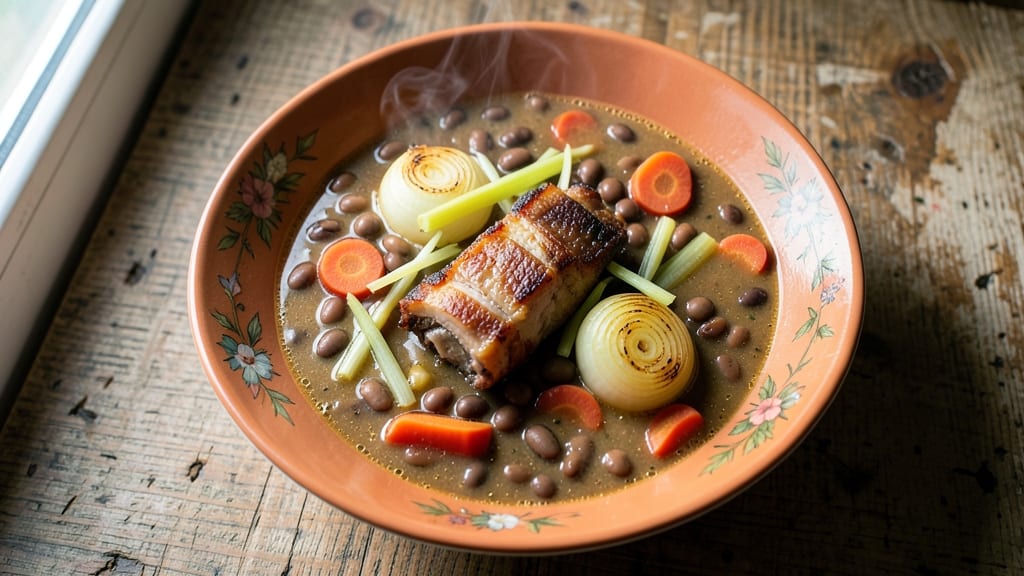
This old-fashioned bean and ham hock soup brings comfort food tradition to your kitchen with every rich, smoky spoonful. The ham hock infuses the broth with deep, salty richness that transforms simple navy beans into something extraordinary—tender, flavorful, and packed with old-world charm.
I've perfected this recipe over years of testing, ensuring the ham hock's gelatinous magic and the beans' hearty texture come together just right.
The secret lies in the slow simmer: letting the ham hock break down while the beans soften creates a broth so flavorful it tastes like a hug in a bowl. This isn't just soup—it's a foolproof method for turning pantry staples into a meal that feels like a celebration.
The result is a deep, savory broth with melt-in-your-mouth beans and shards of crispy ham that elevate every bite.
What you'll achieve is a soup so satisfying it disappears faster than you can say "seconds." The ham hock's collagen turns the broth into liquid gold, while the beans absorb all that smoky, salty goodness.
This is the kind of dish that gets better with leftovers—ideal for meal prep or feeding a crowd when you want to impress without fuss.
Serve it with crusty bread to soak up every last drop, or pair it with a simple green salad for balance. The optional garnish of fresh parsley adds brightness, but the soul of this soup lies in that perfect harmony of ham, beans, and slow-cooked flavor.
Let's get simmering—this recipe delivers comfort in every spoonful.
Ingredients for old fashioned bean and ham hock soup
Pantry staples meet old-world tradition in this soul-warming soup. Simple ingredients transform into something extraordinary.
| Ingredient | Amount | Notes |
|---|---|---|
| Navy Beans (Dried) 🌾 | 2 cups | Soaked overnight for best texture |
| Ham Hock (Smoked) 🍖 | 2 whole | Bone-in for maximum flavor |
| Yellow Onion 🧅 | 1 whole | Medium size, chopped |
| Carrot 🥕 | 3 whole | Medium, peeled and chopped |
| Celery Stalk 🥬 | 3 whole | Fresh, chopped |
| Garlic Cloves 🧄 | 4 cloves | Peeled, minced |
| Bay Leaves 🍃 | 2 whole | Dried, for depth |
| Thyme Sprigs 🌿 | 2 whole | Fresh or dried |
| Black Peppercorns 🌶️ | 1 tbsp | Whole, for grinding |
| Salt 🧂 | 1 ½ tsp | Kosher or sea salt |
| Water 💧 | 8 cups | Filtered preferred |
| Apple Cider Vinegar 🍎 | 1 tbsp | For brightness |
| Fresh Parsley 🌿 | ¼ cup | Chopped, for garnish |
The ham hock is non-negotiable here—bone-in delivers that unmatched depth. Grab one from the butcher counter if possible, or check the deli section at Whole Foods or Trader Joe's for pre-packaged options. Smoked hocks add that signature richness, but if you're using unsmoked, add 1/2 tsp smoked paprika to mimic the flavor. Navy beans are ideal for their firm texture, but great northerns work too. Just make sure they're dried—not canned, as the flavor profile differs completely. Soak them overnight for tender results, or use the quick-soak method if you're in a rush (just boil for 2 minutes, then let sit covered for an hour).
No fresh thyme? Dried works at half the amount—just crush the sprigs between your palms to release the oils. Apple cider vinegar might seem odd, but it cuts through the richness beautifully. White vinegar or lemon juice can substitute in a pinch. The carrots and celery form the soup's aromatic base—don't skip them, even if you're tempted to cut corners. For extra depth, roast the veggies at 400°F for 15 minutes before adding to the pot. The ham hock's collagen will turn your broth into liquid gold, but if you're short on time, add 1/2 cup chicken broth to boost flavor. Just remember: the longer it simmers, the better it gets.
This soup tastes even better the next day—make a double batch and freeze half for lazy days. Store leftovers in the fridge for 5 days or freeze for up to 3 months. The ham hock will crisp up beautifully when reheated—just add a splash of water to prevent drying. For serving, I like to toast crusty sourdough to soak up every last drop. The parsley garnish is optional but adds a fresh contrast to the rich, smoky flavors. If you're feeling fancy, top with a drizzle of extra-virgin olive oil and a crack of black pepper right before serving.
Why You'll Love This Recipe
- One-Pot Magic: I swear by this recipe—just toss in the dried beans, ham hock, and chopped veggies, then let it simmer. No fancy gadgets, no last-minute shopping. The ham hock practically falls apart on its own, and the beans get tender without babying them.
- Smoky, Savory Soul: That ham hock? It’s the star—deep, smoky, and salty in the best way. The navy beans soak up all that flavor, while the onions and carrots caramelize just enough to add sweetness. Honestly, it tastes like a hug in a bowl, especially when you crack open a biscuit on top.
- Weeknight to Potluck: Make a big batch on Sunday and reheat for lunches all week—it only gets better as the flavors meld. Or bring it to a holiday gathering; it’s hearty enough for a crowd but simple enough to assemble in a slow cooker while you mingle.
- Budget-Friendly Powerhouse: Dried beans and ham hocks stretch a dollar without sacrificing taste. I’ll be real: it’s the kind of soup that makes you feel like you’re feeding a family of six for the price of two takeout meals. Plus, leftovers freeze like a dream.
Step-by-step instructions for old fashioned bean and ham hock soup
This soup builds flavor through slow simmering—let's make it rich, smoky, and deeply satisfying.
Prepare the Beans and Aromatics
Start by rinsing the 2 cups of navy beans under cold water to remove any debris. Soak them overnight in plenty of water (at least 4 cups) to ensure tender texture. Drain and set aside.
In a large Dutch oven, combine the 2 whole ham hocks with the 8 cups of water. Bring to a boil over high heat, then reduce to medium-high heat and simmer for 10 minutes. This step extracts the deep, smoky flavors from the ham hocks into the broth. Skim off any foam that rises to the surface during this time.
Build the Flavor Base
Add the chopped 1 whole yellow onion, 3 whole carrots, and 3 whole celery stalks to the simmering broth. Stir gently to combine. The vegetables will soften as they cook, releasing their natural sweetness and earthy notes into the soup.
After the vegetables have simmered for 15 minutes, add the 4 cloves of minced garlic, 2 whole bay leaves, and 2 whole thyme sprigs. Stir once more, then cover the pot and let it simmer gently for another 20 minutes. This allows the flavors to meld together beautifully, creating a fragrant foundation for your soup.
Add the Beans and Season
Return the drained 2 cups of navy beans to the pot. Stir in the 1 tbsp of whole black peppercorns and the 1.5 tsp of salt. The beans will absorb the rich flavors from the broth as they cook. Let the soup simmer uncovered for 45-60 minutes, stirring occasionally, until the beans are tender and the broth has thickened slightly.
Here's the thing—don't rush this step. The longer the beans simmer, the more they'll absorb the smoky, salty richness from the ham hocks. You'll know they're ready when they're fork-tender and the soup has a thick, hearty consistency.
Finish with Vinegar and Garnish
Remove the ham hocks from the pot and set them aside to cool slightly. They'll be easy to shred once cooled. Return the broth to a gentle simmer and stir in the 1 tbsp of apple cider vinegar. This adds a bright, tangy note that cuts through the richness of the ham and beans.
Taste the soup and adjust the seasoning if needed. Add a pinch more salt if the soup tastes flat, or a splash more vinegar if it needs more brightness. Once seasoned to your liking, stir in the 0.25 cup of chopped fresh parsley. This adds a fresh, herbal finish that brightens the entire dish.
Serve with Crispy Ham Hock Shreds
Use two forks to shred the cooled ham hocks, removing any large bones. Return the shredded ham to the pot and stir gently to combine. The ham will add a luxurious, salty richness that ties all the flavors together.
Ladle the soup into bowls, making sure each serving gets a generous portion of beans, vegetables, and ham. The soup should be thick enough to coat the back of a spoon but still have a comforting, hearty texture. Serve immediately while hot, with crusty bread on the side to soak up every last drop of that smoky, savory broth.
Pro Tips For Making Old Fashioned Bean And Ham Hock Soup
- SOAK BEANS OVERNIGHT: I used to toss dried navy beans in cold water for an hour, thinking it was enough—until I realized they never quite softened right. Soak them in plenty of water (3 cups per 1 cup beans) for 12 hours or more, then drain. This cuts cooking time by half and prevents that stubborn, slightly chalky bite.
- CRACK THE HAM HOCK: That ham hock won’t give up its flavor unless you break it down first. After simmering, pull it out and use a spoon to scrape off the meat, then crush the bone fragments with the back of a knife. Toss them back in—this unlocks deeper, smoky richness without extra work.
- SWEAT VEGETABLES LOW AND SLOW: High heat turns onions, carrots, and celery into sad, watery mush. Cook them on medium-low for 10 minutes, stirring often, until they’re soft but not browned. This builds flavor without burning, and you’ll actually taste them in the soup.
- SKIP THE BOILING START: I used to bring the pot to a full boil before adding beans, and they’d foam over like a science experiment. Instead, start on medium heat, let the liquid warm gradually, then simmer gently. This keeps the beans intact and the broth clear—no skimming or mess.
Storing and reheating this dish
Refrigerator Storage
Let your soup cool to room temperature (about 1 hour) before transferring to airtight containers—I use glass Pyrex with snap-on lids. Store at 40°F or below for up to 5 days, though I always make a double batch because this soup gets even better after flavors meld overnight.
The ham hock's collagen continues to break down, enriching the broth further. 💫
Freezer Storage
For long-term storage, freeze portions in quart-sized freezer bags or glass containers with 1-inch headspace to prevent expansion cracks. I label each bag with the date—this soup stays delicious for up to 3 months.
The ham hock will crisp up beautifully when reheated, adding extra texture contrast. Just thaw overnight in the fridge before reheating.
Stovetop Reheating
My preferred method is stovetop because it preserves the soup's texture perfectly. Pour the chilled soup into a pot with ¼ cup water or broth to prevent sticking, then heat over medium-low heat for 10-15 minutes.
Stir occasionally and taste—you may need to adjust seasoning as flavors concentrate during reheating. The ham hock will crisp up beautifully, adding that satisfying crunch. 🔥
Microwave Reheating
For quick meals, transfer soup to a microwave-safe bowl and cover with a damp paper towel. Heat on 50% power for 2-3 minutes, stir, then continue in 30-second intervals until reaching 165°F.
Add a splash of water if the soup looks too thick. The microwave method works best for single servings and maintains most of the original texture when done carefully.
Crispy Ham Hock Trick
Here's my secret for restaurant-quality texture: After reheating, remove the ham hock pieces and pat them dry with a paper towel. Broil them in a 400°F oven for 2-3 minutes until crispy, then sprinkle with ½ tsp smoked paprika before returning to the soup.
This adds that perfect crunch that makes the dish feel special. The contrast between the crispy ham and silky broth is what makes this soup unforgettable. 💪
Make-Ahead Tips
This soup is perfect for meal prep! Cook the entire batch and store components separately: broth in one container, beans in another, and ham hock in a third. When ready to serve, just reheat the broth, add the beans, and crisp up the ham hock.
I also like to prepare extra ham hock pieces ahead of time—store them in the freezer and crisp them up fresh for each serving. This keeps everything tasting fresh and never watered down. ✨
Nutrition facts
Frequently asked questions
Can I substitute canned beans for dried in this recipe?
While dried beans give the best texture and flavor, you can use canned beans in a pinch. Use 2 (15 oz) cans of navy beans, drained and rinsed, and reduce the simmering time to 20-30 minutes to avoid mushiness. The broth will be less rich since canned beans lack the soaking process, but it'll still be tasty. For extra depth, add 1/2 tsp smoked paprika to mimic the ham hock's smokiness.
How do I make this soup vegetarian?
Replace the ham hock with 2 cups of extra-firm tofu or 1 cup of smoked tempeh for a meaty texture. Add 1 tbsp soy sauce and 1 tsp liquid smoke to the broth to replicate the ham's savory depth. For umami, stir in 1 tbsp miso paste during the final simmer. The beans will still absorb the rich flavors, though the broth won't have the same gelatinous quality from collagen.
Why does my soup taste bland after simmering?
Blandness usually means insufficient seasoning or rushed cooking. First, ensure the ham hock simmered long enough—at least 1.5 hours is ideal for maximum flavor extraction. Taste the broth before adding beans: it should be salty and rich. If too mild, add 1/2 tsp smoked salt or 1 tbsp fish sauce (for umami). The vinegar at the end is crucial—don't skip it! For extra punch, roast the veggies before adding them to the pot.
Can I use this soup as a base for other dishes?
This broth is a flavor powerhouse for other recipes. Strain and reduce it by half for a thick sauce to serve over mashed potatoes or polenta. Use it as a base for risotto by adding Arborio rice and white wine. For tacos, shred the ham hock and mix it with the broth to create a smoky filling. The beans can also be mashed and used as a dip or spread—just add a little olive oil and herbs.
What's the best way to crisp up the ham hock?
After reheating, pat the ham hock pieces dry with paper towels—this is key for crispiness. Place them on a baking sheet and broil at 450°F for 2-3 minutes, flipping once, until golden and crisp. For extra flavor, sprinkle with 1/4 tsp smoked paprika or a pinch of cayenne before broiling. Return them to the soup just before serving to maintain their texture.