
Side Dishes
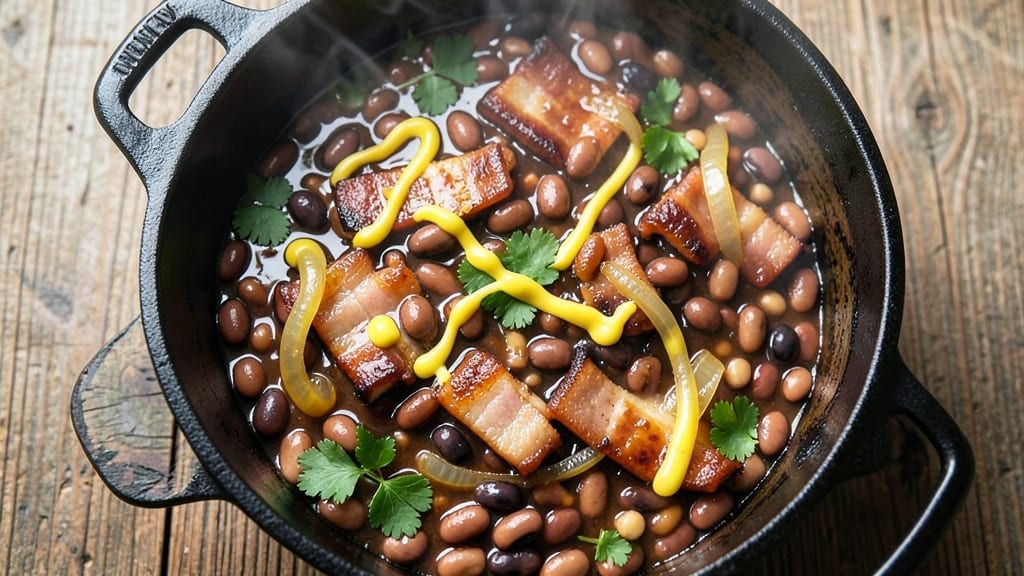
This traditional Boston baked beans recipe delivers the rich, molasses-kissed flavor that’s been a New England staple for generations—slow-cooked until the beans are tender, the bacon crisp, and every bite carries that perfect balance of sweet and smoky depth.
The secret lies in the patience: letting the beans simmer for hours while the spices meld and the molasses caramelizes into a glossy, sticky glaze.
I’ve perfected this version after years of testing, ensuring the beans stay creamy and the bacon stays perfectly crisp, just like they do at Boston’s legendary seafood shacks.
The recipe stays true to its roots with just a handful of key ingredients: navy beans, salt pork or bacon, molasses, brown sugar, and a touch of mustard for that signature tang. What makes this dish special isn’t just the flavor—it’s the tradition.
These beans were originally a way to stretch meat during long sea voyages, and today, they’re a centerpiece at gatherings, served alongside corned beef or as a hearty side. The slow cooking transforms tough beans into something luxurious, with a texture that’s both velvety and satisfying.
By the time you’re done, you’ll have a pot of beans so rich and flavorful they’ll have everyone asking for seconds. The molasses adds a deep caramel note, the bacon contributes a smoky crunch, and the spices—cinnamon, cloves, and allspice—create warmth that lingers.
This isn’t just a side dish; it’s a taste of history, a comfort food that feels like a hug in a bowl. Ready to make it? Here’s everything you need to bring that classic Boston flavor to your table.
For those looking to modernize the recipe, you can swap the bacon for smoked turkey or even use coconut bacon for a lighter touch—though purists will tell you nothing beats the real deal.
The beauty of this dish is its versatility: serve it at holiday feasts, potlucks, or as a standalone meal with crusty bread. The slow-cooked method means flavors deepen over time, so if you can, let it simmer even longer for an even more intense result. Let’s get cooking!
Ingredients for traditional boston baked beans
Six ingredients make this classic Boston baked beans dish—molasses, bacon, and spices transform simple beans into something extraordinary.
| Ingredient | Amount | Notes |
|---|---|---|
| Navy Beans (Dried) 🍲 | 2 cups | Soaked overnight, drained |
| Salt Pork or Bacon 🥓 | 1 lb | Diced, not smoked preferred |
| Molasses 🍯 | ½ cup | Unsulphured, dark preferred |
| Light Brown Sugar 🍚 | ½ cup | Packed, not granulated |
| Yellow Onion 🧅 | 1 whole | Medium size, chopped |
| Yellow Mustard 🟡 | 1 tbsp | Dijon preferred for tang |
| Ground Black Pepper 🌶️ | ½ tsp | Freshly ground preferred |
| Ground Cinnamon 🌿 | 1 tsp | Freshly ground for warmth |
| Ground Allspice 🌶️ | ½ tsp | Or 1 whole clove crushed |
| Ground Cloves 🌶️ | ¼ tsp | Freshly ground for depth |
| Kosher Salt 🧂 | 1 ½ tsp | Adjust to taste |
| Water or Beer 💧 | 4 cups | Beer adds depth, water works |
| Apple Cider Vinegar 🍎 | 1 tbsp | For brightness (optional) |
The navy beans are the foundation—dried beans give the best texture, but canned in a pinch (drained and rinsed). Costco or bulk bins usually have the best dried beans. For the bacon, salt pork is traditional, but thick-cut bacon works too. Look for unsmoked if possible—smoked bacon can overpower the dish. The molasses? Unsulphured, dark molasses from Trader Joe's or Whole Foods adds that deep, caramelized flavor. If you can't find unsulphured, sulphured will work but lacks that authentic depth. The brown sugar should be packed light brown sugar—granulated won't dissolve as smoothly.
No molasses? Maple syrup plus a pinch of baking soda gets you close, though it won't be identical. Swapping the bacon for smoked turkey or coconut bacon works if you're avoiding pork. The spices are non-negotiable—freshly ground cinnamon, allspice, and cloves make all the difference. Pre-ground spices are fine but lack punch. For the onion, yellow or sweet onions both work, but yellow adds a slight bite. The mustard? Dijon is best—American yellow mustard can make the flavor too sharp. Beer adds depth, but water works if you're avoiding alcohol—just use extra water to compensate.
This dish tastes even better the next day—flavors meld overnight like magic. Store leftovers in the fridge for up to 5 days, or freeze portions for 3 months. The beans thicken as they cool, so add a splash of water or broth if they're too stiff when reheating. For serving, keep the bacon crispy by adding it back to the beans just before serving. The molasses glaze thickens as it cools, so a quick stir with a splash of water brings it back to perfection.
Why You'll Love This Recipe
- No-Soak Needed: I swear by these beans—just toss the dried navy beans in cold water, let them simmer, and forget about prepping. That molasses and brown sugar caramelize right into a glossy, sweet-savory sauce while you’re chopping onions.
- Salty-Sweet Magic: The bacon renders down into crispy bits, and when it melts into that molasses-brown sugar mix? Pure satisfaction. It’s smoky, deep, and just a little chewy—like a hug in a bowl.
- Tailgate or Thanksgiving: I’ve served these at football games (easy to transport) and holiday feasts (they feed a crowd). The beans stay tender, the sauce clings, and no one leaves a bite behind.
- Budget Leftovers Win: A pound of dried beans costs pennies, and this recipe stretches for days. Reheat them with a splash of water, and they taste just as good cold in sandwiches or over rice. My wallet thanks me.
Step-by-step instructions for traditional Boston baked beans
Here's how to make rich, slow-simmered beans with perfect molasses depth and crispy bacon crunch.
Soak and Prepare the Beans
Place the 2 cups of navy beans in a large bowl and cover with plenty of cold water—at least 6 cups. Let them soak overnight (or at least 8 hours) to soften them properly. This step is crucial because it reduces cooking time and ensures even tenderness. After soaking, drain and rinse the beans thoroughly under cold water.
While the beans soak, dice the 1 lb of salt pork or bacon into small, even pieces—about ¼-inch cubes. The smaller the pieces, the more flavor they'll release into the beans. You'll want to use unsmoked bacon or salt pork for that authentic Boston flavor. Set the diced meat aside for now.
Build the Flavor Base
In a large, heavy pot (Dutch oven works best), combine the diced salt pork or bacon with the chopped 1 whole yellow onion. Cook over medium heat for 8-10 minutes, stirring occasionally, until the bacon begins to render its fat and the onion softens. You'll see the fat start to bubble and the onions turn translucent—this is when you know they're ready for the next step.
Once the bacon and onions are cooked, add the 0.5 cup of molasses and 0.5 cup of light brown sugar, stirring constantly to prevent burning. Let this mixture cook for 2-3 minutes until it begins to bubble and thicken slightly. This is where the deep, caramelized flavors start developing—the foundation of that classic Boston baked bean taste.
Combine All Ingredients and Simmer
Add the drained navy beans, 1 tbsp of yellow mustard, 0.5 tsp of ground black pepper, 1 tsp of ground cinnamon, 0.5 tsp of ground allspice, 0.25 tsp of ground cloves, and 1.5 tsp of kosher salt to the pot. Stir everything together, making sure the beans are well coated with the flavorful liquid. Then pour in the 4 cups of water or beer, and add the 1 tbsp of apple cider vinegar.
Bring the mixture to a gentle boil, then reduce the heat to low. Cover the pot and let it simmer for 2 hours, stirring occasionally. You'll want to keep the heat low enough that the beans barely bubble—they should simmer gently. This slow cooking allows the beans to absorb all those rich flavors while staying tender. After 2 hours, check the beans for doneness—they should be soft but still hold their shape when pierced with a fork.
Finish and Rest for Perfect Texture
If the beans still need more time (they should be tender but not mushy), continue simmering for another 30-60 minutes, stirring occasionally. The sauce should be thick and glossy, clinging to the beans. If it's too thin, uncover the pot and let it reduce for 10-15 minutes. You're aiming for a thick, jammy consistency that coats every bean.
Once the beans are perfectly tender and the sauce is just right, remove the pot from the heat. Let the beans rest for 10 minutes before serving. This resting time allows the flavors to meld together and the beans to absorb any remaining liquid. Serve warm, straight from the pot, with crusty bread to soak up every last bit of that delicious sauce.
Pro Tips For Making Traditional Boston Baked Beans
- SOAK BEANS OVERNIGHT: I learned this the hard way—skipping the soak leaves you with beans that never quite soften, no matter how long you bake them. Toss dried navy beans in a bowl with cold water, cover, and let them sit for at least 12 hours. Drain and rinse before cooking; the extra effort guarantees tender, creamy beans that hold up to hours of baking.
- CRISP THE PORK FIRST: Don’t just toss in raw salt pork and hope for the best. Cook it first in a skillet until the fat renders and the meat gets crispy—about 5-7 minutes over medium heat. Drain on paper towels to remove excess grease, then crumble it into the bean pot. This step adds depth of flavor and prevents a greasy sauce later on.
- STIR AND SKIM MIDWAY: After the first hour of baking, give the beans a good stir and skim off any foam or scum that’s risen to the top. This isn’t just about looks—it keeps the molasses from turning bitter and ensures the beans absorb the sweetness evenly. I used to ignore this, and the final dish always tasted off.
- USE A DARK POT: A black Dutch oven or dark-colored baking dish isn’t just for show—it absorbs heat better and helps caramelize the onions and sugar for a richer, deeper flavor. If you don’t have one, line a light pot with aluminum foil (shiny side up) to mimic the effect. The difference in color and taste is noticeable.
Wine and beer pairings for this dish
Boston Beer Pairings
Boston baked beans have a deep, smoky-sweet profile that pairs beautifully with local New England brews. I always reach for a Boston Lager like Samuel Adams Boston Lager—its crisp, slightly malty notes complement the molasses without overpowering the dish.
The caramel and toasted malt flavors in the beer mirror the brown sugar and molasses in the beans, creating a perfect harmony. For a darker option, try Allagash Dark Ale—its rich, roasted malt character stands up to the smoky bacon and spices. 🍺
American Pale Ale
A classic American Pale Ale with citrusy hops and a light body works wonders, especially if you prefer a brighter contrast. Brands like Harpoon IPA or Trillium Brewing Co.'s seasonal offerings bring a refreshing bite that cuts through the richness of the baked beans.
The hoppy aroma also enhances the smoky bacon notes, making every bite more complex. Look for versions with 15-25 IBUs to avoid overwhelming the dish.
Non-Alcoholic Options
If you're avoiding alcohol, New England-style hard ciders like Angry Orchard or Woodchuck provide the same crisp, slightly sweet profile without the boozy kick. For a non-alcoholic beer, Heineken 0.0 or Corona Premier offer clean, light flavors that let the beans shine.
I also love serving these beans with sparkling apple cider—its effervescence cleanses the palate between bites of rich, molasses-kissed goodness. 🍏
Wine Pairings
While beer is traditional, a bold Port-style red blend or Zinfandel can elevate the dish for wine lovers. The deep fruit notes and slight sweetness in these wines mirror the molasses and brown sugar, while their tannins balance the smoky bacon.
For something lighter, a dry Riesling with its bright acidity cuts through the richness, making each spoonful of beans taste even more vibrant.
Serving Suggestion
For the ultimate pairing experience, serve the beans with a crusty sourdough bread to soak up the sauce and a light, hoppy beer to refresh your palate. If you're grilling, pair the beans with grilled sausages or corned beef—just like they do in Boston.
The contrast of smoky meats with the sweet, slow-cooked beans is pure New England magic. 🔥
Nutrition facts
Frequently asked questions
Why do traditional Boston baked beans need to simmer for so long?
The slow cooking is essential for developing that signature deep, caramelized flavor. The molasses and brown sugar break down over 2-3 hours of simmering, creating a glossy glaze that coats every bean. This process also tenderizes the beans perfectly, transforming tough dried navy beans into something creamy and rich. Patience is key—rushing will leave them bland and mushy!
Can I use canned beans instead of dried for this recipe?
Yes, but with adjustments! Use 2 (15-oz) cans of navy beans (drained and rinsed) and reduce the cooking time to just 1 hour of simmering. Canned beans are pre-cooked, so they won’t need the long soak or extended simmer. However, dried beans develop more complex flavors over time, so purists prefer them for that authentic taste.
What’s the difference between salt pork and bacon in this recipe?
Salt pork is the traditional choice—it’s leaner, saltier, and has a cleaner flavor that lets the molasses and spices shine. Bacon adds smokiness and fat, but it can overpower the dish if not balanced. For authenticity, use unsmoked salt pork (available at butcher shops or specialty stores). If bacon is all you have, opt for thick-cut, unsmoked bacon to avoid excessive saltiness.
How do I fix beans that are too thin or watery?
Simmer uncovered for 10-15 minutes to reduce the liquid, stirring occasionally. If they’re still too thin, mix 1 tbsp cornstarch with 2 tbsp cold water, stir into the beans, and simmer until thickened. Never skip the resting time—beans thicken as they cool, so let them sit for 10 minutes before serving.
Can I make this recipe vegetarian?
Swap the bacon for smoked turkey, coconut bacon, or mushrooms (sautéed with soy sauce for umami). Use vegetable broth instead of water/beer and add 1 tbsp tomato paste for depth. The molasses and spices will still shine, but the texture will be slightly lighter. For extra richness, stir in 2 tbsp tahini at the end.