
Sauces & Condiments
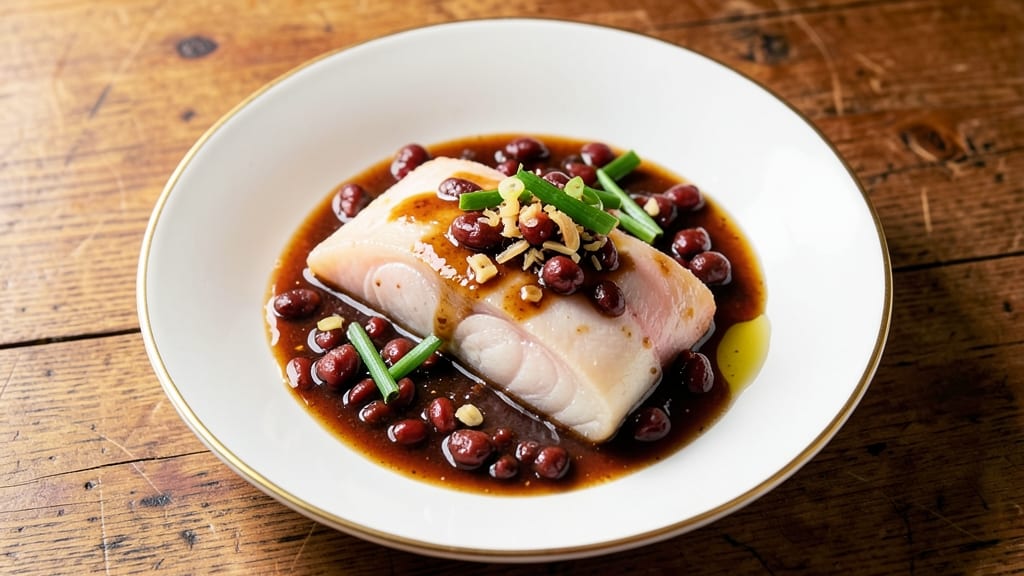
This steam fish with black bean sauce recipe delivers restaurant-quality flavor in just 25 minutes—no complicated techniques required. The secret lies in balancing tender, flaky fish with a rich, umami-packed sauce that transforms a simple steaming method into a showstopping meal.
I developed this dish after years of perfecting the harmony between delicate fish and bold black bean sauce, ensuring every bite is perfectly seasoned without overpowering the natural taste.
The process is straightforward yet precise: you'll clean and season the fish, then steam it to perfection while simultaneously simmering the black bean sauce until it reaches the ideal consistency—thick enough to coat the fish but still glossy and vibrant.
The sauce combines fermented black beans, soy sauce, and aromatic spices to create a deep, savory flavor that pairs beautifully with the fish's natural sweetness. This method ensures the fish stays moist and flaky while absorbing just enough sauce to make every bite irresistible.
By the time you plate this dish, you'll have a presentation-worthy meal with tender fish resting atop a glossy black bean sauce, garnished with fresh herbs or a sprinkle of sesame seeds for added texture.
The sauce's rich color and aroma alone will draw everyone to the table, while the first bite delivers a perfect balance of umami, saltiness, and subtle sweetness. Serve it over steamed jasmine rice to soak up every last drop of that flavorful sauce—this is comfort food elevated to fine dining.
What makes this recipe particularly versatile is its adaptability—swap in different types of white fish like cod, halibut, or snapper, or adjust the sauce's spice level to suit your taste.
The technique scales easily for weeknight dinners or special occasions, making it a go-to for anyone who wants restaurant-quality results without the fuss. Let's get started on creating this umami-packed masterpiece.
Ingredients for steam fish black bean sauce
Fifteen ingredients crafting restaurant-quality harmony in one pan—no shortcuts needed.
| Ingredient | Amount | Notes |
|---|---|---|
| White Fish Fillets 🐟 | 1 ½ lb | Cod, halibut, or snapper preferred |
| Fermented Black Beans 🫘 | ½ cup | Drained and rinsed thoroughly |
| Light Soy Sauce 🍶 | ¼ cup | Kikkoman preferred for balance |
| Garlic Cloves 🧄 | 4 cloves | Minced finely for depth |
| Ginger Root 🌿 | 1 tbsp | Freshly grated, not powdered |
| Green Onions 🧅 | 3 whole | White and green parts separated |
| Sesame Oil 🫒 | 1 tbsp | Toasted, for aroma |
| Dried Shiitake Mushrooms 🍄 | 2 whole | Rehydrated in hot water |
| Cornstarch 🌾 | 1 tsp | For sauce thickening |
| Water 💧 | ½ cup | For steaming and sauce |
| White Rice Vinegar 🍶 | 1 tbsp | Balances umami flavors |
| Sugar 🍯 | 1 tsp | Brown sugar for depth |
| Sesame Seeds 🌱 | 1 tsp | Toasted for garnish |
| Fresh Cilantro 🌿 | ¼ cup | Chopped for garnish |
| Vegetable Oil 🫒 | 1 tbsp | For light searing |
The fish is your foundation, so prioritize quality. Whole Foods or local seafood markets offer the freshest fillets—look for vibrant color and firm texture. If using frozen, thaw overnight in the fridge. Fermented black beans are essential for authentic umami; Asian markets carry them in jars or cans, but check the label for no added preservatives. Fresh ginger and shiitake mushrooms amplify the sauce's depth—Penzeys Spices has excellent dried shiitake if you prefer convenience. For the garlic, peel and mince just before cooking to preserve freshness, and keep the green onion whites for the sauce while reserving the greens for garnish.
No fermented black beans? Substitute 2 tbsp soy sauce plus 1 tsp fish sauce for umami, though the texture will differ. Swap dried shiitake for 2 tbsp mushroom powder if needed, but the earthiness won't be identical. Fresh ginger can be replaced with 1/2 tsp ground ginger plus 1/4 tsp lemon juice for brightness. For a quicker prep, use pre-minced garlic from a jar (though fresh is superior), and if sesame oil is unavailable, 1/2 tsp toasted sesame seeds in the sauce will add subtle nuttiness. The cornstarch can be omitted if your sauce thickens naturally, but it ensures that perfect glossy finish.
Store leftover fish and sauce separately in airtight containers for up to 3 days—reheat gently to avoid drying. The sauce freezes beautifully for 3 months, but add a splash of water when reheating to restore thickness. For presentation, arrange fish over steamed jasmine rice and drizzle with extra sauce, then sprinkle with toasted sesame seeds and cilantro. Garnish with sliced green onions for freshness. The dish reheats best in a steamer basket over simmering water to maintain moisture.
Why You'll Love This Recipe
- One-Pan Magic: I swear by this for lazy nights—just toss fish, black beans, and aromatics into a steamer basket over boiling water, then walk away. No flipping, no frying, no stress. The sauce clings to the fish like it’s meant to be there, and cleanup? One bowl to rinse.
- Umami Bomb: That fermented black bean paste is where the real magic happens—deep, funky, slightly sweet, and so satisfying. A splash of soy sauce and minced garlic turns it from good to "I need seconds" in minutes. Honestly, the first time I tasted it, I immediately texted my mom to make more.
- Weeknight Workhorse: Steamed fish feels fancy but takes zero effort—perfect for when you’ve got friends over but don’t want to slave away. Serve it with rice and a quick salad, or let it star as a cold lunch the next day. My college apartment survived on this for months.
- Budget-Friendly Luxury: White fish is affordable, black beans stretch the flavor, and a few cloves of garlic make it feel gourmet. I’ve made this for under $10 and still felt like I’d treated myself. Plus, leftovers reheat beautifully—just a splash of water to steam them back to perfection.
Step-by-step instructions for steaming fish with black bean sauce
This method delivers tender, flaky fish with a rich, umami-packed sauce in under 30 minutes.
Prepare the Black Bean Sauce Base
In a small bowl, combine the 0.5 cup fermented black beans, 0.25 cup light soy sauce, 1 tbsp white rice vinegar, 1 tsp sugar, 4 cloves minced garlic, and 1 tbsp freshly grated ginger root. Mash the black beans lightly with a fork to create a thick paste—this ensures even distribution of flavor. The mixture should be smooth but still hold some texture. Set this aside while you prepare the remaining ingredients.
This sauce forms the heart of the dish, delivering deep umami and a perfect balance of tangy, sweet, and savory notes. If you notice any excess liquid, press the mixture through a fine-mesh sieve to remove it—this prevents a watery sauce later. The black beans should be thoroughly drained and rinsed beforehand to remove any bitterness.
Rehydrate and Sauté the Shiitake Mushrooms
Place the 2 whole dried shiitake mushrooms in a heatproof bowl and pour 0.5 cup hot water over them. Let them soak for 10 minutes until softened and pliable. While they rehydrate, heat 1 tbsp vegetable oil in a large skillet or wok over medium heat. Add the rehydrated mushrooms, discarding the soaking liquid, and sauté for 3-4 minutes until they release their moisture and develop a slightly caramelized edge.
The mushrooms should reduce to about ½ cup in volume, releasing their earthy, meaty essence into the pan. This step builds depth of flavor that complements the fish beautifully. If the mushrooms stick, stir gently with a wooden spoon to lift them from the bottom of the pan—this prevents burning and ensures even cooking.
Steam the Fish with the Sauce
Place the 1.5 lb white fish fillets skin-side down in a heatproof dish that fits snugly over your skillet or wok. Arrange the fillets in a single layer, leaving ½-inch gaps between each piece for even steaming. Pour the black bean sauce mixture evenly over the fish, ensuring each fillet is coated. Bring the skillet to a simmer over medium-low heat, then carefully place the dish with the fish on top. Cover tightly with a lid or foil.
Steam the fish for 8-10 minutes, depending on thickness, until the fish flakes easily with a fork and the internal temperature reaches 145°F. The steam should create a gentle, even heat that cooks the fish through without drying it out. Avoid peeking during this time—each time you lift the lid, you release valuable steam and extend cooking time. You'll know it's done when the flesh turns opaque and pulls away cleanly from the bones.
Finish with Aromatics and Garnish
Remove the fish from the steamer and transfer it to a serving platter. Pour the black bean sauce from the skillet into a small saucepan and bring to a gentle simmer over low heat. Stir in 1 tsp cornstarch mixed with 2 tablespoons of water to thicken the sauce slightly. Simmer for 1-2 minutes until the sauce coats the back of a spoon. Remove from heat and stir in 1 tbsp toasted sesame oil and 1 tsp toasted sesame seeds for added aroma and texture.
Garnish the fish with the white and green parts of the 3 whole green onions, sliced separately, and the 0.25 cup chopped fresh cilantro. Serve the fish immediately, drizzling the finished sauce generously over the top. The contrast of the bright green garnishes against the deep umami sauce creates a visually stunning dish that's as beautiful as it is flavorful.
Plate and Serve with Confidence
Arrange the fish fillets on a platter, fanning them slightly to showcase their flaky texture. Spoon the black bean sauce around the fish, allowing it to pool attractively on the plate. The sauce should cling to the fish, creating a glossy, inviting appearance. Serve immediately with steamed jasmine rice or crusty bread to soak up every last bit of the rich, flavorful sauce.
Each bite should deliver tender, flaky fish with a perfect balance of sweet, tangy, and umami flavors from the black bean sauce. The mushrooms add an earthy depth, while the sesame oil and seeds provide a nutty finish. This dish is a celebration of simple ingredients transformed into something extraordinary through careful technique and attention to detail.
Pro Tips For Making Steam Fish Black Bean Sauce
- PREP BEANS RIGHT: Rinse fermented black beans in cold water for 10 seconds—just enough to remove surface starch. Over-rinsing dulls their funky, umami depth, and you want that flavor cutting through the fish. (Yes, they’ll still smell strong, but that’s the point.)
- SEAR GINGER FIRST: Toss minced ginger into dry, hot oil for 20 seconds before adding garlic—it crisps slightly and deepens the aroma. I learned this the hard way when my sauce tasted flat because the ginger just dissolved into the sauce instead of singing.
- DON’T OVERSTEAM FISH: Pull fish when the center hits 120°F (49°C)—it’ll keep cooking from residual heat. Oversteaming turns it rubbery, and no one wants sad, dry fish drowning in a rich sauce. A quick poke with a skewer tells you everything.
- SALT SAUCE LAST: Stir in light soy sauce after the black beans have softened, not at the start. The salt draws out moisture early, and you’ll end up with a watery mess instead of a glossy, clinging sauce. Trust me, the beans can handle the salt later.
Troubleshooting your steam fish black bean sauce
Sauce Too Thin?
If your black bean sauce turns out too thin after steaming, the issue is likely excess liquid from the fermented beans or mushrooms. To fix it, press the sauce through a fine-mesh sieve to remove excess liquid before steaming.
For future attempts, use 1 extra tsp cornstarch in the sauce mixture. If already cooked, simmer the sauce uncovered over medium heat for 3-4 minutes to reduce it naturally. 🌡️
Fish Overcooked?
Fish becomes overcooked when steamed too long or at too high a temperature. For perfect results, maintain a gentle simmer at medium-low heat and steam for exactly 8-10 minutes (depending on thickness).
Use an instant-read thermometer to check for 145°F internal temperature. If you peek too often, the fish will dry out—resist the urge to lift the lid during cooking. 🐟
Mushrooms Too Bitter?
Dried shiitake mushrooms can develop bitterness if overcooked or not rehydrated properly. Always soak them in hot water for 10 minutes before sautéing, and discard the soaking liquid.
If bitterness persists, reduce sautéing time to 2-3 minutes over medium heat. For milder flavor, use fresh shiitake mushrooms instead of dried. 🍄
Sauce Too Salty?
If the sauce tastes overly salty, it's usually from the fermented black beans or soy sauce. To balance it, add 1 tbsp white rice vinegar or ½ tsp sugar to brighten flavors.
If needed, thin with 1-2 tsp water and simmer to reduce again. For future batches, reduce soy sauce to ¼ cup and taste before steaming. 💧
Fish Not Flaky?
Flaky fish requires proper cooking technique and fresh ingredients. Ensure your fish fillets are skin-side down during steaming, and don't overcook—steam only until the flesh turns opaque (145°F internal temperature).
If using frozen fish, thaw it completely in the fridge first. For extra tenderness, add ½ tsp baking soda to the water in your steamer basket before cooking. ✨
Black Beans Too Strong?
Fermented black beans can overpower delicate fish flavors if not balanced properly. To mellow their intensity, rinse them thoroughly before using. Add 1 tbsp white rice vinegar and ½ tsp sugar to the sauce mixture to brighten flavors.
For a milder taste, reduce the amount to ¼ cup fermented beans and supplement with 1 tbsp soy sauce. 🌿
Nutrition facts
Frequently asked questions
Can I substitute other types of beans for fermented black beans?
Fermented black beans are essential for authentic umami flavor, but in a pinch, you can use ½ cup regular black beans (soaked overnight) plus 1 tbsp soy sauce and 1 tsp fish sauce to mimic the depth. For a milder taste, try adzuki beans (soaked and lightly mashed) with an extra ½ tsp sugar to balance. The texture won't be identical, but the flavor will still be rich and satisfying.
How do I know when the fish is perfectly cooked?
Your fish is done when it reaches an internal temperature of 145°F and flakes easily with a fork. For visual cues, look for opaque flesh that pulls away cleanly from the bones—it should no longer look translucent. Steaming for 8-10 minutes (depending on thickness) is ideal; avoid peeking during cooking to maintain even heat.
Can I make this dish ahead of time?
Prepare the black bean sauce up to 1 day ahead and store it in an airtight container in the fridge. For the fish, steam it just before serving to maintain perfect texture. Reheat the sauce gently over low heat with a splash of water to restore thickness. Assemble the dish last minute for the best results—this ensures the fish stays tender and flaky.
What’s the best way to serve this dish?
Plate the fish over steamed jasmine rice to soak up the rich sauce, then drizzle generously with the black bean mixture. Garnish with toasted sesame seeds, chopped cilantro, and sliced green onions for freshness. For extra presentation, arrange the fish on a bed of rice and pool the sauce artistically around it. Serve immediately with a side of steamed bok choy or a simple cucumber salad.
Why does my sauce separate or look grainy?
Graininess often happens when black beans aren’t mashed smoothly or cornstarch isn’t mixed well. Mash the beans thoroughly with a fork before combining with other ingredients, and whisk the cornstarch slurry vigorously. For a smoother sauce, strain it through a fine-mesh sieve before steaming. If it separates later, simmer gently while stirring until it thickens again.