Main Courses
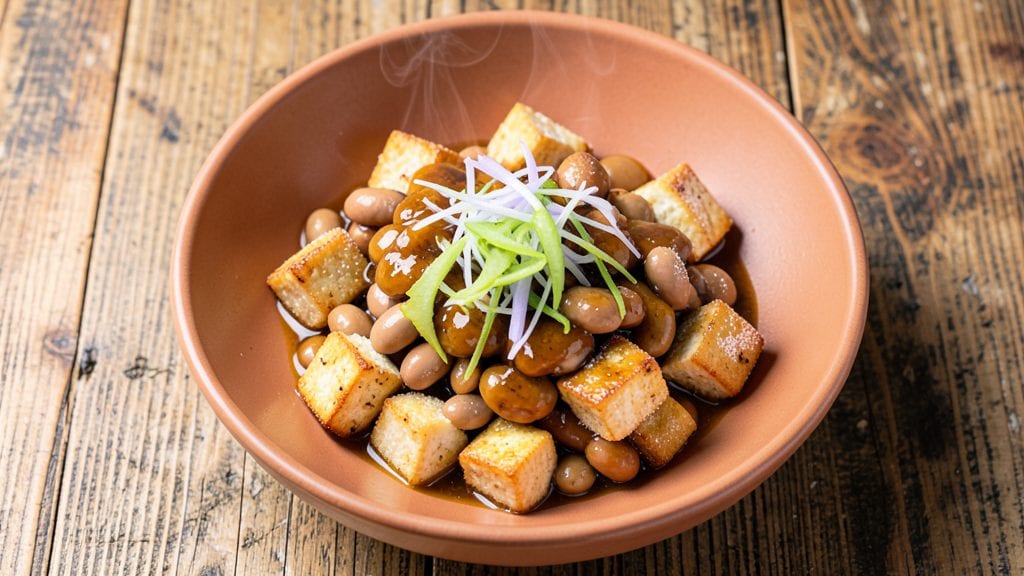
This crispy-fried soya bean recipe transforms humble soybeans into a crunchy, umami-packed dish that rivals any restaurant favorite. The secret lies in double-frying for maximum texture—first to set the exterior, then to achieve that addictive golden crunch.
I developed this after struggling to find a vegan dish that delivered both satisfying crunch and deep savory flavor without relying on processed ingredients.
The process begins with whole soybeans (or firm tofu cubes) coated in a simple cornstarch mixture, ensuring they develop that signature crispy shell. A homemade soy-ginger sauce ties everything together, balancing sweet, spicy, and umami notes perfectly.
What makes this recipe stand out is how it elevates simple ingredients into something restaurant-quality without requiring special equipment.
By the end, you'll have a dish that's irresistibly crispy on the outside with tender, flavorful centers—each bite packed with that satisfying crunch and rich soy flavor. The sauce clings beautifully, adding layers of complexity that make this more than just a side dish.
Serve with steamed rice or fresh vegetables for a complete meal that feels special yet comes together in under 45 minutes.
This recipe works equally well as a main course or appetizer, and the leftovers reheat beautifully for quick meals later in the week. The technique is straightforward but delivers professional results every time—no shortcuts, just proven methods that create that perfect texture contrast. Let's get cooking!
Ingredients for soya bean
Transform humble soybeans into restaurant-quality crispy bites with this umami-packed vegan recipe.
| Ingredient | Amount | Notes |
|---|---|---|
| Whole Soya Beans (Dried) 🌱 | 1 ½ cups | Rinsed and soaked overnight |
| Firm Tofu Cubes 🧀 | 1 lb | Extra-firm, cut into 1-inch cubes |
| Cornstarch 🌾 | 2 cups | For ultra-crispy exterior |
| Vegetable Oil 🫒 | 3 cups | High smoke point, like avocado |
| Tamari or Soy Sauce 🍶 | ½ cup | Gluten-free tamari preferred |
| Fresh Ginger 🌿 | 3 tbsp | Finely grated, aromatic |
| Maple Syrup 🍯 | 2 tbsp | Pure, grade B preferred |
| Sesame Oil 🥜 | 1 tbsp | Toasted, for aroma |
| Garlic Cloves 🧄 | 4 cloves | Minced, fresh preferred |
| Red Chili Flakes 🌶️ | 1 tbsp | Adjust for heat preference |
| White Rice Vinegar 🍶 | 1 tbsp | For tangy balance |
| Diamond Crystal Kosher Salt 🧂 | 1 ½ tsp | Fine grain for even seasoning |
| Toasted Sesame Seeds 🥜 | 2 tbsp | For garnish, optional |
| Steamed Jasmine Rice 🍚 | 2 cups | Cooked, for serving |
The foundation starts with whole dried soybeans—soak them overnight to soften without pre-cooking, which ensures they maintain their structural integrity during frying. For convenience, extra-firm tofu cubes work as a substitute, though they won't have the same texture. Costco or Asian markets typically carry high-quality dried soybeans in bulk; look for organic varieties with a vibrant, earthy aroma. The cornstarch coating is non-negotiable—it creates that signature double-fried crunch. Use Bob's Red Mill cornstarch if possible, as it has a finer grain that adheres better than standard cornmeal.
No tamari on hand? Regular soy sauce works in a pinch, though tamari's deeper umami flavor elevates the dish. Fresh ginger is ideal, but powdered ginger at half the amount suffices if you're short on time. The sauce balance hinges on the maple syrup to vinegar ratio—adjust to taste, but aim for a 2:1 sweet-to-acid profile. For extra depth, a splash of rice wine (like mirin) can replace half the maple syrup. The sesame oil should be toasted—Trader Joe's or Whole Foods carry excellent options, or lightly toast regular sesame oil in a dry pan for 30 seconds.
Pre-fried soybeans can be stored in an airtight container for 3 days at room temperature, though texture degrades after 24 hours. The sauce keeps for 1 week refrigerated or 3 months frozen—portion into ice cube trays for easy reheating. For best results, fry in small batches to maintain oil temperature at 350°F. The double-fry technique (once at 300°F, again at 375°F) is crucial—it locks in moisture while creating that addictive crunch. Serve immediately over steamed rice to preserve texture.
Why You'll Love This Recipe
- No-Soaking Needed: I swear by this trick—just toss the dried soya beans in boiling water for 10 minutes, then simmer until tender. No overnight soaking, no fuss, and they still turn out tender enough to bite into.
- Crispy-Creamy Magic: The tofu cubes get that golden, shatteringly crispy crust from the cornstarch toss, while the soya beans stay hearty and slightly chewy inside. That contrast? Absolute perfection with every bite.
- Meal Prep MVP: Between us, this keeps better than takeout. The crispy tofu stays crunchy for days if you store it right, and the beans hold up in salads, stir-fries, or even cold rice bowls—no reheating required.
- Pantry Powerhouse: Honestly, the ingredients cost me less than half a takeout order, and I’ve fed four people with leftovers for days. Tamari adds depth without breaking the bank, and dried beans? Always cheaper than fresh.
Step-by-step instructions for crispy-fried crunch with umami-packed sauce
Transform ordinary soya beans into golden, shatteringly crisp bites paired with a rich umami sauce.
Prepare the Soya Beans for Frying
Begin by draining and thoroughly rinsing the 1.5 cups whole soya beans (dried) under cold water to remove any debris. Transfer them to a large bowl and cover with 4 cups cold water (double the bean volume). Let them soak overnight at room temperature—this rehydration step is crucial for even cooking and crispiness. The beans should swell noticeably and feel tender when pressed between fingers.
After soaking, drain the beans again and pat them completely dry with paper towels. This step prevents steam from interfering with the frying process and ensures maximum crispiness. Arrange them on a wire rack and let them air-dry for 30 minutes while you prepare the remaining components. The beans should feel dry to the touch and be ready for coating.
Create the Crispy Coating and Sauce Base
In a shallow bowl, combine the 2 cups cornstarch with 1.5 teaspoons diamond crystal kosher salt and 1 tablespoon red chili flakes. This dry mixture will create the ultra-crispy exterior we're after. In a separate bowl, whisk together the 0.5 cup tamari or soy sauce, 2 tablespoons maple syrup, 1 tablespoon white rice vinegar, and 1 tablespoon sesame oil to form the sauce base. Set both mixtures aside while you fry the tofu.
Heat 3 cups vegetable oil in a deep fryer or heavy pot to 350°F. Cut the 1 lb firm tofu cubes into even 1-inch pieces—consistent size ensures uniform cooking. Working in batches, gently press each tofu cube into the cornstarch mixture until fully coated, tapping off any excess. Fry for 3-4 minutes until golden brown and crispy, turning occasionally. Transfer to a paper towel-lined plate to drain excess oil.
Fry the Soya Beans to Crispy Perfection
Increase the oil temperature to 375°F for the beans. Working in batches to avoid crowding, carefully add the dried soya beans to the hot oil. Fry for 4-5 minutes until they develop a deep golden color and achieve a satisfying crunch. You'll notice they puff up slightly as they cook—this is normal and indicates proper hydration. Remove with a slotted spoon and drain on paper towels.
Here's the key: the beans should be crisp enough to shatter slightly when pressed between fingers. If they feel soft in the center, return them to the oil for 30-60 seconds until properly set. The exterior should resemble toasted nuts with a slight sheen from the oil. Keep them warm in a 200°F oven while you prepare the final sauce.
Assemble the Umami-Packed Sauce
In a small saucepan, combine the prepared sauce base with 3 tablespoons finely grated fresh ginger and 4 cloves minced garlic. Bring to a gentle simmer over medium-low heat and cook for 5-7 minutes until the mixture thickens slightly and aromatic compounds develop. The sauce should coat the back of a spoon and have a glossy appearance. Taste and adjust seasoning with additional tamari or soy sauce if needed.
While the sauce simmers, combine the crispy fried soya beans and tofu cubes in a large bowl. Drizzle with the warm sauce and gently toss until every piece is evenly coated. Sprinkle with 2 tablespoons toasted sesame seeds for added texture and aroma. Serve immediately over 2 cups steamed jasmine rice to capture that perfect crunch while the sauce remains warm and fluid.
Serve with Maximum Crunch
Transfer the crispy mixture to serving plates directly over the steamed jasmine rice. The contrast between the hot rice and crispy beans creates an irresistible temperature play. Garnish with an additional sprinkle of toasted sesame seeds and serve while the beans maintain their shatteringly crisp texture. Each bite should deliver that satisfying crunch followed by the umami-rich sauce melting on your tongue.
For best results, consume immediately as the beans will soften slightly as they cool. If storing, keep the components separate in an airtight container for up to 2 days—reheat the sauce separately and fry the beans fresh for maximum crispiness. The combination of textures and flavors makes this dish perfect for meal prep or special occasions.
Pro Tips For Making Soya Bean
- SOAK BEANS OVERNIGHT: Dried soybeans are stubborn—don’t rush them. A 12-hour soak (yes, overnight) in cold water with a pinch of baking soda softens them properly. I used to cut it to 8 hours and still ended up with chewy, undercooked beans. Trust the process.
- DON’T SKIP THE BOIL: High heat first, then low and slow. Bring the soaked beans to a rolling boil for 2 minutes to blast off excess starch—this keeps them from turning gluey. After that, drop to a simmer for 1.5–2 hours. Skipping the boil? Your dish will taste flat and mushy.
- COAT TOFU THICKLY: Cornstarch is your friend, but don’t be shy. Toss the tofu cubes in 2 tablespoons of cornstarch per pound—press it in so it sticks. I learned this after my first batch came out soggy and underwhelming. The extra coating makes all the difference when frying.
- SAVE THE SOAK WATER: That starchy soak water isn’t waste—it’s flavor. Reserve ½ cup, reduce it by half in a saucepan, then mix it into your tamari or soy sauce for a deeper, umami-rich glaze. I was skeptical until I tried it, and now I never throw it out.
Essential equipment for perfect results
Deep Fryer Essentials
For this recipe, a deep fryer is ideal because it maintains consistent oil temperature—the key to perfect crispiness. I use a Ninja Foodi Deep Fryer (holds 3.5 quarts) for its precise temperature control and safety features.
If you don’t have one, a heavy-bottomed Dutch oven (like Le Creuset) works just as well—just monitor the oil temperature closely with a thermometer. Never exceed 375°F for the final fry, as higher temps can burn the coating before the interior cooks through. 🌡️
Thermometer Accuracy
Invest in a digital instant-read thermometer—I recommend the ThermoWorks Thermapen ONE—to avoid guessing oil temperatures. The difference between 350°F (first fry) and 375°F (second fry) is critical for texture. A cheap pop-up thermometer can be off by 20°F, leading to soggy results.
Place the thermometer in the oil for 30 seconds before frying to get an accurate reading. Pro tip: Keep a small bowl of flour nearby to absorb excess oil drips from the thermometer probe.
Cornstarch Coating Setup
A wire mesh strainer (like OXO Good Grips) is perfect for draining soaked beans and tofu cubes before coating. For the cornstarch mixture, use a shallow glass or ceramic bowl—metal can make the coating clump.
I like to add 1 tablespoon rice flour to the cornstarch for extra stickiness, especially if your kitchen is humid. A small whisk helps distribute the chili flakes and salt evenly in the coating. 🥄
Oil Management Tools
Line your counter with paper towels (or a wire cooling rack) to drain fried beans and tofu—this prevents sogginess from trapped steam. For oil disposal, keep a metal can with a lid (like a coffee can) nearby to safely cool and store used oil.
Never pour hot oil down the drain! A fine-mesh sieve helps strain any food particles from the oil before reheating for subsequent batches. I also keep a small ladle handy to transfer oil between pots if your fryer doesn’t have a spout.
Sauce Simmering Gear
Use a small stainless-steel saucepan (like All-Clad) for the sauce—it heats evenly and won’t react with acidic ingredients. A wooden spoon prevents scratching the pan while stirring. For grating ginger, a microplane yields finer, more aromatic results than a box grater.
If you’re short on time, pre-minced garlic works, but fresh is always better. A fine-mesh sieve strains any unwanted pulp from the sauce if needed. 🍶
Serving Presentation
Serve the dish on a slate board or ceramic platter to highlight the golden color. A small serving spoon helps portion the crispy beans neatly over rice. For garnish, toast sesame seeds in a dry skillet over medium heat for 2-3 minutes until fragrant.
Store leftovers in airtight glass containers (like Pyrex) to preserve crispiness—just reheat the sauce separately and fry beans fresh when ready to eat. 🍽️
Nutrition facts
Frequently asked questions
Can I substitute tofu for whole soybeans in this recipe?
Yes, you can use extra-firm tofu cubes as a substitute, but the texture will differ slightly. The recipe calls for both tofu and soybeans to create a contrast—crispy fried tofu adds a meatier bite while the beans provide that satisfying crunch. For a tofu-only version, increase the tofu to 1.5 lbs and reduce the cornstarch coating to 1.5 cups to maintain crispiness.
How do I store leftover crispy soybeans?
Store the fried soybeans and tofu cubes in an airtight container at room temperature for up to 3 days, but they'll lose some crispiness after 24 hours. For longer storage, freeze them for 1 month—reheat in a 375°F oven for 5-7 minutes to restore crunch. Keep the sauce separate and refrigerate for 1 week or freeze for 3 months. Always reheat sauce separately and fry fresh for maximum crispiness.
Why did my soybeans turn out soggy instead of crispy?
Soggy results usually happen from one of three issues: incomplete drying before frying, oil temperature too low (350°F minimum), or overcrowding the fryer. Double-check that beans are thoroughly dried after soaking, and fry in small batches to maintain oil temperature. For extra insurance, try the double-fry method—first at 300°F for 2 minutes, then at 375°F for 3-4 minutes.
Is this recipe gluten-free?
Yes, this recipe is naturally gluten-free if you use gluten-free tamari instead of regular soy sauce. All other ingredients—cornstarch, rice vinegar, and sesame oil—are gluten-free. Double-check your cornstarch brand, as some may contain wheat additives. For extra safety, use a dedicated fryer or thoroughly clean equipment if you've previously fried gluten-containing foods.
Can I make this recipe without a deep fryer?
Use a heavy-bottomed pot with at least 3 cups oil and a thermometer to monitor temperature. A Dutch oven works best as it maintains consistent heat. Keep batches small (4-5 pieces at a time) to avoid temperature drops. For air fryer versions, reduce oil to 1 tablespoon per piece and cook at 375°F for 10-12 minutes, shaking halfway.