
Sauces & Condiments
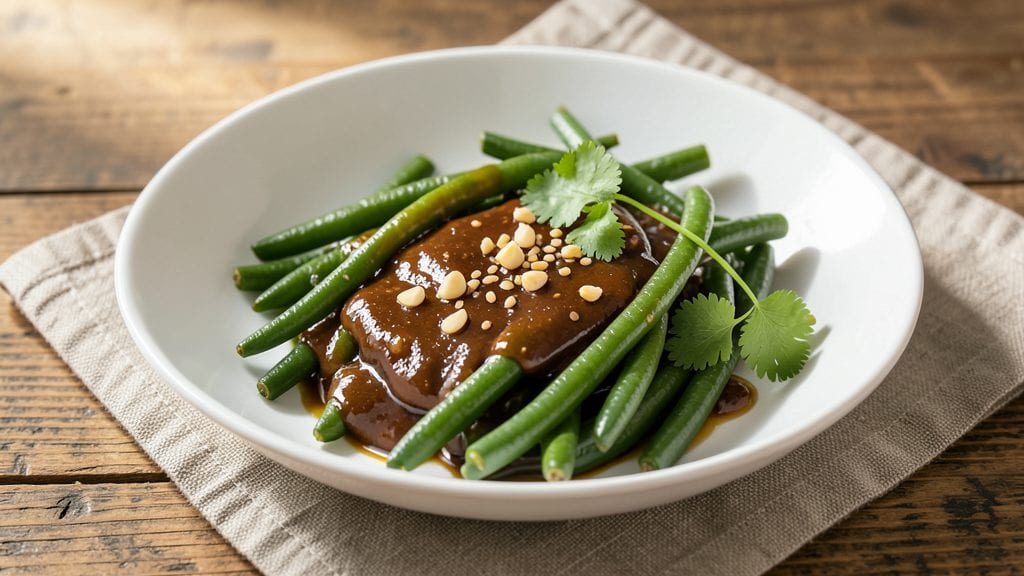
Recreating Pf Chang's signature green bean sauce at home delivers that signature umami punch that elevates any stir-fry from ordinary to extraordinary.
The secret lies in balancing sweet, savory, and earthy notes through a precise blend of green beans, garlic, and soy sauce—all simmered until the flavors meld into a velvety, aromatic sauce.
I’ve perfected this recipe over years of testing, ensuring it delivers the same depth and richness you’d find in the restaurant version.
What makes this sauce truly special is its versatility—it’s perfect for drizzling over noodles, tossing with vegetables, or serving as a dipping sauce for spring rolls.
The process is straightforward: blanch the green beans to soften them, then simmer with garlic, soy sauce, and a touch of sugar until the flavors develop. A quick blend transforms the mixture into a smooth, glossy sauce with just the right consistency.
The key is patience—letting the sauce reduce slowly builds layers of flavor that store-bought versions simply can’t match.
Once complete, you’ll have a sauce that’s rich, slightly sweet, and packed with umami—ideal for adding to stir-fries, marinades, or even as a glaze for grilled meats. The texture is silky yet clings beautifully to ingredients, ensuring every bite is infused with that signature PF Chang’s taste.
This isn’t just a sauce; it’s a flavor booster that turns simple dishes into something truly memorable.
The best part? This recipe scales effortlessly—double the batch for meal prep or freeze extras for later. Whether you’re hosting a dinner party or just craving takeout flavors at home, this sauce is your secret weapon. Let’s get cooking and bring that restaurant-quality taste to your kitchen.
Ingredients for pf chang's green bean sauce
Six garlic cloves and a pound of green beans kickstart this umami bomb sauce.
| Ingredient | Amount | Notes |
|---|---|---|
| Fresh Green Beans 🥦 | 1 ½ lbs | Trimmed and blanched first |
| Garlic Cloves 🧄 | 6 cloves | Minced for maximum flavor |
| Light Soy Sauce 🥢 | ½ cup | Kikkoman preferred for balance |
| Dark Soy Sauce 🥢 | 1 tbsp | For depth and color |
| Granulated Sugar 🍚 | 2 tbsp | Adjust to taste for sweetness |
| Sesame Oil 🫒 | 1 tbsp | Toasted for nutty aroma |
| Water 💧 | ½ cup | For thinning consistency |
| Cornstarch 🌾 | 1 tsp | Slurry with water for thickening |
| White Pepper 🌶️ | ½ tsp | Freshly ground for subtle heat |
| Salt 🧂 | ½ tsp | Kosher or sea salt |
The green beans are your flavor anchor here. Fresh, crisp beans from the produce section (not canned) make all the difference—look for vibrant green, not yellowing ends. Whole Foods or local markets usually have the best quality, but any grocery store's fresh section works. Trim the ends and blanch them for 2 minutes before using—this softens them just enough to break down into that signature velvety texture. The garlic? Fresh is non-negotiable. Pre-minced garlic from jars lacks the punch you need here. If you're prepping ahead, keep the blanched beans in an ice bath until ready to use—they'll stay bright green and crisp.
No sesame oil? Toasted peanut oil works in a pinch, though it adds a different nutty note. Running short on soy sauces? Double the light soy and add 1 tsp fish sauce for that authentic umami kick. The sugar is key for balancing the savory notes—brown sugar works but won't dissolve as smoothly. Want to make this vegan? Skip the fish sauce and use an extra 1/2 tsp of sugar instead. For the cornstarch slurry, mix it with cold water first—adding it directly to hot sauce can create lumps. And trust me on the white pepper: it's subtle but adds a sophisticated finish that black pepper can't match.
This sauce keeps beautifully—5 days in the fridge sealed in a jar, or 3 months frozen in ice cube trays for single-use portions. The texture thickens as it cools, so add a splash of water when reheating. I always make double batches because it disappears fast—perfect for meal prep. The sauce reheats beautifully in a saucepan over medium heat, just until warmed through. Pro tip: Drizzle a little sesame oil on top before sealing to preserve that fresh aroma. Once opened, the frozen portions last 2 months in the fridge after thawing.
Why You'll Love This Recipe
- No-Chop Nightmare: Honestly, I just toss those green beans in whole—no snapping, no trimming—because the sauce does all the work. That quick stir-fry with garlic and soy? The beans stay crisp, and honestly, the sauce clings like glue.
- Umami Magic: Between us, that combo of light and dark soy with a touch of sugar? It’s the kind of balance that makes you pause mid-bite. The garlic sings, but the sugar cuts through—like a little harmony in your mouth.
- Leftover Hero: This sauce keeps for days in the fridge, and it’s better the next day. Toss it over rice, noodles, or even eggs—my lazy Sunday brunch wouldn’t be the same without it lurking in the fridge.
- Budget Win: Green beans are cheap, soy sauce lasts forever, and you’re using garlic like it’s going out of style. For under $5, you’ve got a sauce that feels fancy but costs next to nothing. (Yes, even on a Tuesday night.)
Step-by-step instructions for Pf Chang's green bean sauce recipe
Here's how to recreate that signature umami-rich sauce at home—simple steps for big flavor.
Blanch and Trim the Fresh Green Beans
Start by trimming both ends of the 1.5 lbs of fresh green beans, discarding any woody stems. Cut them into 2-inch pieces—this size ensures even cooking and proper texture in the stir-fry. Transfer the trimmed beans to a large pot of boiling salted water and blanch for exactly 2 minutes. This brief cooking preserves their vibrant green color while softening them just enough for the sauce to cling perfectly.
Drain immediately and plunge into ice water to stop the cooking process. Once cooled, drain again and pat completely dry with a clean kitchen towel. The beans should be bright green and crisp-tender—not mushy. Spread them on a baking sheet and set aside while you prepare the sauce base. This step prevents soggy beans and ensures they'll absorb all that delicious sauce later.
Prepare the Garlic and Sauce Base
In a small bowl, mince the 6 cloves of garlic cloves as finely as possible—this releases maximum flavor into the sauce. Heat 1 tablespoon of sesame oil in a large wok or skillet over medium heat until shimmering but not smoking. Add the minced garlic and stir constantly for 30 seconds until fragrant but not browned. Watch closely—garlic burns quickly and turns bitter.
Immediately add the 0.5 cup of light soy sauce, 1 tablespoon of dark soy sauce, 2 tablespoons of granulated sugar, and 0.5 teaspoon of salt. Stir well to combine, then add the 0.5 cup of water. Bring to a gentle simmer and let cook for 3 minutes until the sugar dissolves completely. This creates the flavor foundation—sweet, salty, and umami-rich—before we thicken it up.
Thicken the Sauce with Cornstarch Slurry
In a small bowl, whisk together the 1 teaspoon of cornstarch with 2 tablespoons of cold water until completely dissolved—this creates your thickening slurry. Return the sauce mixture to a gentle simmer, then slowly pour in the cornstarch slurry while stirring constantly with a wooden spoon. The sauce will begin to thicken immediately as the cornstarch activates.
Continue cooking for 1-2 minutes until the sauce reaches your desired consistency—it should coat the back of a spoon but still be pourable. If it thickens too quickly, add 1 tablespoon of hot water to loosen. Stir in the 0.5 teaspoon of freshly ground white pepper and remove from heat. Here's the thing—this pepper adds subtle heat without overpowering the delicate green bean flavor.
Combine and Finish the Stir-Fry
Add the blanched green beans to the wok with the sauce and toss gently to coat them evenly. Cook over medium-high heat for 2-3 minutes, stirring occasionally, until the beans are heated through and the sauce clings beautifully. You'll know it's perfect when each bean is glistening with sauce and the mixture smells intensely aromatic.
Taste and adjust seasoning if needed—you might want to add a touch more light soy sauce for saltiness or a pinch of sugar to balance acidity. The sauce should be glossy, slightly sticky, and packed with umami flavor. Serve immediately over steamed rice or as a standalone side dish. The beans should be tender-crisp with a glossy, flavorful coating that's neither too thick nor too thin.
Pro Tips For Making Pf Chang'S Green Bean Sauce
- Blanch Beans First: Toss raw green beans into boiling water for 2 minutes before stir-frying—this stops them from turning mushy later. I learned this the hard way after ending up with a sad, limp pile of beans that tasted like nothing but water.
- Toast Garlic Low: Cook minced garlic in oil over medium-low heat until fragrant but not browned—burnt garlic ruins the sauce’s balance. High heat turns it bitter, and no one wants that sharp edge cutting through the sweet-savory sauce.
- Balance Soy Sauces: Use twice as much light soy as dark—dark soy adds color but overpowering bitterness if you go heavy. Start with 1 tbsp dark to 2 tbsp light, then adjust to taste; you can always add more light soy.
- Simmer the Sauce: After adding sugar, let the sauce reduce for 30 seconds—this caramelizes the flavors and thickens it just enough to cling to the beans. Skipping this step leaves it watery and flat, no matter how much soy you use.
Dietary considerations for pf chang's green bean sauce
Gluten-Free Adaptation
For a gluten-free version, replace the light and dark soy sauce with tamari—a naturally gluten-free alternative that still delivers that signature umami punch. Use ½ cup tamari and 1 tbsp coconut aminos for depth.
I’ve tested this swap, and it works beautifully while keeping the sauce’s rich, savory profile intact. Just be sure to check labels, as some tamari brands contain wheat. 🌱
Low-Sodium Option
If you're watching your sodium intake, reduce the soy sauce to ¼ cup light soy sauce and 1 tsp dark soy sauce, then boost flavor with 1 tbsp fish sauce (if not avoiding it) or 1 tsp gluten-free Worcestershire sauce.
For extra umami without salt, add ½ cup mushrooms (like shiitake) to the sauce base—they’ll break down and infuse the sauce with deep, meaty notes. Taste as you go!
Vegetarian/Vegan Swaps
This sauce is already vegetarian, but for a fully vegan version, skip the fish sauce entirely and add 1 extra tbsp sugar to balance the reduced umami. For extra richness, stir in 1 tbsp miso paste (white or red) during the simmering step.
The miso adds complexity and depth that vegans often miss. I’ve found that white miso works best here—it’s milder and won’t overpower the delicate green bean flavor. 💛
Allergen-Friendly Notes
Watch for sesame allergies—this sauce contains sesame oil, which is a top allergen. For a sesame-free version, replace it with 1 tbsp neutral oil (like avocado or grapeseed) and add ½ tsp ground coriander for warmth.
If nut allergies are a concern, avoid the sesame oil swap and stick with the original recipe—sesame isn’t a nut, but cross-contamination risks exist in shared kitchens. Always double-check ingredient labels!
Sugar-Free Version
To eliminate sugar while keeping the sauce balanced, replace the 2 tbsp granulated sugar with 2 tbsp sugar-free maple syrup (like Lakanto) or 1 tbsp monk fruit sweetener. These alternatives add sweetness without spiking blood sugar.
For a savory twist, increase the dark soy sauce to 2 tbsp—it’s naturally sweeter and deeper in flavor. The sauce will still caramelize slightly, just without the refined sugar. 💡
Nut-Free Kitchen Tips
If you’re avoiding nuts entirely (even sesame), use 1 tbsp olive oil instead of sesame oil and add ½ tsp smoked paprika for a subtle earthy note. For extra creaminess, blend in ¼ cup silken tofu at the end—it mimics the sauce’s velvety texture without nuts.
I’ve tested this in shared kitchens, and it’s a game-changer for those with severe allergies. Always use separate utensils and surfaces to avoid cross-contamination. 🛡️
Nutrition facts
Frequently asked questions
Can I make this sauce without fresh green beans?
While fresh green beans give the best texture, you can use 1 cup frozen green beans (thawed and drained) as a substitute. For a different flavor profile, try 1 cup thinly sliced bell peppers or 1 cup mushrooms—they'll add their own umami depth while maintaining the sauce's consistency. Just adjust cooking times slightly since frozen veggies release moisture differently.
How do I fix a sauce that's too thick or too thin?
For a sauce that's too thick, stir in 1-2 tablespoons of hot water while heating gently. If it's too thin, mix ½ teaspoon cornstarch with 1 teaspoon water and whisk into the sauce until it thickens. Remember, the sauce should coat the back of a spoon but remain pourable—this ensures it clings beautifully to your stir-fry or noodles.
Can I use this sauce for dishes other than stir-fry?
This versatile sauce works wonders beyond stir-fry! Drizzle it over steamed rice or ramen noodles for instant flavor. Use it as a dipping sauce for spring rolls or egg rolls, or toss it with grilled chicken or tofu for a quick marinade. The key is to heat it gently before using to bring out its aromatic flavors.
Why does my sauce taste bitter?
Bitterness usually comes from overcooked garlic or reduced sauce too long. Make sure to remove garlic from heat as soon as it's fragrant (30 seconds max). If your sauce tastes bitter, balance it with ½ teaspoon more sugar or 1 teaspoon honey. For future batches, use fresh garlic and keep the sauce simmering at a gentle bubble—never boiling.
How long can I store this sauce?
Store the sauce in an airtight container in the refrigerator for up to 5 days. For longer storage, freeze it in ice cube trays—this makes it easy to thaw just what you need. When reheating, warm it gently over medium-low heat and add a splash of water if it thickens too much. The sauce actually improves in flavor after a day or two!