
Main Courses
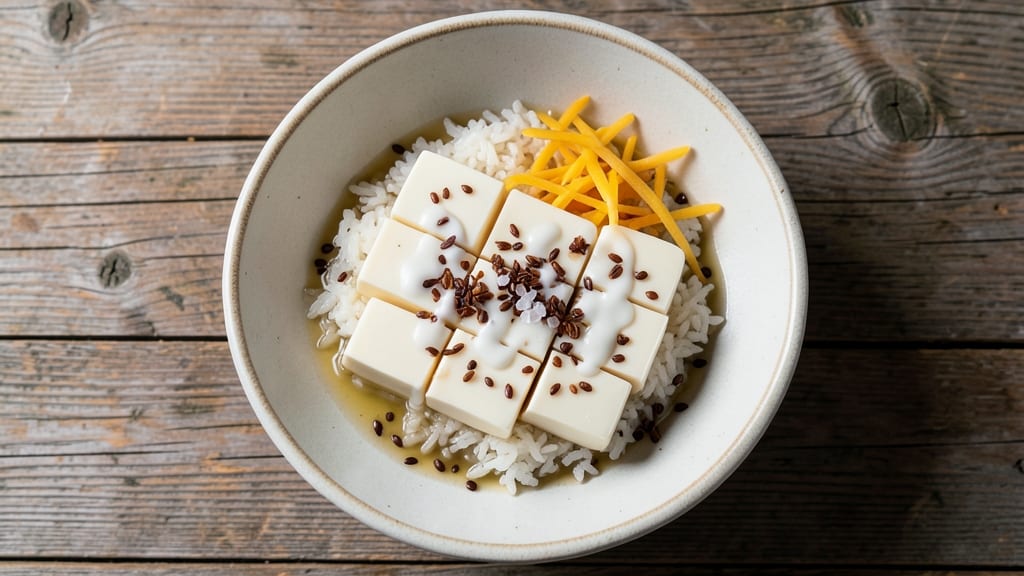
Unlock the secrets of a perfect soy bean curd recipe, where silken tofu—velvety in savory broth—transforms humble soybeans into a plant-based treasure. This recipe bridges tradition and innovation, offering both homemade tofu preparation and modern culinary applications that elevate any dish.
The process is precise yet approachable, yielding a delicate texture perfect for soups, stir-fries, or even desserts.
The beauty of this method lies in its simplicity: just soybeans, water, and a few key ingredients create a protein-rich curd that rivals store-bought options. Whether you're a seasoned chef or a home cook, the step-by-step instructions ensure foolproof results every time.
The silken tofu emerges with a smooth, almost custard-like consistency, ideal for absorbing flavors in savory broths or adding creaminess to dishes.
What sets this recipe apart is its adaptability—use your homemade tofu in traditional Asian dishes or experiment with modern twists like grilled tofu bowls or silken tofu desserts.
The versatility makes it a game-changer for vegan, gluten-free, or protein-conscious diets. Ready in just 30 minutes, this method delivers restaurant-quality results without the fuss.
Once you master this technique, you’ll never rely on store-bought tofu again. The silken texture and rich flavor open doors to endless culinary possibilities, from hearty stews to delicate desserts. Let’s get started on creating your own batch of velvety soy bean curd today.
Ingredients for soy bean curd
Transform humble soybeans into velvety silken tofu with these precise ingredients, perfect for savory broths and modern dishes.
| Ingredient | Amount | Notes |
|---|---|---|
| Dry Soybeans 🌱 | 1 cup | Non-GMO, organic preferred |
| Filtered Water 💧 | 4 cups | Room temperature preferred |
| Niger Seed Coagulant 🌿 | 1 tbsp | Available at Asian markets |
| Sea Salt 🧂 | 1 tsp | Diamond Crystal preferred |
| Fresh Ginger Root 🧅 | 1 oz | Peeled and grated finely |
| White Miso Paste 🍶 | 1 tbsp | Organic, non-GMO preferred |
| Rice Vinegar 🍶 | 1 tbsp | Unseasoned, 5% acidity |
| Sesame Oil 🫒 | 1 tsp | Toasted, for aroma |
| Dried Kombu Seaweed 🌊 | 1 piece | 4x6 inch sheet preferred |
| Dried Shiitake Mushrooms 🍄 | 2 whole | For savory broth infusion |
| Fresh Basil Leaves 🌿 | ¼ cup | For garnish, optional |
| Agave Nectar 🍯 | 1 tbsp | For subtle sweetness |
The quality of your soybeans is paramount for optimal texture. Organic, non-GMO dry soybeans from Asian specialty markets or bulk bins yield superior results. Look for beans that are uniformly sized and free from blemishes. The Niger seed coagulant, often called nigari, is essential—it's available online or at well-stocked Asian grocers like H Mart. Fresh ginger should be vibrant and firm, with no soft spots. The kombu seaweed and shiitake mushrooms infuse the broth with umami depth, elevating the final product beyond basic tofu.
No Niger seed coagulant? Calcium sulfate (gypsum) can substitute at half the amount, though texture may vary slightly. Organic miso paste is ideal, but non-GMO white miso from Marukome works perfectly. Fresh ginger can be swapped for 1 tsp ground ginger, though it lacks the same aromatic complexity. For the broth, if shiitake mushrooms are unavailable, dried porcini mushrooms provide a similar earthy depth. The agave nectar adds subtle sweetness—maple syrup is a suitable alternative if preferred. Always ensure your vinegar is unseasoned to maintain flavor purity.
Store the uncooked soybeans in a cool, dark place for up to 6 months. Once prepared, the silken tofu keeps in the refrigerator for 5-7 days, submerged in broth to preserve texture. For longer storage, freeze in airtight containers with 1 inch of broth above the tofu—it will last 3 months. The kombu and shiitake mushrooms can be reused once for broth if stored dry in a paper bag in the pantry. Fresh basil should be wrapped in damp paper towels and refrigerated for up to 5 days
Why You'll Love This Recipe
- Five-Ingredient Magic: I swear, this recipe is the definition of unfussy. Soak the beans overnight—yes, that’s the only real wait—and then it’s just heat, stir, and a pinch of ginger. No fancy gadgets, no last-minute grocery runs.
- Umami Bomb: That ginger-salted edge? It’s where this curd gets dangerous. The niger seed coagulant gives it that silky texture, but the ginger—freshly grated, not powdered—adds a zing that makes it taste like a restaurant dish.
- Meal Prep MVP: Between us, I make a big batch every Sunday. The curd keeps for days in the fridge, and it’s perfect cold in salads or warm in stir-fries. My lunchbox never looks the same twice.
- Pantry Goldmine: Dry soybeans are dirt cheap, and this recipe stretches one bag into meals for weeks. Honestly, I’ve fed a houseful with what costs less than a single takeout order—plus, zero waste.
Step-by-step instructions for soy bean curd preparation
Mastering this traditional method yields velvety tofu with a delicate, savory broth foundation.
Soak and Prepare the Dry Soybeans
Place the 1 cup dry soybeans in a large bowl and cover with cold water by 2 inches. Let soak for 12 to 16 hours at room temperature, changing the water twice during this period. The beans should swell significantly and develop a slightly translucent appearance when properly hydrated. This long soak ensures even texture and prevents bitterness in the final product.
After soaking, drain the beans thoroughly and rinse under cold running water. Transfer them to a blender or food processor with the 4 cups filtered water. Blend until completely smooth, scraping down the sides as needed. The mixture should have a consistency similar to heavy cream. This step is critical—any remaining grit will create texture issues in the finished curd.
Cook the Soy Milk Base
Transfer the blended mixture to a large stainless steel pot. Bring to a gentle simmer over medium heat, stirring occasionally to prevent scorching. Maintain a temperature between 180°F and 190°F for 30 to 45 minutes. You'll notice the mixture separate slightly as the proteins coagulate naturally, but don't let it boil vigorously.
During the last 10 minutes of cooking, add the 1 oz fresh ginger root and the 1 piece dried kombu seaweed. These ingredients infuse subtle complexity into the base. The kombu will break down completely, adding umami depth while the ginger prevents any fishy aftertaste. When the mixture reaches a temperature of 185°F, remove from heat immediately.
Coagulate and Separate the Curd
Strain the hot mixture through a clean cheesecloth or fine-mesh strainer lined with a paper towel. Allow the liquid to drain completely while pressing gently on the solids. This process may take 20 to 30 minutes. The resulting curd should be smooth and slightly moist to the touch.
While the curd drains, prepare the coagulant mixture by dissolving the 1 tbsp niger seed coagulant in 1 cup of the strained soy milk. Heat this mixture to 170°F, then gently fold it back into the drained curd using a spatula. The texture should immediately begin to firm up into a custard-like consistency. This is the moment that transforms your base into proper tofu.
Season and Set the Final Texture
Transfer the coagulated mixture to a heatproof bowl and place it in an ice bath. Stir gently for 5 minutes to ensure even cooling. This rapid chilling process creates the signature silken texture. While cooling, prepare the savory broth by combining the 1 tbsp white miso paste, 1 tbsp rice vinegar, 1 tsp sesame oil, and 1 tbsp agave nectar with 1 cup of hot water.
Once the tofu reaches room temperature, gently fold in the prepared broth along with the 1 tsp sea salt. The final mixture should have a luxurious, velvety consistency with no visible graininess. For presentation, arrange the 0.25 cup fresh basil leaves on top and serve immediately. The basil adds a bright contrast to the rich, savory tofu.
Pro Tips For Making Soy Bean Curd
- Soak Soybeans Overnight: I learned this the hard way—rushing the soak with hot water just makes them tough. Use cold filtered water, cover them completely, and let them sit 12+ hours. The longer they soak, the creamier your curd will be, and no one wants rubbery texture in their final dish.
- Heat Water Slowly: After burning three batches of soy milk, I finally figured out: bring the water to a bare simmer (just tiny bubbles breaking the surface) before adding soaked soybeans. Too much heat = bitter milk, and you’ll regret it when you taste the final curd.
- Coagulant Timing Matters: Niger seed powder needs patience—whisk it into the hot milk off the heat and let it sit 10 minutes before stirring again. I used to rush this step, and the curd would either turn grainy or split like a sad pudding. Give it time, even if you’re impatient.
- Salt the Curd Cold: My grandmother swore by this, and she was right: dissolve the sea salt in cold water first, then gently fold it into the coagulated curd while it’s still cool. Adding salt to hot curd makes it tough—like overworking dough—and ruins the delicate texture.
Perfect pairings for this recipe
Savory Broth Pairings
This silken tofu thrives in miso-based broths—try pairing it with a dashi-kombu broth infused with 2 dried shiitake mushrooms and 1-inch ginger slice. Simmer for 15 minutes to extract maximum umami.
For extra depth, add 1 tsp white pepper and ½ tsp sesame seeds before serving. The delicate tofu absorbs these flavors beautifully. 🌿
Stir-Fry Combinations
For wok-friendly dishes, pair your tofu with garlic chives and shredded napa cabbage. Sauté 2 tbsp minced garlic in 1 tbsp toasted sesame oil, then add 1 cup shredded cabbage and ½ cup chopped chives.
Toss in the silken tofu just before serving to maintain its tender texture. A drizzle of chili oil adds a spicy kick that balances the tofu's mild sweetness. ✨
Dessert Applications
Surprisingly, this tofu works in desserts too! Blend ½ cup silken tofu with 2 tbsp maple syrup and 1 tsp vanilla extract for a creamy base. Fold in ¼ cup fresh berries and chill for 2 hours.
Top with toasted coconut flakes for texture. The subtle savory notes from the broth actually complement sweet flavors beautifully. 🍓
Umami Bomb Additions
Elevate any dish by adding pickled ginger or fermented black beans alongside the tofu. The tangy crunch of ½ cup quick-pickled ginger (marinated in 1 tbsp rice vinegar and 1 tsp sugar for 30 minutes) cuts through the tofu's richness.
For extra protein, stir-fry ½ cup fermented black beans with 1 tsp soy sauce before mixing with the tofu. The contrast is next-level. 💥
Wine & Tea Pairings
For a sophisticated touch, serve your tofu dishes with a dry Riesling—its crisp acidity cleanses the palate between bites. If you prefer tea, jasmine green tea enhances the tofu's natural sweetness without overpowering it. For a non-alcoholic option, try yuzu soda—the citrus notes complement the umami perfectly. 🍷
Global Fusion Twists
Transform this tofu into a Thai-inspired curry by simmering it in a sauce made with 1 tbsp red curry paste, ½ cup coconut milk, and 1 tsp palm sugar.
Garnish with fresh cilantro and lime wedges. For a Mexican twist, crumble ½ cup cotija cheese over the tofu and drizzle with salsa verde. The global adaptations are endless! 🌎
Nutrition facts
Frequently asked questions
Why does my homemade soy bean curd turn out grainy?
Graininess usually happens when the beans aren't blended completely smooth or the mixture cooks too vigorously. Always strain through cheesecloth lined with a paper towel, and maintain a gentle simmer between 180°F and 190°F during cooking. The ice bath step is also critical for achieving that silken texture.
Can I make this soy bean curd without niger seed coagulant?
Yes! Use calcium sulfate (gypsum) at half the amount, or try apple cider vinegar (1 tbsp per cup of soy milk). Both work, though texture may differ slightly. For best results, test small batches first. The key is patience—let the mixture coagulate slowly for a smoother curd.
How long can I store homemade silken tofu?
Freshly made tofu keeps in the fridge for 5-7 days if submerged in its broth. For longer storage, freeze in airtight containers with 1 inch of broth above it—it'll last 3 months. Thaw overnight in the fridge to preserve texture. The broth helps maintain moisture and flavor.
Is this recipe suitable for beginners?
The process is straightforward with just a few key steps: soaking, blending, gentle cooking, and proper cooling. The most critical part is maintaining consistent temperatures, but even that's forgiving. Start with a small batch to build confidence. The result is incredibly rewarding for first-timers!
What are the best ways to use leftover soy milk?
Strain out any remaining solids and use the leftover soy milk for smoothies, soups, or even savory pancakes! It's also great in vegan desserts like cheesecakes or puddings. For extra richness, reduce it slightly to make a quick soy-based gravy. Don't waste it—the possibilities are endless!