Side Dishes
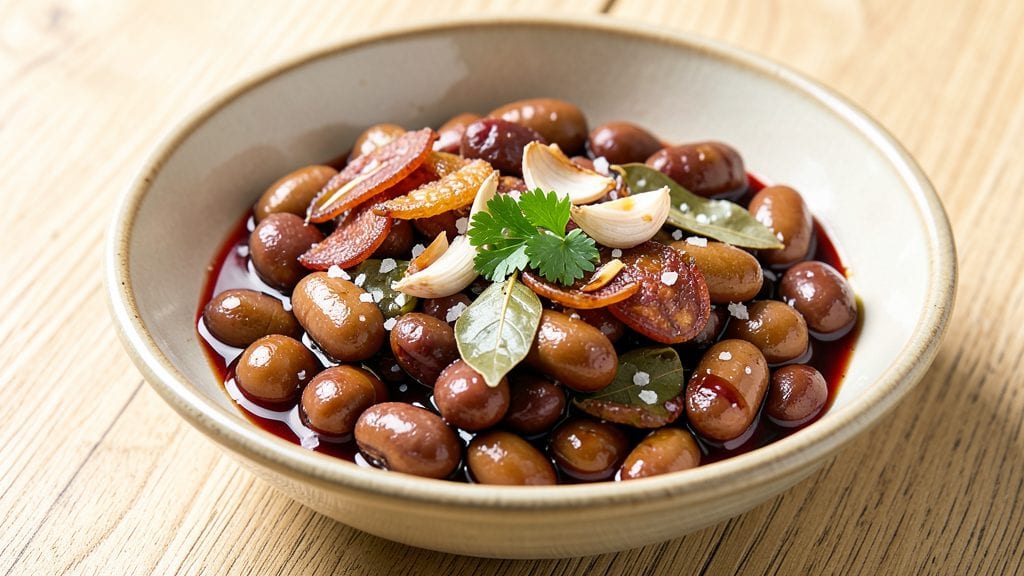
This Portuguese beans recipe brings the soul of a Portuguese kitchen to your table with its deep, smoky flavors and tender textures. I first discovered it while researching traditional Portuguese home cooking, and it quickly became a staple in my weekly meal rotation.
The combination of white beans, chorizo, and garlic creates a dish that's hearty enough for a main but perfect as a side.
The secret lies in slow simmering, which allows the flavors to meld together beautifully. You'll start with white beans, chorizo, garlic, and bay leaf, then let everything cook until the beans are tender and the chorizo is infused with the garlic's aroma.
This recipe is foolproof and delivers restaurant-quality results without requiring any special skills.
By the time you're done, you'll have a rich, flavorful bean dish with a smoky depth from the chorizo and a subtle garlic aroma that fills your kitchen. The beans will be perfectly tender, and the chorizo will be just crisp enough to add texture.
This dish pairs beautifully with rice, crusty bread, or even as a standalone meal.
What makes this recipe special is its versatility—it works as a side dish for roasted meats or as a hearty main course on its own. The flavors only get better the next day, making it perfect for meal prep or leftovers. Let's get started on this comforting, traditional dish!
Ingredients for portuguese beans
White beans, smoky chorizo, and garlic—just six ingredients transform into a dish that tastes like home.
| Ingredient | Amount | Notes |
|---|---|---|
| Great Northern Beans 🌾 | 1 ½ cups | Dried, soaked overnight |
| Portuguese Chorizo 🥓 | ½ lb | Sliced into half-moon pieces |
| Garlic Cloves 🧄 | 6 cloves | Smashed, not minced |
| Bay Leaves 🍃 | 2 whole | Fresh preferred, but dried works |
| Extra-Virgin Olive Oil 🫒 | ¼ cup | For sautéing chorizo |
| Red Wine Vinegar 🍷 | 2 tbsp | For brightness |
| Tomato Paste 🍅 | 1 tbsp | Squeeze tube preferred |
| Smoked Paprika 🌶️ | 1 tsp | For smoky depth |
| Ground Black Pepper 🌶️ | ½ tsp | Freshly cracked |
| Kosher Salt 🧂 | 1 ½ tsp | Adjust to taste |
| Fresh Parsley 🌿 | ¼ cup | Chopped, for garnish |
| Crusty Bread 🍞 | 4 slices | For serving |
| White Wine 🍷 | ½ cup | Dry variety, optional |
The beans are the heart of this recipe, so don’t skip the soaking. Great Northern beans work best—they hold their shape and soak up the smoky flavors. For a shortcut, use canned beans (drained and rinsed), but they won’t have the same texture. Costco or Trader Joe’s sell dried beans in bulk, which is perfect for this recipe. If you’re using fresh bay leaves, grab a sprig from the grocery store’s produce section—they’re often overlooked but add a subtle earthiness. The chorizo? Look for Portuguese chorizo (like Chouriço) at specialty stores or the international aisle. It’s got a deeper, smokier flavor than Spanish chorizo, which makes all the difference here.
No Portuguese chorizo? Substitute Spanish chorizo or even andouille sausage, but the flavor will be slightly different. Running low on red wine vinegar? Apple cider vinegar works in a pinch, but it’ll taste a little sweeter. Fresh parsley wilting? Dried parsley at one-third the amount will do, though it won’t be as vibrant. The tomato paste can be swapped for a splash of tomato sauce if you’re in a hurry, but the paste gives that concentrated umami kick. And if you’re avoiding wine, beef broth with a splash of vinegar keeps the recipe just as rich.
This dish tastes even better the next day—make extra and store it for up to 5 days. The flavors deepen as the chorizo and beans meld together. For leftovers, reheat gently on the stove with a splash of water to keep it moist. If you’re prepping ahead, freeze portions for up to 3 months. The bread? Toast it fresh when serving—it soaks up the bean juices perfectly. And if you’re serving this as a side, double the batch—it disappears fast at dinner parties.
Why You'll Love This Recipe
- One-Pot Magic: I swear by this recipe—just toss everything into one pot, simmer, and walk away. No chopping, no fussing, no extra dishes. The beans soften while the chorizo renders its smoky goodness right into the mix.
- Smoky-Spiced Bliss: That Portuguese chorizo? It’s the star—fiery, paprika-kissed, and packed with flavor. One sniff of the garlic sizzling in olive oil, and suddenly, your kitchen smells like a Lisbon tavern. Honestly, the first bite makes you forget about takeout.
- Weeknight & Potluck Hero: Make a big batch on Sunday, and you’ve got lunch or dinner covered all week. Or bring it to a gathering—it’s hearty enough for a main but easy enough to share. My in-laws still ask for seconds, and they’ve seen me burn toast.
- Budget-Friendly Pantry Staple: Great Northern beans are cheap, chorizo stretches miles, and olive oil lasts forever. I’ve fed four people for under $10 with this—plus, the leftovers taste even better the next day. (Yes, even on a Tuesday night.)
Step-by-step instructions for smoky chorizo and garlic simmered beans
Here's how to transform simple dried beans into a rich, smoky dish with deep flavors and perfect texture.
Sauté the Chorizo Until Fragrant
Heat the 0.25 cup extra-virgin olive oil in a large pot over medium heat. Add the 0.5 lb sliced Portuguese chorizo and cook for 5-6 minutes, stirring occasionally, until the chorizo releases its fat and becomes deeply golden and crispy around the edges.
This step unlocks the chorizo's smoky essence. You'll notice the fat rendering out and sizzling—this is when the flavor develops. If the chorizo starts to burn, reduce the heat slightly and keep stirring. Remove the chorizo with a slotted spoon and set it aside temporarily—you'll add it back later.
Build the Flavor Base with Aromatics
In the same pot, add the 6 smashed garlic cloves and cook for 1-2 minutes until they turn golden brown and fragrant. Be careful not to let them burn—they should smell sweet and nutty, not bitter.
Next, stir in the 1 tbsp tomato paste and cook for 30 seconds until it darkens slightly. Add the 1 tsp smoked paprika, 0.5 tsp ground black pepper, and 1.5 tsp kosher salt, stirring constantly to distribute the spices evenly. This aromatic base forms the flavor foundation for your beans.
Simmer the Beans with Herbs and Vinegar
Return the chorizo to the pot and pour in 6 cups of fresh water (or enough to cover the beans by 2 inches). Add the 1.5 cups soaked great northern beans, 2 whole bay leaves, and 2 tbsp red wine vinegar. Bring to a boil, then reduce heat to low and simmer uncovered for 1.5 hours, stirring occasionally.
After 45 minutes, check the beans—they should be softening but not yet mushy. If the liquid level drops below 1 inch above the beans, add hot water to maintain coverage. The beans are done when they're tender but still hold their shape when pierced with a fork.
Finish with Wine and Fresh Parsley
Once the beans are tender, stir in the 0.5 cup white wine and simmer for 5 minutes to allow the alcohol to cook off. The wine adds brightness that balances the smoky chorizo. Remove the bay leaves and stir in the 0.25 cup chopped fresh parsley just before serving—this adds freshness and vibrant color.
Taste and adjust seasoning if needed. The beans should be rich, smoky, and slightly tangy with a perfect balance of saltiness from the chorizo and acidity from the vinegar. Serve immediately with 4 slices crusty bread to soak up every delicious spoonful.
Pro Tips For Making Portuguese Beans
- Pre-Soak Beans Overnight: I learned this the hard way—rushing the soak with Great Northern beans leaves them tough no matter how long you simmer. Toss them in cold water with a pinch of salt (yes, even for soaking) and let them sit 12+ hours. That extra time breaks down the skins better than any pressure cooker shortcut.
- Sear Chorizo in Batches: Portuguese chorizo sticks together like glue when you dump it all in the pan at once. Cook half first until it’s crispy and releases its fat, then add the rest. The fat renders cleaner, and you won’t end up with a gummy mess that won’t brown properly.
- Smash Half the Garlic: Whole garlic cloves add aroma, but smashed ones (just press with the flat side of your knife) release flavor faster. Use 2 whole cloves for depth and 2 smashed for quick infusion—your beans will taste richer without waiting for the cloves to break down.
- Simmer Low After Boiling: After the beans reach a boil, drop the heat to a gentle simmer—no rolling, no splashing. High heat breaks down the beans’ structure, making them mushy. A slow simmer keeps them tender but intact, so they hold up when you mix in the chorizo at the end.
Make-ahead tips for this dish
Overnight Soaking Shortcut
I know soaking beans overnight sounds like extra work, but trust me—it’s worth it for that perfect texture. If you’re short on time, try the quick-soak method: Boil the beans for 2 minutes, then let them sit in hot water for 1 hour before cooking.
For even faster prep, use canned white beans (drained and rinsed), but add an extra 30 minutes to the simmering time to let the flavors meld.
Freezer-Friendly Prep
This dish freezes beautifully—make a double batch and store it for up to 3 months. Portion into airtight containers or freezer bags, leaving 1 inch of headspace for expansion. When reheating, thaw overnight in the fridge, then warm on the stove with a splash of water to restore moisture.
I’ve found that freezing the beans with the chorizo keeps the smoky flavor intact better than reheating separately.
Meal Prep Timeline
Plan ahead by prepping the chorizo and aromatics the night before. Slice the chorizo and store it in the fridge, and smash the garlic cloves (wrap them in plastic wrap to keep fresh).
On cook day, just sauté the chorizo, add the garlic, and proceed with the recipe. This cuts your active cooking time to under 30 minutes—perfect for busy weeknights.
Leftovers Reinvention
Day-old beans taste even better because the flavors deepen. Use leftovers to make a smoky chorizo frittata by mixing the beans with beaten eggs and baking at 375°F for 20 minutes.
Or mash them into a dip with a splash of olive oil and serve with crusty bread or veggie sticks. The possibilities are endless!
Portion Control Tips
For individual servings, divide the cooked beans into 1-cup portions in airtight containers. Each portion pairs perfectly with ½ cup cooked rice or 2 slices of bread.
Label containers with dates—this helps track freshness. I like to keep one portion in the fridge for quick lunches and freeze the rest for later.
Garnish Like a Pro
Fresh parsley isn’t just for looks—it adds brightness. Chop it finely and sprinkle it over the beans right before serving. For extra flair, add a drizzle of extra-virgin olive oil and a pinch of smoked paprika.
If you’re serving this at a gathering, garnish each bowl individually—it makes the dish feel special. 💫
Nutrition facts
Frequently asked questions
What makes Portuguese beans different from other bean dishes?
Portuguese beans stand out thanks to the chorizo and smoked paprika, which give them a deep, smoky flavor. Unlike many bean dishes that rely on ham or bacon, Portuguese chorizo adds a unique spicy-sweet note. The dish also uses red wine vinegar for brightness, balancing the richness. This combination creates a hearty, flavorful side that's perfect for weeknight meals or family dinners.
Can I use canned beans instead of dried?
Yes, but you'll need to adjust the cooking time. Use 2 (15 oz) cans of drained white beans and simmer for 30-45 minutes instead of the full 1.5 hours. The texture will be slightly softer, but the flavors will still meld beautifully. For best results, rinse the beans well to remove excess sodium.
How do I store and reheat leftovers?
Store leftovers in an airtight container in the fridge for up to 5 days or freeze for 3 months. To reheat, warm on the stove over low heat with a splash of water or broth to restore moisture. The flavors actually improve overnight, making this an ideal make-ahead dish. Never microwave directly from frozen—thaw first in the fridge.
What are the best sides to serve with this dish?
This rich bean dish pairs perfectly with crusty bread for soaking up the juices, steamed white rice for a complete meal, or a simple green salad to balance the heaviness. For a Portuguese-inspired spread, add roasted potatoes or grilled vegetables. The smoky flavors work well with both hearty and light sides.
Why do my beans turn out mushy?
Mushy beans usually happen from overcooking or insufficient soaking. Always soak dried beans overnight, then simmer at a gentle boil—never a rolling boil. Check doneness after 45 minutes and add water as needed to keep them covered. If using canned beans, reduce simmering time to 30 minutes max. The beans are done when tender but still hold their shape.