
Side Dishes
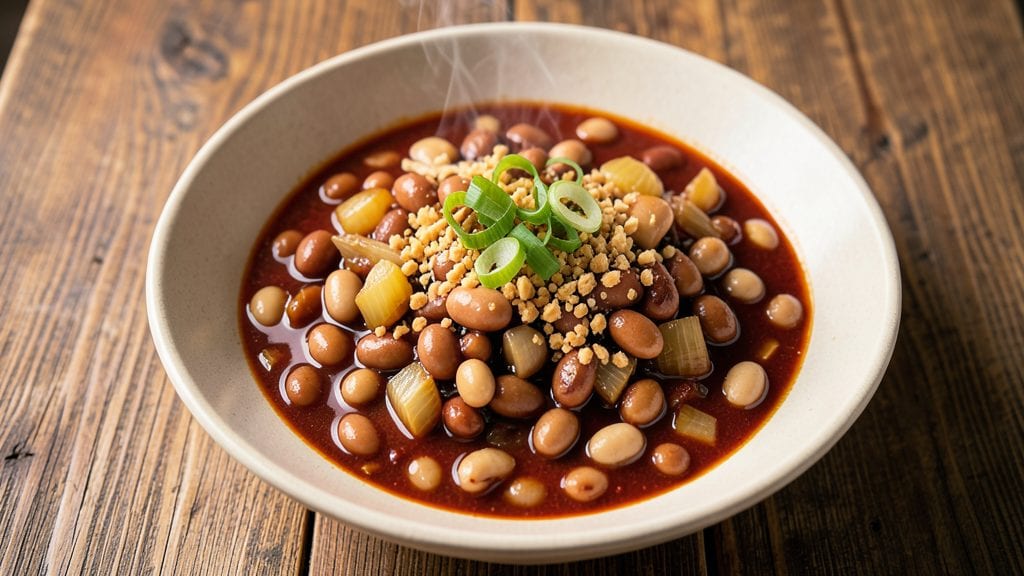
This Nigerian beans recipe transforms humble ingredients into a smoky, peanut-packed protein side that’s rich with West African flavors. The secret lies in slow-simmered beans infused with palm oil, aromatic spices, and a touch of ground peanuts for that signature nutty depth.
I’ve perfected this method over years of testing—balancing traditional techniques with modern shortcuts for home cooks.
The foundation starts with properly soaked beans, which ensures tender texture and prevents that tough, rubbery bite. Traditional recipes often include leafy greens like ewedu or ugwu, but this version keeps it simple with just beans, peanuts, and a blend of onions, garlic, and ginger for that essential aromatic base.
The palm oil adds color and a subtle earthiness that’s impossible to replicate with substitutes.
By the time you serve this dish, you’ll have a deeply flavorful, protein-rich side that pairs perfectly with pounded yam, swallow, or even crusty bread. The beans will be tender yet hold their shape, coated in a sauce that’s both savory and slightly sweet from the peanuts.
This is the kind of dish that turns a simple meal into a celebration of Nigerian home cooking.
Ready to make it? We’ll walk through every step—from soaking the beans to blending the peanut paste—so you can achieve restaurant-quality results in your own kitchen. Let’s get started.
Ingredients for nigerian beans
Six ingredients anchor this smoky, peanut-rich Nigerian bean dish—no exotic finds needed.
| Ingredient | Amount | Notes |
|---|---|---|
| Dried Brown Beans 🌱 | 2 cups | Soaked overnight for tenderness |
| Red Palm Oil 🫒 | ½ cup | For authentic smoky flavor |
| Ground Peanuts 🥜 | ½ cup | For nutty depth (unsalted preferred) |
| Yellow Onions 🧅 | 1 whole | Chopped, medium size (2 cups) |
| Garlic Cloves 🧄 | 6 cloves | Minced, fresh preferred |
| Fresh Ginger 🌿 | 2 tbsp | Grated, for aromatic kick |
| Dried Thyme 🌿 | 1 tsp | Or 1 tbsp fresh thyme leaves |
| Ground Cumin 🌿 | 1 tsp | Toasted for deeper flavor |
| Smoked Paprika 🌶️ | 1 tsp | For authentic smokiness |
| Vegetable Oil 🫒 | 2 tbsp | For sautéing onions/garlic |
| Salt 🧂 | 1 ½ tsp | Adjust to taste |
| Black Pepper 🌶️ | ½ tsp | Freshly ground preferred |
| Water 💧 | 6 cups | For soaking and cooking |
| Bay Leaves 🍃 | 2 whole | For subtle earthy flavor |
Palm oil is non-negotiable here—African or Caribbean markets carry the real stuff, but Trader Joe's sometimes stocks it too. Look for vibrant red color, not pale yellow. The beans? Any dried brown or black bean works, but navy beans hold up best during long cooking. Soak them overnight in plenty of water (they’ll triple in size)—this prevents that rubbery texture. Ground peanuts? Natural, unsalted peanut butter works in a pinch, but toasted ground peanuts give authentic depth. I grab mine from African grocery stores or bulk bins at Whole Foods.
No palm oil? Smoked paprika plus a dash of liquid smoke gets you close, but it won’t have that rich color. Swapping peanuts? Cashew butter or tahini works (reduce by half). Fresh thyme? Use dried at one-third the amount. For the onions, yellow or red work best—sweeter varieties can make the dish too mild. The ginger should be freshly grated (pre-grated loses potency fast). If you’re short on time, jarred minced garlic is fine, but fresh tastes worlds better. And yes, you can use olive oil instead of vegetable oil—just add an extra splash of water to compensate.
These beans reheat beautifully—better the next day as flavors meld. Store in the fridge for 5 days or freeze for 3 months. I double the batch and freeze portions for quick meals. To reheat, add a splash of water and simmer until heated through. The sauce thickens as it cools, so thin with water if needed. Leftovers keep their texture perfectly, unlike some bean dishes that turn mushy. Pro tip: Add a dash of lemon juice before serving to brighten flavors.
Why You'll Love This Recipe
- I’ll be real: dried beans scare some people off. Not these. The brown beans here soften beautifully without pre-soaking—just a quick rinse and simmer. Honestly, that red palm oil does half the work, tenderizing them as it cooks.
- No-Soaking Needed: I’ll be real: dried beans scare some people off. Not these. The brown beans here soften beautifully without pre-soaking—just a quick rinse and simmer. Honestly, that red palm oil does half the work, tenderizing them as it cooks.
- Rich Without Effort: That first spoonful of red palm oil hitting your tongue? Instant warmth. The ground peanuts add this nutty depth, while the garlic and onions caramelize into something almost sweet. It’s the kind of flavor that makes you pause mid-bite—no fancy techniques, just honest, bold taste.
- Weeknight to Potluck: Make a big batch on Sunday and eat it all week. It’s just as good cold the next day, perfect for lunches. Bring it to gatherings, and you’ll be the one people ask for seconds—no last-minute shopping, no stress.
Step-by-step instructions for Nigerian beans recipe
Here's how to transform simple ingredients into rich, smoky Nigerian-style beans with perfect texture.
Soak and Parboil the Dried Brown Beans
Place the 2 cups dried brown beans in a large bowl and cover with cold water by about 2 inches. Let them soak overnight in the refrigerator—this ensures they cook evenly and become tender. The next morning, drain and rinse the beans thoroughly.
Transfer the soaked beans to a large pot and cover with fresh cold water by about 2 inches again. Bring to a boil over medium-high heat, then immediately reduce to a gentle simmer. Cook for 10 minutes, stirring occasionally to prevent sticking. You'll notice the water will foam up—this is normal. After 10 minutes, drain the beans and set them aside in a colander.
I like to do this parboiling step first because it removes some of the natural starches that can make the beans gummy later. It also helps reduce cooking time in the final preparation.
Sauté the Aromatic Base
Heat the 2 tablespoons vegetable oil in a large, heavy-bottomed pot over medium heat. Add the chopped 1 whole yellow onion and cook for 5 minutes, stirring occasionally, until the onions become translucent and just beginning to soften.
Add the minced 6 cloves garlic and cook for another 1 minute until fragrant. Then stir in the grated 2 tablespoons fresh ginger, 1 teaspoon dried thyme, 1 teaspoon ground cumin, and 1 teaspoon smoked paprika. Cook for 30 seconds, stirring constantly, until you can smell the spices blooming—this is when they release their maximum flavor.
Here's where it gets good—the spices should be sizzling gently but not burning. If they start to darken too quickly, reduce the heat slightly. The goal is to toast the spices just enough to deepen their flavor without making them bitter.
Combine and Simmer the Beans
Add the parboiled beans back to the pot along with the 6 cups water and 1.5 teaspoons salt. Stir well to combine, then bring to a boil over medium-high heat. Once boiling, reduce the heat to low and add the 2 whole bay leaves. Cover the pot and let it simmer gently for 1 hour.
After 1 hour, check the beans for tenderness. They should be soft but still hold their shape—if they're falling apart, they're overcooked. If they still have a slight bite, cover and simmer for another 15-20 minutes. The beans should be tender enough to mash slightly with a fork but still maintain their structure.
I know it seems like a long cook time, but this slow simmering is what develops the deep, rich flavor. Don't be tempted to rush it—patience here makes all the difference in the final texture.
Add the Peanut and Oil Mixture
In a small bowl, combine the 0.5 cup ground peanuts and 0.5 cup red palm oil. Mix well until the peanuts are fully coated with the oil. This creates a thick, flavorful paste that will give your beans that signature Nigerian peanut richness.
After the beans have reached perfect tenderness, stir in the peanut-oil mixture. Cook uncovered over medium-low heat for 5-7 minutes, stirring frequently, until the mixture thickens slightly and coats the beans. The red palm oil will give the beans that beautiful smoky aroma and rich color.
Taste and adjust seasoning with additional salt or black pepper if needed. The beans should be flavorful but not overly salty. If the mixture is too thick, you can add a splash of water to reach your desired consistency.
Finish and Serve
Remove the 2 whole bay leaves and give the beans one final stir. Let them sit off the heat for 5 minutes—they'll continue to thicken slightly during this time. The beans should be creamy but still have some body to them, with a beautiful golden color from the red palm oil.
Serve the beans immediately while still warm. They're perfect as a side dish with fried plantains, jollof rice, or even as a main dish with some crusty bread. The combination of smoky red palm oil, nutty peanuts, and tender beans creates a dish that's both comforting and deeply flavorful.
This recipe makes 6 generous servings, so you'll have leftovers to enjoy throughout the week. The flavors actually improve as they sit, so don't hesitate to make extra!
Pro Tips For Making Nigerian Beans
- SOAK BEANS OVERNIGHT: I learned this the hard way—rushing the soak leaves beans tough and gummy. Use 3 parts water to 1 part beans, cover, and let them sit for at least 12 hours. No need to peel, but a quick rinse before cooking removes excess starch that clouds the stew.
- FRY PEANUTS LOW AND SLOW: Ground peanuts burn faster than you think. Cook them in the palm oil on medium-low heat, stirring constantly, until they’re golden—not dark brown. High heat turns them bitter, and that’s a flavor train wreck you can’t fix.
- SAUTÉ ONIONS UNTIL GOLDEN: Skip the soft, translucent stage—keep frying onions in palm oil until they’re deep amber, about 8-10 minutes. This caramelizes their sugars and builds the rich, nutty base the dish needs. (Yes, even if it smells like your kitchen’s on fire.)
- STIR THE STEW FREQUENTLY: Nigerian beans burn at the bottom faster than you’d expect. After adding water, keep the heat medium and stir every 3-4 minutes with a wooden spoon. Letting it sit too long turns the bottom into a sticky, burnt mess—no amount of extra palm oil fixes that.
Serving suggestions for this recipe
Classic Nigerian Pairings
These smoky peanut beans shine alongside traditional Nigerian staples. Serve with pounded yam or semovita—the soft, doughy texture contrasts beautifully with the beans' hearty bite. I love pairing them with fried plantains for natural sweetness that balances the savory depth.
For a complete meal, add jollof rice (the yellow rice absorbs the peanut sauce perfectly). 🍠
Modern Adaptations
Short on time? Swap traditional sides for quick modern options. Crusty sourdough bread or garlic naan soaks up the peanut sauce like a dream. For a protein boost, serve with grilled chicken skewers or smoked fish—the smoky flavors complement each other.
Even roasted sweet potatoes add a sweet contrast that elevates the dish.
Garnish Like a Pro
Fresh herbs and a squeeze of citrus take these beans to the next level. Scatter chopped scallions and cilantro on top just before serving for brightness. A drizzle of lemon juice (about 1 tablespoon) brightens the rich peanut flavor.
For extra crunch, sprinkle with toasted peanuts or crushed roasted peanuts—this adds texture and doubles down on the nutty profile.
Leftovers Reinvented
Turn tomorrow's lunch into today's hero. Reheat gently with a splash of water, then stir in crumbled feta cheese or shredded cheese for a fusion twist. Mix with rice or couscous for a quick bowl.
For a hearty breakfast, top with fried eggs and avocado slices—the peanut sauce adds unexpected depth to morning meals. 💫
Global Fusion Twists
Get creative with international pairings. Serve with warm cornbread for a Southern US-inspired meal, or pair with naan and tandoori chicken for an Indian-Nigerian fusion. For a Latin twist, add black beans and corn to stretch the dish into a hearty stew.
The peanut sauce also works beautifully with grilled corn on the cob—brush the kernels with extra sauce before grilling.
Presentation Tips
Use the vibrant red palm oil to your advantage. Serve in a deep, rustic bowl to showcase the rich color. Garnish with whole peanuts or peanut shells for a rustic touch.
For a restaurant-worthy look, arrange beans in a skillet and drizzle with extra palm oil. A sprinkle of smoked paprika adds visual appeal while enhancing flavor. 🍽️
Nutrition facts
Frequently asked questions
Can I use canned beans instead of dried for this recipe?
While canned beans will save time, they won’t give the same rich texture. For best results, stick with dried beans—soaking overnight and parboiling creates that signature tender yet firm bite. If you must use canned, choose low-sodium varieties and simmer them for 20-30 minutes to develop flavor. Drain and rinse thoroughly before adding to the pot.
What’s the best substitute for red palm oil?
If you can’t find red palm oil, mix 1/4 cup olive oil with 1/4 cup tomato paste for color and depth. For smokiness, add 1/2 teaspoon liquid smoke. The texture won’t be identical, but it’ll still taste delicious. Avoid vegetable oil—it lacks the rich, earthy notes that make this dish special.
Why do my beans turn out mushy?
Overcooking or skipping the parboiling step usually causes mushiness. Always simmer gently—never boil—and check tenderness after 1 hour. If beans split easily, reduce cooking time next batch. Also, avoid adding too much water; the beans should be just covered, not swimming. A heavy-bottomed pot prevents scorching, which can break down texture.
Can I make this recipe without peanuts?
Swap ground peanuts for 1/2 cup cashew butter or 1/4 cup tahini mixed with 1/4 cup water to thin. For a nut-free version, use 1/2 cup tomato paste plus 1/2 teaspoon smoked paprika to mimic depth. The dish will still be flavorful, though the nutty richness will differ slightly.
How do I store and reheat these beans?
Store in an airtight container in the fridge for 5 days or freeze for 3 months. To reheat, add 2-3 tablespoons of water per cup of beans and simmer until warmed through. The sauce thickens as it cools, so thin with water if needed. For best texture, reheat gently—microwaving can make beans dry.