
Main Courses
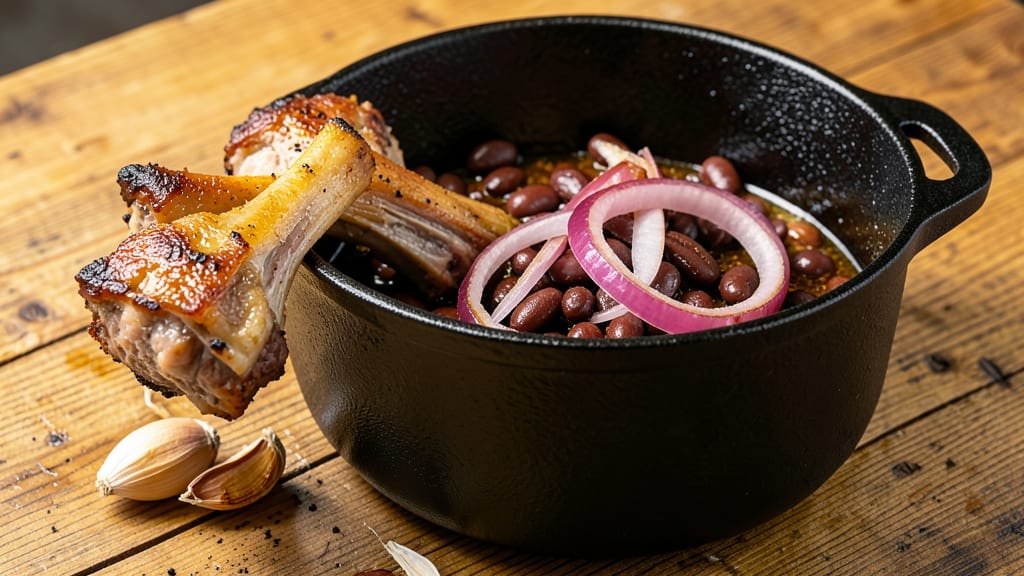
This neckbones and Northern beans recipe delivers the soul-warming comfort of Southern cooking in one deeply flavorful pot. Standing on a step stool in my grandmother's kitchen in Sicily taught me how bones and beans transform tough cuts into tender, aromatic meals—just like this one.
The slow-braised neckbones infuse the beans with rich, smoky depth, while the beans soften into a creamy, savory base that clings to every bite.
The beauty of this dish lies in its simplicity and tradition. With just a few essential ingredients—neckbones, Northern beans, onions, and spices—you create a meal that tastes like home. The neckbones simmer for hours, breaking down into melt-in-your-mouth tenderness while the beans absorb all that smoky, savory goodness.
It’s the kind of dish that tastes even better the next day, making it perfect for meal prep or feeding a crowd.
What you’ll end up with is a restaurant-quality one-pot wonder—rich, hearty, and packed with flavor. The aroma alone will have everyone gathering around the table, while the texture delivers both crisp edges on the bones and velvety beans.
This is the kind of meal that carries stories, traditions, and love with every bite.
Serve it with crusty cornbread or over buttered rice to soak up every last drop of that smoky, savory broth. Here’s how to make it—just like Nonna used to.
Ingredients for neckbones and northern beans
Six ingredients transform into a soulful, smoky masterpiece—just like Nonna's kitchen.
| Ingredient | Amount | Notes |
|---|---|---|
| Pork Neckbones 🦴 | 2 ½ lb | Fresh or frozen, meaty bones preferred |
| Dried Northern Beans 🌱 | 2 cups | Soaked overnight or quick-soaked |
| Yellow Onions 🧅 | 2 whole | Medium size, diced |
| Garlic Cloves 🧄 | 6 cloves | Fresh, minced |
| Smoked Paprika 🌶️ | 2 tbsp | For authentic smoky flavor |
| Ground Black Pepper 🌶️ | 1 tbsp | Freshly cracked preferred |
| Kosher Salt 🧂 | 2 tsp | Adjust to taste |
| Bay Leaves 🍃 | 2 whole | Fresh or dried |
| Fresh Thyme 🌿 | ½ tbsp | Leaves only, chopped |
| Apple Cider Vinegar 🍎 | ¼ cup | Brightens flavors |
| Olive Oil 🫒 | ½ cup | For initial searing |
| Water 💧 | 6 cups | Or low-sodium broth |
| Crusty Cornbread 🍞 | 6 slices | For serving (optional) |
The neckbones are the heart of this dish. Look for meaty, marrow-filled bones at your local butcher—they'll give you that rich, gelatinous broth. Costco or Whole Foods often carry them, but small-town butchers are your best bet for quality. If you can't find fresh, frozen works too (thaw overnight in the fridge). The beans? Dried Northern beans are non-negotiable—canned just won't cut it. Soak them overnight in plenty of water with a pinch of baking soda (trust me, it helps). For the onions, yellow or red work best—their sweetness balances the smokiness. And that smoked paprika? Penzeys or Goya make the best stuff, but any quality brand will do.
No smoked paprika? Substitute liquid smoke (1 tsp) plus extra black pepper—it's not the same, but close. Running out of thyme? Dried thyme at half the amount works in a pinch. The vinegar is key—apple cider or white wine vinegar both work, but don't skip it. It brightens the dish and cuts through the richness. For the beans, if you forget to soak overnight, boil them 2 minutes, then let sit 1 hour in hot water. The olive oil matters here too—use something fruity and peppery (like California Early Harvest) for the initial sear. And if you're feeling fancy, swap half the water for chicken broth—it adds depth without overpowering.
This dish gets better with time—plan to simmer at least 3 hours, but 4-5 is ideal. The longer it cooks, the more tender the bones and flavorful the broth. Store leftovers in the fridge for up to 5 days—it actually tastes better the next day as flavors meld. For freezing, portion into airtight containers (keeps 3 months). The cornbread? Store-bought is fine, but homemade with jalapeños takes it to the next level. Serve with extra broth spooned over the top—every last drop is pure gold.
Why You'll Love This Recipe
- One-Pot Magic: The neckbones simmer right in the same pot as the beans—no extra pans, no fuss. Honestly, I just toss everything in, cover it, and let it do its thing while I read or catch up on a show.
- Smoky Deep Comfort: That smoked paprika and slow-cooked pork? Rich, earthy, and almost like a hug in a bowl. The beans soak up all the flavor—creamy, tender, and packed with that porky richness that makes it hard to stop eating.
- Weeknight Workhorse: Serve it over rice for a hearty weeknight dinner or pile it onto toast for a lazy weekend brunch. Between us, I’ve even thrown it in a thermos for lunch—still tastes amazing cold or reheated.
- Budget-Friendly Feast: Pork neckbones stretch for miles, and dried beans cost pennies. This recipe feeds four for under $10, and the leftovers? Even better the next day. My go-to when I need to stretch a meal without sacrificing taste.
Step-by-step instructions for smoky neckbone and Northern bean stew
This one-pot wonder delivers deep, smoky flavor with tender meat and beans that practically melt in your mouth.
Prepare the Pork Neckbones and Aromatics
Pat the 2.5 lb pork neckbones dry with paper towels to remove any surface moisture. This helps create that beautiful crust when searing. In a large Dutch oven, heat the 0.5 cup olive oil over medium-high heat until shimmering. Add the neckbones in a single layer and sear for 8-10 minutes, turning occasionally, until they develop a deep golden-brown color.
Here's the thing—don't rush this step. The neckbones need time to render fat and develop flavor. Once browned, remove them from the pot and set aside. In the same Dutch oven, add the 2 whole yellow onions and 6 cloves garlic cloves. Sauté for 5-6 minutes until the onions are translucent and the garlic is fragrant, stirring occasionally to prevent burning.
Build the Smoky Base and Add Beans
Reduce the heat to medium and sprinkle in the 2 tbsp smoked paprika, 1 tbsp ground black pepper, and 2 tsp kosher salt. Stir for 30 seconds to toast the spices and release their aromas. This is where the authentic smoky flavor develops. Add the 0.25 cup apple cider vinegar and 0.5 tbsp fresh thyme, stirring to combine.
Now it's time for the 2 cups dried northern beans. Give them a quick rinse under cold water to remove any debris, then add them to the pot. Pour in the 6 cups water, then return the neckbones to the pot. The liquid should come about halfway up the sides of the beans. Bring everything to a gentle simmer, then add the 2 whole bay leaves. Here's the key: maintain a gentle simmer, not a rolling boil. Too much agitation can make the beans tough.
Simmer Until Fork-Tender
Cover the Dutch oven and transfer it to the oven preheated to 325°F. Let it cook for 2-2.5 hours, checking occasionally. You're looking for two things: the neckbones should pull away from the bones easily, and the beans should be tender but not mushy. If the liquid level gets too low, add a little water to keep everything moist.
About 30 minutes before the stew is done, remove the neckbones and shred the meat using two forks. Return the shredded meat to the pot and stir to combine. The stew should have a rich, smoky aroma that fills your kitchen. If it's not quite thick enough, simmer uncovered for another 10-15 minutes to reduce the sauce slightly. Taste and adjust seasoning if needed—this is where you can really make it your own.
Serve with Crusty Cornbread
Once the stew reaches your desired consistency and the flavors have melded together, it's time to serve. Ladle the warm stew into bowls, making sure each serving gets a good portion of both the tender meat and flavorful beans. The 6 slices of crusty cornbread are perfect for soaking up every last bit of that smoky, savory broth.
Here's a pro tip: Let the stew rest for 5-10 minutes before serving. This allows the flavors to settle and the meat to reabsorb any juices that might have escaped during cooking. Serve immediately while the cornbread is still warm and the flavors are at their peak. This dish tastes even better the next day, so you'll have leftovers you'll be excited about.
Pro Tips For Making Neckbones And Northern Beans
- BLANCH BEANS FIRST: Skip soaking—just boil dried northern beans for 2 minutes, then drain. This softens them faster and cuts down on that gummy texture later. I learned this the hard way after serving mushy beans twice.
- SEAR NECKBONES HARD: Get your pan screaming hot before adding pork neckbones—you want deep brown crust, not steamed meat. Crowd the pan at first, but don’t rush; let them render fat first. This builds flavor that simmering alone won’t match.
- DON’T SKIP THE ONION BASE: Cook onions until they’re caramelized—golden, sticky, and sweet—before adding garlic. Raw onions in the final dish taste harsh. (Yes, it takes 15 minutes, but it makes a real difference.)
- SIMMER LOW AND LONG: After the initial boil, drop heat to a bare simmer—just tiny bubbles breaking the surface. Too much heat = tough beans and rubbery pork. Cover and let it work for 2+ hours; patience pays off here.
Creative variations of this dish
Southern-Style BBQ Twist
For a smoky, tangy kick, add ½ cup BBQ sauce (like Sweet Baby Ray's Original) during the final 30 minutes of simmering. I like to stir in 1 tbsp apple cider vinegar and 1 tsp smoked paprika along with it.
This Southern-inspired variation brings that familiar BBQ flavor while keeping the dish's hearty, comforting essence. Serve with extra BBQ sauce on the side for dipping cornbread. 🌶️
Italian-Inspired Adaptation
Channel my Sicilian roots by adding 1 cup crushed San Marzano tomatoes and ½ cup dry red wine when building the smoky base. Deglaze the pot with the wine after searing the neckbones, then add the tomatoes and simmer for 15 minutes before adding the beans.
Finish with fresh basil leaves and a sprinkle of Pecorino Romano instead of cornbread. This version tastes like a cross between a hearty stew and a rustic Italian ragù.
Spicy Cajun Kick
Transform this into a Cajun-inspired dish by adding 1 tbsp Cajun seasoning (like Tony Chachere's) and ½ tsp cayenne pepper when toasting the spices. Stir in 1 cup chicken broth instead of water and finish with 1 green onion and ½ cup chopped parsley.
Serve with buttered rice and hot sauce on the side. The heat from the cayenne balances beautifully with the smoky depth of the neckbones. 🔥
Vegetarian Swap
For a meat-free version, replace the neckbones with 2 cups extra-firm tofu or 1 lb mushrooms (like cremini or portobello). Press the tofu to remove excess water, then cube and pan-sear until golden. For mushrooms, slice them thickly and sauté until tender.
Add them to the pot with the beans and simmer as directed. The mushrooms absorb the smoky flavors beautifully, creating a rich, umami-packed vegetarian stew. 🌱
Slow Cooker Magic
Make this dish hands-off by using a 6-quart slow cooker. After searing the neckbones and sautéing the aromatics, transfer everything to the slow cooker and add the remaining ingredients. Cook on low for 8 hours or high for 5-6 hours.
The slow cooker's gentle heat keeps the beans tender and the neckbones falling off the bone. This is perfect for busy weeknights or when you want to come home to a fully cooked meal. ⏰
Herb-Infused Variations
Experiment with different herbs to change the flavor profile. For a rosemary-garlic twist, add 1 tbsp chopped fresh rosemary with the thyme and double the garlic to 12 cloves. For a parsley-lemon version, stir in ¼ cup chopped parsley and 1 tbsp lemon zest at the end.
Both variations brighten the dish while keeping the smoky, savory soul of the original recipe. 💫
Nutrition facts
Frequently asked questions
What makes pork neckbones better than other cuts for this recipe?
Neckbones are rich in collagen and marrow, which break down during slow cooking to create a naturally thick, flavorful broth. The meat clings to the bones, offering a perfect balance of tender flesh and gelatinous richness that transforms tough cuts into melt-in-your-mouth bites. Plus, the bones infuse the beans with deep, savory depth that's hard to replicate with other cuts.
Can I substitute canned beans for dried Northern beans?
While you can use canned beans, dried Northern beans are the traditional choice for this dish. They absorb flavors better and develop a creamier texture during the long simmer. If you must use canned, drain and rinse them well, then reduce the cooking time by about 30 minutes to avoid mushiness. For best results, use low-sodium beans and add them halfway through cooking.
How do I know when the neckbones are fully cooked?
The neckbones are done when they pull away from the bone easily with a fork and the meat shreds effortlessly. The broth should also be rich and slightly reduced, with a deep, smoky aroma. If you're unsure, test one bone—if it separates cleanly and the meat is tender, the rest will be ready soon. Overcooking can make the beans too soft, so aim for 2-2.5 hours in the oven.
Why does my stew taste bland after simmering?
Bland flavor usually means the dish needs more acidity or seasoning. Stir in 1 tbsp apple cider vinegar or lemon juice to brighten the flavors, then adjust salt and smoked paprika to taste. Another trick is to add a pinch of sugar (½ tsp) to balance any bitterness. If the broth is too thin, simmer uncovered for 10-15 minutes to reduce it slightly—this concentrates the flavors.
Can I make this recipe in a regular pot instead of a Dutch oven?
Yes, but a Dutch oven is ideal because it retains heat better and prevents spills during the long simmer. If using a regular pot, choose one with a tight-fitting lid and monitor the liquid level closely. You may need to add water occasionally to prevent the beans from drying out. For best results, transfer the pot to a 300°F oven after the initial simmer to maintain gentle heat.