
Main Courses
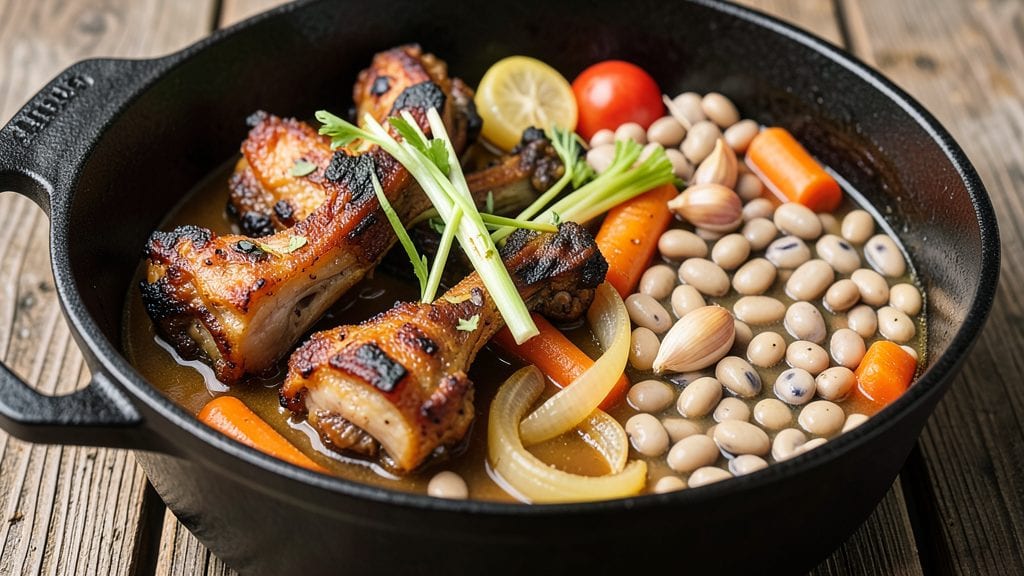
This neck bones and beans recipe delivers the soul-soothing flavors of classic Southern comfort food—rich, smoky, and deeply satisfying in every spoonful.
The secret lies in slow-simmering pork neck bones with navy beans until the meat falls from the bone, creating a broth so flavorful it transforms simple ingredients into something extraordinary.
I first made this during a chilly fall evening when I craved the kind of hearty meal that warms both body and spirit.
The beauty of this dish is its simplicity: just a few ingredients—pork neck bones, dried beans, aromatics, and spices—simmered together for hours until the flavors meld into perfect harmony.
The slow cooking process breaks down the collagen in the bones, turning them into tender, flavorful bits that infuse the beans with unmatched depth. What you end up with is a one-pot wonder that’s as nourishing as it is delicious, perfect for feeding a crowd or savoring in quiet moments.
By the time you’re ready to serve, you’ll have a pot of smoky, rich beans with tender pork that practically melts in your mouth. The aroma alone will have everyone gathering around the table, and the first bite delivers that unmistakable taste of home-cooked comfort.
This is the kind of dish that gets better with each passing hour, rewarding patience with flavor that lingers long after the last bite.
Serve it with warm cornbread to soak up every last drop of that flavorful broth, or pair it with steamed greens for a complete Southern feast. The leftovers? Even better the next day, if there are any. Let’s get cooking—this recipe is about to become a staple in your kitchen.
Ingredients for neck bones and beans
Just 13 ingredients for soul-warming flavor that gets better with time.
| Ingredient | Amount | Notes |
|---|---|---|
| Pork Neck Bones 🍖 | 2 lb | Raw, with meat still attached |
| Navy Beans 🌱 | 1 ½ cups | Dried, rinsed and picked over |
| Yellow Onion 🧅 | 1 whole | Chopped, medium size |
| Carrot 🥕 | 2 whole | Chopped into 1-inch pieces |
| Celery Stalks 🌿 | 3 whole | Chopped, with leaves |
| Garlic Cloves 🧄 | 4 cloves | Smashed, not minced |
| Smoked Paprika 🌶️ | 1 tbsp | For authentic smoky flavor |
| Ground Black Pepper 🌶️ | 1 tsp | Freshly cracked |
| Bay Leaves 🍃 | 2 whole | Dried, standard size |
| Salt 🧂 | 1 ½ tsp | Kosher or sea salt |
| Apple Cider Vinegar 🍎 | 1 tbsp | For brightness |
| Water 💧 | 8 cups | Filtered preferred |
| Fresh Thyme 🌿 | 2 sprigs | Or 1 tsp dried thyme |
Pork neck bones are the star here—look for good marbling at your butcher or grocery store's meat counter. Costco or Whole Foods often carry them pre-packaged, but if you're buying whole, ask for the neck section with meat still attached. The more meat, the better. Navy beans? Bob's Red Mill or Great Northern brands are reliable, but any dried navy beans work. Rinse them well before adding to the pot—they'll expand significantly. Fresh thyme is ideal, but dried works too (just use a third of the amount). The key is letting everything simmer low and slow so the collagen breaks down into that rich, smoky goodness.
No smoked paprika? Regular paprika plus a pinch of liquid smoke gets you close. Short on thyme? Dried oregano or marjoram works in a pinch. The apple cider vinegar might sound odd, but it brightens the dish (lemon juice works too). No fresh aromatics? Powdered onion and garlic will do, but the fresh stuff makes a world of difference. The beans can be soaked overnight to speed things up, but the intro method (no soak) builds more flavor. If you're feeding a crowd, double the beans and bones—this recipe scales beautifully. And trust me, the leftovers are even better the next day.
This keeps for 5-6 days in the fridge, if there are any leftovers (unlikely). The flavor actually deepens overnight, so make extra. For freezing, portion into containers and it'll last up to 3 months. I like to freeze individual servings so I can thaw just what I need. The broth thickens as it cools, so add a splash of water when reheating. Serve with cornbread to soak up every last bit of that smoky, savory goodness—it's the perfect Southern comfort.
Why You'll Love This Recipe
- One-Pot Magic: I swear by this recipe when I’m too tired to scrub pots—just toss everything in a Dutch oven, add water, and let it simmer. The beans soften while the bones melt into the broth, and honestly? I’ve never had a cleaner sink after making it.
- Deep, Rich Flavor: That first bite of tender pork falling off the bone, paired with navy beans soaking up the savory broth—it’s like a hug in a bowl. The onions, carrots, and celery create this perfect base that builds flavor the longer it cooks, so it only gets better.
- Meal Prep Goldmine: Between us, this is my secret weapon for busy weeks. Make a big batch on Sunday, and you’ve got hearty lunches all week—no sad leftovers here. The flavors actually improve over time, so it’s perfect for taking to work or packing for school lunches.
- Budget-Friendly Feast: Pork neck bones are cheap, beans stretch forever, and veggies round it out without breaking the bank. I’ve fed my whole family (plus a few extra mouths) for under $15, and no one ever complains—because it’s just that satisfying.
Step-by-step instructions for slow-simmered neck bones and beans
This one-pot wonder delivers deep, smoky flavor with tender meat and creamy beans—just follow these simple steps.
Sear the Pork Neck Bones for Maximum Flavor
Heat a large Dutch oven over medium-high heat. Add the 2 lb pork neck bones and sear them for 5-6 minutes per side until they develop a deep golden-brown crust. This step creates the foundation for rich, caramelized flavors that'll infuse the entire dish.
Don't rush this process—you want those bones to turn a rich mahogany color. The meat should release easily from the bones when you press gently with tongs. As they sear, you'll notice the fat beginning to render out and sizzle in the pot. This rendered fat will later form the base of your sauce, so don't wipe it out.
Build the Aromatic Base with Vegetables and Spices
Remove the seared bones from the pot and set them aside. In the same Dutch oven, add 2 tablespoons of the rendered fat (if there isn't enough, add 1 tablespoon of olive oil). Add the chopped yellow onion, carrot, celery stalks, and 4 smashed garlic cloves. Cook over medium heat for 8-10 minutes until the vegetables soften and become tender.
Here's where the magic happens: you'll see the vegetables release their moisture and begin to caramelize slightly. This process develops deep, sweet flavors that'll penetrate the beans and meat. Stir occasionally, but don't overcrowd the pot—this prevents steaming instead of browning. Once the vegetables are tender and fragrant, sprinkle in the 1 tablespoon smoked paprika, 1 teaspoon ground black pepper, and 1.5 teaspoons salt. Stir for 30 seconds to toast the spices and release their aromas.
Combine and Simmer the One-Pot Masterpiece
Return the seared pork neck bones to the Dutch oven. Add the 1.5 cups rinsed navy beans, 2 whole bay leaves, 2 sprigs fresh thyme, 1 tablespoon apple cider vinegar, and 8 cups water. Stir everything together, making sure the beans are well-coated with the aromatic vegetable mixture.
Bring the mixture to a boil over high heat, then immediately reduce the heat to low. Cover the pot and let it simmer gently for 2 to 2.5 hours. The key here is patience—the beans need time to absorb all those rich flavors while the pork neck bones break down into tender, melt-in-your-mouth pieces. You'll know it's ready when the beans are tender and the meat easily pulls away from the bones with a fork.
Finish and Rest for Perfect Texture
Once the beans are tender and the pork is falling off the bones, remove the bay leaves and thyme sprigs. Taste the broth and adjust the seasoning if needed—you might want to add a bit more salt or a splash of apple cider vinegar for brightness. The beans should be creamy but still hold their shape, and the pork should be so tender it practically dissolves on your tongue.
Let the entire pot rest for 10 minutes off the heat. This resting period allows the flavors to meld together and the beans to finish absorbing the delicious broth. Serve the beans and pork directly from the pot, ladling the rich, smoky broth over each serving. The result is a hearty, comforting dish that tastes even better the next day as the flavors continue to develop.
Pro Tips For Making Neck Bones And Beans
- BLANCH BEANS FIRST: Dump those dry navy beans straight into the pot and you’ll end up with a gummy mess. Instead, boil them for 2 minutes, then drain—this softens them just enough to absorb flavor without turning mushy. (Yes, even if you’re impatient like me, the extra 30 seconds makes a real difference.)
- CRACK THE BONES: Neck bones are tough, but a sharp knife and a few firm whacks on the cutting board will split them open—expose more marrow, and cut cooking time by 30 minutes. Skip this, and you’re left with chewy, undercooked meat. (I learned this the hard way.)
- SWEAT THE VEGETABLES LOW: Dump onions, carrots, and celery into a cold pot, then turn the heat to medium-low. Let them steam and soften for 5 minutes before adding liquid—this prevents burning and builds a deeper flavor base. (Your future self will thank you.)
- SKIP THE WATER RUSH: Adding too much liquid at once dilutes the broth. Start with just enough to cover the beans by 1 inch, then add more as needed. The goal is slow simmering, not a soup. (Does it look weird? Yes. Does it work? Every single time.)
Serving suggestions for this dish
Cornbread Pairing
Nothing complements this smoky bean dish like a warm, buttery cornbread. I love using a simple mix of 1 cup cornmeal, 1 cup all-purpose flour, 1 tbsp baking powder, and 2 tbsp sugar, baked until golden.
The slightly sweet, crumbly texture soaks up the rich broth beautifully. For extra flavor, stir in ½ cup shredded sharp cheddar or ¼ cup honey into the batter before baking. 🌽
Steamed Greens
Collard greens or kale make the perfect side to balance the richness. Sauté 1 lb chopped greens with 2 tbsp bacon fat (or olive oil) for 5 minutes, then add 1 cup chicken broth and simmer covered for 20 minutes.
A splash of apple cider vinegar brightens them up, just like in the beans. The earthy flavors create a complete Southern meal.
Crusty Bread
For serving directly from the pot, offer a basket of warm, crusty bread. I recommend a French baguette or sourdough loaf from the bakery section. Tear pieces to dip into the smoky bean broth—it's like getting a second helping of flavor with every bite.
The crust adds satisfying texture contrast to the creamy beans and tender pork.
Pickled Veggies
Add a tangy crunch with quick-pickled vegetables. Thinly slice 1 cucumber, 1 carrot, and ½ red onion, then soak in 1 cup apple cider vinegar, 1 tbsp sugar, and 1 tsp salt for at least 30 minutes.
The bright acidity cuts through the richness and adds freshness. Serve in small bowls for easy scooping.
Buttermilk Biscuits
Flaky buttermilk biscuits elevate this dish to restaurant-quality. Use a mix of 2 cups flour, 1 tbsp baking powder, 1 tbsp sugar, and ½ tsp salt, cut into rounds and baked until golden.
The buttermilk adds a subtle tang that pairs perfectly with the smoky beans. Brush warm biscuits with melted butter for extra richness.
Cheesy Grits
For a creamy alternative, prepare cheesy grits by cooking 1 cup stone-ground grits in 4 cups milk until thick, then stir in 1 cup shredded sharp cheddar and 2 tbsp butter.
The smooth texture contrasts nicely with the hearty beans, and the cheese adds another layer of Southern comfort. Top with extra black pepper for a finishing touch. 🧀
Nutrition facts
Frequently asked questions
Can I use canned beans instead of dried for this recipe?
While you can substitute 2 (15-ounce) cans of navy beans for the dried version, you'll miss out on the deep flavor development that comes from slow-cooking dried beans. The canned beans will work in a pinch, but soak them for 30 minutes first to reduce excess sodium. For best results, stick with dried beans—they absorb all that smoky, savory broth and become truly creamy.
How do I know when the pork neck bones are fully cooked?
The bones are done when the meat easily pulls away from the bone with a fork and the broth has reduced slightly, coating the beans in a rich, flavorful sauce. Look for 2-2.5 hours of simmering time, but the true test is tenderness. The meat should be so soft it practically dissolves on your tongue, and the bones should feel tender when squeezed gently.
Can I make this recipe in a slow cooker instead of a Dutch oven?
Follow the same steps for searing the bones, then transfer everything to your slow cooker. Cook on low for 8-10 hours or high for 5-6 hours, adding 1 cup water if the mixture looks dry. The slow cooker's gentle heat will break down the collagen beautifully, creating that same tender, smoky goodness. Just stir occasionally to prevent sticking.
What can I do if my beans are too mushy after cooking?
If your beans turn out too soft, you likely overcooked them. For future batches, check for tenderness at 2 hours of simmering. If they're already mushy, try balancing the texture by adding 1 cup chopped vegetables (like carrots or celery) to bulk up the dish. The extra veggies will add body and freshness while soaking up the rich broth.
Is it safe to eat the pork neck bones after cooking?
Yes, the bones are perfectly safe to eat after cooking! They become tender and flavorful, adding texture and depth to the dish. Just be cautious when handling raw bones before cooking—they can be sharp. Once properly cooked, they're a delicious part of the meal, offering both substance and extra richness.