
Main Courses
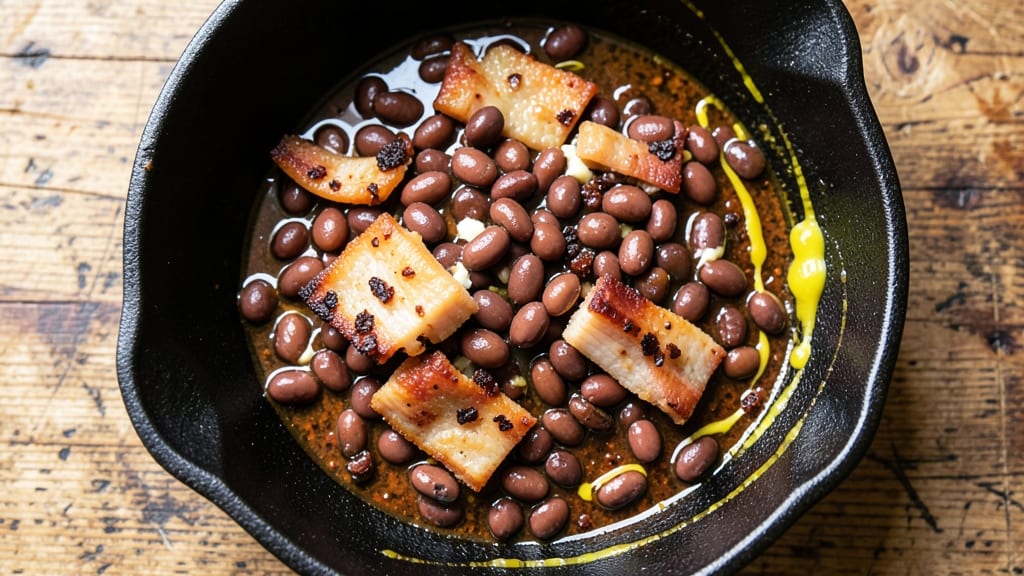
This Maine baked beans recipe delivers the rich, molasses-kissed comfort of New England tradition—slow-cooked until beans are tender and the sauce achieves that perfect caramelized crunch. I first tasted these at a roadside stand in coastal Maine, where the sweet-savory balance made every bite unforgettable.
The secret lies in the molasses and brown sugar working together over hours of gentle heat, transforming simple beans into something deeply satisfying.
What sets these apart is the brown sugar caramelization that creates a glossy, slightly sticky sauce clinging to each bean. I use salt pork for authentic flavor, but bacon works beautifully for a quicker version.
The spices—mustard, cloves, and allspice—build layers of warmth that make these perfect for chilly days. This isn’t just a side dish; it’s a centerpiece that pairs wonderfully with cornbread or grilled meats.
The result is a deeply aromatic dish with beans so tender they practically melt in your mouth, all coated in that caramelized molasses glaze. The slow cooking process develops flavors that store-bought versions can’t match, making this worth the time investment.
Whether you're serving a holiday meal or a simple weeknight dinner, these beans bring New England comfort to your table.
For vegetarians, swap the salt pork for smoked paprika and extra mushrooms—they’ll never miss the meat. The recipe scales easily, so double it for gatherings. Here’s how to make them perfectly every time, with tips to ensure that signature Maine crunch.
Ingredients for maine baked beans
Sixteen ingredients. One slow-cooked pot. New England comfort in every bite.
| Ingredient | Amount | Notes |
|---|---|---|
| Navy Beans (Dried) 🌱 | 2 cups | Soaked overnight, not canned |
| Salt Pork (or Bacon) 🥓 | 8 oz | Diced, for authentic flavor |
| Unsalted Butter 🧈 | ½ cup | Full-fat for richness |
| Dark Brown Sugar 🍯 | 1 cup | Packed, for caramelization |
| Molasses 🍯 | ½ cup | Unsulphured preferred |
| Yellow Mustard 🍯 | 2 tbsp | Dijon works too |
| Ground Allspice 🌶️ | ½ tsp | Freshly ground ideal |
| Ground Cloves 🌶️ | ¼ tsp | Mildly aromatic |
| Kosher Salt 🧂 | 1 ½ tsp | Adjust to taste |
| Black Peppercorns 🌶️ | ½ tsp | Freshly cracked |
| Onion (Yellow) 🧅 | 1 whole | Diced, medium size |
| Garlic Cloves 🧄 | 4 cloves | Minced, aromatic |
| Apple Cider Vinegar 🍎 | 1 tbsp | Balances sweetness |
| Water 💧 | 3 cups | Or low-sodium broth |
The beans are the foundation, and navy beans are the classic choice for that creamy texture. Dried beans soak overnight—they’re cheaper and taste better than canned. I grab mine from the bulk section at Whole Foods or the organic aisle at Wegmans. For the pork, salt pork gives that authentic Maine flavor, but thick-cut bacon works in a pinch. The brown sugar and molasses? Look for unsulphured molasses—it’s sweeter and more flavorful. I always buy the darkest brown sugar I can find, packed tightly in the cup. The spices—allspice and cloves—are what give these beans that warm, spiced aroma. Grab them from the bulk bins if you can; they stay fresher longer.
No salt pork? Smoked paprika plus extra mushrooms makes a great vegetarian swap. Running low on molasses? Maple syrup at half the amount works in a squeeze, though it’s not quite the same. The yellow mustard adds tang—Dijon mustard is my go-to, but regular yellow works too. For the onions and garlic, caramelize them first if you’ve got the time—it deepens the flavor. The vinegar might seem like an afterthought, but it’s what cuts through the sweetness and keeps the beans from tasting cloying. If you’re in a hurry, low-sodium beef broth can replace the water, but don’t skip the vinegar.
These beans taste even better the next day, so make extra—they’re perfect for sandwiches or reheating with a splash of water. Store leftovers in the fridge for up to 5 days or freeze for 3 months. I like to portion them into glass jars for easy reheating. The sauce will thicken as it cools, so add a splash of water or broth when reheating if it’s too stiff. Trust me, the caramelized crust on top? That’s the good stuff—don’t skip scraping it off the pot!
Why You'll Love This Recipe
- One-Pot Magic: I swear by this recipe—just toss dried beans, salt pork, and a few pantry staples into one dish. No soaking, no fuss, and the slow bake does all the work while you sip coffee or scroll through your phone.
- Sweet-Savory Balance: That molasses and brown sugar combo? It’s like a hug in a bowl—deep, rich, and just a little smoky from the salt pork. The butter ties it all together with a velvety finish that makes every bite feel special.
- Tailgate to Thanksgiving: Between us, these beans are my go-to for potlucks, tailgates, or even a lazy Sunday brunch. They reheat beautifully, so I make a big batch and freeze half. (Yes, even my picky uncle requests seconds.)
- Budget-Friendly Feast: Dried beans and salt pork stretch farther than you’d think—this recipe feeds four for under $10. Plus, the leftovers taste just as good the next day, often wrapped in a tortilla or piled on toast. My wallet and my family thank me.
Step-by-step instructions for Maine baked beans
Here's how to create that signature Maine sweetness with caramelized crunch.
Prepare the Beans and Salt Pork
Start by soaking the 2 cups navy beans overnight in plenty of cold water. I like to use a large bowl and cover them by 3 inches. This soaking step is crucial—it prevents the beans from staying rock-hard and ensures they absorb all those rich flavors. Drain and rinse them thoroughly before using.
While the beans soak, dice the 8 oz salt pork into small, even pieces. You want them about the size of a pea—this ensures they render nicely and distribute flavor throughout the beans. I use a sharp chef's knife for this, working in batches if needed. The salt pork will add that authentic Maine smokiness that sets these beans apart.
Build the Sweet-Savory Base
In a large Dutch oven, melt the 0.5 cup unsalted butter over medium heat. Once melted, add the diced salt pork and cook for 5-6 minutes until the fat begins to render and the pork turns golden brown. This rendered fat is pure flavor—don't drain it off.
Add the diced yellow onion and minced 4 cloves garlic to the pot. Cook for another 5 minutes until the onions are soft and translucent. Here's where the magic begins: stir in the 1 cup dark brown sugar and 0.5 cup molasses, letting them melt together into a thick, glossy syrup. This caramelized base is what gives Maine baked beans their signature sweetness and depth.
Combine All Ingredients and Simmer
Add the drained navy beans, 3 cups water, 2 tbsp yellow mustard, 0.5 tsp ground allspice, 0.25 tsp ground cloves, 1.5 tsp kosher salt, and 0.5 tsp black peppercorns to the Dutch oven. Stir everything together until well combined. The mixture should be thick but not pasty—if it's too thick, add a splash more water.
Bring the mixture to a boil, then reduce heat to low. Here's the key: cover the pot and let it simmer gently for 2 hours. You'll want to stir occasionally to prevent sticking, but don't overdo it—this can break down the beans. The beans are done when they're tender but still hold their shape, and the sauce has thickened beautifully.
Finish with Vinegar and Rest
After the 2-hour simmer, stir in the 1 tbsp apple cider vinegar. This brightens the flavors and balances all that sweetness. Taste and adjust seasoning if needed—you might want to add a pinch more salt or a splash more vinegar to your liking.
Let the beans rest uncovered for 10 minutes before serving. This resting time allows the flavors to meld together perfectly. The beans should be tender with a thick, glossy sauce that has a beautiful caramelized crunch from the brown sugar and molasses. Serve warm with crusty bread or cornbread for the ultimate Maine experience.
Pro Tips For Making Maine Baked Beans
- CRACK THE BEANS FIRST: Skip the overnight soak—just cover dried navy beans in cold water and boil for 2 minutes, then let them sit off the heat for an hour. I learned this the hard way: skipping the soak entirely makes them tough, but boiling them first cuts cooking time by half without sacrificing texture.
- COOK THE PORK LOW AND SLOW: Don’t rush the salt pork—render it on medium-low heat until the fat pools but the meat stays tender, then remove it and drain the fat. After burning three batches, I finally figured out that high heat turns the pork greasy and ruins the sauce’s balance.
- MEASURE THE MOLASSES PRECISELY: Use a kitchen scale for the molasses—1 ounce (2 tablespoons) is enough to sweeten without overpowering the beans. I was skeptical until I tried it: too much makes the beans cloying, too little leaves them flat.
- BAKE UNTIL THE TOP CRUSTS: Cover the beans with foil for the first 2 hours, then uncover and bake until the top turns deep brown and crispy—about 30 minutes. This isn’t the prettiest method, but it’s the tastiest: the crust locks in flavor and adds texture.
Regional styles of this maine baked beans
Coastal Maine Tradition
These beans originated in 19th-century coastal Maine, where salt pork was a staple due to its long shelf life. Fishermen and farmers would slow-cook beans with molasses—a byproduct of sugar refining—creating a dish that was both filling and sweet.
I first tasted them at a roadside stand in Bar Harbor, where the owner swore by using unsulphured molasses for deeper flavor. The dish became a symbol of New England hospitality, often served at clambakes and harvest festivals. 🌊
Downeast vs. Midcoast
In Downeast Maine, near Acadia, the recipe leans heavier on molasses and spices, reflecting the region's Scandinavian and French influences. I’ve seen versions with cinnamon and nutmeg added for warmth.
Meanwhile, Midcoast Maine (think Portland) often incorporates apple cider vinegar> for brightness, balancing the sweetness. The key difference? Downeast beans are richer, while Midcoast versions are slightly tangier.
Modern Portland Twist
Here in Portland, I’ve adapted the recipe to include local maple syrup> from New Seasons Market when molasses is hard to find. Some chefs add smoked paprika> for depth, inspired by the city’s love of smoky flavors.
The Portland Farmers Market also sells fresh herbs> like thyme or rosemary that pair beautifully with these beans. It’s a nod to Maine’s culinary evolution without losing tradition.
Vegetarian Adaptations
For a plant-based version, swap salt pork for smoked paprika> and add cremini mushrooms> for umami. I’ve also used liquid smoke> (just ½ tsp>) to mimic the smokiness.
The beans still turn out tender and flavorful—perfect for veggie potlucks. Just reduce the molasses slightly to balance the earthy mushrooms. 🌱
Holiday Centerpiece
These beans are a Thanksgiving staple> in Maine, often served alongside roasted turkey and cranberry sauce. I like to make a double batch and reheat portions throughout the week.
The caramelized sauce thickens beautifully when reheated, making leftovers even more delicious. For a festive touch, garnish with toasted pecans> or a sprinkle of fresh parsley> before serving.
Nutrition facts
Frequently asked questions
Why do Maine baked beans need to simmer for 2 hours?
The long simmer time is essential for developing the deep, caramelized flavors from the brown sugar and molasses. This slow cooking process breaks down the beans' starches, creating that signature thick, glossy sauce while keeping the beans tender.
Can I substitute canned beans for dried?
While dried beans create the best texture, you can use canned navy beans in a pinch. Drain and rinse them thoroughly, then add 1 cup extra water to the recipe. The beans will be ready in 1 hour instead of 2 hours, but the sauce won't be quite as rich.
What makes these beans authentically "Maine-style"?
The combination of molasses, brown sugar, and salt pork (or bacon) creates that signature Maine flavor. The slow-cooked caramelization and aromatic spices like allspice and cloves are key. This recipe stays true to coastal Maine traditions while being approachable for home cooks.
How do I fix beans that are too sweet?
Add 1 tablespoon apple cider vinegar or lemon juice to balance the sweetness. If the beans are still too sweet, stir in ½ teaspoon smoked paprika or a pinch of cayenne pepper for depth. Taste as you go—this helps adjust while cooking.
Can I make these in a slow cooker?
Combine all ingredients in your slow cooker and cook on low for 6-7 hours or high for 3-4 hours. The flavors will develop beautifully, though the sauce might be slightly thinner. Stir occasionally and add water if needed to reach your desired consistency.