Side Dishes
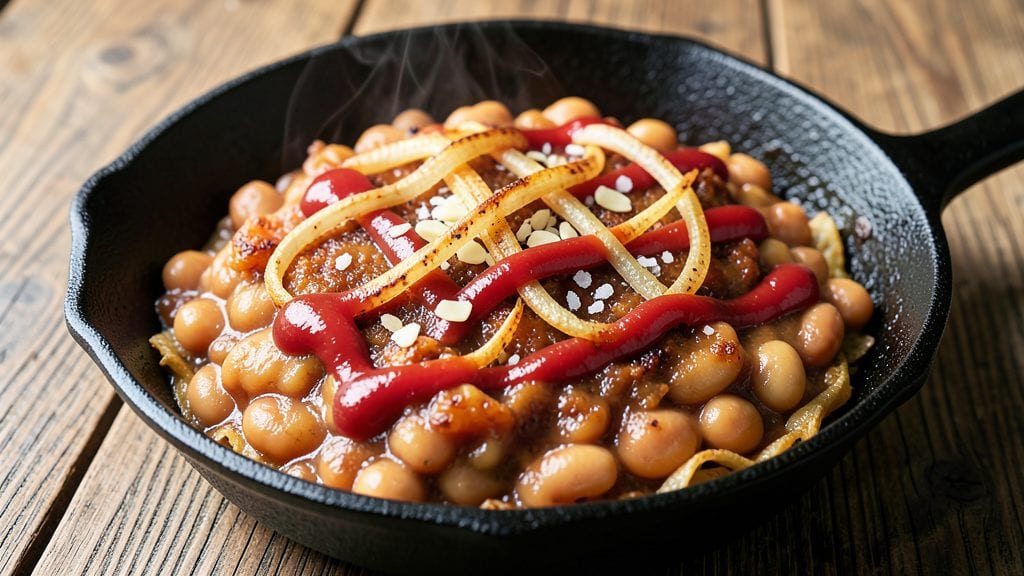
Transforming Campbell’s vegetarian baked beans into a rich, caramelized masterpiece with brown sugar and molasses depth is easier than you think. This recipe delivers restaurant-quality flavor without the fuss, perfect for vegetarian meals or hearty sides.
The molasses adds a subtle complexity that elevates simple canned beans into something truly special.
What makes this recipe stand out is the balance of sweetness and smokiness—brown sugar caramelizes beautifully while molasses adds depth. You’ll need just 15 minutes of prep time, followed by 2 hours in the oven, where the flavors meld into a velvety, slightly sticky finish.
The best part? It’s foolproof and vegetarian-friendly, making it a crowd-pleaser for any meal.
By the time you’re done, you’ll have tender beans coated in a glossy, caramelized sauce that’s worth every bite. The aroma alone will have everyone asking for seconds—ideal for BBQ sides, breakfast plates, or even a cozy weeknight dinner.
Serve with crusty bread or alongside grilled meats for a complete meal.
For extra richness, top with melted cheese or a sprinkle of smoked paprika. This recipe scales perfectly for gatherings, and leftovers reheat beautifully. Let’s get started!
Ingredients for campbell's baked beans
Brown sugar and molasses transform simple canned beans into rich, caramelized vegetarian comfort food.
| Ingredient | Amount | Notes |
|---|---|---|
| Campbell's Vegetarian Baked Beans 🍲 | 2 cans | 15 oz each, drained |
| Light Brown Sugar 🍯 | ½ cup | Packed, for caramelization |
| Molasses 🍯 | ¼ cup | Unsulphured preferred |
| Yellow Onion 🧅 | 1 whole | Diced, yellow or red |
| Garlic Cloves 🧄 | 3 cloves | Minced, fresh preferred |
| Ketchup 🍅 | ½ cup | No sugar added preferred |
| Apple Cider Vinegar 🍏 | 2 tbsp | For tangy depth |
| Smoked Paprika 🌶️ | 1 tbsp | For smoky flavor |
| Ground Black Pepper 🌶️ | ½ tsp | Freshly ground preferred |
| Diamond Crystal Kosher Salt 🧂 | 1 tsp | Adjust to taste |
| Unsalted Butter 🧈 | 2 tbsp | For richness |
| Cheddar Cheese 🧀 | ½ cup | Shredded, sharp preferred |
| Crusty Bread 🍞 | 4 slices | For serving, optional |
The molasses is what makes this stand out—unsulphured has a cleaner flavor, but regular works too. Grab a small bottle from Trader Joe's or the baking aisle at Whole Foods. For the brown sugar, light brown gives just enough moisture without making it too sticky. I always use Diamond Crystal kosher salt because it dissolves better than table salt. The smoked paprika? Penzeys has the best quality, but any smoked variety works. If you're short on time, skip the fresh garlic and use 1 tsp garlic powder—it's a decent shortcut.
No molasses? Maple syrup at half the amount works in a pinch, though it's sweeter. Short on brown sugar? White sugar plus 1 tsp cinnamon mimics the caramelization. The ketchup can be swapped for tomato paste plus 1 tbsp vinegar—just thin it with a splash of water. The butter adds richness, but olive oil works too if you're watching dairy. For the cheese, Pepper Jack gives a nice kick, or skip it entirely if you prefer it vegetarian-only. The crusty bread is purely for serving—sourdough or a good baguette both work perfectly.
This reheats beautifully—just add a splash of water to loosen it up. Keeps for 5 days in the fridge, or 3 months frozen. I always make a double batch because it's that good. The flavors deepen overnight, so leftovers are honestly even better. Store in an airtight container, and if freezing, portion it into individual containers for easy reheating. The cheese topping? Add it fresh after reheating so it melts perfectly.
Why You'll Love This Recipe
- Five-Minute Prep: I swear, this takes longer to preheat the oven than it does to mix everything. Just dump the beans, toss in the diced onion and minced garlic, sprinkle that brown sugar and molasses—boom, you’re done. No chopping like a madman, no measuring cups out of place.
- Sweet-Savory Magic: That molasses and brown sugar combo? It’s like dessert and dinner had a baby. The caramelized onions and garlic deepen the flavor while you bake, so you get this rich, slightly smoky-sweet taste that’s ridiculously good straight from the pan.
- Tailgate or Taco Night: Serve it warm with cornbread for a lazy Sunday, or mash it onto hot dogs at your next backyard cookout. Honestly, I’ve even used it as a taco filling—yes, even on a Tuesday night—and no one’s ever complained. It’s that versatile.
- Leftovers That Don’t Suck: The best part? These beans taste even better the next day. I make a double batch, reheat portions for quick lunches, or toss them into soup when I’m out of ideas. And since it’s budget-friendly, I’m not stressing over wasted food. Win-win.
Step-by-step instructions for Campbell's baked beans with molasses caramel
This method transforms canned beans into a rich, caramelized masterpiece with deep molasses flavor.
Sauté Onions and Garlic Until Golden
Melt the 2 tablespoons unsalted butter in a large oven-safe skillet over medium heat. Add the diced yellow onion and cook for 5-6 minutes, stirring occasionally, until softened and beginning to turn golden. This slow cooking draws out sweetness from the onions that will caramelize beautifully later.
Reduce heat to medium-low and add the 3 minced garlic cloves. Cook for 30 seconds until fragrant—you'll smell that unmistakable garlic aroma. Here's the thing: don't let it brown or it'll turn bitter. Immediately remove the skillet from heat and let the aromatics cool slightly while you prepare the next ingredients. This prevents scorching when you add the acidic components later.
Build the Flavor Base with Sweet and Tangy Components
Return the skillet to medium heat and add the 0.5 cup light brown sugar and 0.25 cup molasses. Stir constantly for 3-4 minutes until the sugar begins to caramelize—you'll see it turn from golden to amber and smell that rich, buttery caramel aroma. This is where the magic happens, so don't rush it.
Add the 0.5 cup ketchup, 2 tablespoons apple cider vinegar, 1 tablespoon smoked paprika, 0.5 teaspoon ground black pepper, and 1 teaspoon diamond crystal kosher salt. Stir well to combine, letting the mixture simmer for 1-2 minutes until everything is fully incorporated. The vinegar will help cut through the sweetness while the smoked paprika adds that essential smoky depth that makes these beans so satisfying.
Combine and Bake Until Thick and Glossy
Drain the 2 cans Campbell's vegetarian baked beans and add them to the skillet. Stir gently to coat everything evenly with the caramelized sauce. The beans should absorb the flavors immediately—you'll see that beautiful amber color developing as it coats each bean. Transfer the skillet to a preheated 350°F oven and bake uncovered for 30-35 minutes.
Here's what to watch for: the beans should thicken noticeably and develop a glossy sheen. They're done when the sauce has reduced enough to cling to the beans rather than pool at the bottom. If it's browning too quickly, tent loosely with foil. The internal temperature should reach 210°F when checked with an instant-read thermometer—this ensures they're heated through without drying out.
Finish with Butter and Cheese for Richness
Remove the beans from the oven and stir in the remaining 1 tablespoon unsalted butter. This adds luxurious richness that balances all the sweet and smoky flavors. Let the beans cool slightly for 2-3 minutes, then fold in the 0.5 cup shredded cheddar cheese until melted and creamy. The cheese should melt completely, creating a velvety texture that coats each bean.
Taste and adjust seasoning if needed—you might want to add a pinch more salt or a splash of vinegar to perfect the balance. The beans should be sweet, smoky, tangy, and rich all at once. Serve immediately with the 4 slices crusty bread for dipping, or let them rest for 10 minutes if you prefer slightly thicker sauce. Either way, you've just elevated canned beans to restaurant-quality status.
Pro Tips For Making Campbell'S Baked Beans
- COOK ON LOW AND LONG: Campbell’s beans taste best when baked slow—think 2.5 to 3 hours at 300°F (not the 350°F the can suggests). I learned this the hard way: high heat makes them watery and the flavors undercook. Low and slow lets the molasses and sugar caramelize into a glossy, rich coating.
- CARAMELIZE THE ONIONS FIRST: Don’t just chop and dump the onion—sauté it in a little oil until it’s deep golden, almost jammy, before adding the beans. This step cuts through the sweetness of the molasses and adds depth. (Yes, even if you’re impatient like me.)
- STIR IN THE MOLASSES LAST: Add the molasses and brown sugar after the beans have baked for at least an hour. Stirring it in too early makes the mixture too wet and can prevent the beans from thickening properly. The later you add it, the glossier and sweeter the top layer becomes.
- USE A LITTLE BUTTER AT THE END: Skip the butter if you’re lazy, but trust me: a pat of cold butter stirred into the beans during the last 15 minutes of baking makes them silky and rich. It cuts the acidity of the molasses and adds a subtle, unmistakable upgrade. (Your future self will notice.)
Common mistakes when making great campbell's baked beans
Over-Sweetening the Sauce
I’ve seen this happen more times than I can count—adding too much brown sugar or molasses makes the beans cloyingly sweet instead of perfectly balanced. The key is patience: caramelize the sugar gradually over 3-4 minutes on medium heat, stirring constantly.
If you rush it, you’ll end up with a sticky mess that tastes like candy rather than savory beans. 🍯
To fix it, add 1 tablespoon apple cider vinegar or ½ teaspoon smoked paprika to cut through the sweetness. If the beans are already baked, stir in a splash of water or beef broth to loosen the sauce and restore balance. Trust me, a little acidity goes a long way!
Skipping the Bake Step
Some folks think they can skip the oven and just simmer the beans on the stovetop. Big mistake! The 350°F bake is what develops that deep, caramelized flavor and thickens the sauce to perfection.
On the stovetop, you’ll end up with a thin, watery mess that lacks the rich, glossy texture we’re after. If you’re short on time, try a 15-minute broil at the end to intensify the caramelization.
For a stovetop shortcut, cover the skillet and simmer on low for 20 minutes, stirring occasionally, but you’ll miss that oven-baked depth. The beans won’t be as tender or flavorful, but it’s better than nothing if you’re in a hurry.
Ignoring the Cheese Timing
Adding cheese too early can make your baked beans greasy and unevenly melted. Always fold in the ½ cup shredded cheddar during the last 2-3 minutes of cooking—right after removing them from the oven.
This ensures the cheese melts smoothly into a creamy, velvety sauce rather than clumping or separating. 🧀
If you add it too soon, the cheese will cook unevenly, creating a pasty texture. Pro tip: use freshly shredded cheese (not pre-shredded) for the best melt. And if you’re watching your dairy intake, skip it—these beans are still delicious without it!
Using the Wrong Pot
Not all skillets are created equal! Thin, flimsy pans won’t handle the 30-35 minutes in the oven without warping or burning. I always use a heavy, oven-safe skillet—like a Lodge cast iron or a Le Creuset Dutch oven.
These materials distribute heat evenly and prevent scorching. If you don’t have one, a stainless steel skillet with a thick base will work, but avoid non-stick—it can’t handle the high heat.
If your pan isn’t oven-safe, transfer the beans to a baking dish after sautéing and bake covered with foil. Just don’t forget to stir occasionally to prevent sticking. And for heaven’s sake, don’t use aluminum—it reacts with acidic ingredients like vinegar and ruins the flavor.
Nutrition facts
Frequently asked questions
Can I make these beans without molasses?
Swap the ¼ cup molasses for ¼ cup maple syrup or 3 tablespoons honey for a similar sweetness level. For a deeper flavor, try 2 tablespoons balsamic vinegar instead—it adds tangy complexity without the molasses. The caramelization will still happen, just with a different profile.
How do I prevent the beans from getting too thick?
If your sauce thickens too much during baking, simply stir in 1-2 tablespoons water or broth and let it simmer uncovered for 5 minutes to reduce again. For extra insurance, bake at 325°F instead of 350°F—the lower heat prevents over-reduction. The beans should have a glossy sheen, not a gluey consistency.
Are these beans suitable for meal prep?
Yes! These reheat beautifully—store in an airtight container for up to 5 days in the fridge. For freezing, portion into individual containers and keep for 3 months. Reheat gently on the stovetop with a splash of water or broth to restore moisture. The flavors actually deepen overnight, making leftovers even better.
Can I make this recipe in a slow cooker?
Certainly! Sauté the onions and garlic first, then transfer everything to a slow cooker and cook on Low for 4-5 hours or High for 2-3 hours. Stir occasionally to prevent sticking. The texture will be slightly softer than oven-baked, but still delicious. For extra richness, add 1 tablespoon butter during the last 30 minutes.
What's the best way to serve these vegetarian baked beans?
These are perfect as a side for BBQ, grilled meats, or even breakfast alongside eggs and toast. For extra flair, top with crumbled bacon (for non-veg), green onions, or a dollop of sour cream. They also make a hearty vegetarian main when paired with cornbread or a fresh salad.