Side Dishes
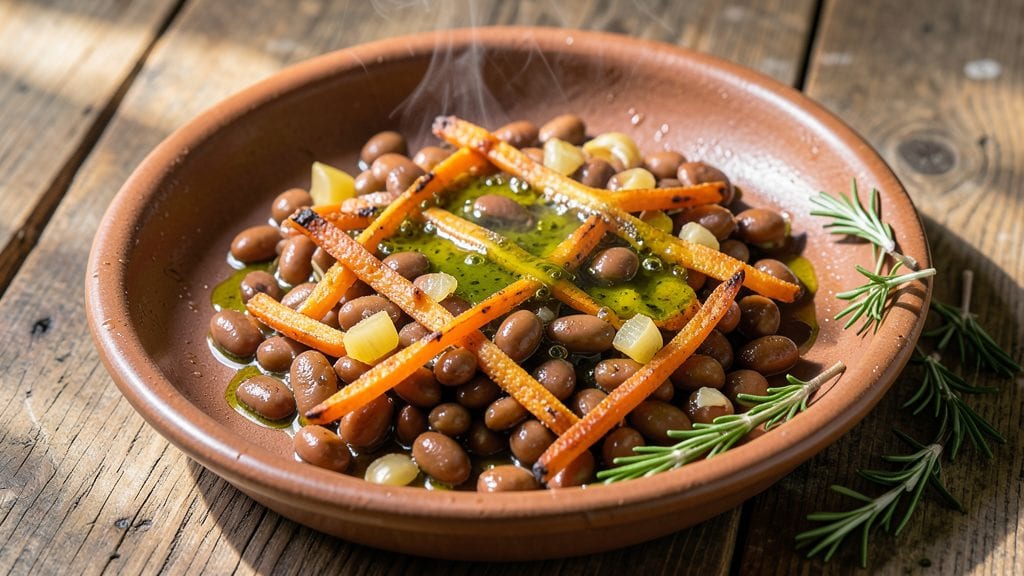
This lupin beans recipe transforms humble legumes into a nutrient-dense side dish with earthy depth and satisfying texture—perfect for plant-based meals. Lupin beans pack 18 grams of protein per half-cup while delivering fiber and iron, making them a standout ingredient in modern cooking.
I discovered their versatility after experimenting with different preparation methods, and the results speak for themselves.
The key to unlocking their full potential lies in proper rinsing and soaking, which reduces bitterness and improves digestibility. Once cooked, these beans develop a nutty, slightly sweet flavor that pairs beautifully with Mediterranean spices, roasted vegetables, or even as a meat substitute.
Unlike other legumes, lupin beans hold their shape remarkably well when cooked, making them ideal for salads, stews, or as a hearty side.
What you’ll end up with is a protein-rich, fiber-packed dish that’s as satisfying as it is nutritious. The beans take on a creamy yet firm texture when prepared correctly, absorbing flavors beautifully while maintaining their structure.
This recipe ensures you’ll never underestimate lupin beans again—whether you’re serving them alongside roasted meats, blending them into dips, or incorporating them into grain bowls.
Beyond their culinary appeal, lupin beans are a sustainable choice with a lower environmental impact than traditional legumes. They grow quickly, require minimal water, and thrive in poor soil conditions, making them a smart addition to any kitchen focused on both flavor and responsibility.
Let’s get cooking with this versatile, nutrient-packed side dish.
Ingredients for lupin beans
Earthy lupin beans meet Mediterranean flavors in this protein-packed side dish perfect for plant-based meals.
| Ingredient | Amount | Notes |
|---|---|---|
| Dried Lupin Beans 🌱 | 1 cup | Rinsed and soaked overnight |
| Extra-Virgin Olive Oil 🫒 | ¼ cup | High-quality, fruity variety |
| Garlic Cloves 🧄 | 4 cloves | Peeled and minced finely |
| Medium Carrots 🥕 | 2 whole | Diced into small cubes |
| Yellow Onion 🧅 | 1 whole | Diced finely |
| Fresh Rosemary 🌿 | ¼ cup | Chopped finely |
| Fresh Thyme 🌿 | ⅛ cup | Leaves only |
| Vegetable Broth 💧 | 2 cups | Low-sodium preferred |
| Lemon Juice 🍋 | 1 tbsp | Freshly squeezed |
| Sea Salt 🧂 | 1 ½ tsp | Diamond Crystal preferred |
| Black Pepper 🌶️ | ½ tsp | Freshly ground |
| Coconut Milk 🥥 | ¼ cup | Full-fat for creaminess |
| Fresh Parsley 🌿 | ⅛ cup | Chopped for garnish |
Lupin beans need proper prep to shine. Start with dried beans from a specialty store—Amazon or local health food markets carry them, but check for organic certification. The key is soaking them overnight in plenty of water (at least 4 cups per cup of beans) to reduce bitterness. Trader Joe's often stocks them pre-rinsed, which saves time. Fresh herbs matter here—rosemary and thyme from the grocery store’s produce section should smell vibrant, not wilted. For the carrots, organic baby carrots work perfectly if you want to skip peeling, but regular carrots are fine too. The vegetable broth? Homemade is best, but even the low-sodium store-bought kind gets the job done.
No lupin beans? Substitute with chickpeas or cannellini beans—they won’t have the same texture but work in a pinch. Short on rosemary? Dried works at half the amount, but fresh is ideal. The coconut milk can be swapped for cashew cream or extra olive oil if you’re avoiding dairy alternatives. For the garlic, garlic powder at half the amount is a decent substitute, though fresh is always better. The carrots can be roasted separately for extra texture if you prefer them caramelized. And if you’re feeling adventurous, swap half the vegetable broth for white wine—it adds a lovely depth.
Lupin beans keep well in the fridge for 4-5 days once cooked, but they’re best enjoyed fresh. Store them in an airtight container with a splash of olive oil to preserve their texture. The herb garnish? Add it fresh right before serving—it wilts fast once chopped. This dish reheats beautifully—just warm it gently with a splash of water or broth to keep it moist. For meal prep, portion into containers with a drizzle of olive oil on top to prevent drying. Freezes for 3 months if you’re planning ahead, though the texture gets slightly softer after thawing.
Why You'll Love This Recipe
- No-Soaking Needed: I’ll admit, I was skeptical about lupin beans—until I realized they only need a quick soak (not all night). Toss them in warm water for 30 minutes, drain, and they’re ready to go. That’s half the battle won before you even start chopping.
- Umami Bomb: The moment those lupins hit the pan with olive oil and garlic? Pure flavor payoff. The beans soak up the caramelized onion and garlic like a sponge, then develop this nutty, earthy richness that’s ridiculously satisfying—no fancy spices required.
- Lunchbox Hero: Between us, this is my go-to for meal prep. Cook a big batch on Sunday, and you’ve got hearty lunches for days. Pack them cold in salads or toss them warm with crusty bread—my kids actually finish their lunches when lupins are involved. (Yes, even on a Tuesday.)
- Budget Protein Power: A cup of dried lupins costs less than half a pound of chicken, and they deliver serious protein. That’s right—this recipe stretches your grocery budget without sacrificing taste. Honestly, it’s the kind of dish that makes me feel clever for feeding my family well.
Step-by-step instructions for earthy lupin beans with nutty depth
This lupin bean dish transforms humble dried beans into a rich, aromatic side that rivals gourmet preparations.
Sauté the Aromatics in Olive Oil
Heat the 0.25 cup extra-virgin olive oil in a large pot over medium heat until shimmering but not smoking. Add the 1 whole yellow onion and 2 whole medium carrots (both diced), cooking for 5 minutes until the onions become translucent and the carrots soften slightly. This foundational step builds flavor through caramelization.
Add the 4 cloves garlic cloves (minced) and the 0.25 cup fresh rosemary along with 0.125 cup fresh thyme. Stir for 1 minute until the garlic releases its pungent aroma and the herbs perfume the oil. The rosemary should darken slightly—this indicates proper cooking and flavor development. Keep the heat at medium to prevent burning the delicate thyme.
Toast the Lupin Beans
Drain the 1 cup dried lupin beans thoroughly after soaking overnight, then add them to the pot. Stir to coat evenly in the aromatic oil, toasting for 3-4 minutes until the beans develop a golden patina. This step enhances their nutty flavor and prevents them from becoming mushy during cooking.
Add 2 cups vegetable broth and bring to a gentle boil. Reduce heat to low and simmer uncovered for 45 minutes, stirring occasionally. The beans should soften but maintain their shape—if they break down too quickly, reduce the heat slightly. This simmering process allows the beans to absorb the surrounding flavors while developing their signature earthy depth.
Finish with Creamy Elements
Stir in the 0.25 cup coconut milk and 1 tbsp lemon juice, simmering for an additional 5 minutes until the sauce thickens slightly and the lemon brightens the dish. Season with 1.5 tsp sea salt and 0.5 tsp black pepper, adjusting to taste. The coconut milk adds a velvety texture that balances the beans' earthiness, while the lemon prevents the dish from becoming overly rich.
Remove from heat and let the lupin beans rest for 5 minutes to allow flavors to meld. Garnish with 0.125 cup fresh parsley just before serving, as the parsley adds a fresh contrast to the deep, nutty profile of the dish. Serve warm alongside grilled meats or roasted vegetables for a protein-rich, flavorful side.
Pro Tips For Making Lupin Beans
- SOAK THE BEANS LONGER: Dried lupins need 12+ hours in water—don’t skimp. I learned this after a batch turned to mush; they absorb moisture like sponges. Swap water every 6 hours if you’re short on time.
- SWEAT THE ONIONS FIRST: Low heat for 8 minutes until the onion is translucent and the kitchen smells sweet. Rushing this step means bitter, raw flavors sneaking into your dish—trust the process, even if you’re impatient.
- CRUSH GARLIC WITH SALT: Mince the garlic cloves, sprinkle with ½ teaspoon of salt, and let sit 5 minutes before adding to the oil. This stops the garlic from burning and deepens its flavor—my grandmother’s trick, and it’s foolproof.
- SIMMER, DON’T BOIL: Once the beans hit the pot, keep the heat at a gentle simmer (tiny bubbles, not a rolling boil). Lupins break down fast, and boiling turns them to paste—adjust the flame like you’re babysitting a baby.
Wine and beer pairings for this lupin beans
Mediterranean Whites
Lupin beans’ earthy profile pairs beautifully with crisp, citrusy whites from the Mediterranean. A Vermentino from Sardinia—with its bright acidity and hints of lemon and almond—cuts through the dish’s richness while complementing the rosemary and thyme.
I reach for Feudo Macchione Vermentino when I want to highlight the lupin beans’ nutty depth. For a budget-friendly option, Italian Pinot Grigio (like Santa Margherita) offers similar freshness without breaking the bank. 🍷
Light-Bodied Reds
If you prefer red wine, opt for a light-bodied Grenache or Beaujolais—both have enough fruitiness to stand up to the lupin beans’ earthiness without overpowering them.
A Côtes du Rhône blend (like Guigal) with its red berry notes and subtle spice bridges the gap between the beans and the dish’s herbal elements. Avoid heavy Cabernets or Syrahs, which can clash with the delicate coconut milk finish.
Craft Beer Pairings
For beer lovers, a Belgian witbier like Stella Artois or Hoegaarden works wonders—their coriander and citrus notes mirror the lemon and herbs in the recipe. If you’re in the mood for something bolder, try a German Helles Lager (like Paulaner) for a malty contrast that balances the lupin beans’ nuttiness.
For a local twist, a wheat beer with a touch of ginger (like Allagash White) adds a refreshing zing.
Non-Alcoholic Options
Skip the alcohol without sacrificing flavor with a sparkling elderflower tonic (like San Pellegrino Aranciata Rossa) or a ginger beer (like Fever-Tree). The effervescence cleanses the palate, while the citrus and ginger echo the lemon and rosemary in the dish.
For a herbal touch, hibiscus iced tea with a squeeze of lemon provides a tart, floral contrast that enhances the lupin beans’ earthy notes.
Dessert Wine Balance
If you’re serving this as part of a larger meal, save a Moscato d’Asti** for dessert—its sweetness and bubbles provide a perfect palate cleanser after the lupin beans’ savory depth.
The light effervescence and floral notes also make it a refreshing closer to the meal, especially if you’ve paired the main course with something richer like grilled lamb or mushrooms.
Nutrition facts
Frequently asked questions
Why do lupin beans need soaking before cooking?
Soaking lupin beans for 8-12 hours removes bitter compounds called alkaloids, which can cause stomach upset if consumed raw. It also reduces cooking time by 30-40 minutes and improves digestibility. For best results, use 4 cups water per 1 cup beans and change the water once during soaking.
Can I substitute lupin beans for chickpeas in recipes?
Yes, but expect different textures—lupin beans stay firmer when cooked, while chickpeas get softer. Use a 1:1 ratio by weight and adjust cooking time (+15-20 minutes). Lupin beans work especially well in salads, stews, or as a meat substitute due to their hearty texture.
How do I store cooked lupin beans?
Store in an airtight container in the fridge for 4-5 days or freeze for 3 months. For freezing, cool completely first, then portion into bags with a splash of olive oil to preserve moisture. Reheat gently with a little water or broth to maintain texture.
Are lupin beans gluten-free and vegan?
Lupin beans are naturally gluten-free and vegan, making them a great protein source for allergies or dietary restrictions. They contain 18g protein per half-cup—more than most legumes—and are rich in fiber and iron. Always check packaging for cross-contamination warnings if sensitive to gluten.
What’s the best way to reduce bitterness in lupin beans?
Beyond soaking, toasting the beans in oil for 3-4 minutes before cooking enhances their nutty flavor and masks bitterness. Adding lemon juice or vinegar at the end also brightens the dish. If bitterness persists, try a longer soak (12+ hours) or use low-alkaloid varieties available at specialty stores.