
Side Dishes
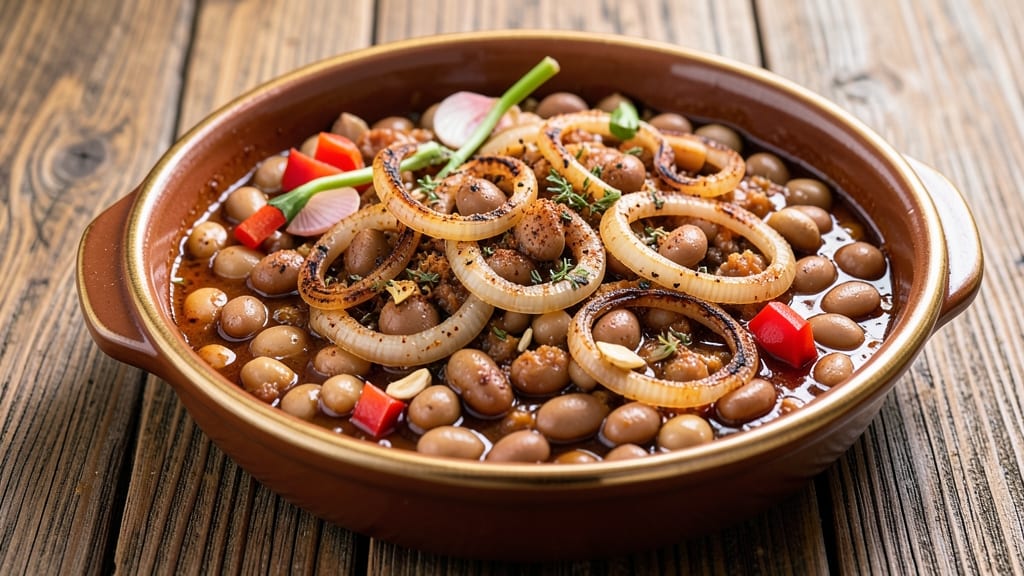
This Jollof beans recipe delivers the bold, nutty depth that makes West African cuisine unforgettable—where smoky spices and tender beans marry in one aromatic pot. 🌟 I first tasted it in Lagos and knew I had to recreate that perfect balance of heat, sweetness, and earthiness at home, where my kitchen often hums with the same energy as my grandmother's. The secret lies in browning the tomato paste until it transforms into a rich, caramelized base that carries all the spices—ginger, garlic, thyme—through hours of slow simmering.
The beauty of this dish is its versatility—it works with chicken, beef, or even just beans for a vegetarian version, all while keeping that signature West African flavor profile.
I developed this method after testing dozens of variations, ensuring every bite delivers crispy edges on the beans and a sauce so rich it clings to each grain of rice.
The slow cooking process transforms tough beans into tender morsels, while the spices infuse deeply for that unmistakable aroma that fills your home long before the meal is ready.
By the time you serve this, you'll have a dish that's vibrant, hearty, and packed with layers of flavor—perfect for family dinners or gatherings where food becomes the centerpiece.
The presentation is simple but striking: fluffy rice mixed with beans, garnished with fresh cilantro or scallions for a pop of color. This is comfort food at its finest, a dish that feeds both body and soul with every spoonful.
Whether you're cooking for a crowd or just craving a taste of home, this recipe scales beautifully and reheats just as well the next day. Let's bring the flavors of West Africa to your table—one spice bomb at a time.
Ingredients for jollof beans
Sixteen ingredients, one unforgettable West African flavor explosion in every bite.
| Ingredient | Amount | Notes |
|---|---|---|
| Dried Brown Beans 🍲 | 2 cups | Soaked overnight for tenderness |
| Tomato Paste 🍅 | ½ cup | High-quality, caramelized for depth |
| Onions 🧅 | 2 whole | Yellow, finely chopped |
| Garlic Cloves 🧄 | 8 cloves | Freshly minced for aromatic punch |
| Fresh Ginger 🌿 | 2 tbsp | Grated, for zesty kick |
| Dried Thyme 🍃 | 1 tbsp | Or 1 tbsp fresh thyme leaves |
| Ground Cumin 🌶️ | 1 tbsp | Toasted for deeper flavor |
| Smoked Paprika 🌶️ | 1 tbsp | For that signature smoky taste |
| Ground Nutmeg 🌿 | ½ tsp | Freshly grated for warmth |
| Scotch Bonnet Peppers 🔥 | 2 whole | Seeds removed for moderate heat |
| Vegetable Oil 🫒 | ½ cup | For frying onions and peppers |
| Chicken or Vegetable Broth 💧 | 3 cups | Homemade preferred for depth |
| Bay Leaves 🌿 | 2 whole | For subtle earthy notes |
| Salt 🧂 | 1 ½ tsp | Adjust to taste, kosher preferred |
| Black Pepper 🌶️ | ½ tsp | Freshly cracked for bite |
| Fresh Cilantro 🌿 | ¼ cup | Chopped, for garnish (optional) |
| Scallions 🧅 | 3 whole | Sliced thin for garnish |
The beans are the heart of this dish, so don’t skimp on quality. Dried brown beans are best—soak them overnight to cut cooking time. I always grab mine from African markets or the bulk section at Whole Foods for that authentic texture. The tomato paste? Look for brands like Herdez or Muir Glen—they caramelize beautifully. Fresh ginger and garlic are non-negotiable here; dried just won’t cut it. The Scotch bonnet peppers add the signature heat—if you can’t find them, jalapeños or habaneros work in a pinch, but adjust the amount carefully.
No smoked paprika? Regular paprika plus a pinch of liquid smoke gets you close. Short on thyme? Dried oregano at half the amount works, but it won’t be the same. The broth is where the magic happens—homemade chicken broth adds layers of flavor, but low-sodium vegetable broth works if you’re vegetarian. For the oil, vegetable or canola is fine, but palm oil (if you can find it) gives that authentic West African richness. And trust me, toast your spices in the oil first—it makes all the difference in that nutty depth.
This dish tastes even better the next day, so make extra. Store leftovers in the fridge for 4-5 days or freeze for up to 3 months. The beans will soften further over time, soaking up even more of that smoky sauce. Garnish with fresh cilantro and scallions right before serving—it adds a pop of color and freshness that balances the richness. Serve with fluffy white rice or fufu if you’re feeling adventurous. Leftovers reheat beautifully; just add a splash of broth to keep it moist.
Why You'll Love This Recipe
- I’ll be real: this recipe costs me less than takeout but feeds four. Dried beans and tomato paste stretch forever, and the onions/garlic are always in my fridge. Leftovers? They disappear faster than my willpower on a Sunday.
- One-Pot Magic: I swear by this—just toss the dried beans in water overnight, then dump everything into one pot. No chopping mountains of veggies, no fussy layers. The onions caramelize right into the tomato paste while you stir, and suddenly, dinner’s ready.
- Ginger-Garlic Zing: That fresh ginger and garlic? Chef’s kiss. The ginger brightens the deep, smoky tomato flavor, while the garlic lingers like a secret hug in every bite. Honestly, the dried beans soak up all the goodness—no blandness here.
- Lunchbox Hero: Between us, this is my go-to for meal prep. The beans hold up for days, and the sauce gets richer as it sits. Pack it cold for work or reheat it for a lazy night—it’s the same delicious, hearty bite either way.
Step-by-step instructions for jollof beans recipe
Here's how to create this flavor-packed West African masterpiece with nutty depth.
👨🍳 Step 1: Soak and Prepare the Beans
Start by rinsing the 2 cups dried brown beans thoroughly under cold water to remove any debris. Place them in a large bowl and cover with plenty of water—at least 8 cups—to ensure they're fully submerged. Let them soak overnight (or for at least 8 hours) at room temperature. This long soak guarantees tender beans that hold up beautifully to the long cooking process.
I know it seems like a lot of water, but trust me—this prevents the beans from absorbing too much liquid during cooking and keeps them distinct in the final dish. After soaking, drain the beans and set them aside. You'll notice they've nearly doubled in size and feel soft when pressed between your fingers. This is your signal they're ready for the next step.
🔥 Step 2: Build the Spice Base
Heat the 0.5 cup vegetable oil in a large, heavy pot over medium heat. Add the 2 whole onions, chopped into small pieces, and cook for 5-7 minutes until they're golden brown and caramelized. This step is crucial for developing deep, sweet flavors that form the foundation of your jollof.
Push the onions to the sides of the pot and add the 8 cloves garlic cloves (minced), 2 tbsp fresh ginger (grated), and the 2 whole scotch bonnet peppers (seeds removed and chopped). Cook for 2-3 minutes until the garlic is fragrant and the peppers begin to soften. Here's the thing—don't rush this step. The aromatics should sizzle gently, not burn, or you'll get bitter flavors instead of that signature West African warmth.
🍳 Step 3: Develop the Sauce
Add the 0.5 cup tomato paste to the pot and stir vigorously to combine with the onions and aromatics. Cook for 5 minutes until the tomato paste darkens and begins to thicken. This is when the magic happens—the tomato paste transforms into a rich, caramelized base that carries all the spices.
Next, stir in the 1 tbsp ground cumin, 1 tbsp smoked paprika, 1 tbsp dried thyme, 0.5 tsp ground nutmeg, 1.5 tsp salt, and 0.5 tsp black pepper. Cook for another 2 minutes, stirring constantly to toast the spices and release their full flavor potential. You'll smell that unmistakable jollof aroma—earthy, smoky, and slightly sweet. This is the moment that matters: let the spices bloom without burning.
🥘 Step 4: Simmer the Beans to Perfection
Add the drained beans, the 3 cups chicken or vegetable broth, and the 2 whole bay leaves to the pot. Bring everything to a gentle boil, then reduce the heat to low and cover partially. Let it simmer for 1 hour to 1 hour 15 minutes, stirring occasionally, until the beans are tender but still hold their shape. The liquid should reduce significantly, creating a thick, flavorful stew.
Here's where it gets fun—taste the beans and adjust the seasoning if needed. I usually add a splash more broth if it's too thick, or a pinch more salt if needed. The beans should be fork-tender but not mushy, and the sauce should coat the back of a spoon. If you're using a pressure cooker, this step would take about 20 minutes after coming to pressure, but stovetop simmering gives you more control over the texture.
🔪 Step 5: Finish and Garnish
Once the beans are tender, remove the bay leaves and discard them. Stir in the 0.25 cup fresh cilantro (chopped) and the 3 whole scallions (sliced thin) just before serving. These fresh herbs add a bright contrast to the rich, spicy beans and keep the dish vibrant. The cilantro should be chopped finely so it distributes evenly throughout the dish.
Let the jollof beans rest for 5-10 minutes before serving—this allows the flavors to meld even more. Serve it hot with steamed rice, fried plantains, or crusty bread. Each bite should deliver that perfect balance of smoky, spicy, and nutty flavors with tender beans that practically melt in your mouth. Real talk: this dish tastes even better the next day as the flavors deepen!
Pro Tips For Making Jollof Beans
- SOAK BEANS OVERNIGHT: I learned this the hard way—rushing the soak leads to tough, chalky beans. Use 2 cups water per 1 cup dried beans, cover, and let sit at least 8 hours (or overnight). The longer they soak, the creamier your stew will be, and you’ll save time later by skipping the long simmer.
- SAUTÉ ONIONS LOW: Crank the heat to medium-low when cooking onions for the stew base. High heat burns them before they soften, leaving a bitter taste. You want them golden and translucent—not browned—so they blend smoothly into the sauce. (Yes, even if you’re impatient like me.)
- BLEND GINGER FINE: Skip the rough chop—grate or mince fresh ginger until it’s almost paste-like. This releases the flavor fully when cooking, giving your jollof that signature warmth without overpowering. I used to just slice it, and the taste was always underwhelming.
- STIR TOMATO PASTE WELL: Don’t just dump the tomato paste in and walk away. Stir it into the oil for 3–4 minutes until it’s fully dissolved and darkens slightly. This prevents clumps and ensures a rich, even color in your stew. (Your future self will notice the difference.)
Wine and beer pairings for these flavors
West African Lager
For this dish, I always reach for a crisp, light-bodied West African lager like Star Lager from Nigeria or Guinness Foreign Extra Stout if you prefer something richer.
The effervescence cuts through the smoky, spicy notes of the jollof beans while the malt sweetness complements the nutty depth of the tomato paste and spices. Serve it well-chilled—around 40-45°F—to enhance the refreshing contrast. 🍺
Fruity Red Wine
A medium-bodied red like Pinot Noir from South Africa or a fruity Merlot with bright acidity works beautifully with jollof beans. The red fruit notes in the wine mirror the tomato base, while the acidity balances the dish's richness.
I like to decant it for 30 minutes before serving to let the flavors open up—this brings out the wine's complexity to pair perfectly with the smoky spices. 🍷
Local Craft Beer
If you're in Portland, grab a bottle of Deschutes Brewery's Mirror Pond IPA—its citrusy hops and balanced bitterness play surprisingly well with the dish's spice profile.
For a more approachable option, try a Belgian witbier like Stella Artois, which offers a subtle coriander and citrus note that brightens the smoky flavors. The key is choosing a beer with enough acidity or hop bitterness to stand up to the dish's bold spices. 🍻
Non-Alcoholic Pairings
For a refreshing non-alcoholic option, I love serving hibiscus iced tea (also known as bissap) with jollof beans. Its tart, cranberry-like flavor complements the dish's smoky spices beautifully.
Another great choice is a ginger beer with a hint of lime—it adds a zesty kick that enhances the Scotch bonnet's heat without overpowering the dish. Both options keep the meal vibrant and refreshing. 💧
Regional Adaptations
In Lagos, I noticed they often pair jollof beans with palm wine (a local fermented drink), but if you can't find it, a light sweet white wine like Chenin Blanc works as a substitute.
The wine's natural sweetness balances the dish's heat and acidity, making it a crowd-pleaser for any gathering. 🌍
Nutrition facts
Frequently asked questions
Can I use canned beans instead of dried for this recipe?
While canned beans will save time, they won't give you the same rich, hearty texture. Dried beans absorb the smoky tomato sauce better, creating that signature West African depth. If you must use canned, opt for brown beans (not pinto or black) and rinse them thoroughly to remove excess sodium. Reduce the cooking time to 30-45 minutes instead of simmering for hours.
What's the secret to getting that authentic smoky flavor?
The key is in the spice blend and cooking method. Toast your cumin and smoked paprika in the oil until fragrant, then let the tomato paste caramelize for 5-7 minutes—this builds the smoky base. For extra depth, add 1/2 teaspoon of liquid smoke (if unavailable) or a pinch of burnt sugar to mimic the charred flavor. Slow simmering (not boiling) lets the spices infuse properly.
How do I adjust the heat level for picky eaters?
Remove the seeds and membranes from the Scotch bonnet peppers before chopping to reduce heat by 50%. For milder heat, substitute with jalapeños (use 1 pepper) or bell peppers (no heat). If you've already cooked it too spicy, stir in 1/2 cup plain yogurt or coconut milk to balance the heat naturally. Always taste as you go!
Can I make this recipe in a slow cooker or Instant Pot?
For a slow cooker, combine all ingredients (except fresh herbs) and cook on low for 6-7 hours or high for 3-4 hours. For an Instant Pot, sauté the aromatics first, then pressure cook for 20 minutes on high pressure. Release pressure naturally, then adjust seasoning. The Instant Pot version finishes faster but requires more monitoring to prevent burning the spices.
Why did my jollof beans turn out too thick?
This usually happens from reducing the sauce too much or not enough liquid initially. Next time, add 1/2 cup extra broth during cooking if needed, or stir in 1-2 tablespoons of water or broth to loosen the sauce. For prevention, don't let the pot boil vigorously—keep it at a gentle simmer. The beans should be tender but still hold their shape, not mushy.