
Side Dishes
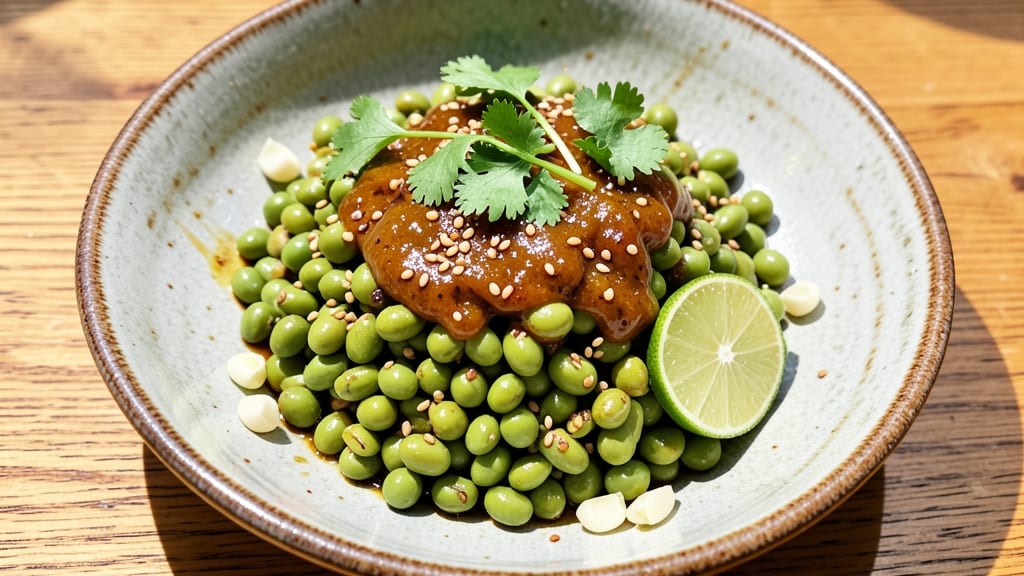
This green mung bean recipe delivers the perfect balance of crispy edges and tender centers with a zesty garlic-lime twist that transforms a simple side into a standout dish.
The secret lies in proper sprouting—soaking the beans overnight until they're plump and ready for quick cooking, then stir-frying them just long enough to maintain that satisfying texture. I developed this recipe after realizing how often store-bought mung bean dishes fell flat, lacking the freshness and bite of homemade preparation.
What makes this recipe work is the technique: high-heat stir-frying for crispy edges while preserving the tender interior, all while infusing the dish with bright garlic and lime flavors that cut through the earthiness of the beans.
The process is straightforward—soak, rinse, and cook—but the result is restaurant-quality, with each bite offering a satisfying contrast of textures and flavors. This method ensures you never have to settle for mushy or overly dry mung beans again.
By the time you finish, you'll have a vibrant, flavorful side dish that's perfect for pairing with grilled meats, rice bowls, or even as a standalone snack. The garlic-lime marinade adds a fresh, tangy kick that elevates the dish beyond basic preparations, making it a versatile addition to any meal.
Whether you're serving a crowd or meal prepping for the week, this recipe delivers consistent, delicious results every time.
For those who want to experiment, try adding toasted peanuts or fresh herbs like cilantro for extra texture and flavor. The beauty of this recipe is its adaptability—it works as a side, a light main, or even a topping for salads and wraps.
Let's get started on creating this crispy-tender stir-fry that's sure to impress.
Ingredients for green mung bean
Fresh mung beans, zesty lime, and aromatic garlic create a crispy-tender stir-fry that stands out from store-bought versions.
| Ingredient | Amount | Notes |
|---|---|---|
| Green Mung Beans 🌱 | 1 ½ cups | Dried, rinsed before soaking |
| Fresh Garlic Cloves 🧄 | 6 cloves | Minced, aromatic freshness |
| Lime Juice 🍋 | ½ cup | Freshly squeezed, bright zing |
| Vegetable Oil 🫒 | 3 tbsp | High smoke point preferred |
| Soy Sauce 🍶 | 2 tbsp | Low-sodium if preferred |
| Sesame Oil 🌿 | 1 tbsp | Toasted for nutty aroma |
| Red Chili Flakes 🌶️ | 1 tsp | Adjust for heat preference |
| Salt 🧂 | 1 tsp | Sea salt preferred |
| Fresh Cilantro Leaves 🌿 | ¼ cup | Chopped, for garnish |
| Toasted Peanuts 🥜 | ¼ cup | Optional, for crunch |
| Green Onions 🧅 | 3 whole | Sliced, for freshness |
The quality of mung beans makes all the difference. Whole Foods or Asian grocery stores often carry the best—look for plump, uniformly colored beans without cracks or discoloration. If using dried beans, soak overnight in cold water (8-10 hours) until they're plump but not mushy. Fresh mung beans (pre-sprouted) can be used if available, but dried beans yield better texture when stir-fried. The garlic should be freshly minced—pre-minced garlic loses its punch quickly. Lime juice is best when freshly squeezed; bottled versions lack the same brightness. For the oil, avocado or grapeseed oil works best due to their high smoke points, preventing bitter flavors during high-heat cooking.
No fresh cilantro? Substitute with chopped parsley or basil, though the flavor will differ slightly. Short on lime juice? Lemon juice works in a pinch, though it's less tangy. Want extra crunch without peanuts? Toasted cashews or sunflower seeds add a nice texture contrast. The soy sauce can be swapped for tamari for gluten-free or coconut aminos for a milder flavor. If you're avoiding sesame oil, toasted sesame seeds at half the amount provide a similar aroma. For extra heat, add a dash of sriracha or gochujang alongside the chili flakes. The green onions can be omitted if you prefer a milder flavor, but they add a fresh finish that ties everything together.
This dish reheats beautifully—store in an airtight container in the fridge for up to 5 days. For longer storage, freeze portions in single-serving containers for up to 3 months. The texture will soften slightly when reheated, so it's best enjoyed fresh. If prepping ahead, soak and rinse the beans the night before, then store them in the fridge until ready to cook. The garlic-lime marinade can be made 24 hours ahead and kept in the fridge, though the lime juice will darken slightly—just give it a quick stir before using. Garnish with fresh herbs right before serving to keep them vibrant.
Why You'll Love This Recipe
- No-Fuss Pantry Staples: I swear by this one because it’s the kind of dish that doesn’t make me scramble for obscure ingredients. Green mung beans, garlic, lime—stuff I already have in my fridge or cabinet. Even if I forget soy sauce, a splash of vinegar or salt works in a pinch.
- Crispy-Garlicky Magic: That moment when the mung beans hit the hot oil and start sizzling? Pure satisfaction. The garlic cloves turn golden and fragrant, then the lime brightens everything up—like a little flavor explosion that’s impossible to resist.
- Lunchbox Hero: Between us, this is my go-to for packed lunches. Cold or room temp, it still tastes amazing. Toss it in a container with a sprinkle of chili flakes, and suddenly you’ve got a meal that’s way better than sad desk salads.
- Budget-Buster Winner: A pound of green mung beans costs less than a fancy salad kit, and it stretches for days. I make a big batch on Sundays, and by Wednesday, I’m still eating it—no takeout in sight. Plus, the leftovers taste just as good reheated.
Step-by-step instructions for crispy-tender green mung bean stir-fry
Mastering this dish comes down to precise timing and technique—here's how to achieve perfect texture every time.
Soak and Parboil the Green Mung Beans
Begin by rinsing the 1.5 cups green mung beans under cold water until the water runs clear. This removes any surface debris that could affect texture. Transfer them to a bowl and cover with enough cold water to submerge by 2 inches. Let them soak for 30 minutes—this softens the skins just enough for even cooking later.
After soaking, drain and transfer the beans to a pot. Cover with fresh cold water (about 4 cups) and bring to a boil over high heat. Once boiling vigorously, reduce heat to medium-high and let them cook for exactly 5 minutes. You're aiming for partially cooked beans that are still firm to the bite—this ensures they'll develop crispy edges while staying tender inside. Drain immediately in a colander and rinse with cold water to stop the cooking process.
Build the Garlic-Lime Base
Heat 3 tablespoons vegetable oil in a wok or large skillet over medium-high heat until shimmering but not smoking. Add the 6 cloves minced fresh garlic cloves and stir constantly for 30 seconds until fragrant—this prevents burning while maximizing flavor. The garlic should turn golden without browning.
Immediately pour in the 0.5 cup lime juice and 2 tablespoons soy sauce, stirring to combine. Let this mixture simmer for 1 minute until slightly reduced. Here's where the magic happens: the acidity in the lime juice begins breaking down the bean skins, which will contribute to that signature crispy texture. Keep the heat at medium for this step—too high and the lime will evaporate before doing its work.
Stir-Fry to Crispy-Tender Perfection
Add the drained green mung beans to the wok in a single layer. Stir-fry vigorously for 4-5 minutes over high heat, using a pair of tongs to toss the beans continuously. You're looking for even browning on all sides—the beans should develop a golden crust while remaining tender when pierced with a fork. If they stick, add 1 tablespoon vegetable oil to help create a slippery surface.
After 3 minutes, sprinkle with 1 teaspoon salt and 1 teaspoon red chili flakes, tossing immediately to distribute evenly. The salt enhances the natural bean flavor while the chili flakes add subtle heat. Continue cooking until the beans are deep golden brown in spots but still hold their shape when squeezed gently. This balance of crispy exterior and tender interior is what makes this dish special.
Finish with Aromatics and Garnish
Reduce heat to medium-low and drizzle in the 1 tablespoon sesame oil, stirring immediately to coat all the beans. The nutty aroma of sesame oil infuses the dish in seconds. Add the 3 sliced green onions and toss for 30 seconds until wilted but still vibrant. This final step brightens the dish with freshness while adding texture contrast.
Remove from heat and stir in the 0.25 cup chopped fresh cilantro leaves and 0.25 cup toasted peanuts. The peanuts add crunch while the cilantro provides a fresh finish. Taste and adjust seasoning—you may need a touch more soy sauce or lime juice depending on your preference. Serve immediately while the beans are still crispy, pairing with steamed rice or warm tortillas.
Pro Tips For Making Green Mung Bean
- Parboil First: Dump raw green mung beans straight into hot oil and they’ll splatter like tiny grenades. Instead, blanch them for 2 minutes in boiling salted water first—this softens them just enough to crisp perfectly later while keeping the texture intact. (Yes, even if you’re impatient like me, resist the urge to skip this.)
- Smash Garlic Hard: Minced garlic burns faster than you can say "soy sauce splash." For this dish, crush 4-5 whole cloves with the flat side of your knife first—then chop. The released oils distribute better, and the garlic cooks through without turning bitter. (Your future self will notice the difference.)
- Taste Before Lime: Dumping lime juice at the end is a gamble—you might end up with a dish that’s either bland or overpowered. Toss in half the lime first, let it sit 30 seconds, then adjust. The acid needs time to mingle with the soy and oil for balance. (I learned this after making a batch that tasted like a science experiment.)
- Low and Slow Finish: The last 2 minutes of cooking are where flavor marries texture. After frying the beans, turn the heat to medium-low and let them sizzle gently in the pan. This lets the soy sauce reduce slightly and cling to the beans instead of steaming away. (Sounds weird, but it works—trust the sizzle, not the speed.)
Serving suggestions for this dish
Rice Bowl Pairing
Serve this crispy-tender mung bean stir-fry over jasmine rice for a complete meal. The neutral flavor of jasmine rice lets the garlic-lime beans shine while providing a soft contrast to their texture.
I like to cook 1 cup uncooked rice (about 3 cups cooked) and fluff it with a fork before spooning the beans on top. For extra flair, drizzle with toasted sesame oil and sprinkle with crushed peanuts to mirror the toppings in the stir-fry. 🍚
Grilled Protein Pairings
This vibrant stir-fry complements grilled proteins beautifully. Try pairing it with grilled chicken breast marinated in lemon-garlic sauce or shrimp skewers> brushed with chili-lime oil. The smoky char of grilled meats contrasts perfectly with the bright acidity of the lime beans.
For a vegetarian option, serve alongside grilled tofu> seasoned with soy sauce and smoked paprika. The high heat of grilling enhances the dish's overall freshness.
Warm Tortilla Wraps
Transform this into a handheld meal by serving with warm corn tortillas. Lightly toast the tortillas on a dry skillet for 30 seconds per side> until pliable but still flexible. Spoon the mung bean stir-fry into the center, then fold into a burrito-style wrap.
Add a dollop of sour cream or Mexican crema> and a sprinkle of crumbled cotija cheese> for extra richness. This makes an excellent lunch option that's easy to pack for work or picnics.
Salad Topper
Use the stir-fried mung beans as a protein-packed topping for fresh salads. Toss them over mixed greens> with avocado slices>, cherry tomatoes>, and a lime-cumin dressing>. The crispy beans add satisfying texture while the lime dressing ties into the original recipe's flavors.
For a Thai-inspired twist, serve over shredded cabbage> with crushed peanuts> and fresh cilantro>. The acidity from the lime in both dishes creates a cohesive flavor profile.
Asian-Inspired Noodle Bowl
Elevate your noodle game by adding this stir-fry to rice noodles> or udon noodles>. Cook the noodles according to package instructions, then toss them with the mung bean mixture. For extra depth, drizzle with hoisin sauce> and top with sliced green onions> and crushed peanuts>.
The combination of chewy noodles and crispy beans creates an irresistible texture contrast that's perfect for a quick weeknight dinner.
Breakfast Tacos
Take this recipe to breakfast with corn tortillas> and a fried egg on top. Warm the tortillas, then fill them with the mung bean stir-fry, a runny yolk, and a sprinkle of crumbled feta or cotija cheese>.
The savory-sweet balance of the beans with the richness of the egg makes for an unexpected but delicious morning meal. Add sliced avocado> for extra creaminess and a hot sauce drizzle> for heat lovers.
Nutrition facts
Frequently asked questions
How long should I soak green mung beans for best results?
For this crispy-tender stir-fry, soak the beans for 30 minutes before parboiling—not overnight. This short soak softens the skins just enough for even cooking while maintaining their structure. Overnight soaking can make them too soft and mushy when stir-fried.
Can I use fresh sprouted mung beans instead of dried?
Yes, but with adjustments! Fresh sprouted beans need no soaking—just rinse them well and parboil for 3 minutes instead of 5. They'll cook faster, so watch closely to avoid overcooking. The texture will be slightly softer, but still delicious when stir-fried with the garlic-lime marinade.
Why did my mung beans turn mushy instead of crispy?
Overcooking during parboiling is the most common cause. Stick to exactly 5 minutes of boiling for dried beans (or 3 minutes for fresh sprouted). Also, ensure you're using high heat for stir-frying—medium heat will steam the beans instead of creating crispy edges. A quick rinse in cold water after parboiling helps set the texture too.
What's the best way to store leftovers?
Store in an airtight container in the fridge for up to 5 days. The texture will soften slightly when reheated, so it's best enjoyed fresh. For freezing, portion into single-serving containers and freeze for up to 3 months. Reheat gently in a skillet with a splash of water to restore crispiness.
Can I make this recipe without sesame oil?
Skip the sesame oil and boost the aroma by adding 1 teaspoon toasted sesame seeds instead. For extra depth, substitute with toasted peanut oil or a pinch of ground coriander. The garlic-lime marinade will still carry the dish, though the nutty aroma will differ slightly.