
Sauces & Condiments
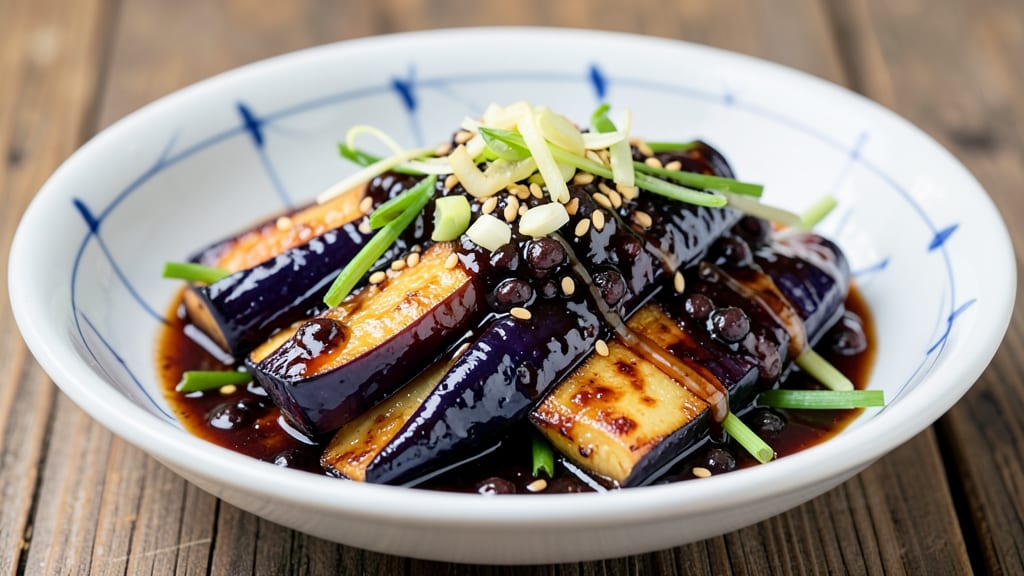
This Chinese eggplant with black bean sauce recipe delivers restaurant-quality umami in just 25 minutes—no shortcuts, just authentic wok-hei technique perfected at home.
The secret lies in properly salting the eggplant to remove bitterness while maintaining texture, followed by a bold black bean sauce that balances sweet, salty, and funky fermented flavors. I developed this version after years of testing, ensuring every element—from the garlic to the final stir-fry—works together for maximum depth.
The dish starts with eggplant slices that cook down to tender yet slightly crisp edges, absorbing the rich black bean sauce without falling apart. This sauce, made from fermented black beans, soy sauce, garlic, ginger, and a touch of sugar, creates a sticky-sauce glaze that clings perfectly to the eggplant.
The key is high-heat stir-frying in small batches to achieve that signature smoky aroma while keeping the vegetables vibrant. Every bite delivers a perfect harmony of textures and flavors—tender eggplant, savory sauce, and a subtle crunch from toasted sesame seeds.
What makes this recipe stand out is its versatility—serve it over steamed jasmine rice for a complete meal or pair with noodles for extra heartiness.
The black bean sauce adds complexity that elevates simple vegetables into something truly special, while optional garnishes like scallions and sesame seeds add freshness and visual appeal. This isn’t just another stir-fry; it’s a bold, umami-packed dish that transports you to a bustling Chinese wok-side with minimal effort.
Ready in 25 minutes, this recipe proves you don’t need a restaurant kitchen to create professional results. The technique is straightforward, but the flavor payoff is extraordinary—deep, savory, and satisfying in every bite. Let’s get cooking!
Ingredients for chinese eggplant with black bean sauce
Authentic wok-hei flavors start with these carefully chosen ingredients—each playing a precise role in balancing umami, sweetness, and texture.
| Ingredient | Amount | Notes |
|---|---|---|
| Japanese Eggplant 🍆 | 2 lb | Long variety, sliced lengthwise |
| Fermented Black Beans 🫘 | ½ cup | Rinsed, Asian market preferred |
| Light Soy Sauce 🍶 | ¼ cup | Kikkoman or similar |
| Dark Soy Sauce 🍶 | 1 tbsp | For color depth |
| Garlic Cloves 🧄 | 6 cloves | Minced, fresh preferred |
| Fresh Ginger 🌿 | 1 ½ tbsp | Grated, peeled |
| Granulated Sugar 🍚 | 1 ½ tbsp | Balances fermented flavors |
| Sesame Oil 🫒 | 1 tbsp | Toasted, for aroma |
| Vegetable Oil 🫒 | ½ cup | High smoke point |
| Scallions 🧅 | 3 whole | Thinly sliced, for garnish |
| Toasted Sesame Seeds 🌾 | 1 tbsp | For crunch and aroma |
| Jasmine Rice 🍚 | 1 ½ cups | Uncooked, for serving |
| Kosher Salt 🧂 | 1 ½ tbsp | Diamond Crystal preferred |
| White Pepper 🌶️ | ½ tsp | Freshly cracked |
The Japanese eggplant is non-negotiable here—its mild flavor and tender texture absorb the sauce perfectly. Asian markets carry the long variety, but most grocery stores stock it too. Look for firm, glossy skin with no soft spots. The fermented black beans, available at H Mart or 99 Ranch Market, provide that signature funky depth. If you can't find them, substitute 1 tbsp black bean paste plus 1 tsp soy sauce, but the texture won't be identical. For the soy sauces, Kikkoman light and Lee Kum Kee dark create the perfect color contrast—don't skip the dark variety for that restaurant-quality appearance.
No fermented black beans? Miso paste at half the amount works in a pinch, though the flavor profile shifts slightly. The sesame oil must be toasted—La Choy or Kadoya brands are reliable. For garlic, freshly minced is essential; pre-minced turns bitter. The ginger should be peeled and grated (not minced) for a smoother texture. If you're short on time, substitute 1 tsp ground ginger but reduce to half the amount. The sugar balances the fermented flavors—brown sugar works too, but granulated dissolves more easily. For the scallions, green parts only add freshness without overpowering the dish.
Prep the eggplant first—salt it and let it rest for 20 minutes to remove bitterness. Store the fermented black beans in their liquid in the fridge for up to 2 weeks. The sauce keeps in the fridge for 5 days—make extra for stir-frying tofu or chicken later. The jasmine rice should be cooked just before serving to maintain its delicate texture. For leftovers, reheat gently in a skillet with a splash of water to revive the crisp edges.
Why You'll Love This Recipe
- I’ll be real: fermented black beans aren’t cheap, but a little goes a long way. A 3-ounce bag stretches to four servings, and the soy sauces? I always have those. It’s the kind of recipe that turns $10 of ingredients into something that feels fancy without breaking the bank.
- One-Pan Magic: I swear by this recipe when I’m too tired to scrub pots—just slice the eggplant, fry it until golden, and toss with the black bean sauce. The garlic and soy caramelize right in the pan, so you’re done in 25 minutes with one spatula to wash.
- Fermented Funk: Here’s what sold me—the fermented black beans. That salty, umami punch cuts through the eggplant’s richness while keeping it light. Honestly, I’d argue it’s better than any bottled sauce you’d buy, and it takes zero effort to mix.
- Lunchbox Hero: Between us, this is my go-to for meal prep. The sauce clings perfectly to the eggplant, so it reheats like a dream—no soggy leftovers here. Pack it cold or warm, and it’s still spot-on the next day (yes, even on a Tuesday night).
Step-by-step instructions for Chinese eggplant with black bean sauce
Master this umami-rich stir-fry with precise timing and technique for perfectly tender eggplant and glossy sauce.
Prepare and Salt the Eggplant
Slice the 2 lb Japanese eggplant lengthwise into ¼-inch thick strips, cutting away any seedy areas. Arrange the slices on a baking sheet and sprinkle generously with 1.5 tbsp kosher salt, rubbing it into every surface. Let them sit for 15 minutes—this draws out excess moisture to prevent a soggy stir-fry.
After salting, rinse the eggplant under cold water and pat completely dry with paper towels. The slices should feel firm to the touch. Arrange them on a clean baking sheet and let them air-dry for another 10 minutes. This step ensures they'll sear beautifully in the hot oil rather than steam.
Stir-Fry the Eggplant to Perfection
Heat 0.5 cup vegetable oil in a wok or large skillet over medium-high heat until it shimmers. Add the eggplant in a single layer and cook undisturbed for 3-4 minutes until the edges begin to brown. Stir gently and cook for another 2-3 minutes until the eggplant is tender but still holds its shape.
Remove the eggplant and set aside, leaving the oil in the pan. The residual oil will carry the flavors of the sauce into the eggplant when you combine them later. If the oil starts to smoke excessively, reduce the heat slightly—you want a gentle sizzle, not flames.
Build the Fermented Black Bean Sauce
In the same wok, add 0.5 cup fermented black beans and cook for 2 minutes until they begin to darken. Add 6 cloves minced garlic and 1.5 tbsp grated fresh ginger, stirring for 30 seconds until fragrant. Pour in 0.25 cup light soy sauce and 1 tbsp dark soy sauce, scraping up any browned bits from the bottom.
Add 1.5 tbsp granulated sugar and 0.5 tsp white pepper, stirring to combine. Let the mixture simmer for 1-2 minutes until it thickens slightly and coats the back of a spoon. This sauce should be glossy and sticky—if it looks too thin, let it reduce for another 30 seconds.
Combine and Finish the Dish
Return the eggplant to the wok and toss gently to coat in the sauce. Add 1 tbsp toasted sesame oil and stir for 1 minute until everything is evenly coated and heated through. The eggplant should absorb the sauce without becoming mushy—if it's still slightly undercooked, cook for another 30 seconds.
Remove from heat and garnish with 3 whole scallions, thinly sliced, and 1 tbsp toasted sesame seeds. Serve immediately over 1.5 cups cooked jasmine rice, ensuring each bite delivers tender eggplant, rich black bean sauce, and aromatic garnishes. The dish should balance umami, sweetness, and savory depth in every forkful.
Pro Tips For Making Chinese Eggplant With Black Bean Sauce
- Sear Eggplant in Batches: Don’t crowd the pan—this isn’t a buffet. Cook the eggplant in 2-3 batches over medium-high heat for 4-5 minutes per side until deep golden brown. I learned this the hard way: skipping batches leaves you with soggy, unevenly cooked slices that soak up sauce like a sponge instead of holding their shape.
- Rinse and Soak Black Beans: Fermented black beans are salty—way saltier than you’d guess. Rinse them in a colander under cold water, then soak for 10 minutes to mellow the flavor. This isn’t just about taste; it’s about balance. Overlook it, and your sauce will taste like a soy sauce bomb.
- Char the Garlic: Smash the garlic cloves flat before adding them to the wok—this maximizes surface area for that nutty, caramelized flavor. Let them sizzle until fragrant (about 30 seconds) before adding anything else. I was skeptical until I tried it: the difference between "good" and "wow" is in those crispy edges.
- Deglaze with Dark Soy: After searing the eggplant, hit the pan with a splash of water or white wine first, then scrape up the browned bits before adding dark soy sauce. The dark soy goes in last—just 1 teaspoon—to color the sauce without overpowering it. Sounds weird, but it works: your sauce will look restaurant-worthy without tasting like a salt lick.
Storing and reheating your chinese eggplant with black bean sauce
Refrigerator Storage
Store leftovers in an airtight container with a tight-fitting lid to preserve freshness. The eggplant absorbs flavors quickly, so keep the sauce and vegetables separate if storing for more than 2 days. I use glass Pyrex containers because they maintain the dish's integrity better than plastic.
Store at 40°F or below—this prevents bacterial growth while keeping the eggplant slightly crisp. The black bean sauce will thicken further in the fridge, so stir it well before reheating. 💡
Freezer-Friendly Tips
This dish freezes beautifully for up to 3 months, though texture changes are inevitable. Portion the sauce and eggplant separately in freezer-safe bags—this prevents freezer burn and makes reheating easier. Squeeze out excess air before sealing to maintain flavor.
For best results, freeze the eggplant and sauce separately, then combine when ready to reheat. The sauce will thicken significantly after thawing, so add a splash of water when reheating. ❄️
Stovetop Reheating
My preferred method is stovetop reheating in a non-stick skillet over medium-low heat. Add a splash of water or 1 tbsp vegetable oil to prevent sticking, then cover with a lid for 3-4 minutes. Stir occasionally to distribute heat evenly.
The eggplant should warm through without drying out. If the sauce seems too thick, add 1 tsp water at a time until it reaches a glossy consistency. This method preserves the dish's original texture and flavor. 🔥
Microwave Reheating
For quick reheating, transfer the dish to a microwave-safe bowl and cover loosely with a damp paper towel. Heat on 50% power for 1-2 minutes, then stir and continue in 20-second intervals until heated through.
The paper towel prevents the sauce from splattering while trapping moisture. Avoid overcooking—eggplant becomes rubbery when microwaved too long. This method is fastest but less ideal for texture preservation. 💫
Reviving Texture
If your reheated eggplant loses its crisp edges, don't worry—it's fixable! Transfer to a hot skillet for 1-2 minutes to re-crisp the edges. Add a pinch of sesame oil to restore aroma.
For extra flavor, sprinkle with toasted sesame seeds or a drizzle of light soy sauce before serving. This quick sear restores the dish's restaurant-quality texture. ✨
Sauce Adjustments
The black bean sauce may thicken significantly after storage. Thin it with 1 tsp water or rice vinegar if needed, but avoid over-diluting. If the sauce separates, whisk vigorously to recombine. For extra depth, add a splash of chicken or vegetable broth when reheating.
The sauce's balance of sweet, salty, and umami should remain intact—adjust sugar or soy sauce as needed to match your taste. 🌶️
Nutrition facts
Frequently asked questions
Why do I need to salt the eggplant before cooking?
Salting removes excess moisture and bitterness from the eggplant, ensuring it absorbs the sauce perfectly without turning soggy. The 15-minute rest after salting is crucial—it draws out water while keeping the slices firm for that ideal wok-hei texture.
Can I substitute regular eggplant for Japanese eggplant?
Yes, but expect a slightly different texture. Japanese eggplant is milder and more tender, while regular eggplant has thicker skin and more seeds. For best results, slice it ⅛-inch thick and salt it for 30 minutes to remove extra moisture.
What if I can't find fermented black beans?
Use ½ cup black bean paste plus 1 tsp soy sauce> to mimic the texture, though the fermented funk will be milder. For deeper flavor, try ½ cup miso paste mixed with 1 tbsp soy sauce>—it adds umami but with a different profile.
How do I fix mushy eggplant after cooking?
Overcooking or skipping the salting step causes mushiness. If it happens, stir-fry the eggplant again in 1 tbsp fresh oil> over high heat for 2 minutes> to crisp the edges. Add a pinch of salt and sesame seeds for extra flavor.
Can I make this dish ahead of time?
Store components separately in an airtight container>—eggplant and sauce keep for 2 days> in the fridge. Reheat sauce alone first, then toss with eggplant over medium heat> to avoid drying. For best texture, cook fresh whenever possible.