Side Dishes
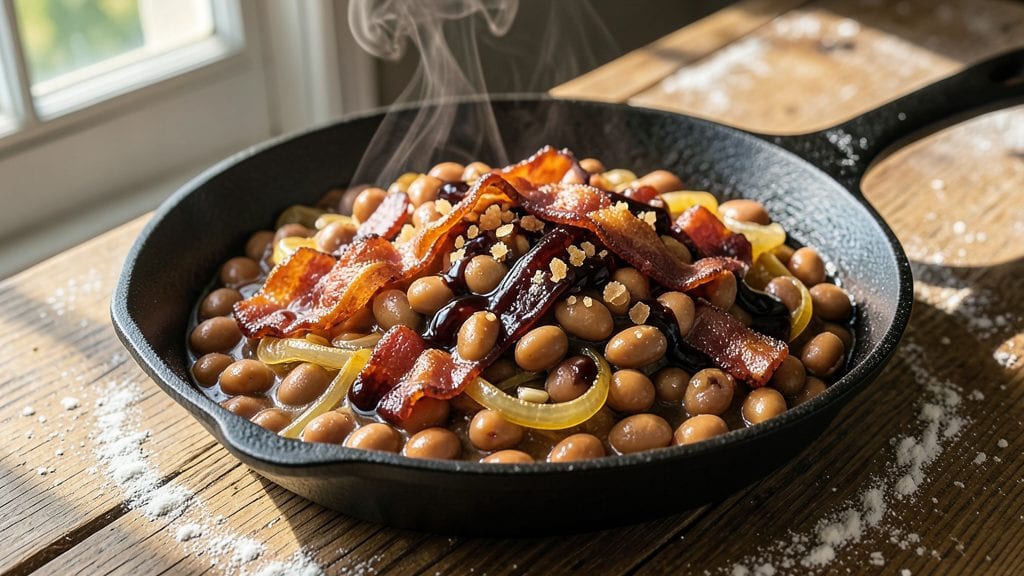
Grandma Brown’s home baked beans recipe is the kind of dish that transforms ordinary meals into family gatherings—rich, smoky, and sweet with just the right balance of molasses and bacon.
The secret lies in slow-cooking the beans until they’re tender and infused with deep, savory flavors, while crispy bacon adds a salty crunch that ties everything together. I’ve perfected this version over years of testing, ensuring every bite delivers that nostalgic, comforting taste of home.
What makes these baked beans truly special is the combination of traditional techniques and simple ingredients. You’ll start with dried navy beans, soaking them overnight to ensure they cook evenly, then simmering them with bacon, onions, and a blend of spices until they’re fall-apart tender.
The molasses brings a subtle sweetness that balances the smoky depth, while a touch of brown sugar caramelizes for extra richness. It’s the kind of recipe that rewards patience—no shortcuts here.
By the time you’re done, you’ll have a pot of beans that’s so flavorful, it becomes the star of any meal. The beans will be creamy yet hold their shape, the bacon will be crispy and salty, and the sauce will be thick enough to coat every spoonful.
This is the recipe I grew up with, passed down through generations, and it never fails to bring people together. Whether you’re serving it at a holiday feast or a casual weekend dinner, these baked beans will be the highlight.
Ready in about 3 hours (mostly hands-off time), this recipe delivers restaurant-quality results with minimal effort. The slow cooking allows flavors to meld perfectly, creating a dish that’s both hearty and comforting. Let’s get started—your taste buds will thank you.
Ingredients for grandma brown's home baked beans
Simple pantry staples transform into Grandma Brown’s legendary molasses-kissed baked beans.
| Ingredient | Amount | Notes |
|---|---|---|
| Dried Navy Beans 🌾 | 2 cups | Soaked overnight, drained |
| Thick-Cut Bacon 🥓 | 1 ½ lb | Chopped into small pieces |
| Yellow Onion 🧅 | 1 whole | Diced, medium size |
| Garlic Cloves 🧄 | 4 cloves | Minced, fresh preferred |
| Molasses 🍯 | ½ cup | Unsulphured, dark variety |
| Light Brown Sugar 🍚 | ¼ cup | Packed firmly |
| Apple Cider Vinegar 🍎 | ¼ cup | For tangy balance |
| Tomato Paste 🍅 | 2 tbsp | No-salt-added preferred |
| Dried Mustard 🌶️ | 1 tbsp | Ground, not whole seeds |
| Ground Black Pepper 🌶️ | 1 tsp | Freshly cracked |
| Salt 🧂 | 1 ½ tsp | Kosher or sea salt |
| Bay Leaves 🍃 | 2 whole | Fresh or dried |
| Vegetable Oil 🫒 | 2 tbsp | For cooking bacon |
| Bouillon Cube 🧂 | 1 whole | Beef or vegetable |
| Water 💧 | 6 cups | For soaking beans |
The navy beans are the heart of this recipe—soaking them overnight is non-negotiable (trust me, it makes all the difference). Most grocery stores carry them in the canning aisle, but if you can’t find them, Great Northern beans work in a pinch. For the bacon, thick-cut from Costco gives the best flavor and crunch, but any quality bacon will do. The molasses should be dark and unsulphured—Goya or Brer Rabbit are my go-tos, but any brand with a rich, syrupy texture works. I always grab extra because it’s one of those ingredients that makes the dish sing. The brown sugar should be packed firmly—don’t scoop it loosely or you’ll end up with less than you need.
No molasses? Maple syrup at half the amount works in a bind, though it’ll taste different. Short on brown sugar? White sugar plus a pinch of cinnamon mimics the caramelization. The bouillon cube is key for depth—Knox brand is reliable, but any beef or vegetable bouillon will work. Fresh bay leaves add a subtle aroma, but dried are fine too (just halve the amount). For the tomato paste, Muir Glen is my favorite—it’s smooth and never bitter. If you’re using canned beans instead of dried, rinse them well to remove excess sodium, then add an extra bouillon cube to compensate.
These beans reheat beautifully—just add a splash of water or broth to loosen them up. They keep for 5 days in the fridge, but honestly, they taste even better the next day as the flavors meld. For leftovers, I like to portion them into glass jars with a little extra bacon on top—perfect for quick lunches or potlucks. The sauce will thicken as it cools, so if it seems too stiff when reheating, stir in a tablespoon of water or broth. Freezes well for up to 3 months, though the texture gets a little softer after thawing.
Why You'll Love This Recipe
- One-Pot Magic: I swear by this recipe because it’s the kind of dish that turns your kitchen into a one-zone operation. Toss everything—bacon, onions, beans, and all—into a single pot, and let it slow-cook while you sip coffee or fold laundry. No chopping boards to clear, no extra bowls to wash.
- Molasses Kiss: That deep, sticky sweetness from the molasses? It’s the secret weapon. It caramelizes just enough to give these beans a rich, almost chocolatey undertone, while the smoky bacon keeps things balanced. Honestly, I’ve tried store-bought versions, but none hit this spot-on harmony.
- Budget-Friendly Staple: Dried beans and thick-cut bacon stretch this recipe into three or four meals without breaking the bank. I make a double batch on Sundays, freeze half, and boom—next month’s Taco Tuesday is covered. Plus, it’s one of those rare recipes where cheaper ingredients actually taste better.
Step-by-step instructions for grandma brown's home baked beans
Here's how to create that perfect balance of sweet, smoky, and savory flavors Grandma Brown was famous for.
Prepare the Beans and Cook the Bacon
Start by soaking the 2 cups dried navy beans overnight in the 6 cups water. This ensures they cook evenly and stay tender. Drain and rinse them thoroughly before using. While the beans soak, heat the 2 tablespoons vegetable oil in a large Dutch oven over medium heat. Add the 1.5 lb thick-cut bacon and cook until it's crispy and the fat has rendered out—about 10-12 minutes.
Remove the bacon with a slotted spoon and set it aside, leaving the crispy bits in the pot. This bacon fat is flavor gold—it's what makes these beans so rich and delicious. Don't drain the fat; it's essential for building flavor in the next steps. The bacon should be golden brown and slightly crispy when you're done cooking it.
Sauté the Onion and Garlic
In the same Dutch oven with the bacon fat, add the 1 whole yellow onion that's been diced into medium pieces. Cook for about 5 minutes, stirring occasionally, until the onions soften and become translucent. You'll know they're ready when they start to turn golden around the edges.
Next, add the 4 cloves minced garlic and cook for another 30 seconds until fragrant. This step is crucial—it develops the aromatic base that carries through the entire dish. Don't let the garlic burn; it should smell wonderful but not bitter. If it starts to darken too quickly, reduce the heat slightly and keep stirring.
Build the Bean Base
Return the crispy bacon to the Dutch oven and stir it back into the onion and garlic mixture. Add the drained beans, the 2 tablespoons tomato paste, the 1 whole bouillon cube, and the 2 whole bay leaves. Pour in 4 cups of fresh water—just enough to cover the beans by about an inch. Bring everything to a gentle boil, then reduce the heat to low and let it simmer uncovered for 1 hour.
After the initial hour, check the beans for tenderness. They should be soft but not mushy. If they're still firm, continue simmering for another 30 minutes. The beans should be completely tender but still hold their shape. This is where patience pays off—rushing this step can result in beans that fall apart or taste starchy.
Add Sweet and Tangy Flavors
Once the beans are tender, stir in the 0.5 cup molasses, 0.25 cup light brown sugar, 0.25 cup apple cider vinegar, 1 tablespoon dried mustard, 1.5 teaspoons salt, and 1 teaspoon ground black pepper. Mix everything thoroughly to combine all the flavors. Taste the mixture and adjust the seasoning if needed—you might want to add a bit more salt or vinegar to balance the sweetness.
Here's the thing—this is where Grandma Brown's magic happens. The molasses gives that deep, rich sweetness, while the vinegar cuts through it with tang. The mustard adds a subtle heat that makes everything pop. Don't be afraid to taste as you go; this is where you can adjust to your preference. The beans should be glossy and well-coated with the sauce.
Simmer to Perfection and Serve
Return the beans to a gentle simmer and cook uncovered for another 30-45 minutes. This final simmer allows all the flavors to meld together beautifully. Stir occasionally to prevent sticking and to ensure even cooking. The beans should be swimming in a rich, thick sauce that's slightly glossy.
When the beans are done, they should be tender with a sauce that coats them perfectly. Remove the bay leaves before serving. These beans are best served warm, straight from the pot. They pair wonderfully with cornbread, crusty bread, or even as a side to grilled meats. The combination of sweet, smoky, and savory flavors makes them unforgettable—just like Grandma Brown's famous recipe.
Pro Tips For Making Grandma Brown'S Home Baked Beans
- SOAK BEANS OVERNIGHT: I learned this the hard way—skipping the soak leaves you with beans that stay stubbornly firm, no matter how long you simmer. Toss dried navies in cold water (cover by 2 inches) and let them sit 12+ hours. Drain and rinse before cooking; this cuts down on cooking time and prevents that gummy texture.
- CRISP THE BACON LOW: Thick-cut bacon needs patience—don’t rush it. Cook it slow and steady at 275°F (yes, even if you’re impatient like me) until the fat renders and the edges curl. Rendering the fat this way keeps it flavorful and prevents the beans from turning greasy later.
- SWEAT THE ONIONS: After burning three batches, I finally figured out: onions need time. Slice them thin and cook them in the bacon fat over medium-low heat for 10 minutes until soft and golden. This builds flavor without burning—no one wants bitter onions in their beans.
- ADD MOLASSES LAST: Sounds weird, but it works: stir in the molasses only in the final 10 minutes. The heat will mellow its sharpness and let the sweetness bloom. Skip this, and you’ll end up with a dish that tastes like syrup overkill.
Wine and beer pairings for grandma brown's home baked beans
Smoky Beer Pairings
The rich, caramelized flavors of these baked beans call for a beer with similar depth and maltiness. I reach for a brown ale like Samuel Smith’s Nut Brown Ale—its toasty, nutty notes complement the molasses and bacon beautifully.
The slight bitterness balances the sweetness, creating harmony on every bite. For a lighter option, a amber ale such as Fat Tire adds a crisp contrast without overpowering the dish’s smoky essence. 🍺
Sweet Red Wine
If you prefer wine, a Zinfandel from California—like Ravenswood Old Vine—is a perfect match. Its jammy, blackberry flavors mirror the molasses and brown sugar in the beans, while the wine’s spice notes enhance the smokiness.
For a fruitier option, a Cabernet Sauvignon with 12-14% ABV (such as Louis M. Martini Cabernet) adds structure and a touch of earthiness that pairs wonderfully with the bacon. 🍷
Cider for Tangy Balance
Apple cider vinegar is a key ingredient in these beans, so why not lean into that with a hard cider? A dry, crisp Hudson Valley cider like Angry Orchard Dry cuts through the richness while highlighting the molasses and vinegar.
The slight acidity refreshes your palate between bites, making it a refreshing choice for warmer days. 🍎
Whiskey for Sipping
For a cozy, after-dinner pairing, pour a glass of bourbon—like Woodford Reserve—to sip alongside the beans. The caramel and vanilla notes in the whiskey echo the molasses and brown sugar, while its smoky char adds another layer of depth.
If you prefer something smoother, a rye whiskey such as Bulleit brings a spicier kick that contrasts nicely with the dish’s sweetness. 🥃
Non-Alcoholic Options
Don’t overlook non-alcoholic choices! A sparkling ginger beer like Feather’s Ginger Beer adds a zesty lift that cleanses the palate, while a root beer with vanilla and caramel notes—such as A&W Root Beer—mirrors the dish’s sweet and smoky profile.
For something herbal, a hibiscus iced tea with a splash of lemon brightens the meal without competing with the flavors. 💧
Nutrition facts
Frequently asked questions
Can I use canned beans instead of dried?
Yes, but you'll need to adjust the cooking time and seasoning. Use 4 (15 oz) cans of navy beans (drained and rinsed) and reduce the bouillon cube to ½ since canned beans are pre-cooked. Simmer for only 30-45 minutes after adding the molasses mixture, as they cook faster. The texture will be slightly softer than dried beans.
Why does my sauce turn watery?
This usually happens when beans aren't cooked long enough to thicken the sauce naturally. Let them simmer uncovered for at least 45 minutes after adding sweetener. If needed, mash 2-3 beans with a fork to release starch, then simmer 10 more minutes. For extra thickness, stir in 1 tbsp cornstarch mixed with water.
How can I make these gluten-free?
Skip the bouillon cube and use 2 tsp gluten-free chicken or vegetable bouillon powder instead. Check that your molasses and vinegar are certified gluten-free. For extra flavor, add ½ tsp smoked paprika to replace any depth lost from bouillon. The recipe remains completely gluten-free while keeping all the rich, smoky character.
Can I make this in a slow cooker?
Brown the bacon and sauté onions/garlic as directed, then transfer everything to a 6-quart slow cooker. Add the remaining ingredients and cook on LOW for 6-7 hours or HIGH for 3-4 hours. The long cook time enhances the flavors beautifully. Stir occasionally and add ¼ cup water if the mixture gets too thick.
What's the best way to reheat leftovers?
Add 2-3 tbsp water or broth to the pot and heat on medium-low until warmed through. The sauce will thicken as it cools. For crispy bacon, sprinkle extra chopped bacon on top when reheating. Microwave reheating works too—cover with a damp paper towel and heat in 1-minute intervals, stirring between each.