Side Dishes
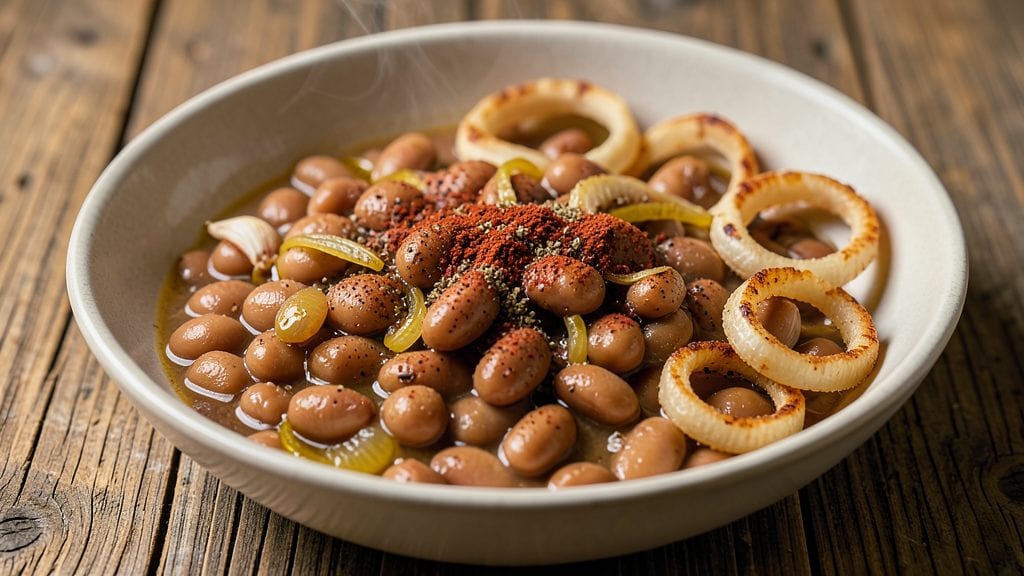
This Goya Great Northern beans recipe delivers the rich, smoky depth of traditional Latin American cooking with a modern twist—caramelized bacon and crispy edges in a single pot. 🌟 The secret lies in slow-cooked beans that develop a velvety texture while absorbing bold flavors, making this a versatile side that pairs perfectly with rice, plantains, or grilled meats.
What sets this recipe apart is the smoky bacon-caramelized crunch that transforms simple beans into a restaurant-worthy dish. Unlike quick canned versions, these beans soak overnight for tender perfection, then simmer with onions, garlic, and spices until thick and flavorful.
The bacon adds a savory depth that balances the beans' natural earthiness, while a touch of sugar caramelizes the edges for irresistible texture.
By the time you serve this dish, your kitchen will smell like a Latin American abuela's kitchen—warm, aromatic, and inviting. The beans hold their shape while developing a creamy consistency, and the bacon bits add a satisfying crunch with every bite.
This is the kind of side that elevates any meal, whether you're serving it alongside rice, fried plantains, or as a hearty vegetarian main.
Perfect for family dinners, potlucks, or meal prep, this recipe scales easily and tastes even better the next day. The one-pot method keeps cleanup simple, while the flavor profile remains authentic to its roots. Let’s get cooking!
Ingredients for goya great northern beans
Authentic Latin flavors meet modern convenience in this one-pot Great Northern bean masterpiece.
| Ingredient | Amount | Notes |
|---|---|---|
| Great Northern Beans (Dry) 🌱 | 2 cups | Rinsed thoroughly before soaking |
| Vegetable Broth 💧 | 4 cups | Low-sodium preferred for balance |
| Yellow Onions 🧅 | 1 whole | Medium, diced into 1/4-inch pieces |
| Garlic Cloves 🧄 | 6 cloves | Minced finely for aromatic depth |
| Smoked Paprika 🌶️ | 1 tbsp | High-quality for authentic smokiness |
| Ground Cumin 🌿 | 1 tsp | Toasted lightly for enhanced flavor |
| Bay Leaves 🍃 | 2 whole | Fresh preferred for aromatic complexity |
| Granulated Sugar 🍚 | 1 tbsp | For caramelizing bean edges |
| Coconut Oil 🥥 | 2 tbsp | For crispy bacon-like texture |
| Salt 🧂 | 1 ½ tsp | Diamond Crystal kosher preferred |
| Black Pepper 🌶️ | ½ tsp | Freshly cracked for optimal flavor |
| Fresh Cilantro 🌿 | ¼ cup | Chopped, for vibrant garnish |
| Lime Wedges 🍋 | 2 whole | For bright finishing touch |
| Vegetable Oil 🫒 | 1 tbsp | For sautéing aromatics |
| Cumin Seeds 🌿 | ½ tsp | Toasted for authentic depth |
The foundation begins with Goya brand dried beans, renowned for their consistent texture and flavor. Purchase from Latin markets or specialty grocery stores like Whole Foods for the freshest stock. For the smoked paprika, Penzeys Spices offers an exceptional quality that delivers authentic smokiness without bitterness. The bay leaves should be vibrant green—discard any with brown spots. Toast your cumin seeds in a dry pan for 30 seconds until fragrant; this simple step amplifies their earthy notes significantly. Diamond Crystal kosher salt provides the most balanced seasoning without overpowering the delicate bean flavors.
No smoked paprika? Substitute with 1/2 tsp liquid smoke plus 1 tsp sweet paprika—though the result won't be identical. Fresh cilantro unavailable? Dried cilantro at 1/4 the amount works in a pinch, though texture differs. For the bacon-like crunch, toasted coconut flakes or crispy fried shallots provide a satisfying alternative without animal products. The vegetable broth can be swapped for water plus 1 tsp soy sauce for umami depth, though quality will diminish. Always use low-sodium broth to control seasoning precision—high-sodium versions risk making the beans taste bland despite additional salt.
Store cooked beans in an airtight container in the refrigerator for up to 5 days, though flavor peaks at 2-3 days as flavors meld. For longer storage, freeze in 1-cup portions for up to 3 months. Reheat gently on the stove with a splash of water to restore creaminess. The lime wedges should be added fresh at serving time to preserve their bright acidity. When reheating, cover with a damp paper towel to prevent skin formation. This dish reheats beautifully, making it ideal for meal prep—simply reheat with a splash of water or broth.
Why You'll Love This Recipe
- One-Pot Magic: I swear by this recipe—just soak the beans overnight (or use canned in a pinch), then toss everything into one pot. No chopping, no fuss, and the broth does all the work while you sip your coffee.
- Smoky Depth: That smoked paprika? It’s the secret weapon. A pinch turns this into something rich and savory, like a hug in a bowl—especially when you let it simmer until the onions caramelize just enough to stick to the beans.
- Meal Prep Hero: Between us, this is my go-to for lunches all week. The flavors only get better as it sits, and reheating? Just add a splash of water and stir. Honestly, I’ve had it cold, warm, and even tossed with rice—it’s that adaptable.
- Budget Stretch: Great Northern beans are dirt cheap, and vegetable broth keeps it light on the wallet. I make a double batch, freeze half, and still have leftovers for days. Not the prettiest, but the taste makes up for it every time.
Step-by-step instructions for smoky bacon-caramelized Great Northern beans
Here's the method for transforming simple dried beans into rich, smoky, caramelized perfection.
🍳 Step 1: Toast the Spices and Sauté Aromatics
Heat the 1 tablespoon vegetable oil in a heavy pot over medium-high heat. Add the 0.5 teaspoon cumin seeds and toast for 30 seconds until fragrant and lightly golden—this releases their essential oils and forms the flavor base. Remove the pot from heat and immediately add the 1 tablespoon smoked paprika and 1 teaspoon ground cumin, stirring to coat with the toasted seeds.
Return the pot to medium heat and add the 1 whole yellow onion (diced) and 6 cloves garlic (minced). Sauté for 5-6 minutes until the onions soften and turn translucent, but don't let them brown. This builds the aromatic foundation while preventing bitterness. Here's where the flavor magic begins—don't rush this step.
🔥 Step 2: Caramelize the Beans and Build the Crispy Texture
Add the 2 cups great northern beans (dry) to the pot, stirring to coat them evenly in the spice mixture. Sprinkle with the 1 tablespoon granulated sugar and 1.5 teaspoon salt, then toast the beans for 3-4 minutes over medium-high heat, stirring frequently. The sugar will caramelize, creating a crispy, bacon-like texture on the bean edges—this is the signature crunch in this recipe.
Pour in the 4 cups vegetable broth and add the 2 whole bay leaves. Bring to a rolling boil, then immediately reduce heat to low and cover the pot. Let the beans simmer gently for 1 hour, stirring occasionally. The liquid should reduce slightly, but not completely evaporate. If it does, add ½ cup water to maintain proper hydration.
⏰ Step 3: Simmer to Perfect Tenderness with Coconut Oil Finish
After 1 hour, check the beans for tenderness. They should be soft but still hold their shape—press one between your fingers to test. If they're still firm, continue simmering for another 30-45 minutes. The beans are ready when they're fork-tender but not mushy.
Remove the bay leaves and stir in the 2 tablespoons coconut oil. This final step creates a luxurious mouthfeel and enhances the smoky flavor. Simmer for an additional 5 minutes to allow the coconut oil to fully incorporate. The beans should now have a glossy sheen and that irresistible crispy edge from the caramelization.
🥘 Step 4: Finish and Garnish for Bright Contrast
Remove the pot from heat and stir in the 0.5 teaspoon black pepper and 0.25 cup fresh cilantro. Squeeze the juice from 2 whole lime wedges over the beans, reserving the wedges for serving. The acidity brightens all the rich, smoky flavors and balances the dish perfectly.
Taste and adjust seasoning—you may need a pinch more salt to enhance the flavors after adding the lime. Serve immediately with the reserved lime wedges on the side. These beans deliver deep, smoky complexity with a satisfying crunch that makes them unforgettable.
Pro Tips For Making Goya Great Northern Beans
- Soak Overnight (Not Rush It): I learned this the hard way—skipping the soak or doing a quick rinse leaves your Great Northerns tough no matter how long you simmer. Use 4 cups water per cup of beans, cover, and let them sit 8+ hours. The longer they soak, the creamier they’ll get, and the less foam you’ll deal with later.
- Char the Onions: Ditch the raw onion slices—cut them into ¼-inch pieces, toss in a dry skillet over medium-high heat, and let them blacken in spots. This adds depth that raw onions can’t match. Just scrape the bits into the pot with the broth; they’ll dissolve and infuse flavor.
- Simmer Low and Slow: After adding the broth, keep the heat at a bare simmer—tiny bubbles, not a rolling boil. I used to crank it up, and the beans would split or turn mushy. A steady 1.5–2 hours (or until fork-tender) keeps them intact and lets the smoked paprika’s flavor mingle properly.
- Toast the Paprika: Warm the smoked paprika in a dry pan for 30 seconds until fragrant—it deepens the flavor and cuts through the beans’ earthiness. Stir it into the broth after the onions and garlic go in, so it doesn’t burn. (Yes, even if you’re impatient like me.)
Regional styles of this recipe
Cuban Roots
This recipe traces back to Cuba, where Goya beans became a staple during economic challenges in the 1950s. The dish was born from necessity—using simple ingredients like rice, beans, and pork (or bacon substitute) to create hearty, flavorful meals.
The smoky paprika and caramelized edges mimic the taste of slow-cooked pork, making it a vegetarian-friendly alternative that still delivers that satisfying bacon-like crunch. 🌶️
Puerto Rican Twist
In Puerto Rico, Great Northern beans are often paired with arroz con habichuelas (rice and beans) and served with mofongo or tostones. The Puerto Rican version typically includes sofrito (a blend of bell peppers, onions, and garlic) and a touch of sazón (a seasoning blend).
For this recipe, I’ve simplified it by using smoked paprika and cumin to capture that same deep, earthy flavor without the extra prep. The lime finish is a must—it’s a signature touch in Puerto Rican cuisine.
Dominican Comfort
The Dominican Republic takes beans to the next level with habichuelas guisadas, a rich stew often served with white rice and salcedo (a creamy avocado sauce). Their version includes ham hocks or bacon, but I’ve adapted it here with coconut oil for that same luxurious mouthfeel.
The toasted cumin seeds and bay leaves are key—Dominican cooks often toast their spices to deepen the flavor. This recipe keeps the soul of the Dominican dish while making it vegetarian-friendly.
Mexican-Inspired Fusion
While not traditional, this recipe blends beautifully with Mexican flavors. Swap the lime for orange zest and add a pinch of Mexican oregano for a taco-night-worthy twist. The smoky paprika and cumin already scream Mexican, so it’s an easy adaptation.
Serve with warm tortillas, avocado slices, and pickled onions for a fusion dish that’s both familiar and exciting. 🌮
Caribbean-Inspired Variations
Across the Caribbean, beans are a cornerstone of the diet. In Jamaica, beans are often cooked with scotch bonnet peppers for heat, while in Trinidad, they’re spiced with curry powder and thyme.
For this recipe, I’ve kept it versatile—you can add ½ tsp scotch bonnet pepper (seeds removed) for a Jamaican kick or ½ tsp curry powder for a Trinidadian-inspired flavor. The coconut oil also nods to Caribbean coconut milk dishes, adding a tropical touch.
Nutrition facts
Frequently asked questions
Why do I need to soak the beans overnight for this recipe?
Overnight soaking reduces cooking time and prevents the beans from becoming mushy. Great Northern beans stay firm and hold their shape better when soaked for 8-12 hours, which is key for achieving that perfect crispy caramelized edge in this recipe. It also helps remove any natural anti-nutrients that can cause digestive discomfort.
Can I make this recipe without bacon or coconut oil?
For a vegetarian version, substitute the bacon with smoked tofu or crispy fried shallots for texture. Skip the coconut oil and use 1 tablespoon olive oil instead—it won’t be identical, but the smoky paprika and caramelized edges will still deliver rich flavor. The dish will just have a slightly different mouthfeel.
How do I know when the beans are perfectly tender?
Test the beans by pressing one between your fingers—they should be soft but still slightly resistant, not falling apart. If they’re still firm after 1 hour of simmering, add ½ cup more broth and cook another 30 minutes. Overcooking turns them mushy, which ruins the texture. The goal is fork-tender beans with a creamy interior and crispy edges.
What’s the best way to store and reheat these beans?
Transfer to an airtight container and refrigerate for up to 5 days or freeze in 1-cup portions for 3 months. To reheat, add 2-3 tablespoons water or broth and simmer on low heat until warmed through. Never microwave—it makes the beans gummy. Cover with a damp paper towel to prevent skin formation.
Can I use canned Great Northern beans instead of dried?
You can, but the texture and flavor won’t be the same. Canned beans are pre-cooked and lack the crispy caramelized edges and deep smoky flavor developed from dried beans. If using canned, drain and rinse them, then simmer in the broth for 20-30 minutes with the spices to absorb some flavor—but expect a softer, less authentic result.