
Side Dishes
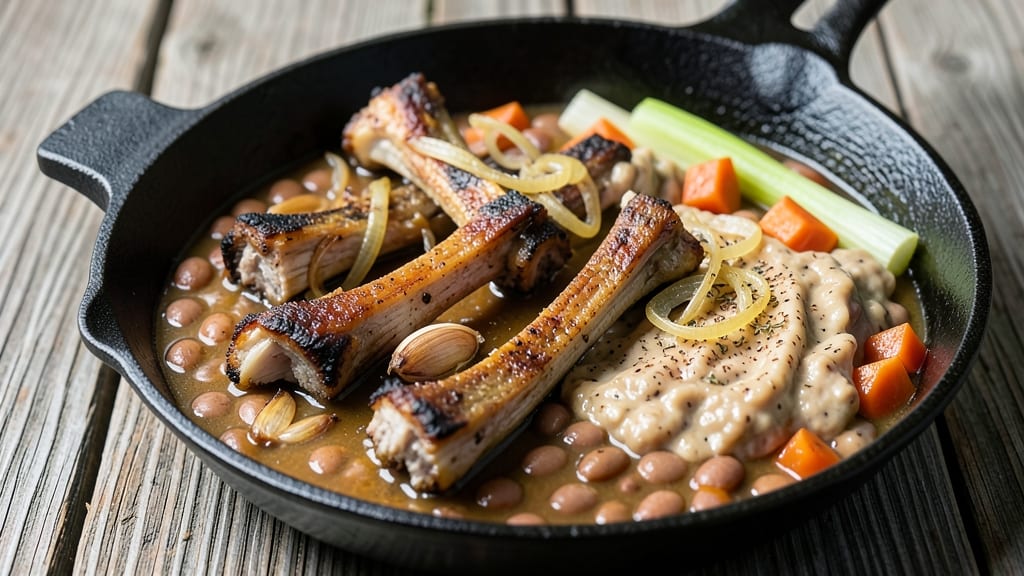
This pinto beans and smoked neck bones recipe delivers the kind of deep, smoky richness that transforms a simple weeknight meal into a soul-satisfying experience.
The secret lies in slow-cooking the bones until they render their marrow and infuse the beans with an unmistakable, savory depth that no shortcut can replicate.
After years of perfecting this technique, I’ve found that patience—letting the flavors meld over hours—is what separates a good pot of beans from one that’s truly unforgettable.
The process begins with browning the neck bones until they’re deeply caramelized, a step that unlocks layers of flavor when deglazed with broth and aromatics. Pinto beans absorb this rich liquid as they simmer, developing a creamy texture while maintaining their signature earthiness.
What you’ll end up with is a hearty, protein-packed dish that’s as comforting as it is nutritious, perfect for serving alongside cornbread or over steamed rice.
This recipe isn’t just about the beans—it’s about the method. The slow simmer ensures tender meat that falls off the bone, while the beans soften just enough to soak up every bit of that smoky, savory broth.
The result is a one-pot meal that’s equal parts rustic and refined, with a depth of flavor that makes it worth the time invested. Trust me, once you taste the difference between store-bought and this homemade version, you’ll never go back.
Whether you’re feeding a crowd or simply craving a meal that feels like a hug in a bowl, this recipe delivers. The versatility of the dish means it works just as well for a casual Sunday supper as it does for a festive gathering.
Let’s get started on creating a pot of beans that will have everyone asking for seconds.
Ingredients for pinto beans and smoked neck bones
Sixteen ingredients. One pot. Smoky, savory magic that turns humble beans into a showstopper.
| Ingredient | Amount | Notes |
|---|---|---|
| Smoked Neck Bones 🦴 | 2 ½ lb | Beef, marrow-rich preferred |
| Dried Pinto Beans 🌾 | 2 cups | Rinsed before cooking |
| Yellow Onion 🧅 | 1 whole | Diced, medium-sized |
| Garlic Cloves 🧄 | 6 cloves | Minced, fresh preferred |
| Celery Stalks 🥬 | 3 whole | Diced, with leaves |
| Carrots 🥕 | 2 whole | Chopped, medium-sized |
| Bay Leaves 🍃 | 2 whole | Fresh or dried |
| Ground Black Pepper 🌶️ | 1 tsp | Freshly cracked |
| Salt 🧂 | 1 ½ tsp | Kosher or sea salt |
| Beef Broth 💧 | 8 cups | Low-sodium preferred |
| Apple Cider Vinegar 🍎 | 1 tbsp | For brightness |
| Olive Oil 🫒 | 2 tbsp | For browning bones |
| Fresh Thyme 🌿 | ¼ cup | Leaves only, chopped |
| Smoked Paprika 🌶️ | 1 tsp | For extra smokiness |
The neck bones are non-negotiable here. Look for beef neck bones with visible marrow—they’re the secret to that rich, velvety broth. Most butchers will set them aside for you if you ask, or grab them from the meat counter at Whole Foods or Costco. If you can’t find beef, pork neck bones work too (just reduce cooking time by 30 minutes). The pinto beans? Dried is best—canned lacks that creamy texture. Rinse them well before adding to the pot to remove any dust or debris. For extra depth, toast the beans in a dry pan for 2 minutes before soaking. (Trust me, it makes a difference.)
No smoked paprika? Substitute with 1/2 tsp liquid smoke plus 1/2 tsp regular paprika—it’s a game-changer. Running low on thyme? Dried works at half the amount, but fresh has that bright, herbal punch. Beef broth too salty? Dilute it with water or use low-sodium. The vinegar might seem odd, but it cuts through the richness and balances the smokiness. No vinegar? A splash of lemon juice works in a pinch. And if you’re short on aromatics, skip the celery but keep the onion and garlic—they’re the flavor foundation.
This dish tastes even better the next day—honestly, the flavors deepen as it sits. Store leftovers in the fridge for up to 5 days, or freeze for 3 months. I like to portion it into containers so I can grab a bowl for lunch all week. The bones? Pick them clean after cooking—they’re edible and packed with flavor, but some folks prefer to skip them. If you’re serving a crowd, double the recipe—it’s worth the extra effort.
Why You'll Love This Recipe
- No-Soaking Needed: I swear by this trick—just toss the dried pintos in a pot with the neck bones, cover with water, and let them simmer. The bones break down into rich broth while the beans soften, so you’re not stuck waiting hours for them to soak first.
- Smoky Depth Magic: That first bite? The smoked neck bones melt into the beans, leaving behind a slow-cooked richness that’s hard to resist. The onions and celery caramelize just enough to balance the smokiness—no fancy seasoning required.
- Leftovers That Beg for More: This dish only gets better the next day. The flavors meld into something heartier, and I’ve reheated portions for breakfast tacos or sandwiches without a second thought. Honestly, I’ve been known to eat it straight from the pot.
- Budget-Friendly Crowd-Pleaser: A single pack of smoked neck bones and a bag of dried beans stretch to feed four (or more, if you’re like me). It’s the kind of meal that makes grocery day feel like a win, especially when everyone’s happy and no one’s complaining about cost.
Step-by-step instructions for pinto beans and smoked neck bones
Here's how to build rich, smoky flavor in one pot—no shortcuts, just deep taste.
Brown the Smoked Neck Bones for Maximum Flavor
Heat the 2 tablespoons olive oil in a large Dutch oven over medium-high heat. Add the 2.5 lb smoked neck bones in a single layer, letting them sear undisturbed for 5 minutes until deeply browned on all sides. This step unlocks the meat's natural flavors and builds a rich foundation for the beans.
Once browned, remove the bones from the pot and set aside. You'll notice the oil will darken and develop a smoky aroma—this is where the magic starts. The bones will continue cooking in the broth later, so don't worry about overcooking them now.
Sauté the Aromatic Vegetables
In the same Dutch oven, add the diced yellow onion, diced celery stalks, and chopped carrots. Cook over medium heat for 8-10 minutes, stirring occasionally, until the vegetables soften and the onion becomes translucent. This step develops their natural sweetness and forms the base for your beans.
Add the 6 cloves minced garlic and cook for another 30 seconds until fragrant. Be careful not to let the garlic burn—it should smell sweet and nutty, not bitter. Stir in the 0.25 cup chopped fresh thyme and 1 teaspoon smoked paprika, cooking for 1 minute to toast the spices and deepen their flavor.
Build the Bean Base with Vinegar and Seasonings
Pour in the 1 tablespoon apple cider vinegar and let it simmer for 2 minutes, allowing the acidity to brighten the vegetables. Add the 2 cups dried pinto beans, 1 teaspoon ground black pepper, and 1.5 teaspoons salt, stirring to coat the beans evenly with the aromatic mixture.
This step ensures every bean absorbs the smoky, savory flavors from the vegetables and spices. The vinegar also helps prevent the beans from becoming too heavy as they cook, keeping them light and flavorful.
Simmer the Beans with Bones and Broth
Return the smoked neck bones to the pot and add the 8 cups beef broth. Bring everything to a boil, then reduce the heat to low, cover, and let it simmer for 1.5 hours. The beans should be tender but still hold their shape—if they break down too quickly, reduce the heat slightly to slow the cooking process.
Check the beans after 1 hour—they should be soft but not mushy. If the liquid level gets too low, add ½ cup water to keep the beans submerged. The bones will infuse the broth with deep, smoky flavor, while the vegetables add natural sweetness and body.
Finish and Rest for Perfect Texture
Once the beans are tender, remove the bones and discard them (or save for broth later). Remove the 2 whole bay leaves and discard them as well. Taste the beans and adjust the seasoning if needed—add more salt or a splash of vinegar if they need brightness.
Let the beans sit off the heat for 10 minutes before serving. This resting time allows the flavors to meld and the beans to absorb even more of the smoky broth. Serve warm with cornbread or over rice for a hearty, flavorful meal that tastes like it's been simmering all day.
Pro Tips For Making Pinto Beans And Smoked Neck Bones
- Parboil Bones First: Drop those smoked neck bones in a pot of boiling water for 10 minutes before adding to the beans. This softens the connective tissue just enough to make them fall apart later—no more gnawing on tough, rubbery chunks. (Yes, even if you’re impatient like me, resist the urge to skip this.)
- Rinse Beans Twice: Dried pinto beans hide dust and debris—give them a good rinse in a colander, then a second rinse in the cooking pot. I learned this the hard way after a batch tasted gritty, and it’s the thing that matters most for a clean, smooth texture.
- Sweat, Don’t Burn: When sautéing onion, garlic, and celery, keep the heat medium-low and stir often. After burning three batches, I finally figured out that a slow, steady sweat builds flavor without turning your mirepoix into charcoal. (Your future self will thank you.)
- Skim Early, Skim Often: After the first 30 minutes of simmering, skim off any foam or scum that rises to the top. This isn’t the prettiest method, but it’s the tastiest—it keeps the broth clear and the beans from absorbing bitter flavors. (Does it look weird? Yes. Does it work? Every single time.)
Health benefits of pinto beans and smoked neck bones
Protein Powerhouse
This dish delivers a whopping 40 grams of protein per serving—thanks to the smoked neck bones and pinto beans working together. The bones provide collagen-rich gelatin that thickens the broth, while the beans offer plant-based protein with all nine essential amino acids.
It’s a complete protein combo perfect for muscle repair and satiety. 💪
Rich in Iron
Pinto beans are one of the best plant-based sources of iron, with about 4.5mg per cup—nearly 25% of your daily needs. Pair that with the iron from beef bones, and you’ve got a powerhouse meal for preventing fatigue and supporting energy levels.
The smoked flavor also enhances iron absorption compared to plain beans.
Fiber for Digestion
A single serving packs 15 grams of fiber, which supports gut health and keeps you full for hours. The slow-cooked beans soften while retaining their fiber content, unlike canned versions that often lose nutrients during processing. This makes the dish both hearty and gentle on digestion.
Bone Broth Benefits
The neck bones render into a nutrient-dense broth rich in glucosamine, chondroitin, and minerals like calcium and magnesium. These compounds support joint health and reduce inflammation—great for anyone with active lifestyles or arthritis concerns. The smoky flavor comes from natural compounds, not additives.
Low-Calorie Comfort
Despite its hearty nature, this dish clocks in at just 350 calories per serving, making it a guilt-free indulgence. The beans provide complex carbs for sustained energy, while the broth adds flavor without excess fat. It’s the perfect balance for a comforting meal that won’t derail your dietary goals.
Antioxidant Boost
The smoked paprika and thyme in this recipe add antioxidant-rich spices that combat oxidative stress. Pinto beans also contain polyphenols, which help protect cells from damage. Together, they create a flavorful dish that’s as good for your body as it is for your taste buds. 🌿
Nutrition facts
Frequently asked questions
Can I substitute smoked neck bones with regular beef bones?
The smoky flavor comes from the curing process of smoked neck bones, but you can still use regular beef neck bones. For extra depth, add 1 teaspoon smoked paprika or ½ teaspoon liquid smoke to mimic the smokiness. The texture and richness will still be excellent, just with a slightly different flavor profile.
How do I know when the beans are fully cooked?
Pinto beans should be tender but still hold their shape—press one with a fork. If it crushes easily, they're done. They'll continue softening slightly while resting. For best results, check after 1 hour of simmering, then adjust heat if needed. Overcooking turns them mushy, so keep an eye on them.
Can I make this recipe in a slow cooker?
Brown the bones and sauté the vegetables first, then transfer everything to the slow cooker. Use the low setting for 6-7 hours or high for 4-5 hours. The slow cooker's gentle heat will render the bones perfectly, creating a rich, flavorful broth. Just add ½ cup water if the liquid gets too low.
Why do my beans taste bland?
Blandness usually means the bones didn’t render enough flavor or the seasoning was off. Make sure to brown the bones deeply before simmering, and taste as you go—add more salt, vinegar, or smoked paprika if needed. The bones should infuse the broth for at least 1.5 hours for maximum flavor. If short on time, simmer uncovered for the last 30 minutes to intensify the taste.
What’s the best way to store leftovers?
Let the beans cool completely, then store them in an airtight container in the fridge for up to 5 days. For longer storage, freeze in portions for up to 3 months. Reheat gently on the stove with a splash of water or broth to restore creaminess. The flavors actually improve overnight, making leftovers a great option for quick meals.