
Main Courses
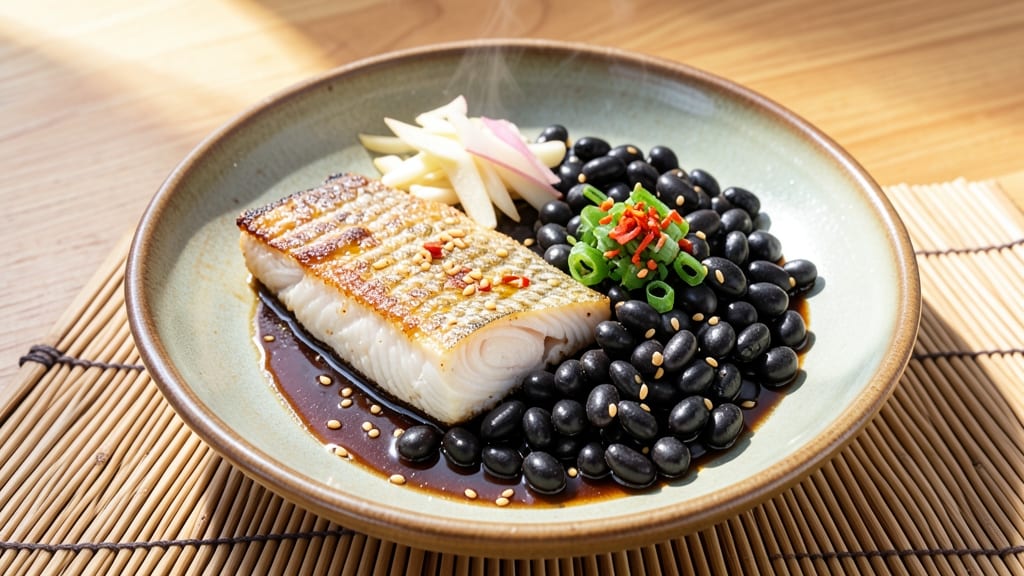
This Chinese fried fish with black beans recipe delivers the perfect balance of crispy, golden fish and tender, savory black beans—each bite packed with that signature wok-hei flavor.
The secret lies in a light cornstarch coating for the fish and a quick stir-fry of black beans with aromatic spices that transform simple ingredients into a restaurant-worthy meal. I developed this dish after years of perfecting the art of balancing textures and flavors in one pan.
The fish achieves its signature crispy exterior through a precise frying technique—hot oil, minimal crowding, and just enough time to create that satisfying crunch. Meanwhile, the black beans absorb the garlic, ginger, and chili, developing deep umami notes that complement the fish perfectly.
This isn't just a side dish; it's a complete meal with protein, vegetables, and bold seasoning in every bite.
What you'll end up with is a plate that looks as impressive as it tastes—crispy fish with flaky centers, glossy black beans clinging to tender fish fillets, and a sauce that ties everything together.
The aroma alone will have everyone gathering around the table, and the first bite delivers that perfect harmony of textures and flavors that makes this dish unforgettable.
Serve with steamed rice to soak up every last bit of sauce, or pair with a simple cucumber salad for freshness. This recipe is designed to impress without being overly complicated, making it perfect for weeknight dinners or special occasions when you want authentic Chinese flavors at home.
Ingredients for fried fish with black beans chinese
Crispy fish meets umami-packed black beans—just 14 ingredients for restaurant-quality flavor.
| Ingredient | Amount | Notes |
|---|---|---|
| White Fish Fillets (Cod, Tilapia, or Snapper) 🐟 | 1 ½ lb | Skinless, cut into even pieces |
| Cornstarch 🌾 | ½ cup | Light coating for crispiness |
| Black Beans 🫘 | 1 ½ cups | Cooked, drained, or canned |
| Garlic Cloves 🧄 | 6 cloves | Minced, aromatic base |
| Fresh Ginger 🌿 | 2 tbsp | Grated, zesty kick |
| Dried Chili Flakes 🌶️ | 1 tsp | Adjust for heat preference |
| Soy Sauce 🥢 | 3 tbsp | Light or dark variety |
| Sesame Oil 🫒 | 1 tbsp | Toasted aroma, don't skip |
| Vegetable Oil 🫒 | 3 cups | High smoke point for frying |
| Green Onions 🧅 | 3 whole | Sliced, fresh garnish |
| Salt 🧂 | 1 ½ tsp | Kosher or sea salt |
| Black Pepper 🌶️ | ½ tsp | Freshly ground |
| White Pepper 🌶️ | ¼ tsp | Traditional Chinese touch |
| Rice Vinegar 🍶 | 1 tbsp | Brightens the beans |
The fish is everything here. Cod or tilapia stays flaky when fried, while snapper adds a richer taste. Grab the freshest fillets you can find—Asian markets often have the best selection, but your local seafood counter works too. Look for fillets with a bright color and minimal fishy smell. If using frozen, thaw overnight in the fridge—never under running water. The cornstarch is non-negotiable for that signature crunch; Bob's Red Mill is my go-to brand, but any light cornstarch will work. Pat the fish dry before coating—water is the enemy of crispiness!
No black beans? Substitute edamame or black soybeans if you can find them, but regular kidney beans in a pinch. Fresh ginger missing? Ginger paste works in a squeeze tube, but it lacks that fresh bite. The chili flakes can be swapped for Sichuan peppercorns (toasted and ground) for a numbing-spicy kick. Soy sauce options? Light soy for brightness, dark for depth. I keep both on hand. The sesame oil might seem like an afterthought, but a good toasted variety from Trader Joe's makes all the difference—it's what gives that authentic wok-hei aroma. For extra umami, add a dash of fish sauce to the bean mix.
This dish reheats beautifully—just pop it in a skillet with a splash of water for 2-3 minutes to revive the crispiness. Store leftovers in an airtight container for up to 3 days, but the black beans will soften further. For maximum freshness, I portion the fish and beans separately so you can reheat just what you need. The sauce components keep for 1 week in the fridge, so make extra—it's perfect over rice or noodles. Freeze the sauce portion for up to 3 months if you're prepping ahead for a crowd.
Why You'll Love This Recipe
- One-Pan Magic: I swear by this recipe when I’m too tired to scrub a million dishes—just fry the fish, toss in the beans, and let the garlic and ginger work their magic. The black beans soak up all the crispy fish bits, so you end up with a pan that’s basically self-cleaning.
- Crispy-Creamy Dream: That first bite of cornstarch-crusted fish—golden outside, tender inside—paired with the smoky-sweet black beans? It’s the kind of combo that makes me forget I’m eating something "healthy." The ginger adds just enough zing to keep it from being boring.
- Lunchbox Hero: Between us, this is my go-to for packed lunches. The fish stays crispy for hours (if you wrap it right), and the beans add enough substance to fill you up. Honestly, my kids would rather have this than sandwiches—no complaints from me when they ask for seconds.
- Budget Win: A pound of tilapia and a can of black beans stretch farther than you’d think. I’ve made this feed four people for under $15, and it still feels like a restaurant dish. Plus, the leftovers reheat beautifully—just a quick sizzle in a pan, and it’s like it was made fresh.
Step-by-step instructions for crispy fried fish with black beans
Here's how to create perfect golden-brown fish with tender black beans—every bite delivers that satisfying crunch and savory depth.
Prepare the Black Bean Mixture
In a medium bowl, combine the 1.5 cups black beans, 1 tablespoon rice vinegar, 1 tablespoon sesame oil, and 1 teaspoon dried chili flakes. Stir well to distribute the flavors evenly. The vinegar brightens the beans while the sesame oil adds that signature nutty aroma. Let this mixture sit at room temperature for 10 minutes—this allows the flavors to meld together and the beans to soften slightly if using canned beans.
While waiting, mince the 6 cloves garlic and grate the 2 tablespoons fresh ginger using a fine grater or microplane. Add these to the bean mixture along with 1.5 teaspoons salt, 0.5 teaspoon black pepper, and 0.25 teaspoon white pepper. Mix thoroughly until the garlic and ginger are evenly distributed. The white pepper adds a subtle earthy note that pairs beautifully with the fish. Taste and adjust seasoning if needed—this is your flavor base, so don't skip this step.
Create the Perfect Crispy Coating
In a shallow dish, combine the 0.5 cup cornstarch with 0.5 teaspoon black pepper. This light coating is what creates that irresistible crunch while keeping the fish tender inside. The cornstarch should look like fine powder—if it clumps, sift it through a fine-mesh sieve to break up any lumps.
Cut the 1.5 lb white fish fillets into 1-inch thick pieces, ensuring each piece is of even thickness for consistent cooking. Pat them completely dry with paper towels—any moisture will prevent the cornstarch from adhering properly and will cause the coating to steam instead of crisp. Working quickly, press each fish piece into the cornstarch mixture, coating all sides evenly. Don't press too hard or the coating will break apart when you fry. Let the coated fish rest for 5 minutes while you prepare the oil.
Fry the Fish to Golden Perfection
Place a deep skillet or Dutch oven over medium heat and add 3 cups vegetable oil. Heat the oil until it reaches 350°F—this is crucial for achieving that perfect golden-brown crust without burning the fish. Use a deep-fry thermometer to monitor the temperature. If you don't have one, test the oil by dropping in a small piece of cornstarch—it should sizzle and float immediately.
Carefully add the coated fish pieces to the hot oil, working in batches if needed to avoid overcrowding. Fry for 3-4 minutes per side until the fish is deep golden brown and the coating is crispy. You'll see tiny bubbles form around the edges—that's your signal it's ready to flip. Use a slotted spatula to turn the fish gently. The fish is done when it releases easily from the spatula and the coating is uniformly crisp. Transfer to a paper towel-lined plate to drain excess oil.
Assemble and Serve Immediately
While the fish is still hot and crispy, slice the 3 whole green onions into ¼-inch pieces and sprinkle them over the black bean mixture. The fresh green onions add a bright contrast to the rich, spiced beans. In a large skillet over medium heat, warm the black bean mixture for 2-3 minutes, stirring occasionally, until everything is heated through and fragrant.
To serve, divide the black beans among four plates, then place two crispy fried fish pieces on top of each serving. The contrast of the crispy fish against the tender, flavorful beans is what makes this dish so incredible. Serve immediately while the fish is still at its crispy best—this dish doesn't wait! The combination of the golden, crunchy exterior and the juicy fish inside with the umami-rich black beans creates a perfect balance of textures and flavors that will have everyone reaching for seconds.
Pro Tips For Making Fried Fish With Black Beans Chinese
- Double-Coat the Fish: Slather the fillets with a thin layer of cornstarch first, then dip again in a slightly beaten egg wash before the final cornstarch coating. The first layer sticks to the fish, the second creates that crispy armor—no more soggy edges ruining your first bite.
- Prep Beans Right: Rinse the black beans twice in cold water, then soak for 10 minutes if they’re canned (or 30 if dried). Skipping this step leaves them mealy—trust me, you’ll taste the difference in that savory sauce.
- Keep Oil Hot: Use a thermometer and aim for 350°F (175°C). Too cool? Greasy fish. Too hot? Burned crust. A deep-fry thermometer costs $10 and saves you from throwing out fish—worth it.
- Sear Garlic First: Mince the garlic super fine (almost paste), then toss it into the hot wok before the beans. Let it sizzle for 20 seconds until fragrant—this builds flavor that just simmering won’t match.
Regional styles of fried fish with black beans chinese
Cantonese Style
The Cantonese version of this dish, often found in Hong Kong and Southern China, focuses on a lighter touch with the black beans.
Here, the beans are stir-fried with just 1 tablespoon soy sauce, 1 teaspoon sugar, and a splash of Shaoxing wine—about ½ tablespoon—to enhance their natural sweetness. The fish is typically coated with a mix of cornstarch and rice flour (50/50 ratio) for extra crispiness.
Garnish with toasted sesame seeds and serve with a side of steamed jasmine rice. This version is all about balance—crispy fish, tender beans, and a delicate sauce. 🍚
Sichuan Spicy Twist
For a fiery kick, the Sichuan approach adds 1 tablespoon Sichuan peppercorn powder and 1 tablespoon chili bean paste to the black bean mixture. The fish is often marinated in a blend of 1 tablespoon soy sauce, 1 tablespoon rice vinegar, and 1 teaspoon grated ginger before coating.
After frying, the fish is tossed with a quick sauce of 1 tablespoon doubanjiang (chili bean paste), 1 teaspoon sugar, and a splash of water to create a glossy, spicy glaze. This version is bold, aromatic, and packed with that signature Sichuan numbing heat. 🌶️
Fujian Coastal Version
In Fujian province, this dish leans into seafood-forward flavors with a lighter hand.
The black beans are stir-fried with 1 tablespoon light soy sauce, 1 teaspoon Shaoxing wine, and a pinch of white pepper, while the fish is coated in a mix of cornstarch and potato starch for an extra-light crisp.
The dish is finished with a drizzle of 1 tablespoon oyster sauce and topped with thinly sliced scallions. This version is brighter, more delicate, and highlights the natural sweetness of the fish and beans. 🌊
Shanghai Street Food Style
For a more rustic take, the Shanghai street food version skips the black beans entirely and replaces them with stir-fried green beans or bok choy.
The fish is coated in a mix of cornstarch and a pinch of baking soda (just ¼ teaspoon) for an extra-crispy, almost "puffy" texture. The dish is served with a side of pickled vegetables and a drizzle of chili oil for heat.
This version is all about texture contrast—crispy fish, tender greens, and a tangy-sweet sauce. 🍜
Taiwanese Home-Style
In Taiwanese home kitchens, this dish often includes a touch of pineapple juice (about 2 tablespoons) in the black bean mixture to balance the richness. The fish is coated in a mix of cornstarch and a pinch of salt, then fried until golden.
The dish is finished with a sprinkle of toasted black sesame seeds and served with a side of cucumber salad. This version is sweet, savory, and slightly tangy—a perfect balance of flavors that feels comforting and familiar. 🍍
Nutrition facts
Frequently asked questions
What type of fish works best for this recipe?
White fish with firm, flaky flesh works best—think cod, tilapia, or snapper. These varieties stay tender when fried while developing that perfect crispy crust. Avoid delicate fish like sole, as they can fall apart during frying.
Can I make this dish ahead of time?
For best results, fry the fish fresh and assemble the dish just before serving. However, you can prep components ahead: marinate the beans for 4 hours in the fridge, or cook the fish and store it in an airtight container for 1 day (reheat gently in a skillet). The sauce can be made 1 day ahead and reheated with a splash of water.
How do I get the fish extra crispy?
Three keys: pat the fish bone-dry before coating, use light cornstarch (no flour), and fry in oil at 350°F without overcrowding. For extra crunch, add ¼ teaspoon baking soda to the cornstarch mix (shake it off before frying). Work quickly—wet fish ruins crispiness!
What if I don't like spicy food?
Skip the chili flakes entirely and replace them with extra ginger (1 tbsp) or garlic (3 cloves) for depth. For a milder touch, use ½ teaspoon ground white pepper instead of chili flakes. The dish still delivers umami without heat!
Can I use canned black beans?
Yes! Drain and rinse canned beans thoroughly to remove excess sodium. For extra flavor, warm them with 1 tsp soy sauce and ½ tsp sugar before mixing with the other ingredients. Fresh or dried beans work too—just cook them until tender before using.