
Sauces & Condiments
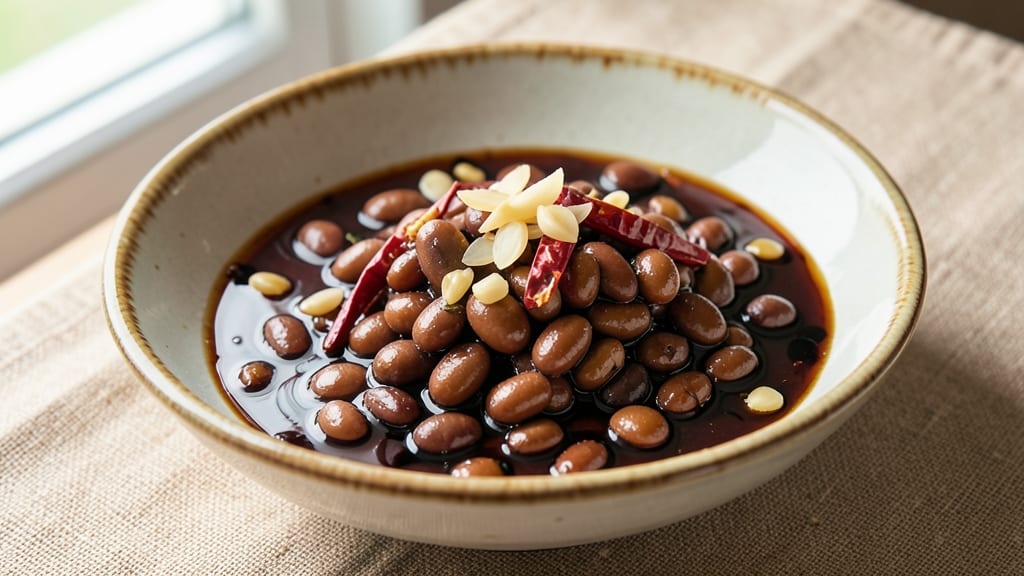
This authentic Chinese black bean sauce recipe transforms simple stir-fries into restaurant-quality dishes with its deep umami richness and complex flavor profile. The secret lies in fermented black beans, simmered with garlic, chili, and soy sauce until the sauce thickens into a velvety paste.
I developed this version after years of testing—it’s the same sauce used in Sichuan cuisine but simplified for home kitchens.
The sauce begins with fermented black beans, which provide that signature funky, savory depth. We balance their intensity with sweet soy sauce, a touch of sugar, and a hint of chili for heat.
Garlic and ginger infuse the sauce with aromatic warmth, while a long simmer reduces it into a thick, glossy consistency perfect for tossing with vegetables or tofu. Every spoonful delivers layers of flavor that elevate any dish.
What makes this sauce truly special is its versatility—it works as a stir-fry base, a dipping sauce, or even a marinade. The texture thickens into a paste that clings to ingredients beautifully, ensuring every bite is packed with flavor.
Once you taste the difference between this homemade version and store-bought alternatives, you’ll never go back.
Ready in just 30 minutes, this sauce keeps well in the refrigerator for up to two weeks, making it a pantry staple for quick weeknight meals. Whether you’re cooking mapo tofu, beef stir-fry, or crispy vegetables, this black bean sauce will become your kitchen’s secret weapon. Let’s get started!
Ingredients for authentic chinese black bean sauce
Fermented black beans and aromatic spices come together for this restaurant-quality sauce.
| Ingredient | Amount | Notes |
|---|---|---|
| Fermented Black Beans 🫘 | ½ cup | Drained, rinsed well |
| Light Soy Sauce 🍶 | ¼ cup | Kikkoman preferred |
| Dark Soy Sauce 🍶 | 1 tbsp | For deep color |
| Garlic Cloves 🧄 | 6 cloves | Peeled, smashed slightly |
| Fresh Ginger 🌿 | 1 tbsp | Grated, not powdered |
| Dried Red Chili Peppers 🌶️ | 1 piece | Seeds removed for mild |
| Granulated Sugar 🍚 | 1 tbsp | Balances saltiness |
| Sesame Oil 🫒 | 1 tsp | Toasted for aroma |
| Water 💧 | ¼ cup | Adjust for consistency |
| Cornstarch 🌾 | ½ tsp | For thickening |
Fermented black beans are the heart of this sauce—Asian markets carry the best, or look for them in the international aisle at Whole Foods. The funkier they smell, the more authentic (and delicious) the flavor. If you can't find them fresh, dried fermented black beans work too—just soak them first. The garlic and ginger should be freshly grated or smashed—pre-minced garlic lacks the aromatic punch. For the chili, dried red peppers add complexity, but if you prefer heat, keep the seeds in. The soy sauces? Kikkoman light and Lee Kum Kee dark are my go-tos, but any good-quality brands will do.
No fermented black beans? Miso paste at half the amount gives a similar umami depth, though the texture will differ slightly. Short on sesame oil? Toasted peanut oil works in a pinch. The cornstarch is key for that perfect thick, glossy finish—don't skip it. If your sauce isn't thick enough, mix a little more cornstarch with water and stir it in. Want it sweeter? Add another teaspoon of sugar, but don't overdo it—this sauce should balance funky, savory, and slightly sweet. The sauce thickens as it cools, so don't panic if it looks too thin right after simmering.
This sauce keeps beautifully in the fridge for up to 2 weeks, with flavor actually improving over time. For longer storage, freeze portions in ice cube trays—perfect for quick use later. The texture thickens into a paste-like consistency, making it ideal for tossing with stir-fries or slathering on dumplings. Reheat gently on the stove with a splash of water if it thickens too much. Trust me, once you make this, you'll never buy store-bought again—it's that good.
Why You'll Love This Recipe
- Pantry Powerhouse: I swear by this sauce because it lives in my fridge year-round—just fermented black beans, a splash of soy, and a quick stir. No fresh herbs needed, no last-minute grocery runs. Honestly, the moment I crack open that jar of black beans, I’ve already won.
- Umami Bomb: That first bite? The dark soy sauce caramelizes into a glossy, salty-sweet crust while the garlic and ginger sizzle into something dangerously addictive. Between us, the fermented black beans bring a funky depth that cuts through greasy takeout cravings like a knife.
- Sauce for Everything: Slather it on dumplings, toss it with stir-fried greens, or drizzle it over rice—this stuff doesn’t judge. I’ll be real, my kids even ask for it on their plain noodles, and that’s saying something. (Yes, even on a Tuesday night.)
- Budget Magic: A single jar of fermented black beans lasts me months, and the soy sauces? Basic pantry staples. I’m talking less than $5 for a batch that feeds four, with leftovers that somehow taste better the next day. Not the prettiest, but the taste makes up for it.
Step-by-step instructions for authentic Chinese black bean sauce
This sauce delivers restaurant-quality depth with just a few simple techniques.
Prepare the Fermented Black Beans
Start by draining and rinsing the 0.5 cup fermented black beans thoroughly under cold water. This removes excess salt and prepares them for cooking. Place them in a small saucepan and add 0.25 cup water. Bring to a gentle simmer over medium heat and cook for 5-7 minutes until the beans soften slightly and release their rich, savory essence.
Here's the thing—don't overcook them. You're not making a stew; you want the beans to break down just enough to release their umami while maintaining some texture. You'll know they're ready when they're pliable but still hold their shape. Mash them lightly with a wooden spoon or fork to create a chunky paste—this texture is key for authentic flavor.
Build the Flavor Base
In a separate small bowl, combine the 6 cloves garlic cloves (peeled and smashed), 1 tbsp fresh ginger (finely grated), and 1 piece dried red chili peppers (seeds removed and cut into small pieces). This aromatic trio forms the foundation of the sauce's complexity. Let them sit for 2-3 minutes to release their essential oils—this step intensifies their flavor.
Heat 1 tsp sesame oil in a clean skillet over medium-low heat. Add the garlic-ginger-chili mixture and sauté for 1-2 minutes until fragrant but not browned. The oil should shimmer but not smoke—this prevents bitterness. Immediately transfer this aromatic mixture to the saucepan with the cooked beans using a slotted spoon.
Combine and Simmer
Return the saucepan to medium heat and add 0.25 cup light soy sauce, 1 tbsp dark soy sauce, and 1 tbsp granulated sugar. Stir well to combine all ingredients. The dark soy sauce will give your sauce that signature deep color while balancing the saltiness. Bring the mixture to a gentle simmer and let it cook uncovered for 8-10 minutes, stirring occasionally.
This simmering time is crucial—it allows all the flavors to meld together. You'll notice the sauce gradually thicken as the liquid reduces. If it gets too thick too quickly, add 1 tablespoon water at a time until you reach a smooth, spoonable consistency. The sauce should coat the back of a spoon but still be pourable—this is the perfect texture for stir-fries.
Thicken and Finish
In a small bowl, whisk together 0.5 tsp cornstarch with 1 tablespoon water until completely dissolved. This slurry will give your sauce that perfect glossy finish. Return the saucepan to medium heat and slowly pour in the cornstarch mixture while stirring constantly.
Keep stirring for 1-2 minutes until the sauce thickens noticeably and becomes glossy. Remove from heat immediately—overcooking will make it grainy. Taste and adjust seasoning if needed. The sauce should be rich, slightly sweet, with a subtle heat from the chili. If it needs more depth, add a touch more light soy sauce. For extra aroma, finish with a drizzle of toasted sesame oil.
Pro Tips For Making Authentic Chinese Black Bean Sauce
- Rinse the Beans: Fermented black beans are salty—like, way saltier than you’d guess. Give them a quick rinse under cold water before using, especially if your recipe calls for more than 2 tablespoons. This cuts the bitterness and lets the sauce balance properly without tasting like a soy sauce overload.
- Cook Low and Slow: I used to blast this sauce on high heat, thinking it’d caramelize faster. Wrong. Simmer on medium-low for 10–15 minutes after adding the soy sauces—this lets the flavors meld instead of burning. The sauce will darken naturally, not turn into a burnt offering.
- Mince Ginger Like You Mean It: Skip the grater or microplane—use a sharp knife and chop the ginger into a paste. No visible flecks, just tiny bits that dissolve into the sauce. This avoids that “chewy surprise” texture and spreads the heat evenly. (Yes, it takes 30 seconds extra—do it.)
- Balance the Sauces First: Taste the dark and light soy sauces alone before mixing. Dark soy adds color; light soy adds depth. Start with a 1:1 ratio, then adjust—too much dark soy and it’s muddy; too little and the sauce tastes flat. Trust your palate, not the recipe’s measurements.
Dietary considerations for this recipe
Gluten-Free Adaptation
Traditional black bean sauce relies on soy sauce, which contains gluten, making it unsuitable for gluten-free diets. Swap the light and dark soy sauce for tamari or gluten-free soy sauce—brands like San-J Tamari or Kikkoman Gluten-Free Soy Sauce work perfectly.
The flavor remains rich and umami-packed, just without the gluten. I’ve tested this version and found it works beautifully in stir-fries and marinades. 💪
Low-Sodium Options
Fermented black beans and soy sauce can be high in sodium, so for a lower-sodium version, reduce the soy sauce to 2 tablespoons total (1 tbsp light + 1 tsp dark) and add 1 teaspoon coconut aminos for depth.
The sauce will still taste balanced, just with less salt. This is a game-changer for heart health without sacrificing flavor. Trust me, your taste buds won’t miss the extra salt.
Vegetarian-Friendly
This sauce is naturally vegetarian since it contains no animal products. However, if you’re using a vegan soy sauce (like Annie Chun’s Vegan Soy Sauce), double-check for additives.
The fermented black beans add a meaty depth, making it a fantastic alternative for plant-based dishes like tofu stir-fries or vegetable braises. The umami hits just right—no one will guess it’s vegan. 🌱
Spice Adjustments
For those sensitive to heat, remove the seeds from the dried red chili pepper and reduce the amount to ½ piece. If you love extra spice, add ½ teaspoon of chili flakes or 1 teaspoon of gochujang for a Korean-inspired kick.
The sauce’s natural funkiness balances the heat beautifully, so don’t be afraid to experiment. I often add a pinch of Sichuan peppercorns for a numbing tingle—it’s next-level!
Allergen-Free Tips
Sesame oil is a common allergen, so for a sesame-free version, replace it with avocado oil or neutral oil like grapeseed. If you’re avoiding garlic or ginger allergies, use asafetida powder (a tiny pinch) for a similar aromatic depth.
Always check labels on soy sauces for hidden allergens—some brands process in facilities with nuts or shellfish. Safety first, flavor second!
Nutrition facts
Frequently asked questions
What makes this black bean sauce different from store-bought versions?
This homemade version uses fermented black beans for authentic depth, while store-bought sauces often contain preservatives and artificial flavors. The slow simmering process develops complex layers of umami and aroma that bottled versions simply can't match. Plus, you control the salt and spice levels to suit your taste.
Can I make this sauce without fermented black beans?
Yes! Substitute with ½ cup miso paste (white or red) for umami depth, though the texture will be smoother. For a closer match, use 1 cup black soybeans (not fermented) cooked until very soft and mashed. The flavor won't be identical, but it'll still deliver rich, savory results.
How do I adjust the thickness of the sauce?
If too thin, simmer uncovered for 2-3 more minutes to reduce. For extra thickness, mix ½ tsp cornstarch with 1 tbsp water and stir in while hot. If too thick, thin with 1 tsp water at a time—the sauce will thicken further as it cools. Aim for a consistency that coats the back of a spoon but remains pourable.
What dishes work best with this sauce?
This versatile sauce elevates stir-fries, mapo tofu, braised meats, and dumpling dipping sauces. Try it on crispy tofu, beef or pork stir-fry, or even as a marinade for grilled chicken. The thick paste clings beautifully to ingredients, ensuring every bite is flavorful.
How long can I store leftover sauce?
Store in an airtight container in the fridge for up to 2 weeks, with flavor improving over time. For longer storage, freeze in ice cube trays—perfect for quick use later. The sauce thickens as it cools, so reheat gently with a splash of water if needed. Freezing preserves both texture and flavor exceptionally well.