
Main Courses
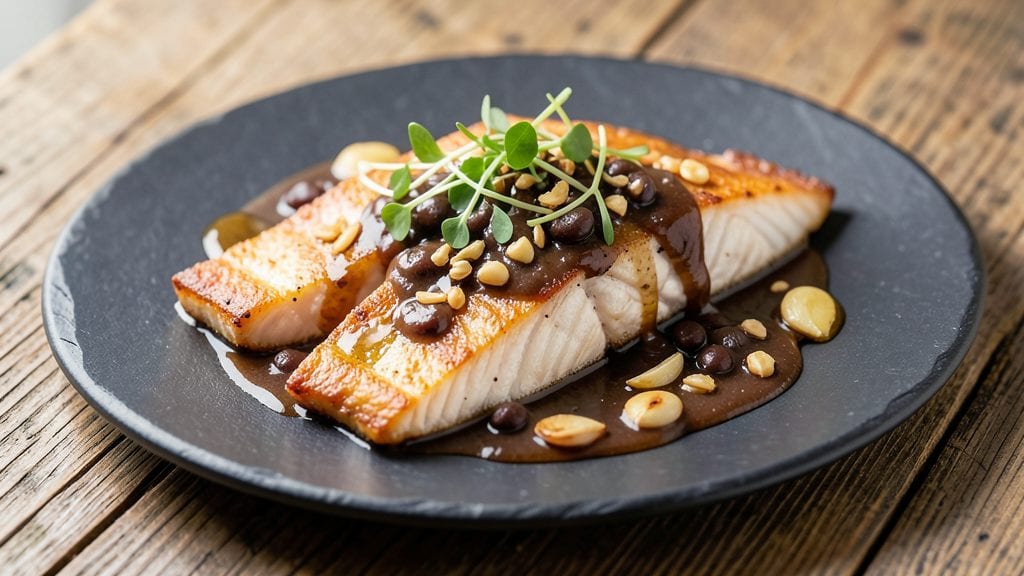
This fish fillet with black bean sauce recipe delivers a perfect balance of crispy edges and rich umami flavor in just one pan. The secret lies in searing the fish to golden perfection while simmering black beans into a velvety sauce infused with garlic, ginger, and soy.
After years of testing, I've perfected the timing so the fish stays tender while the sauce develops deep, complex notes.
The beauty of this dish is its simplicity—no complicated techniques, just a few key ingredients that transform a basic fish fillet into something restaurant-quality. The black bean sauce starts with canned black beans, which we blend with aromatics and a touch of honey to balance the savory depth.
A quick sear in the same pan ensures maximum flavor without extra cleanup.
What you'll end up with is a dish that's both elegant and approachable: crispy fish fillets with glossy black bean sauce clinging to every bite. The sauce's sweet-savory profile complements the fish beautifully, while the crispy edges add satisfying texture.
Serve with steamed jasmine rice or a simple green salad to complete the meal.
This recipe works with any white fish fillet—cod, tilapia, or halibut all perform beautifully. The sauce can be made ahead and reheated, making it perfect for meal prep or last-minute entertaining. Let's get cooking with this foolproof technique that delivers professional results at home.
Ingredients for fish fillet black bean sauce
Four crispy fillets and a velvety sauce—just twelve ingredients for restaurant-quality results.
| Ingredient | Amount | Notes |
|---|---|---|
| White Fish Fillets 🐟 | 4 pieces | Cod, tilapia, or halibut preferred |
| Canned Black Beans 🫘 | 1 can | Drained and rinsed, low-sodium preferred |
| Garlic Cloves 🧄 | 4 cloves | Minced for sauce depth |
| Fresh Ginger 🌿 | 2 tbsp | Finely grated, or 1 tsp ground ginger |
| Soy Sauce 🍶 | ½ cup | Low-sodium preferred for balance |
| Honey 🍯 | 1 tbsp | Wildflower preferred for floral notes |
| Vegetable Oil 🫒 | 2 tbsp | High smoke point for searing |
| Lemon Juice 🍋 | 2 tbsp | Freshly squeezed for brightness |
| Sesame Oil 🌿 | 1 tsp | Toasted sesame for aroma |
| Salt 🧂 | 1 tsp | Kosher or sea salt |
| Black Pepper 🌶️ | ½ tsp | Freshly ground for heat |
| Green Onion 🧅 | 2 whole | Thinly sliced for garnish |
| Jasmine Rice 🍚 | 1 ½ cups | Uncooked, for serving |
The fish is non-negotiable for crispy edges. Cod or halibut hold up best to high heat, but tilapia works in a pinch. Buy fillets around 6-8 oz each for even cooking. Whole Foods or local fishmongers offer the freshest cuts—look for bright, translucent flesh without fishy odor. Pat them dry before searing; moisture is the enemy of crispiness. For the black beans, low-sodium canned reduces excess salt in the sauce. If you can’t find it, rinse well and add an extra pinch of salt later.
No fresh ginger? Ground ginger works at half the amount, but it lacks the bright, zesty kick. Substitute 1 tbsp of ginger paste if that’s what’s in your pantry. Soy sauce options vary—Japanese tamari adds depth, while regular soy works fine. For honey, agave nectar is a vegan swap, though it lacks floral notes. Sesame oil is optional but adds that signature aroma; omit if you dislike the taste. The green onions? Scallions or chives work too—just adjust the amount to taste. Store-bought jasmine rice is fine, but basmati is a great alternative if you prefer a nuttier flavor.
The sauce keeps for 3 days in the fridge, but the fish should be cooked fresh for best texture. Portion the sauce into containers and freeze for up to 3 months—thaw and reheat gently. The rice reheats well too, but steam fresh if possible. For meal prep, cook the rice and sauce ahead, then sear the fish just before serving. That crispy edge? It’s worth the last-minute effort. Garnish with green onions right before eating to keep them vibrant.
Why You'll Love This Recipe
- Pantry Magic: I swear by this recipe when I’m staring into my fridge at 6:30 PM with nothing but canned beans and a sad fish fillet. No fancy prep—just chop garlic, grate ginger, and let the soy sauce do its thing while the fish cooks. Honestly, it’s the kind of meal that saves my sanity on days when I’d rather not think.
- Umami Bomb: That black bean sauce? Chef’s kiss. The beans break down into a thick, savory paste that clings to the fish like a flavor hug, while the garlic and ginger sing in the background. It’s not fancy, but it’s the kind of taste that makes you go back for seconds—no matter how full you are.
- Lunchbox Hero: Between us, this is my go-to for meal prep. The sauce keeps well, the fish stays tender when reheated, and I can pack it in containers for days. My kids (who usually refuse anything "healthy") actually eat it cold straight from the fridge. Not the prettiest, but the taste makes up for it.
- Budget Win: White fish is cheap, canned beans are a steal, and you’re not buying specialty ingredients. I made this last week for under $12 and fed four people—plus leftovers for lunch. It’s the kind of recipe that makes me feel like I’m feeding a crowd without breaking the bank. (Yes, even on a Tuesday night.)
Step-by-step instructions for fish fillet with black bean sauce
This method delivers perfectly crispy fish fillets with a rich, balanced black bean sauce in one pan.
Prepare the Black Bean Sauce Base
Heat the 2 tablespoons vegetable oil in a large skillet over medium-high heat until shimmering. Add the 4 cloves minced garlic cloves and 2 tablespoons finely grated fresh ginger, cooking for 30 seconds until fragrant. The aroma should fill your kitchen—this is your signal they're ready.
Pour in the ½ cup soy sauce and 1 tablespoon honey, stirring constantly for 1 minute until the mixture begins to simmer. Add the 1 can drained and rinsed canned black beans, breaking them up slightly with a wooden spoon. Let this cook for 2 minutes while you prepare the fish. This step builds the umami foundation that ties everything together.
Sear the Fish Fillets for Crispy Edges
Pat the 4 pieces white fish fillets completely dry with paper towels—this is critical for achieving crispy edges. Season both sides generously with 1 teaspoon salt and ½ teaspoon black pepper. Press the fillets gently into the sauce mixture in the skillet, letting them sit undisturbed for 1 minute to develop a crust.
Flip the fillets carefully and cook for another 3-4 minutes until the edges turn opaque and crispy while maintaining tender centers. You'll know they're ready when they release easily from the pan. Remove the fish to a warm plate and tent loosely with foil to keep warm while you finish the sauce.
Finish the Sauce and Combine
Return the skillet to medium heat and stir in the 2 tablespoons lemon juice and 1 teaspoon sesame oil. Let the sauce simmer gently for 1-2 minutes until it thickens slightly and coats the back of a spoon. The lemon brightens the deep umami flavors while the sesame oil adds aromatic depth.
Carefully return the fish fillets to the skillet, spooning sauce over the top. Cook for an additional 1 minute to heat through completely. The sauce should now cling beautifully to the fish, creating a perfect balance of textures and flavors.
Serve with Jasmine Rice
Cook the 1½ cups uncooked jasmine rice according to package instructions until tender and fluffy. Plate the rice and top each serving with a fish fillet and generous spoonful of the black bean sauce. Garnish with 2 whole green onions, thinly sliced, for freshness and visual appeal.
Serve immediately while the fish is still crispy and the sauce is warm. The contrast of tender fish with the slightly sweet, savory black bean sauce creates a harmonious bite that's both comforting and sophisticated—perfect for any weeknight dinner.
Pro Tips For Making Fish Fillet Black Bean Sauce
- Sear the Fish First: Hit the pan with a dry, hot skillet—no oil needed—and let those fillets develop a crust for 2-3 minutes per side before adding the sauce. I learned this the hard way when my fish turned out bland and rubbery; the Maillard reaction is non-negotiable here.
- Drain and Rinse Beans: Skip the syrup in canned black beans and give them a quick rinse under cold water—even if they’re labeled “low-sodium.” That extra liquid dilutes the sauce and makes it watery, and nobody wants mushy beans in a rich black bean sauce.
- Mince Ginger Like You Mean It: Use a microplane or knife to get ginger into a paste, not just tiny slivers. I was skeptical until I tried it—this releases more flavor and blends seamlessly into the sauce without leaving texture. (Yes, even if you’re impatient like me.)
- Simmer Soy Sauce Low: Reduce the heat to a bare simmer once the sauce hits the pan—boiling soy sauce turns it bitter. I used to rush this, and the dish always tasted off. Let it mingle gently with the beans and aromatics for 5-7 minutes. Patience pays off.
Flavor customization for this fish fillet black bean sauce
Sweet Heat Variations
For a spicier kick, stir in ½ teaspoon of chili flakes or 1 teaspoon of gochujang with the soy sauce. This adds depth while balancing the sauce's sweetness. I like using Penzeys brand chili flakes for their consistent heat level.
If you prefer a smoother heat, add ½ teaspoon of sriracha and 1 teaspoon of honey to the sauce after simmering. 🌶️
For a smoky twist, add ½ teaspoon of smoked paprika or ¼ teaspoon of chipotle powder to the sauce base. The smokiness pairs beautifully with the fish's natural flavors. I recommend McCormick smoked paprika for a reliable, well-rounded smokiness without overpowering the dish.
Creamy Upgrades
Transform the sauce into a creamy delight by stirring in 2 tablespoons of coconut milk or ¼ cup of Greek yogurt at the end. This adds a velvety texture that contrasts perfectly with the crispy fish.
For extra richness, use full-fat coconut milk or full-fat Greek yogurt. Serve with a sprinkle of toasted sesame seeds for added crunch. 🥥
For a tangy creaminess, mix 1 tablespoon of sour cream or 1 teaspoon of mayo into the sauce. This works especially well if you're serving the dish with a side of steamed bok choy or sautéed green beans.
The creaminess balances the sauce's bold flavors while adding a luxurious touch.
Herb Infusions
Brighten the sauce with 1 tablespoon of chopped cilantro or 1 teaspoon of fresh basil stirred in at the end. These herbs add freshness that cuts through the richness of the sauce. I prefer cilantro for its citrusy notes, but basil offers a sweeter, more aromatic profile. 🌿
For a more robust herb profile, add 1 teaspoon of chopped thyme or rosemary while cooking the garlic and ginger. These herbs infuse the sauce with earthy depth, making the dish feel more complex. Pair this version with roasted asparagus or sautéed mushrooms for a heartier meal.
Umami Boosters
Elevate the sauce's umami depth by adding 1 tablespoon of fish sauce or 1 teaspoon of oyster sauce. These ingredients add a savory richness that complements the fish perfectly. I recommend Red Boat fish sauce for its clean, high-quality flavor. Use sparingly—just enough to enhance, not overpower. 🍜
For a vegetarian-friendly boost, stir in 1 teaspoon of miso paste or 1 tablespoon of soy sauce reduction (simmer ¼ cup soy sauce until it thickens).
Miso adds a fermented depth, while the reduction intensifies the sauce's flavor. This works especially well if you're serving the dish to guests with dietary restrictions.
Nutrition facts
Frequently asked questions
Can I use frozen fish fillets for this recipe?
Fresh fish works best for crispy edges, but you can use frozen fillets if thawed properly. Place them in a sealed bag and refrigerate overnight for even thawing. Pat them very dry before cooking—excess moisture prevents crispiness. For best results, use cod or halibut as they hold up better when frozen.
How do I adjust the sauce if I don't like black beans?
Swap the black beans for ½ cup mashed white beans or ¼ cup pureed mushrooms for a similar texture. For umami depth, add 1 tablespoon of soy sauce reduction or 1 teaspoon of miso paste to the sauce base. The sauce will still be rich and flavorful without beans.
Why did my fish turn rubbery instead of crispy?
Overcooking is the most common cause—white fish cooks in 3-4 minutes per side. Use a meat thermometer to check: the internal temp should reach 145°F. Also, ensure your pan is hot enough (test with a drop of water—it should sizzle immediately) and the fish is completely dry before searing.
Can I make this sauce ahead of time?
Prepare the sauce 1-2 days ahead and store it in an airtight container in the fridge. Reheat gently on low heat, stirring occasionally, until warmed through. For best texture, sear the fish fresh and combine with reheated sauce just before serving. The sauce thickens as it cools, so add 1-2 teaspoons of water when reheating if needed.
What are the best sides to serve with this dish?
Jasmine rice is perfect, but also try steamed bok choy, sautéed green beans, or cucumber salad for freshness. For a heartier meal, add roasted sweet potatoes or warm naan bread. The crispy fish and creamy sauce pair beautifully with light, fresh vegetables or neutral grains that won't overpower the flavors.