
Sauces & Condiments
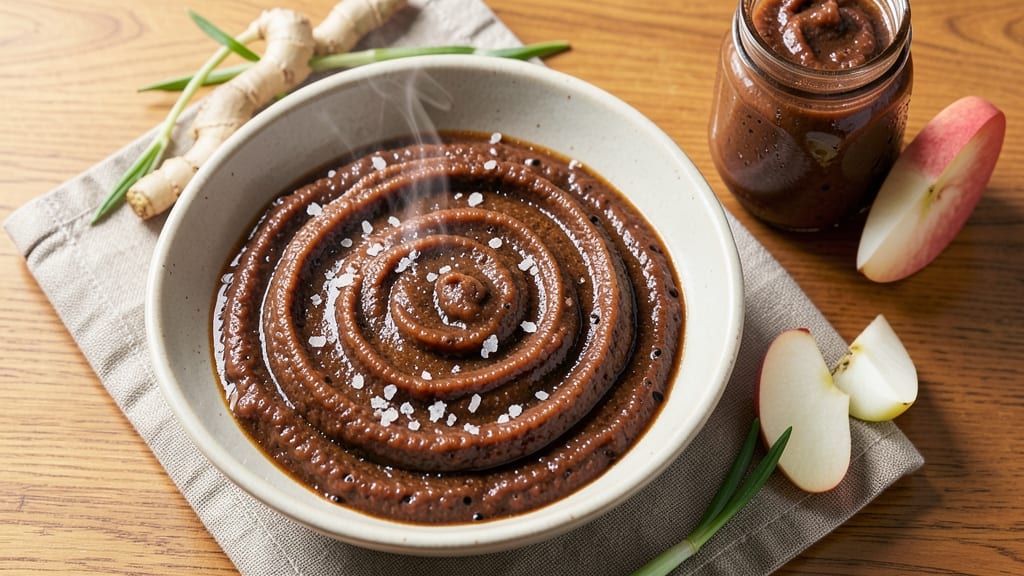
Fermented red bean paste delivers a complex umami depth that transforms ordinary dishes into extraordinary ones—think tangy sweetness with a subtle funk that builds over time. This traditional East Asian condiment starts with adzuki beans, sugar, and water, then relies on natural fermentation to develop its signature flavor profile.
I perfected this recipe after years of experimentation, balancing fermentation time to ensure safety while maximizing flavor development.
The beauty of fermented red bean paste lies in its versatility—use it as a glaze for meats, a sweet-savory spread for toast, or a key ingredient in vegan desserts like mochi or ice cream.
The fermentation process requires patience (typically 7–14 days), but the results are worth it: a thick, vibrant paste with layers of caramelized sweetness and fermented tang. Unlike store-bought versions, homemade paste lets you control sweetness and fermentation intensity.
Safety is critical during fermentation, so I’ve included precise timing and storage instructions to prevent mold while ensuring proper fermentation. Once complete, this paste keeps for months in the refrigerator, making it a pantry staple for bold, umami-rich flavors.
Whether you’re a home cook or a professional chef, this recipe will elevate your dishes with its distinctive depth and complexity.
Ready to explore its potential? Let’s dive into the step-by-step process, from soaking beans to fermenting and storing your paste for maximum flavor impact.
Ingredients for fermented red bean paste
Seven core ingredients transform into a complex umami-rich paste through natural fermentation.
| Ingredient | Amount | Notes |
|---|---|---|
| Adzuki Beans 🌾 | 1 ½ cups | Dry, uncooked, rinsed well |
| Organic Cane Sugar 🍯 | 1 cup | Light brown preferred for depth |
| Filtered Water 💧 | 1 ½ cups | Room temperature for fermentation |
| Fresh Ginger Root 🌿 | 1 tbsp | Grated finely for aromatic depth |
| Diamond Crystal Kosher Salt 🧂 | 1 tsp | Fine grain for even distribution |
| Asian Pear or Apple 🍎 | ½ cup | Diced, for natural pectin |
| Rice Vinegar 🍶 | 1 tbsp | White vinegar works in pinch |
| White Miso Paste 🍜 | 2 tbsp | For starter culture and umami |
| Black Peppercorns 🌶️ | 5 whole | Crushed lightly for subtle heat |
| Star Anise Pods 🌟 | 2 whole | Optional for aromatic complexity |
Adzuki beans are the foundation—look for whole, dry beans at Asian markets or bulk bins for the best texture. Organic cane sugar is key here; white sugar works but lacks the caramel notes. The ginger should be fresh and aromatic—no powdered substitutes. For the water, room temperature is critical; cold water slows fermentation. I always double-check my Diamond Crystal kosher salt is fine grain, as coarse varieties can disrupt fermentation. The Asian pear or apple adds natural pectin, which helps thicken the paste—Fuji apples work perfectly if pears are unavailable.
No rice vinegar? Apple cider vinegar or white vinegar works in a pinch, though flavor will differ slightly. The miso paste is non-negotiable—it provides the starter culture for fermentation. White miso is ideal, but red miso adds deeper color. Black peppercorns and star anise are optional but add layers of complexity; skip if you prefer a cleaner flavor profile. For the sugar, if you only have powdered, dissolve it in the water first. The ginger can be substituted with 1 tsp ground ginger, though fresh is preferred for brightness. All ingredients should be measured precisely—fermentation is a delicate balance.
This paste develops over 7-14 days, so patience is key. Store in a clean glass jar with a loose lid to allow gases to escape. Keep at room temperature for the first 3 days, then refrigerate. The paste will thicken and darken as it ferments—expect a deep red hue when ready. Once complete, it keeps for up to 6 months in the fridge. Portion into small jars for easy use in recipes.
Why You'll Love This Recipe
- A little goes a long way: stir into oatmeal, spread on toast, or mix into marinades. I keep a jar in my fridge for when I’m lazy or need a quick flavor boost—no two uses are the same.
- No-Soaking Needed: I’ll save you the hassle of pre-soaking—just rinse those adzuki beans and go. The ginger and salt do the real work while you sip tea, and the paste thickens naturally over time without fuss.
- Sweet-Savory Magic: That first bite? Warm, jammy adzuki with a whisper of ginger’s zing cutting through the sugar’s richness. It’s like dessert and savory snacking had a baby—and it’s ridiculously addictive.
- Pantry Goldmine: A little goes a long way: stir into oatmeal, spread on toast, or mix into marinades. I keep a jar in my fridge for when I’m lazy or need a quick flavor boost—no two uses are the same.
Step-by-step instructions for fermented red bean paste
Transform simple ingredients into a complex, flavorful spread through precise fermentation techniques.
Soak and Parboil the Adzuki Beans
Begin by rinsing the 1.5 cups adzuki beans thoroughly under cold water to remove any debris. Place them in a large bowl and cover with plenty of fresh water—at least 4 cups—then let them soak overnight at room temperature. This hydration step ensures even cooking and prevents cracking during fermentation.
After soaking, drain and rinse the beans again. In a medium pot, combine them with 1.5 cups filtered water and bring to a boil over medium-high heat. Once boiling, reduce the heat to medium-low and let them simmer for 45-60 minutes until tender but not mushy. You'll know they're ready when a knife slides in easily but the beans still hold their shape. Drain any remaining water and set aside to cool completely before proceeding.
Prepare the Fermentation Starter and Aromatics
In a small bowl, combine the 2 tbsp white miso paste, 1 tbsp rice vinegar, 1 tbsp grated fresh ginger root, 5 crushed black peppercorns, and 2 whole star anise pods. This mixture creates the foundational flavor profile while introducing beneficial bacteria for fermentation. Mix well until the miso paste is fully incorporated and the aromatics are evenly distributed.
While the beans cool, dice the 0.5 cup Asian pear or apple into small, even pieces—about ¼-inch cubes. This fruit contributes natural pectin, which helps thicken the paste during fermentation. In a separate small saucepan, gently warm the 1 cup organic cane sugar with ½ cup filtered water over low heat until fully dissolved. Let this sugar syrup cool to room temperature before using.
Combine and Ferment the Paste
In a clean, non-reactive mixing bowl, combine the cooled parboiled adzuki beans, the miso-aromatic mixture, and the diced Asian pear or apple. Using a wooden spoon or silicone spatula, mash the beans gently but thoroughly until you achieve a thick, chunky consistency—some texture remains, but the mixture should be cohesive. This manual process helps distribute flavors evenly while preserving the bean's natural structure.
Slowly drizzle in the cooled sugar syrup while stirring continuously. The syrup should be absorbed gradually, creating a glossy sheen on the beans. Sprinkle the 1 tsp diamond crystal kosher salt over the mixture and fold it in completely. Transfer the paste to a clean glass jar, pressing down gently to remove any air pockets. Cover loosely with a lid or cloth to allow airflow during fermentation.
Ferment and Develop Flavor
Place the jar in a warm, dark location—such as a pantry or cupboard—where the temperature remains consistent between 70-75°F. Let the paste ferment for 7-10 days, stirring gently once daily to distribute moisture and prevent mold. You'll notice the aroma evolve from sweet and floral to deeply umami with tangy notes—this is your cue that fermentation is progressing.
After 7 days, taste the paste. It should have developed a complex balance of sweetness, tang, and savory depth. If the texture is too loose, ferment for 2-3 more days until it thickens to your desired consistency. Once satisfied, transfer the jar to the refrigerator to halt fermentation. The paste will continue maturing in the cold, developing even more depth over 2-4 weeks of storage.
Adjust and Store for Optimal Freshness
Before using, taste the paste again and adjust seasoning if needed. If it tastes too sweet, add a pinch more diamond crystal kosher salt or a splash of rice vinegar to balance the flavors. For a smoother texture, blend the paste briefly in a food processor or mash it further by hand. The final product should be thick, spreadable, and bursting with layered flavors—sweet from the sugar, tangy from the fermentation, and umami-rich from the miso and beans.
Store the fermented red bean paste in an airtight glass jar in the refrigerator, where it will keep for up to 3 months. The flavors will continue to deepen over time, making it even more complex with each passing week. Use it as a spread on toast, a glaze for proteins, or a flavorful addition to marinades and sauces.
Pro Tips For Making Fermented Red Bean Paste
- Soak Beans Overnight: I learned this the hard way—rushing the soak with adzuki beans leaves you with uneven texture and stubborn skins that refuse to break down. Toss them in water (double the bean volume) with a pinch of salt, cover, and let them sit 12+ hours. No peeling required later, just smoother fermenting.
- Sterilize Jars Properly: Skip this, and mold wins. Boil your fermentation jars and lids in hot water for 10 minutes before filling—even if they look clean. Cold jars trap moisture and invite bacteria. Trust me, your future self will notice the difference when the paste stays bright and tangy instead of funky.
- Control Ginger Heat: Grate fresh ginger too fine, and it turns your paste bitter. Use a peeler to shave thick strips (about 1/8-inch) or chop into 1/4-inch chunks—just enough to add aroma without overpowering. Taste as you go; you can always add more later.
- Weigh Down Gently: Press the beans too hard during fermentation, and you’ll crush them into mush. Use a fermentation weight or a clean, flat stone—just enough to keep them submerged without compacting. A loose lid with a rubber band works in a pinch, but don’t skimp on the submersion.
Storing and reheating your fermented red bean paste
Refrigerator Storage
Once your fermented red bean paste is ready, transfer it to a clean, airtight glass jar—I recommend Le Parfait 16-ounce jars for their tight seals. Store it in the refrigerator where it will keep for up to 6 months without losing quality.
The paste will continue maturing in the cold, developing deeper umami and tangy notes over time. Always use a sterilized spoon to avoid contamination, and keep the jar sealed tightly between uses. 💫
Freezing for Long-Term Use
For extended storage beyond 6 months, portion the paste into small freezer-safe containers or silicone molds. Freeze for up to 12 months, though I find the texture softens slightly after 3 months.
Thaw in the refrigerator overnight before using—never microwave, as this can alter the delicate fermentation balance. Label containers with the date to track freshness. 🧊
Reviving Texture After Storage
If your paste thickens too much in the fridge, simply stir in 1-2 teaspoons of filtered water and let it sit at room temperature for 10-15 minutes to restore spreadability.
For a smoother consistency, blend briefly in a food processor or mash with a fork. Avoid over-blending, as you want to preserve some texture for authenticity. 🔄
Preventing Mold and Spoilage
Mold is the biggest risk during fermentation, so always use sterile equipment and loose lids during the initial 7-10 days to allow gases to escape. If you spot mold, discard the batch immediately—it’s not safe to salvage.
After refrigeration, check for any discoloration or off smells before using. I’ve never had issues with this recipe, but temperature consistency (70-75°F during fermentation) is key to preventing spoilage. ⚠️
Reheating for Spreadability
If your paste feels too firm after refrigeration, gently warm it in a small saucepan over low heat with 1 tablespoon of water until just heated through—no boiling.
Stir constantly to avoid scorching, then adjust seasoning if needed. This method works best for toast spreads or glazes, where a smoother texture is desired. 🍞
Portioning for Convenience
Divide the paste into small jars (like 3-ounce jam jars) for easy use in recipes. Store portions in the fridge for up to 3 months without opening the main jar.
This reduces air exposure and keeps the paste fresher longer. I keep one jar in the pantry for quick access—perfect for last-minute marinades or sauces. 📦
Nutrition facts
Frequently asked questions
What makes this fermented red bean paste different from regular red bean paste?
The fermentation process transforms this into a complex, tangy spread with umami depth you won't find in sweetened red bean pastes. While traditional versions rely solely on sugar and heat, fermentation develops natural acidity and funky complexity—think of it as a cross between miso and sweet bean butter. The miso starter and ginger add layers of savory richness that elevate it beyond basic desserts.
Can I adjust the sweetness level in this recipe?
Start with the 1 cup sugar called for, but reduce to ½ cup for a less sweet version or increase to 1.5 cups for stronger caramel notes. For a savory twist, replace up to ¼ cup sugar with white miso paste. Always taste after 7 days of fermentation and adjust before refrigerating.
How do I know when the fermentation is complete?
Your paste is ready when it develops a deep red hue, thickens noticeably, and emits a complex aroma blending sweet, tangy, and umami notes. After 7 days, taste it—it should have a balanced sweet-savory profile with subtle fermentation tang. If too loose, ferment 2-3 more days until ideal consistency. Never force fermentation beyond 14 days to prevent spoilage.
What are the best ways to use this fermented red bean paste?
Spread it on toast with toasted coconut flakes, stir into vegan ice cream for depth, or use as a glaze for grilled tofu or tempeh. Mix with soy sauce for a marinade, or blend with coconut milk for a creamy dessert sauce. The possibilities are endless—its versatility makes it a pantry staple for both sweet and savory dishes.
Can I make this paste without miso?
Yes, but the flavor will be less complex. Substitute the 2 tbsp miso with 1 tbsp each of white rice vinegar and soy sauce to mimic some umami depth. For fermentation starters, 1 tsp brewer's yeast or ½ cup sauerkraut juice can help kickstart the process. Just know the final product will taste more like sweetened beans than fermented paste.