
Main Courses
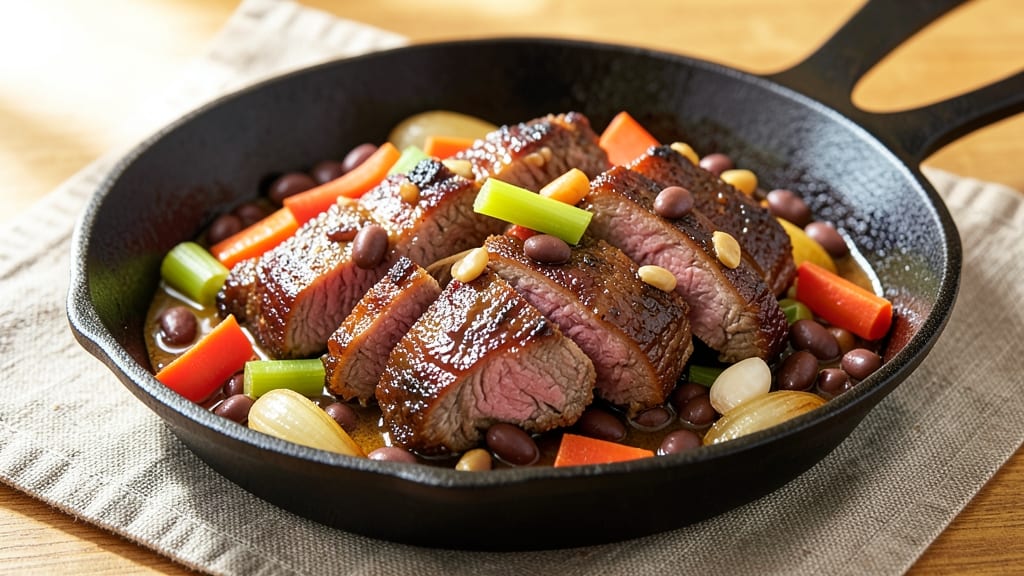
Slow-braising beef short ribs until they're fork-tender while simmering navy beans creates a dish that feels like a hug from your nonna's kitchen. The secret lies in patience—letting the ribs develop deep, caramelized flavors over hours while the beans soften into creamy perfection.
I've perfected this method to deliver melt-in-your-mouth beef with a crispy bacon topping that adds just the right crunch.
This recipe transforms tough cuts of beef into luxurious, fall-apart tenderness through a precise balance of salt, pepper, and aromatic herbs. The navy beans absorb the rich braising liquid, creating a hearty base that pairs beautifully with the beef's natural sweetness.
What makes this dish truly special is the bacon topping—crisped to a perfect golden brown and scattered over the top for texture contrast.
By the time you're done, you'll have a restaurant-quality meal that's rich, satisfying, and packed with flavor in every bite. The slow cooking process infuses the ribs with depth, while the beans provide a creamy, comforting element.
This is the kind of dish that tastes even better the next day, making it perfect for meal prep or a special Sunday dinner.
The beauty of this recipe is its versatility—serve it with crusty bread to soak up the delicious juices or alongside roasted vegetables for a complete meal. The crispy bacon topping adds a final touch of indulgence that elevates the dish from hearty to extraordinary. Let's get cooking!
Ingredients for beef short ribs and beans
Rich beef, tender beans, and crispy bacon—just eight ingredients for comfort food perfection.
| Ingredient | Amount | Notes |
|---|---|---|
| Beef Short Ribs 🥩 | 2 ½ lb | Bone-in, cut 1-inch thick |
| Navy Beans 🌾 | 1 ½ cups | Dried, soaked overnight |
| Yellow Onion 🧅 | 1 whole | Chopped into 1-inch pieces |
| Carrots 🥕 | ½ lb | Peeled, cut into chunks |
| Celery Stalks 🥬 | 3 whole | Chopped, with leaves |
| Garlic Cloves 🧄 | 6 cloves | Peeled, smashed |
| Tomato Paste 🍅 | ½ cup | No-sugar-added preferred |
| Beef Broth 💧 | 2 cups | Low-sodium preferred |
| Red Wine 🍷 | 1 cup | Bold, dry variety |
| Bay Leaves 🌿 | 2 whole | Dried, for infusion |
| Fresh Thyme 🌿 | ¼ cup | Chopped, stems removed |
| Black Peppercorns 🌶️ | 1 tbsp | Freshly cracked |
| Kosher Salt 🧂 | 1 ½ tsp | For seasoning ribs |
| Bacon 🥓 | ½ lb | Thick-cut, chopped |
| Olive Oil 🫒 | 2 tbsp | For searing ribs |
The beef short ribs are the star, so bone-in cuts with good marbling make all the difference. Most butchers will trim the fat for you, but leave a little—it renders down into flavor. I usually grab mine from Costco or the meat counter at Whole Foods—they have the best selection. The navy beans? Dried is non-negotiable—canned lacks that creamy texture. Soak them overnight in plenty of water, then drain before adding to the pot. Fresh thyme from the grocery store's produce section (the kind with the rubber bands) works great—just chop the stems off before using.
No red wine? Beef broth with a splash of balsamic vinegar works in a pinch. The bacon can be swapped for pancetta if you're feeling fancy, but thick-cut bacon from Trader Joe's is perfect for crisping. Short on carrots? Baby carrots or parsnips work just as well—just cut them similarly. The tomato paste can be that squeeze tube from the store (no waste!) or the canned kind. For the broth, low-sodium is key—you'll be adding salt later. And if you're using pre-chopped celery, double-check for any slimy bits—fresh is always better.
This dish tastes even better the next day, so make extra if you can. Store leftovers in the fridge for up to 5 days or freeze for 3 months. The bacon topping stays crispy if you reheat it separately and sprinkle it on just before serving. I like to portion mine into containers with a little extra braising liquid—perfect for lunches. The beans get even creamier after a day of sitting, so don't rush it.
Why You'll Love This Recipe
- One-Pot Magic: I swear by this—just toss the ribs, beans, and chopped veggies into one pot, add broth, and let it simmer. No chopping boards, no extra pans, just hands-off perfection while you do anything else.
- Rich, Deep Umami Bomb: That first bite? The short ribs fall apart like butter, soaking up the caramelized onion and celery flavors while the beans hold their shape—savory, hearty, and impossible to resist. (Yes, even on a Tuesday night.)
- Leftover Goldmine: Make a big batch on Sunday, and you’ve got dinner covered all week. The flavors get better as they sit, and reheating? Just add a splash of water, and it’s like you’re eating fresh again.
- Budget-Friendly Feast: Short ribs stretch into multiple meals, and navy beans keep costs low without sacrificing taste. It’s the kind of dish where you feel like you’re treating yourself—without breaking the bank.
Step-by-step instructions for slow-braised beef short ribs
Here's how to transform tough beef short ribs into melt-in-your-mouth tenderness with a rich, flavorful bean sauce.
Sear the Beef Short Ribs for Maximum Flavor
Pat the 2.5 lb beef short ribs completely dry with paper towels—this is crucial for achieving that crispy exterior. Heat a large Dutch oven over medium-high heat and add the 2 tbsp olive oil. Once the oil shimmers but isn't smoking, carefully add the ribs in a single layer, bone-side down. Let them sear undisturbed for 5 minutes until deep golden brown forms on the bottom.
Flip the ribs and sear the other side for another 5 minutes. You'll notice the fat beginning to render out—this is where all the rich flavor develops. Once both sides are beautifully browned, transfer the ribs to a plate and set aside. Don't rush this step; proper searing creates the foundation for that crispy texture we're after.
Build the Flavor Base with Vegetables and Beans
In the same Dutch oven, add the chopped 1 whole yellow onion, 0.5 lb carrots, and 3 whole celery stalks. Cook for 8-10 minutes, stirring occasionally, until the vegetables begin to soften and develop color. Add the 6 smashed garlic cloves and cook for another 30 seconds until fragrant—this is where the aromatics really wake up.
Stir in the 1.5 cups soaked navy beans, 0.5 cup tomato paste, 2 cups beef broth, 1 cup red wine, 2 whole bay leaves, 0.25 cup chopped fresh thyme, and 1 tbsp freshly cracked black peppercorns. Bring to a gentle simmer, then return the seared ribs to the pot, bone-side up. The liquid should come about halfway up the ribs—if not, add a little more broth. This creates the perfect environment for slow braising.
Slow Braise Until Fork-Tender
Cover the Dutch oven and transfer it to a preheated 300°F oven. Here's where the magic happens—braising for 3-4 hours until the beef short ribs are fork-tender. The ribs are done when they easily pull apart with a fork and the meat slides off the bone. I know it seems like a long time, but patience pays off with incredibly tender meat.
About halfway through cooking, check the liquid level. If it's reduced too much, add a little more beef broth to keep the ribs moist. The beans should be tender but still hold their shape. This slow cooking process transforms tough beef into melt-in-your-mouth perfection while developing deep, complex flavors.
Prepare the Crispy Bacon Topping
While the ribs braise, cook the 0.5 lb thick-cut bacon in a separate skillet over medium heat until crispy. Drain on paper towels but reserve 2 tbsp of the bacon fat. Chop the bacon into small pieces—you want bite-sized chunks that will distribute evenly on top. This crispy topping adds a wonderful textural contrast to the tender ribs and creamy beans.
Here's the thing—don't skip this step. The crispy bacon adds a salty, savory element that elevates the entire dish. The reserved bacon fat can be used to finish the braising liquid if needed, adding even more flavor to the sauce.
Finish and Serve with Crispy Topping
Once the ribs are tender, carefully remove them from the braising liquid and transfer to a serving platter. Skim any excess fat from the surface of the sauce, then stir in the chopped bacon and reserved bacon fat. Return the ribs to the sauce and let everything heat through together for about 5 minutes.
Serve the beef short ribs family-style, spooning the rich bean sauce and crispy bacon over the top. The contrast of tender beef, creamy beans, and crispy bacon creates a truly satisfying meal. Each bite delivers layers of flavor—salty bacon, sweet carrots, earthy beans, and rich beef—all working together in perfect harmony.
Pro Tips For Making Beef Short Ribs And Beans
- Sear the Ribs Hard: Don’t just pat them dry—rub the short ribs with kosher salt and let them sit for 30 minutes before searing. After that, hit them with high heat in a heavy pot until they’re deep brown, even if it takes 5-6 minutes per side. I learned this the hard way—skipping the sear means flavorless ribs hiding under the beans.
- Dice the Onion Small: Navy beans need time to soften, so chop that yellow onion into 1/4-inch pieces—not big chunks. The goal is for it to disappear into the stew, not sit like a rock. (Yes, even if you’re impatient like me, resist the urge to make it quick.)
- Deglaze with Red Wine: After browning the ribs, don’t just splash in water or broth—pour in 1/2 cup of dry red wine (like Cabernet) and let it bubble for 2 minutes. The alcohol burns off, leaving behind a rich, caramelized layer that makes the beans taste like they simmered for hours. (Your future self will notice the difference.)
- Add Beans Early, But Not Too Soon: Toss the navy beans in halfway through cooking, when the ribs are already tenderizing but not fully cooked. If you add them too early, they’ll turn to mush; if you wait too long, they’ll stay rock-hard. Aim for about 45 minutes of simmering time total for the beans. (This isn’t the prettiest method, but it’s the tastiest.)
Perfect pairings for these flavors
Crusty Bread Pairing
Serve your beef short ribs and beans with warm, crusty bread to soak up every last drop of that rich braising liquid. I love using a baguette-style loaf from Bread Ahead or a rustic sourdough from a local bakery.
Toast it lightly with garlic butter—just mix 2 tbsp softened butter with 1 minced garlic clove and a pinch of salt. The bread's crunch contrasts beautifully with the tender ribs and creamy beans. 🥖
Roasted Vegetable Sides
Add vibrant colors and freshness to your plate with roasted vegetables. I recommend baby potatoes halved and tossed with 1 tbsp olive oil, 1 tsp smoked paprika, and ½ tsp garlic powder, roasted at 425°F for 25 minutes.
Alternatively, try asparagus spears with a sprinkle of Parmesan cheese and a drizzle of lemon juice. The earthy flavors complement the richness of the ribs perfectly.
Wine Pairings
For a classic pairing, reach for a bold Cabernet Sauvignon from Napa Valley—its rich tannins and dark fruit notes stand up to the beef's intensity. If you prefer red blends, a Zinfandel from California offers juicy berry flavors that harmonize with the dish.
For a lighter option, a Pinot Noir from Oregon provides bright acidity that cuts through the richness. Chill your wine slightly before serving to enhance its aromas. 🍷
Beverage Alternatives
If wine isn't your thing, try a dark beer like a stout or porter—the malty sweetness balances the dish's savory notes. For non-alcoholic options, a sparkling apple cider adds a refreshing contrast, while a ginger beer with a splash of lime provides a zesty kick.
Even a simple iced tea with honey can cleanse your palate between bites.
Cheese Board Finisher
End your meal with a small cheese board featuring aged cheddar, blue cheese crumbles, and Gouda slices. Add a few walnuts or pecans for crunch and fig jam or honey to sweeten the experience.
The salty, creamy cheeses complement the dish's rich flavors while adding a sophisticated finish. Serve with crackers or sliced baguette for easy sharing. 🧀
Herbed Yogurt Dip
Brighten the plate with a cooling herbed yogurt dip made from ½ cup Greek yogurt, 1 tbsp chopped fresh dill, 1 tsp lemon zest, and a pinch of salt.
Serve it alongside the ribs for dipping or drizzle it over the beans for a tangy contrast. This light element balances the meal's richness and adds a refreshing touch. 🥄
Nutrition facts
Frequently asked questions
Why do I need to soak the navy beans overnight?
Soaking reduces cooking time and prevents the beans from staying hard or developing a bitter taste. The overnight soak (at least 8 hours) softens them significantly, allowing them to absorb the rich braising flavors. For a quicker option, you can use a pressure cooker—just soak for 2 hours first.
Can I use canned beans instead of dried?
Yes, but the texture will be different. Canned beans are convenient and cook faster, but they won't develop the same creamy, hearty consistency. If using canned, drain and rinse them well, then add them to the pot 30 minutes before the ribs are fully tender to let them absorb the flavors.
How do I know when the beef short ribs are fully cooked?
The ribs are done when they're fork-tender and the meat slides off the bone easily. A meat thermometer should read 203°F in the thickest part. If you're unsure, cut into one rib—if it separates cleanly, they're ready. Overcooking can make them dry, so aim for 3-4 hours in the oven.
Can I make this recipe in a slow cooker?
Sear the ribs first, then add all ingredients to the slow cooker and cook on Low for 7-8 hours or High for 4-5 hours. The ribs will be just as tender, though the sauce may be slightly thinner. Add a splash of broth or red wine if needed before serving.
What if my braising liquid reduces too much?
If the liquid evaporates too quickly, simply add ½ cup of beef broth or water to maintain moisture. The goal is to keep the ribs submerged—this ensures they stay tender. Avoid overfilling the pot, as the ribs need room to braise properly.