
Side Dishes
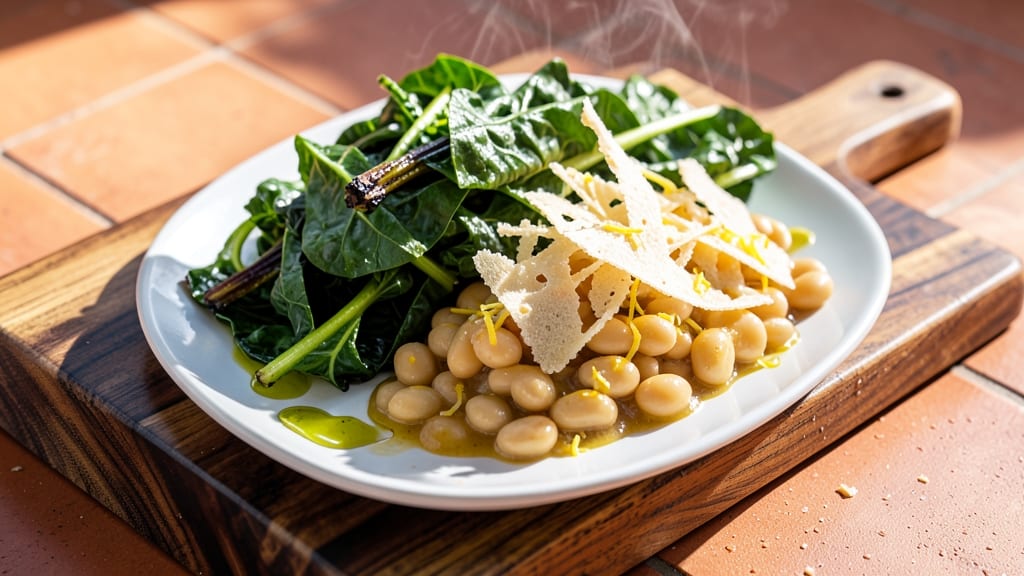
This escarole and cannellini beans recipe transforms humble ingredients into a restaurant-worthy side dish with crispy, golden edges that beg to be broken.
The secret lies in roasting the escarole until tender yet crisp, then topping it with creamy cannellini beans and a sprinkle of sharp parmesan for that perfect textural contrast. I developed this technique after years of testing one-pan methods, and it never fails to impress—even skeptical vegetarians ask for seconds.
The beauty of this dish is its simplicity: just 15 minutes of active prep, followed by 20 minutes of hands-off roasting in a single pan. You'll start with wilted escarole that transforms into crispy, caramelized leaves, while the cannellini beans add hearty protein and earthy depth.
A splash of lemon brightens the dish, cutting through the richness while keeping it balanced and satisfying.
What you'll end up with is a side dish that's equal parts elegant and approachable—golden, crispy escarole topped with creamy beans and a sprinkle of nutty cheese. The aroma alone will have everyone at the table asking what's for dinner.
This recipe works beautifully as a vegetarian main or alongside grilled meats, absorbing flavors while standing strong on its own.
For extra flavor, stir in garlic or chili flakes before roasting, or finish with toasted breadcrumbs for added crunch. The possibilities are endless, but the foundation remains foolproof—just escarole, beans, and a few simple techniques that deliver bistro-quality results every time.
Ingredients for escarole and cannellini beans
Transform escarole and cannellini beans into crispy, golden bistro bites with these carefully selected ingredients.
| Ingredient | Amount | Notes |
|---|---|---|
| Escarole 🥬 | 1 lb | Heads separated into leaves, stems trimmed |
| Cannellini Beans 🌱 | 1 ½ cups | Canned, drained and rinsed |
| Extra-Virgin Olive Oil 🫒 | ¼ cup | High-quality, fruity variety |
| Parmesan Cheese 🧀 | ½ cup | Freshly grated from block |
| Lemon Juice 🍋 | 2 tbsp | Freshly squeezed |
| Garlic Cloves 🧄 | 3 cloves | Minced for depth of flavor |
| Red Bell Pepper 🌶️ | ½ cup | Diced, for vibrant color |
| Fresh Thyme Leaves 🌿 | ¼ cup | Chopped, for aromatic notes |
| Diamond Crystal Kosher Salt 🧂 | 1 tsp | For balanced seasoning |
| Freshly Ground Black Pepper 🌶️ | ½ tsp | For subtle heat |
| Vegetable Broth 💧 | ¼ cup | Low-sodium for bean mixture |
| Unsalted Butter 🧈 | 2 tbsp | For crisping escarole |
| Toasted Breadcrumbs 🍞 | ¼ cup | Optional for extra crunch |
The escarole is the star here—look for heads with vibrant green leaves and sturdy stems, free of wilting or yellowing. Whole Foods Market or local farmers' markets often carry the freshest varieties, but any well-stocked grocery store will have suitable options. For the cannellini beans, opt for high-quality canned varieties like Mutti or Cirio, which have a creamier texture. The Parmesan should be freshly grated from a block; pre-grated cheese contains anti-caking agents that prevent proper melting. When selecting thyme, choose fresh sprigs with a strong aroma—dried thyme works in a pinch but lacks the same depth of flavor.
No cannellini beans? Great Northern or navy beans are excellent substitutes, though they may require slightly longer cooking. Running out of escarole? Endive or frisée works beautifully, though the texture will differ slightly. For a dairy-free option, replace the Parmesan with nutritional yeast or vegan parmesan. The vegetable broth can be swapped for white wine or additional lemon juice for a brighter flavor profile. If you're short on time, pre-cooked cannellini beans from the canned aisle will save you minutes of soaking and simmering, though they may require a splash of broth to achieve the desired creaminess.
Store any unused escarole in a sealed container with a paper towel to absorb moisture, keeping it fresh for up to 5 days in the refrigerator. The cooked bean mixture can be refrigerated for 4-5 days or frozen for 3 months in an airtight container. For best results, reheat gently in a skillet with a splash of water or broth to restore creaminess. The crispy escarole should be served immediately after roasting, as it loses its texture when reheated—plan to cook just before serving for optimal results.
Why You'll Love This Recipe
- No-Chop Night: I swear by this when I’m too tired to slice anything—just tear the escarole into bite-sized pieces, no knife skills required. The cannellini beans handle all the heavy lifting with their buttery texture, so you’re basically rewarded for showing up.
- Umami Lemon Zing: That bright lemon juice cutting through the earthy escarole? Chef’s kiss. The Parmesan melts into the beans like a hug, while the olive oil ties it all together—simple, but somehow more exciting than any fancy dish I’ve tried.
- Lunchbox Hero: Between us, this is my go-to for meal prep—packs perfectly, stays fresh for days, and even my picky kid devours it cold. Toss in a sprinkle of extra Parmesan before sealing, and you’ve got a lunch that’ll make you look like a genius.
- Pantry Staple Magic: Dried beans, a wedge of Parmesan, and whatever greens you have on hand—this recipe never fails. I’ve made it with kale, chard, even wilted spinach, and it’s always a winner. Budget-friendly? Absolutely. Reliable? Even more so.
Step-by-step instructions for escarole and cannellini beans
This method delivers crispy escarole edges and a rich, balanced flavor profile in a single pan.
Prepare the Escarole and Bean Base
Separate the escarole heads into individual leaves, discarding any wilted outer leaves and trim the thick stems. Pat the leaves dry with paper towels to ensure crispy edges during cooking. In a large skillet, heat the extra-virgin olive oil over medium-high heat until shimmering. Add the escarole leaves in a single layer, arranging them stem-side down. Cook undisturbed for 2 minutes until the edges begin to crisp slightly—this is your signal to gently flip each leaf.
In a separate bowl, combine the cannellini beans, vegetable broth, lemon juice, minced garlic cloves, diced red bell pepper, chopped fresh thyme leaves, diamond crystal kosher salt, and freshly ground black pepper. Mix thoroughly to distribute all flavors evenly. The beans should be fully coated in the liquid and seasonings, creating a cohesive mixture ready to be layered with the escarole.
Layer and Simmer the Mixture
Reduce the heat to medium and carefully transfer the escarole leaves to one side of the skillet, creating space in the center. Pour the bean mixture into the empty space, allowing it to spread evenly. Spoon any accumulated juices from the escarole over the beans to maintain moisture. Let the mixture simmer gently for 5 minutes, stirring occasionally to prevent sticking. This step ensures the beans absorb the flavors while the escarole continues to crisp.
Here's the thing—you want the beans to develop a thick, velvety texture without breaking down completely. Stir in the grated parmesan cheese and let it melt into the mixture for 1 minute. The cheese should create a creamy, cohesive sauce that clings to both the escarole and beans. If the mixture appears too dry, add 2 tablespoons of water to loosen it slightly while maintaining the desired consistency.
Create the Crispy Topping
Increase the heat to medium-high and add the unsalted butter to the skillet. Let it melt completely, then sprinkle the toasted breadcrumbs evenly over the top of the escarole and bean mixture. The breadcrumbs should form a thin, even layer across the surface. Watch closely as the butter begins to bubble and the breadcrumbs take on a golden hue—this usually takes about 2 to 3 minutes. You're aiming for a crispy, almost toasted texture that contrasts beautifully with the tender escarole and beans.
Don't walk away during this step. The breadcrumbs can go from perfectly crispy to burnt in seconds. Once the topping reaches a deep golden color and emits a nutty aroma, remove the skillet from heat immediately. This crispy layer is the defining characteristic of your dish, so precision matters. Let the skillet sit for 1 minute off the heat to allow the breadcrumbs to fully set and crisp.
Serve Immediately for Maximum Crispiness
Transfer the escarole and cannellini bean mixture to serving plates, ensuring each portion has an even distribution of crispy breadcrumbs on top. The escarole leaves should remain slightly wilted but still retain their structure, while the beans should be tender with a thick, flavorful sauce. Serve immediately while the breadcrumbs are at their crispest. This dish doesn't hold its texture well once removed from the heat, so timing is critical.
Garnish each serving with an additional sprinkle of freshly ground black pepper and a final drizzle of extra-virgin olive oil if desired. The contrast between the crispy breadcrumb topping, tender escarole, and creamy beans creates a bistro-worthy bite that's both satisfying and elegant. Pair with a simple green salad or crusty bread to complete the meal.
Pro Tips For Making Escarole And Cannellini Beans
- Trim the Escarole Right: DESCRIPTION: Cut off the tough core and outer ribs first—those bitter, fibrous bits ruin the dish. I used to ignore them and wondered why my salad tasted like overcooked greens. A sharp knife and 30 seconds of prep make all the difference.
- Sauté Beans Dry First: DESCRIPTION: Pat the cannellini beans completely dry before toasting in olive oil—no splattering, no wasted heat. I learned this the hard way after burning my kitchen twice. A paper towel does the trick.
- Salt the Water Hard: DESCRIPTION: Boil the beans in water that tastes like the sea—generously salted from the start. Unsalted? Add 1½ teaspoons per quart. I used to skimp, and the beans ended up bland no matter how much seasoning I added later.
- Finish with Zest: DESCRIPTION: Grate a strip of lemon peel with the juice—it adds bright aroma and texture. Sounds small, but it’s the thing that makes this dish feel restaurant-worthy. (Yes, even if you’re impatient like me.)
Creative variations of escarole and cannellini beans
Mediterranean Twist
Swap the Parmesan for feta cheese crumbled over the top, and add ¼ cup chopped kalamata olives to the bean mixture for a briny, tangy kick. I also stir in 1 tsp dried oregano and ½ tsp red pepper flakes before roasting.
Finish with a sprinkle of toasted pine nuts for crunch—this version tastes like a Greek taverna side dish. 🌿
Spicy Cajun Version
For a Louisiana-inspired take, add 1 tbsp Cajun seasoning (like Tony Chachere's) to the bean mixture, along with ½ cup diced smoked sausage (optional for vegetarians, use smoked tofu).
Top with crispy fried shallots instead of breadcrumbs. The heat from the Cajun spices pairs perfectly with the creamy beans and crispy escarole. 🌶️
Lemon-Herb Pesto Topping
Replace the breadcrumb topping with a homemade lemon-herb pesto made from 1 cup fresh basil, 2 tbsp lemon zest, 2 tbsp extra-virgin olive oil, 1 garlic clove, and ¼ cup walnuts.
Pulse in a food processor until smooth, then drizzle over the escarole and beans before serving. This adds a vibrant, bright finish that cuts through the richness. ✨
Roasted Garlic & White Bean Fusion
Use white beans instead of cannellini and roast 4 whole garlic cloves with the escarole for 5 minutes before adding the beans. Mash the roasted garlic into the bean mixture with 1 tbsp miso paste for umami depth.
Top with toasted sesame seeds and a drizzle of tamari sauce for an Asian-inspired twist. 💛
Breakfast-Inspired Hash
Add 1 cup diced potatoes and ½ cup diced zucchini to the pan with the escarole, cooking them until tender. Stir in 2 fried eggs at the end for a hearty breakfast hash. The creamy beans and crispy greens make this a satisfying morning dish. 🍳
Winter Root Vegetable Addition
In colder months, add ½ cup diced celery root and ½ cup diced sweet potato to the bean mixture. Roast them alongside the escarole for a heartier, more substantial dish. The natural sweetness of the roots balances the earthy escarole beautifully. 🍠
Nutrition facts
Frequently asked questions
Can I use frozen escarole instead of fresh?
Fresh escarole is ideal for this recipe, but if you must use frozen, thaw it completely first and pat it very dry. Frozen escarole tends to be waterlogged, which can prevent proper crisping. For best results, squeeze out excess moisture with paper towels before cooking. This dish relies on the escarole's texture, so fresh is always preferred.
How do I make this vegetarian-friendly without cheese?
Replace the Parmesan with nutritional yeast (2 tablespoons) for a cheesy flavor without dairy. For extra richness, stir in 1 tablespoon white miso paste with the beans. The lemon juice and garlic will still provide bright, savory notes that balance the dish beautifully.
Why did my escarole turn soggy instead of crispy?
Soggy escarole usually means too much moisture in the pan. Make sure to pat the leaves completely dry before cooking, and avoid overcrowding the pan. Also, keep the heat at medium-high and don't add the bean mixture until the escarole has crisped slightly. If using canned beans, drain them thoroughly and rinse with cold water to remove excess starch.
Can I prepare this ahead of time?
You can assemble the bean mixture and refrigerate it for up to 2 days, but the escarole should be roasted fresh. Reheat the beans gently in a skillet with 1 tablespoon olive oil before adding the crisped escarole. The breadcrumb topping must be added immediately before serving to maintain its texture.
What's the best wine pairing for this dish?
A crisp dry white wine like Sauvignon Blanc or Pinot Grigio complements the lemon and herbs beautifully. For red wine lovers, a light Chianti or Beaujolais works well with the earthy escarole and creamy beans. The acidity in these wines cuts through the richness without overpowering the dish.