
Side Dishes
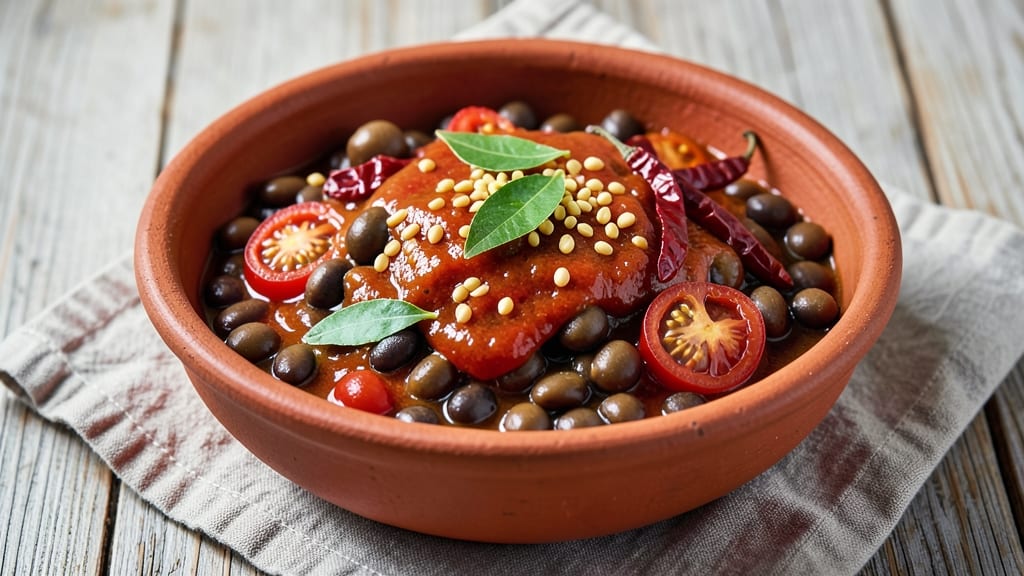
This beans poriyal recipe brings the vibrant flavors of South India to your kitchen with its perfect balance of tangy tamarind, sweet tomatoes, and aromatic spices. The dish transforms simple black-eyed peas into a restaurant-worthy side that’s both hearty and light—ideal for pairing with rice or dosa.
I’ve perfected this traditional preparation to ensure the beans stay tender while absorbing the rich, layered flavors of the tempering.
The magic lies in the tempering process, where mustard seeds, curry leaves, and dried red chilies sizzle in hot oil to release their full aroma before blending into the tamarind-tomato base. This step is non-negotiable—it’s what transforms a basic stir-fry into a dish with depth and complexity.
The tamarind adds a bright tang that cuts through the richness, while the tomatoes provide natural sweetness that balances everything perfectly.
What you’ll end up with is a golden-brown, fragrant poriyal where each bite delivers a symphony of textures—crisp edges from the tempering, tender beans, and a sauce that’s neither too thick nor too thin.
The dish stays vibrant and flavorful even when reheated, making it perfect for meal prep or serving at gatherings. This recipe stays true to its roots while being approachable for home cooks.
For extra richness, stir in a handful of toasted coconut at the end, or adjust the tamarind to taste for more or less tanginess. Serve it alongside steamed rice or crispy dosa for an authentic South Indian meal.
Let’s get cooking—this dish is simpler than it looks, but the flavor is unforgettable.
Ingredients for beans poriyal
South Indian pantry staples transform simple beans into a vibrant, aromatic poriyal with perfect tangy-sweet balance.
| Ingredient | Amount | Notes |
|---|---|---|
| Black-Eyed Peas (Löbias) 🌱 | 1 ½ cups | Dried, soaked overnight or canned (drained) |
| Ripe Tomatoes 🍅 | 2 medium | OR 1 cup diced fresh tomatoes |
| Tamarind Paste 🍯 | 2 tbsp | Unsweetened, or 1 tbsp tamarind pulp |
| Yellow Mustard Seeds 🌶️ | 1 tsp | Whole, for tempering |
| Curry Leaves 🌿 | 8 whole | Fresh, dried at half quantity |
| Dried Red Chilies 🌶️ | 2 pieces | Kashmiri or bird's eye |
| Asafoetida (Hing) 🌿 | ⅛ tsp | Pinch, essential for aroma |
| Coconut Oil 🫒 | ⅓ cup | OR vegetable oil for neutral flavor |
| Green Chilies 🌶️ | 2 whole | Slit lengthwise, optional for heat |
| Fresh Cilantro 🌿 | ¼ cup | Chopped, for garnish |
| Garam Masala 🌶️ | ½ tsp | Ground, for finishing |
| Salt 🧂 | 1 tsp | Adjust to taste |
| Toasted Coconut Flakes 🥥 | ¼ cup | Optional, for garnish |
The tamarind is non-negotiable for authentic flavor—look for unsweetened paste in Indian grocery stores or health food sections. Trader Joe's carries a reliable brand, but if you can't find it, tamarind pulp works too. For the mustard seeds, yellow is traditional, but brown adds smoky depth. Curry leaves are the soul of this dish—fresh is ideal, but dried works at half the quantity. The dried red chilies should be bright and fragrant—if they smell stale, toast them briefly in a dry pan to revive their aroma. For the beans, löbias (black-eyed peas) are standard, but sub with chickpeas or pigeon peas if needed, though texture will differ slightly.
No tamarind paste? Lemon juice plus 1 tsp sugar mimics the tang-sweet balance, though it lacks depth. Fresh curry leaves unavailable? Dried at half quantity works, but the aroma won't be identical. The tomatoes can be canned diced (drained well) in a pinch, though fresh is preferred. For extra richness, add 1 tbsp coconut milk at the end. The green chilies are optional—skip if you prefer mild heat. If you're using dried beans, soak overnight for tender results; canned beans cut prep time significantly. The coconut oil imparts authentic flavor, but vegetable oil maintains neutrality if you're serving with other dishes.
This poriyal reheats beautifully—store in airtight containers for up to 4 days in the fridge. For longer storage, freeze for 3 months; thaw overnight in the fridge. The dish tastes even better the next day as flavors meld. Garnish with toasted coconut flakes just before serving to add crunch. Double the batch—it's perfect for meal prep or potlucks. Serve with steamed basmati rice or crispy dosa for an authentic South Indian meal.
Why You'll Love This Recipe
- One-Pot Magic: I swear by this recipe—just toss everything into one pan, and the mustard seeds sizzle into golden perfection while the curry leaves perfume the air. No chopping chaos, no extra bowls, and the black-eyed peas soak up the tangy tamarind-tomato sauce like a dream.
- Tangy Crunch Alert: That first bite? The tamarind’s sharp bite cuts through the creamy tomatoes, while the mustard seeds add a nutty punch. Honestly, the balance is chef’s kiss—sweet, sour, and just enough heat to linger.
- Leftover Hero: This dish tastes better the next day—yes, really. The flavors meld into something richer, and it reheats in minutes. Pack it for lunches, freeze portions, or serve it cold with rice. It’s my pantry’s secret weapon.
- Budget-Friendly Powerhouse: Black-eyed peas and tomatoes stretch into a full meal without breaking the bank. Between us, I’ve fed a table of six for under $10, and everyone always asks for seconds. That’s the kind of dish that makes grocery day worthwhile.
Step-by-step instructions for South Indian tamarind-tomato stir-fry magic
Master this vibrant South Indian dish with precise technique and bold flavors.
Prepare the Black-Eyed Peas (Löbias)
Begin by draining and rinsing the 1.5 cups black-eyed peas (löbias) thoroughly if using canned. For dried peas, soak overnight in plenty of water then boil for 20-25 minutes until tender but still holding shape. You'll know they're ready when a knife slides in easily but they don't crumble apart.
Drain well and set aside. I prefer using canned for convenience, but dried peas develop deeper flavor when cooked from scratch. Either way, ensure they're completely drained to prevent a watery poriyal. For best texture, pat them dry with a clean kitchen towel after draining.
Create the Tamarind-Tomato Base
Heat 0.33 cup coconut oil in a heavy-bottomed pan over medium heat. Add the 2 medium ripe tomatoes (chopped) and cook for 5-6 minutes until they soften and release their juices. Stir occasionally to prevent burning.
Add the 2 tbsp tamarind paste, 1 tsp salt, and 2 pieces dried red chilies. Cook for another 3-4 minutes until the mixture thickens slightly and the raw taste of tamarind disappears. This forms the flavor foundation—don't rush this step as proper cooking develops the tangy depth.
Temper the Spices
Reduce heat to medium-low and add 0.125 tsp asafoetida (hing). Immediately follow with 1 tsp yellow mustard seeds and 8 whole curry leaves. Watch closely as the mustard seeds pop and release their aroma—this should take about 30 seconds.
Add the 2 whole slit green chilies (if using) and 0.5 tsp garam masala. Stir for 1 minute until the spices are fragrant and the mustard seeds turn golden. This tempering step is crucial—it infuses the oil with complex flavors that elevate the entire dish.
Combine and Simmer
Add the prepared black-eyed peas to the tomato mixture. Stir gently to combine, then increase heat to medium-high. Cook uncovered for 8-10 minutes, stirring occasionally, until the peas are heated through and the sauce thickens slightly. The peas should be hot but not mushy.
Taste and adjust seasoning—you may need an additional pinch of salt or a splash of water if the mixture is too thick. The final texture should be slightly gravy-like but not soupy. This balance is key to authentic poriyal consistency.
Finish and Garnish
Remove from heat and stir in the 0.25 cup chopped fresh cilantro. For the final touch, sprinkle the 0.25 cup toasted coconut flakes on top. These add a delightful crunch and nutty flavor that contrasts beautifully with the tangy-sweet base.
Serve immediately with steamed rice or roti. The dish should have vibrant red-orange color from the tomatoes and tamarind, with layers of tangy, spicy, and nutty flavors. The coconut flakes should remain crisp, adding texture to each bite.
Pro Tips For Making Beans Poriyal
- Split the Mustard First: Crack the yellow mustard seeds in a dry pan for 30 seconds before adding oil—this prevents them from popping violently and burns unevenly. I learned this the hard way after cleaning mustard splatters off my ceiling.
- Soak Löbias 30 Minutes: Give those black-eyed peas a quick soak in warm water for half an hour before cooking. They’ll soften faster and absorb flavors better—no more mushy or undercooked beans ruining the texture.
- Temper Tamarind Slowly: Mix tamarind paste with a splash of water first, then drizzle it into the hot oil gradually. Adding it dry makes the poriyal bitter—trust me, your taste buds will notice.
- Use Half the Curry Leaves: A handful of curry leaves is enough; piling them in makes the dish taste like soap. Tear them roughly and add them after the mustard seeds toast—just enough to perfume, not overpower.
Troubleshooting this dish
Burnt Mustard Seeds
If your mustard seeds burn before popping, it’s usually from heat that’s too high. Reduce the flame to medium-low and let them sizzle gently for 30-45 seconds—they should pop audibly and turn golden, not black.
If they’ve already burned, remove them immediately and start fresh with a new batch. The key is patience: low heat + timing is everything. 🌡️
Tamarind Too Tangy
The tamarind can easily overpower if you’re new to its intensity. Start with 1 tbsp instead of 2 tbsp and adjust to taste. If it’s still too sour, balance it with ½ tsp sugar or 1 tbsp grated coconut to mellow the acidity.
Always taste as you go—this sauce is forgiving if you catch it early.
Watery Poriyal
Too much liquid is the usual culprit here. If your poriyal is soupy, simmer uncovered for an extra 5-7 minutes to reduce the sauce. For dried beans, ensure they’re fully drained after cooking.
If it’s still too thin, add ½ cup cooked rice to absorb excess liquid. The texture should coat the back of a spoon lightly, not drip.
Peas Too Mushy
Overcooking the beans is a common mistake when combining them with the sauce. Once you add the peas to the tomato-tamarind base, cook for only 5-7 minutes on medium-high heat.
For dried beans, reduce simmering time to 3-4 minutes after adding them. Taste one bean—it should be tender but still hold its shape. 💡
Lacking Depth of Flavor
If your poriyal tastes flat, the tempering might not have infused enough. Next time, let the mustard seeds pop fully before adding other spices. Also, toast your dried red chilies and curry leaves for 10 seconds in a dry pan before using to deepen their aroma.
For extra richness, stir in 1 tbsp coconut milk at the end—it adds a subtle creaminess without overpowering.
Curry Leaves Burning
Curry leaves are delicate and burn quickly if the heat is too high. Always add them after the mustard seeds have popped and before any green chilies. Keep the heat at medium-low and stir constantly for 20-30 seconds—they should wilt slightly but not darken.
If they do burn, remove them immediately and start fresh. Their aroma is the soul of the dish, so don’t rush this step. 🌿
Nutrition facts
Frequently asked questions
Can I use canned beans instead of dried?
Canned black-eyed peas work perfectly and save time. Just drain and rinse them well to remove excess sodium. For best texture, pat them dry with a kitchen towel before adding to the poriyal. This prevents a watery consistency and ensures they absorb the flavors better.
What if I don't have tamarind paste?
No problem! Mix 1 tbsp lemon juice with ½ tsp sugar as a substitute. This mimics the tangy-sweet balance, though tamarind's depth is unique. For a closer match, try tamarind pulp from a pod (available at Indian markets). Always taste as you go—this sauce is forgiving with adjustments.
How do I make this dish spicier?
Add 1 extra dried red chili to the tempering or 1 more green chili (slit lengthwise) while cooking. For heat lovers, include ½ tsp cayenne pepper with the garam masala. Remember, South Indian cuisine balances heat with cooling elements—serve with yogurt or coconut chutney if needed.
Can I prepare this ahead of time?
Yes! This poriyal tastes even better the next day. Store in an airtight container in the fridge for up to 4 days. Reheat gently on low heat with a splash of water to restore moisture. The flavors meld beautifully overnight, making it perfect for meal prep. For longer storage, freeze for 3 months.
What's the secret to perfect tempering?
The key is low heat + patience. Add mustard seeds first, then immediately follow with asafoetida and curry leaves. Keep heat at medium-low and let them sizzle for 30-45 seconds until golden. Rush this step, and you'll lose the aromatic magic that makes poriyal special.