Main Courses
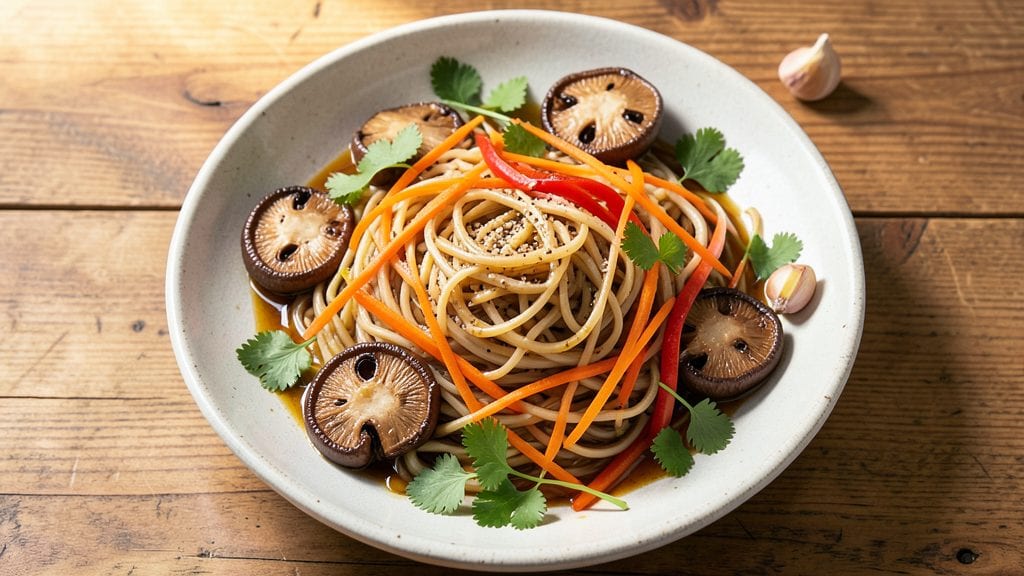
This bean vermicelli recipe delivers the delicate balance of silky noodles and earthy mushrooms that defines Vietnamese comfort food. The key lies in properly soaking the vermicelli to achieve that signature soft yet springy texture, then pairing it with a sauce that enhances rather than overpowers its natural flavor.
I developed this version after years of experimenting with regional styles, focusing on simplicity without sacrificing depth.
The dish begins with 15 minutes of gentle soaking for the noodles, followed by a quick rinse to remove excess starch—this prevents them from sticking together.
For the sauce, I use a combination of soy sauce, fish sauce, and a touch of sugar to create a savory-sweet profile that complements the mushrooms' umami richness. The secret weapon? A splash of lime juice at the end, which brightens the entire dish.
What you'll end up with is a bowl of silky noodles perfectly coated in a glossy sauce, topped with tender mushrooms and fresh herbs. The texture contrast between the delicate noodles and crisp vegetables creates an experience that's both satisfying and elegant.
This recipe serves as a versatile foundation—swap in shrimp, tofu, or extra greens to customize it for any meal.
Perfect for weeknight dinners or weekend gatherings, this dish comes together in 30 minutes with minimal effort. The aroma alone will draw everyone to the table, and the first bite delivers that perfect harmony of textures and flavors.
Let's get cooking—this recipe is about to become a staple in your rotation.
Ingredients for bean vermicelli
Silky noodles meet umami mushrooms in this Vietnamese-inspired dish—just 14 ingredients for maximum flavor.
| Ingredient | Amount | Notes |
|---|---|---|
| Bean Vermicelli Noodles 🍜 | 8 oz | Dried, rice noodle variety |
| Shiitake Mushrooms 🍄 | 8 oz | Fresh, stems removed |
| Red Bell Pepper 🌶️ | 1 whole | Thinly sliced, any color |
| Carrot 🥕 | 1 whole | Julienned, medium size |
| Garlic Cloves 🧄 | 6 cloves | Minced, fresh preferred |
| Fresh Cilantro 🌿 | ¼ cup | Chopped, stems removed |
| Lime 🍋 | 1 whole | Juiced, seeds removed |
| Extra-Virgin Olive Oil 🫒 | 2 tbsp | High quality, fruity |
| Tamari or Gluten-Free Soy Sauce 🥢 | 2 tbsp | For gluten-free option |
| Vegetable Fish Sauce 🍶 | 1 tbsp | Algae-based substitute |
| Granulated Sugar 🍚 | 1 tsp | White or brown |
| Sesame Oil 🥜 | 1 tsp | Toasted, for aroma |
| Diamond Crystal Kosher Salt 🧂 | ½ tsp | Fine grain preferred |
| Toasted Sesame Seeds 🌱 | 1 tbsp | For garnish |
The bean vermicelli is the foundation—look for Thai Kitchen brand in most grocery stores or Asian markets for premium options. Fresh shiitake mushrooms provide the earthy depth, but cremini or oyster mushrooms work as substitutes. The red bell pepper should be firm and vibrant; avoid soft spots. For the garlic, Whole Foods or Trader Joe's often carry pre-minced varieties to save time, though fresh is always superior. Fresh cilantro adds brightness, so bundle the stems and store in a jar of water in the fridge for up to 5 days—it stays fresher longer than plastic bags.
No vegetable fish sauce? Red miso paste (1 tsp dissolved in 1 tbsp water) creates a similar umami punch. Gluten-free tamari is essential for authenticity, but regular soy sauce works in a pinch. The sesame oil is purely aromatic—use sparingly, as its flavor dominates quickly. For the sugar, coconut sugar offers a caramel note, though white granulated is perfectly fine. Pre-sliced mushrooms from the grocery store are convenient but lose texture; whole mushrooms always yield better results. The lime should be juicy—Mexican limes are ideal, but Eureka or Persian varieties work well too.
Store uncooked vermicelli noodles in an airtight container for up to 6 months—they absorb moisture quickly. Fresh mushrooms keep 5-7 days in the fridge, while cilantro stays vibrant for 5 days when stored properly. The sauce components (soy, fish sauce, sugar) can be pre-mixed and stored for 2 weeks in the fridge. Cooked noodles reheat beautifully—5 minutes in a steamer or 3 minutes in a microwave with a splash of water. Portion leftovers into containers for quick lunches, as the texture degrades after 2 days of refrigeration.
Why You'll Love This Recipe
- Minimal Chopping Required: I swear by this—just slice the carrots into matchsticks, quarter the bell pepper, and tear those shiitake mushrooms (no knife skills needed). The bean noodles? Soak them for 10 minutes while you prep, and boom—you’re done.
- Umami Bomb Combo: That garlic and shiitake duo? Chef’s kiss. The mushrooms soak up the caramelized garlic like a sponge, while the bell pepper adds a bright crunch. Honestly, the first bite makes you forget you’re eating a "healthy" dish.
- Lunchbox Superstar: Between us, this keeps perfectly for 3 days in the fridge—ideal for packing lunches or feeding a crowd. Toss in some leftover rice or a fried egg, and suddenly you’ve got a full meal without extra effort.
- Budget-Friendly Staple: Bean noodles stretch further than regular pasta, and shiitake mushrooms (even dried) add depth without breaking the bank. I’ve made this for under $5 per serving, and no one ever guesses it’s "cheap."
Step-by-step instructions for silky bean vermicelli with earthy mushroom depth
This method delivers restaurant-quality texture and flavor with precise timing and technique.
Prepare the Vermicelli Noodles for Perfect Texture
Fill a large bowl with hot tap water and add the 8 oz bean vermicelli noodles. Let them soak for exactly 10 minutes - they should become pliable but still retain some bite. Drain immediately and rinse under cold water to stop the cooking process. This prevents mushiness while ensuring they're fully hydrated.
Spread the noodles on a clean kitchen towel and gently pat dry. The slight sheen you see is ideal - it indicates proper hydration without excess moisture. Keep them covered with a damp towel while you prepare the remaining components. This step is critical for achieving that signature silky yet chewy texture.
Develop the Umami-Packed Mushroom Base
Heat the 2 tbsp extra-virgin olive oil in a wok or large skillet over medium-high heat. Add the 8 oz shiitake mushrooms (stems removed) and cook for 5-6 minutes until they release their moisture and develop deep brown spots. This caramelization builds complex flavor.
Push the mushrooms to one side of the pan and add the 1 whole julienned carrot and 1 whole thinly sliced red bell pepper. Stir-fry for 3 minutes until the vegetables soften slightly but maintain their shape. Add the 6 cloves minced garlic and cook for 30 seconds until fragrant - you'll smell the aromatic oils releasing.
Build the Flavorful Sauce Foundation
Reduce heat to medium and add the 2 tbsp tamari or gluten-free soy sauce, 1 tbsp vegetable fish sauce, and 1 tsp granulated sugar. Stir well and let the mixture simmer for 2 minutes until slightly reduced. This creates a balanced sauce with sweet, salty, and umami notes that complement the earthy mushrooms.
Pour in the juice of 1 whole lime and 1 tsp sesame oil. Toss everything together and cook for an additional 1 minute. The acidity from the lime brightens the dish while the sesame oil adds aromatic depth. Season with 0.5 tsp diamond crystal kosher salt and taste - you should detect layers of flavor rather than individual components.
Combine and Finish with Fresh Herbs
Add the prepared bean vermicelli noodles to the wok and toss gently but thoroughly to coat each strand with the flavorful sauce. Cook for 1-2 minutes over medium heat until the noodles are heated through and absorb the remaining sauce. The noodles should glisten slightly from the sauce while maintaining their individual integrity.
Remove from heat and stir in the 0.25 cup chopped fresh cilantro. This final herb addition provides freshness that cuts through the richness of the mushrooms and sauce. Let the dish rest for 2 minutes to allow the flavors to meld together completely.
Plate with Garnish for Visual Appeal
Divide the noodle mixture among four serving plates. Sprinkle each portion generously with 1 tbsp toasted sesame seeds. The seeds add both visual contrast and nutty crunch that complements the silky texture of the noodles.
Serve immediately while the noodles are still warm. The dish should have vibrant colors from the red bell pepper and carrot, with deep umami notes from the mushrooms and fish sauce. Each bite should deliver perfect texture contrast between the silky noodles and the slightly crisp sesame seeds.
Pro Tips For Making Bean Vermicelli
- Soak Noodles Separately: Bean vermicelli clumps like a jealous ex if you toss it all in at once. Divide the noodles into two batches—soak one while prepping veggies, then swap them out. This keeps them from sticking like glue and ensures even cooking. Trust me, you’ll save yourself from unraveling a tangled mess later.
- Sear Shiitake First: Raw shiitake mushrooms just sit there, soggy and underwhelming. Slice them thick (¼-inch) and sear in a dry pan for 2 minutes per side before adding oil—this builds flavor and texture. I learned this the hard way when my stir-fry tasted like sad, waterlogged mushrooms.
- Salt the Water Hard: Bean vermicelli needs a real bath—1 tablespoon salt per 4 cups of water. Noodles left in bland water taste like cardboard. Taste the water before adding them; if it doesn’t taste like the sea, go harder. (Yes, even if you’re used to pasta’s gentle seasoning.)
- Julienne Carrots Thin: Thick carrot sticks turn into mush before the noodles are done. Cut them into matchsticks (⅛-inch thick) so they soften just enough to add sweetness without falling apart. I used to overlook this, and my dish always felt uneven—crunchy noodles with mushy carrots is a crime.
Flavor customization for this bean vermicelli
Spicy Chili-Lime Twist
Add 1 tbsp sriracha or ½ tsp cayenne pepper to the sauce mixture for heat lovers. Balance it with an extra 1 tsp sugar and 1 tbsp lime juice to maintain harmony.
For smoky depth, stir in ½ tsp smoked paprika with the sesame oil. Serve with extra lime wedges and chopped Thai basil for a Southeast Asian-inspired kick. 🌶️
Creamy Peanut Sauce
Replace the soy-fish sauce base with ¼ cup smooth peanut butter, 1 tbsp tamari, 1 tsp lime juice, and 1 tsp maple syrup. Whisk with 2 tbsp hot water until silky, then toss with the noodles.
Top with crushed peanuts and bean sprouts for texture. This version works beautifully with shredded chicken or tofu. 🥜
Herb-Infused Garlic
Boost the garlic flavor by adding 1 tbsp chopped Thai basil and 1 tsp minced lemongrass (from 1 stalk) to the stir-fry. For extra aroma, infuse the olive oil with 2 smashed garlic cloves and 1 sprig fresh thyme for 10 minutes before cooking.
This creates a fragrant, herb-forward profile that pairs perfectly with the earthy mushrooms. 🌿
Sweet and Tangy Glaze
Create a glossy glaze by reducing 2 tbsp hoisin sauce, 1 tbsp rice vinegar, and 1 tsp honey in a small saucepan until syrupy (3 minutes).
Drizzle over the finished noodles and garnish with mandarin orange segments and crushed peanuts. The sweet-tangy contrast elevates the dish to restaurant-quality. 🍯
Crispy Tofu Addition
For a protein boost, pan-fry ½ lb firm tofu in 1 tbsp neutral oil until golden (8 minutes per side). Press out excess water first using a tofu press or heavy pan.
Cube the tofu and toss it with the noodles during the final 1-2 minutes of cooking. The crispy edges add satisfying texture. 🥬
Fresh Spring Variations
Swap the mushrooms for baby spinach and snow peas, then add ½ cup shredded purple cabbage for crunch. Use a light dressing of 1 tbsp rice vinegar, 1 tsp sesame oil, and ½ tsp honey.
Garnish with edible flowers and toasted coconut flakes for a vibrant spring dish. ✨
Nutrition facts
Frequently asked questions
How long should I soak bean vermicelli noodles?
Soak the noodles in hot water for exactly 10-15 minutes until pliable but still slightly firm. Over-soaking makes them mushy, while under-soaking leaves them chewy. Rinse immediately in cold water to stop cooking and prevent sticking. Keep them covered with a damp towel while prepping other ingredients.
Can I substitute regular rice noodles for bean vermicelli?
While both are rice-based, bean vermicelli has a distinct nutty flavor and slightly thicker texture. For a close substitute, use rice vermicelli noodles (like Thai Kitchen brand) and adjust soaking time to 8-10 minutes. The flavor profile will differ, but the texture will be similar. For authentic taste, stick with bean vermicelli.
What if my noodles stick together after cooking?
This happens when excess starch isn't removed. After soaking, rinse noodles thoroughly under cold water and pat dry with a kitchen towel. For extra prevention, toss them with ½ tsp oil while prepping other ingredients. If they stick during cooking, add 1 tbsp water to the pan and toss gently. Stirring too aggressively causes clumping.
Can I make this recipe ahead of time?
Prepare the sauce components in advance and store them in the fridge for up to 2 weeks. Cook the noodles fresh to maintain texture, but reheat them in a steamer for 3-5 minutes with a splash of water. The sauce can be warmed separately and combined at serving. For best results, assemble completely within 1 hour of cooking.
What's the best way to store leftover bean vermicelli?
Store cooked noodles in an airtight container with a damp paper towel to maintain moisture. They'll keep in the fridge for 2-3 days. Reheat gently with a splash of water or broth. For longer storage, freeze the sauce separately and cook noodles fresh when ready to eat. The texture won't be identical, but the flavor remains excellent.