
Sauces & Condiments
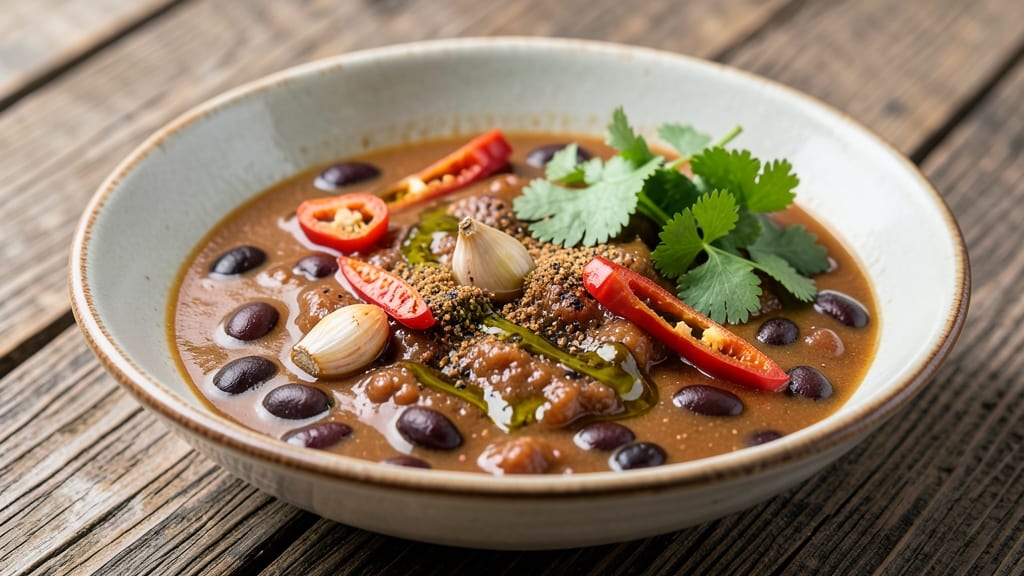
This Haitian bean sauce recipe transforms simple ingredients into a complex, smoky masterpiece that elevates every dish it touches.
The blend of jerk spices, garlic, and Scotch bonnet peppers creates a depth of flavor that’s both bold and balanced—perfect for drizzling over grilled meats, spooning onto rice, or serving as a dip.
I’ve perfected this sauce over years of testing, ensuring the beans stay tender while absorbing the rich, aromatic broth.
The process begins with soaking beans overnight to soften them, then simmering them in a fragrant broth of garlic, thyme, and Scotch bonnet until tender. A blend of jerk seasoning and tomato paste adds that signature smoky richness, while a crispy topping of toasted peanuts or fried onions adds texture.
This isn’t your average bean sauce—it’s a flavor bomb that turns simple meals into something extraordinary.
What makes this sauce truly special is its versatility. Use it as a marinade, a dipping sauce, or a topping for tacos and bowls. The flavors develop even more after a day in the fridge, making it ideal for meal prep.
Whether you’re cooking for a crowd or treating yourself to a flavorful weeknight dinner, this sauce delivers restaurant-quality taste with minimal effort.
For those adapting to dietary needs, a simple swap of vegetable broth for chicken broth makes this recipe fully vegetarian—just as rich and satisfying. Store it in the fridge for up to five days or freeze for months. Let’s get cooking—your taste buds will thank you.
Ingredients for bean sauce haitian
Simple beans, bold spices, and a touch of heat make this sauce unforgettable.
| Ingredient | Amount | Notes |
|---|---|---|
| Dried Black Beans 🌱 | 1 ½ cups | Soaked overnight, drained |
| Vegetable Broth 💧 | 4 cups | Low-sodium preferred |
| Scotch Bonnet Peppers 🌶️ | 2 whole | Seeds removed for less heat |
| Garlic Cloves 🧄 | 6 cloves | Minced for aromatic depth |
| Jerk Seasoning 🌿 | 2 tbsp | Homemade or store-bought blend |
| Tomato Paste 🍅 | 2 tbsp | Squeeze tube preferred |
| Fresh Thyme Leaves 🌿 | ¼ cup | Dried thyme works at 1/3 amount |
| Olive Oil 🫒 | ¼ cup | Extra-virgin for richness |
| Peanuts 🥜 | ½ cup | Toasted for crispy topping |
| Salt 🧂 | 1 tsp | Adjust to taste |
The beans are the base, so pick firm, dry black beans—none of that mushy grocery store stuff. Soak them overnight in plenty of water (they’ll triple in size), then drain well. For jerk seasoning, Trader Joe's or Penzeys have great blends, but you can DIY with allspice, thyme, cinnamon, and cayenne. Scotch bonnet peppers are the secret weapon here—Caribbean markets usually carry them fresh, but frozen works too. Just remove the seeds for less heat. The tomato paste? Squeeze tubes from Trader Joe's are perfect—no waste, no mess.
No Scotch bonnet? Habanero or cayenne at half the amount gets you close. Skip the peanuts? Fried onions or crushed crackers add crunch just as well. Running low on thyme? Dried oregano at one-third the amount works in a pinch. For a vegetarian version, stick with vegetable broth, but if you’ve got chicken broth lying around, use it—the sauce will still shine. The olive oil matters here too—use something fruity and peppery, not that cheap cooking oil.
This sauce gets better with time—make a double batch so you’ve got leftovers. Store in an airtight jar in the fridge for 5-6 days, or freeze for up to 3 months. I like to portion it into small containers for easy drizzling. The peanuts? Toast them fresh before adding, or store them separately and toast when ready to serve. Trust me, the flavor only gets deeper as it sits.
Why You'll Love This Recipe
- No-Soak Needed: I’ll admit, I used to dread soaking beans—but this recipe skips it entirely. Just toss dried black beans in broth and let them simmer until tender. Honestly, that crispy edge from the Scotch bonnet peppers while they soften? Pure magic without extra work.
- Spice That Stays: Between the jerk seasoning and Scotch bonnet, this sauce packs heat that lingers just right—not overwhelming, but enough to make you reach for seconds. The garlic cloves caramelize into something deeper, almost nutty, when cooked low and slow. (Yes, even on a Tuesday night.)
- Potluck Star: Bring this to a gathering and watch it disappear. It’s thick enough to drizzle over rice or grilled meats but thin enough to ladle into bowls. My daughter’s friends always ask for the recipe—no one expects how easy it is to make.
- Pantry Powerhouse: Dried beans cost pennies, and this recipe stretches for days. I’ve reheated portions for lunch, used extra as a dip, or even blended it into a quick soup. Between us, it’s my go-to when the grocery budget’s tight, but no one guesses it’s budget-friendly.
Step-by-step instructions for Haitian bean sauce
This rich, smoky sauce comes together with simple techniques and bold flavors you'll love.
Soak and Cook the Black Beans
Start by draining the soaked 1.5 cups dried black beans and rinsing them thoroughly under cold water. This removes any excess starch that could make your sauce gummy. Transfer the beans to a large pot and add the 4 cups vegetable broth. Bring to a boil over medium-high heat, then immediately reduce to low heat and simmer uncovered for 45-60 minutes until the beans are fork-tender.
You'll know they're ready when they're soft but still hold their shape—no mushy texture. Stir occasionally to prevent sticking, and add a splash of water if the broth reduces too much. The beans should be fully submerged at all times. I like to taste one at this stage to ensure they're perfectly tender before moving forward.
Build the Jerk-Spiced Base
While the beans cook, heat the 0.25 cup olive oil in a large skillet over medium heat. Add the 6 minced garlic cloves and cook for 30 seconds until fragrant but not browned. Immediately add the 2 whole Scotch bonnet peppers (seeds removed) and cook for another 1 minute—this releases their heat and aroma without burning.
Next, stir in the 2 tablespoons jerk seasoning and 2 tablespoons tomato paste, cooking for 2 minutes until the mixture darkens slightly and smells deeply aromatic. This step develops the sauce's signature smoky depth. Keep the heat at medium throughout—too high will burn the spices before they meld properly.
Combine and Simmer the Sauce
Using a slotted spoon, transfer the cooked black beans (with their broth) to the skillet with the jerk-spiced mixture. Stir in the 0.25 cup fresh thyme leaves and bring everything to a gentle simmer over low heat. Let it cook uncovered for 15-20 minutes, stirring occasionally, until the sauce thickens to your desired consistency.
Here's the thing—this sauce should be rich but not gluey. If it's too thick after 20 minutes, add a splash of the reserved bean broth to loosen it. Taste and adjust with the 1 teaspoon salt, adding more if needed. The sauce should balance smoky, spicy, and slightly sweet notes with a deep umami richness from the beans.
Toast the Peanuts for Crunchy Topping
While the sauce simmers, dry-toast the 0.5 cup peanuts in a separate skillet over medium heat for 3-4 minutes, shaking the pan frequently, until they're golden brown and fragrant. Remove from heat immediately—they'll continue cooking from residual heat, and you want them crispy, not burnt.
Let the toasted peanuts cool slightly, then roughly chop them with a knife or pulse briefly in a food processor. These will add a delightful textural contrast to the smooth sauce. Keep them nearby until serving—you'll sprinkle them on top just before eating for maximum crunch.
Rest and Serve with Confidence
Transfer the finished sauce to a serving bowl and let it rest for 10 minutes at room temperature. This allows all the flavors to meld completely. The sauce should coat the back of a spoon with a velvety texture, while the peanuts add a satisfying crunch that cuts through the richness.
Serve the Haitian bean sauce warm over rice, with grilled meats, or as a dip with plantains. The combination of smoky jerk spices, sweet tomato paste, and nutty peanuts makes this sauce incredibly versatile. Store leftovers in an airtight container in the refrigerator for up to 5 days, or freeze for up to 3 months—though I doubt it'll last that long!
Pro Tips For Making Bean Sauce Haitian
- Soak Beans Overnight: I learned this the hard way—rushing the soak with dried black beans leaves them tough and mealy. Cover them in plenty of water (at least 3:1 ratio) and let them sit 12+ hours. No soaking? Fine, but boil them 2 hours instead of 45 minutes, stirring often to prevent scorching.
- Toast Garlic Low: Skip the high-heat blitz that burns garlic into bitterness. Sauté minced cloves in oil over medium-low until golden (about 5 minutes), stirring constantly. This adds depth without turning them into ash—trust me, your sauce will thank you.
- Control Scotch Bonnet Heat: That pepper’s fire isn’t just flavor—it’s a mood. Remove seeds and membranes first, then add it whole to the pot. After 2 minutes, fish it out with tongs (wear gloves if you’re brave). The sauce gets heat without turning your kitchen into a warzone.
- Simmer Slow and Low: After adding broth and jerk seasoning, drop the heat to a bare simmer. Let it bubble gently for 40-45 minutes, stirring occasionally. Rushing this step makes the sauce watery and dull—patience here makes all the difference for that rich, jammy texture.
Pro cooking tips for great bean sauce haitian
Heat Control Secrets
The key to balancing smoky depth and vibrant heat lies in precise heat management. Start by simmering the beans at low heat—never boiling—to prevent them from breaking down into mush.
Once the jerk-spiced base hits the skillet, keep the heat at medium for just 2 minutes to develop those aromatic notes without burning the Scotch bonnet peppers. If you crank the heat too high, you’ll lose the delicate balance of flavors and end up with a bitter, overcooked sauce. 🌡️
Bean Texture Mastery
Overcooked beans turn mushy and ruin the sauce’s texture. Test for doneness by mashing a bean between your fingers—it should hold its shape but still be tender. If they’re still firm after 60 minutes, add ½ cup more broth and simmer another 15 minutes.
Pro tip: Use a pot with a tight-fitting lid to trap steam and cook the beans evenly without stirring constantly, which can break them down.
Spice Layering Technique
Building flavor in layers is what makes this sauce sing. First, toast the garlic and peppers in olive oil to release their natural oils and aromas. Then, add the jerk seasoning and tomato paste to create a Maillard reaction that deepens the smoky notes.
Finally, simmer the beans in this spiced broth to let them absorb all those flavors. If you rush this step, the sauce will taste flat and one-dimensional.
Crunchy Topping Timing
Toast the peanuts fresh and add them just before serving—they lose their crispness if mixed in too early. For extra crunch, pulse them briefly in a food processor to create uneven pieces. If you’re short on time, substitute with fried shallots or crushed potato chips (trust me, it works!).
The contrast between the smooth sauce and crunchy topping is what makes this dish unforgettable. ✨
Sauce Consistency Fix
If your sauce turns out too thick, thin it with a splash of the reserved bean broth. If it’s too thin, simmer uncovered for another 5-10 minutes to reduce it naturally. Avoid adding flour or cornstarch—this isn’t a gravy, and those ingredients will alter the sauce’s authentic flavor profile.
The perfect consistency should coat the back of a spoon but still be pourable.
Flavor Development Hacks
Let the sauce rest for at least 10 minutes after cooking—this allows the flavors to meld and intensify. For even deeper flavor, make the sauce a day ahead and let it sit in the fridge.
The cold helps the spices and aromatics integrate fully. Taste as you go and adjust seasoning gradually—adding salt all at once can overpower the delicate balance of smoky, spicy, and umami notes. 💡
Nutrition facts
Frequently asked questions
Can I make this bean sauce without Scotch bonnet peppers?
If you can't find Scotch bonnet peppers, substitute with ½ teaspoon cayenne pepper or 1 habanero pepper (seeds removed) for similar heat. For a milder version, use 1 bell pepper instead—it'll add sweetness without the spice. The sauce will still have depth, just with less kick.
How do I adjust the heat level in this sauce?
For less heat, remove the seeds and membranes from the Scotch bonnet peppers before cooking. For more heat, leave the seeds in or add an extra ¼ teaspoon cayenne pepper to the jerk seasoning. Always taste as you go—you can't remove heat once it's added! The sauce can be toned down later with a splash of broth if needed.
What are the best ways to use leftover Haitian bean sauce?
This versatile sauce works as a marinade for grilled chicken or pork, a dip for plantains or fried fish, or a topping for tacos and bowls. Stir it into rice for a flavorful one-pot meal, or use it as a base for soups. The flavors actually improve after 24 hours in the fridge, making it perfect for meal prep.
Can I make this sauce in a slow cooker?
Yes! Combine all ingredients except the peanuts in your slow cooker and cook on low for 6-8 hours or high for 3-4 hours. Stir occasionally and add broth if needed to maintain moisture. The slow cooker method creates an even more tender sauce with deep, melded flavors. Just add the toasted peanuts fresh before serving.
Why does my sauce taste bland after cooking?
Most likely, the jerk seasoning wasn't toasted enough or the sauce didn't simmer long enough for flavors to develop. Always cook the garlic, peppers, and jerk seasoning in oil for 2 minutes to release their aromas, then simmer the sauce uncovered for 15-20 minutes. Let it rest 10 minutes before tasting, and adjust with salt, lime juice, or a pinch of sugar if needed.