Sauces & Condiments
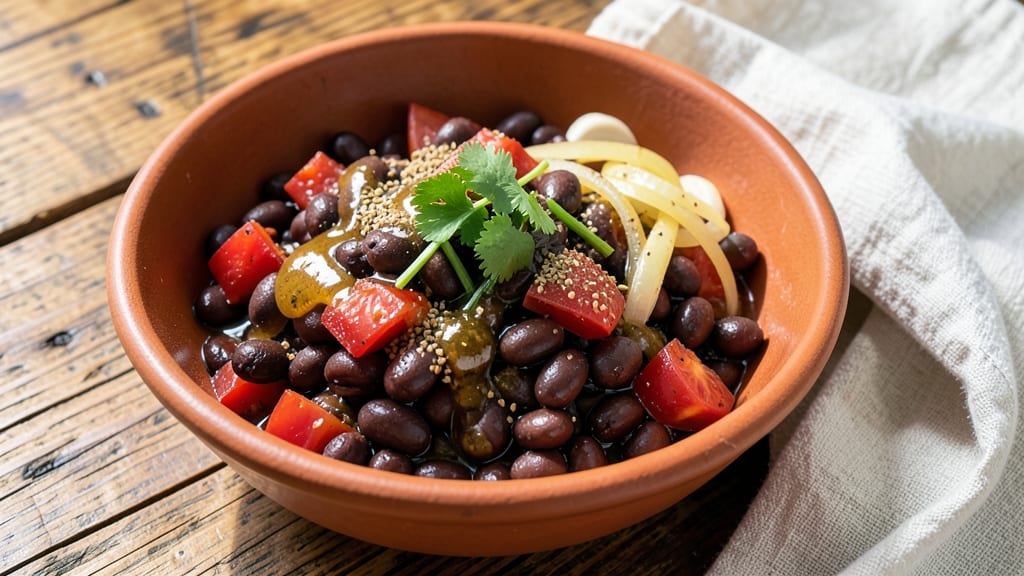
This bean salsa recipe with apple cider vinegar transforms humble ingredients into a vibrant, tangy condiment that elevates every chip dipper or taco topping. The sharp brightness of apple cider vinegar cuts through the earthiness of beans and tomatoes, creating a balanced flavor that's both refreshing and complex.
I developed this recipe after realizing how much better homemade salsa tastes than store-bought—especially when you control the acidity and freshness.
The foundation of great bean salsa lies in proper ingredient ratios and technique. You'll need canned beans (black or pinto work beautifully), diced tomatoes, finely chopped onions, minced garlic, and a blend of spices like cumin and chili powder.
The apple cider vinegar isn't just for tang—it helps preserve the salsa naturally, making this recipe perfect for batch cooking. Let it sit for at least 30 minutes before serving so flavors meld completely.
What you'll end up with is a velvety, chunky salsa with just the right balance of sweetness from tomatoes, earthiness from beans, and that signature tangy kick from the vinegar. It's creamy enough to spread but still has satisfying texture from the beans.
This versatile condiment works as a dip, taco sauce, or even a sandwich spread—its bright acidity cuts through rich foods beautifully while adding freshness.
Store any leftovers in an airtight container in the refrigerator for up to 5 days, or preserve it through canning for long-term storage. The vinegar helps extend shelf life while maintaining that bright, tangy flavor.
Whether you're prepping for game day or meal prepping for the week, this bean salsa delivers restaurant-quality flavor with minimal effort.
Ingredients for bean salsa recipe with apple cider vinegar
Eleven simple ingredients transform into a vibrant, tangy bean salsa perfect for dipping or topping.
| Ingredient | Amount | Notes |
|---|---|---|
| Black Beans 🌱 | 1 ½ cups | Drained and rinsed thoroughly |
| Fire-Roasted Diced Tomatoes 🍅 | 1 cup | With juices, no salt added |
| Yellow Onion 🧅 | ½ cup | Finely diced, about 1 small |
| Garlic Cloves 🧄 | 4 cloves | Minced, about 1 tbsp |
| Apple Cider Vinegar 🍎 | ¼ cup | Raw, unfiltered preferred |
| Ground Cumin 🌿 | 1 tsp | Toasted for deeper flavor |
| Chili Powder 🌶️ | 1 ½ tsp | Medium heat preferred |
| Smoked Paprika 🌶️ | ½ tsp | For subtle smokiness |
| Fresh Cilantro 🌿 | ¼ cup | Chopped, stems removed |
| Lime Juice 🍋 | 2 tbsp | Freshly squeezed |
| Extra-Virgin Olive Oil 🫒 | 1 tbsp | For richness and balance |
| Sea Salt 🧂 | ½ tsp | Adjust to taste |
| Jalapeño Pepper 🌶️ | 1 whole | Seeded and finely chopped |
The apple cider vinegar is the secret weapon here—Bragg or Texas Pete brands deliver that authentic tang. Look for raw, unfiltered varieties at Whole Foods or Trader Joe's, as they preserve more nutrients and flavor. Black beans should be low-sodium to avoid over-salting the salsa, and fire-roasted tomatoes add natural sweetness without extra sugar. Fresh cilantro brightens everything, but if you're short, dried cilantro at half the amount works in a pinch. The jalapeño can be adjusted—remove seeds for less heat or keep them for a spicy kick.
No fresh cilantro? Fresh parsley or basil adds a different but equally vibrant note. Short on lime juice? Lemon juice works 1:1, though lime's brightness is ideal. The smoked paprika gives depth—substitute regular paprika if unavailable, but you'll lose that subtle smokiness. For extra creaminess without dairy, add 1 tbsp avocado or silken tofu. The beans can be pinto or black—black beans add richness, while pintos offer a slightly nuttier profile. If you can't find fire-roasted tomatoes, regular diced tomatoes with 1 tsp sugar mimics the sweetness.
This salsa keeps beautifully in an airtight container in the fridge for 5-7 days, with flavors deepening over time. For longer storage, canning is ideal—the vinegar acts as a natural preservative. Portion into small jars for easy grab-and-go dipping. Freezes well for up to 3 months, though texture may soften slightly. Double the batch—it disappears fast during game day or taco nights.
Why You'll Love This Recipe
- No-Fuss Pantry Magic: I swear by this recipe when I’m staring at a half-empty fridge. Black beans, fire-roasted tomatoes, and a splash of apple cider vinegar—those are the only things I need to pull it off. The vinegar cuts through the richness of the beans, giving it this bright, tangy lift that feels like a hug for your taste buds.
- Tangy Kick Without Effort: That apple cider vinegar is the secret weapon. It’s not just acidic—it’s complex, like a little umami bomb that makes the onions and garlic sing. Honestly, I’ve tried other salsas, but this one stays with you, layering flavors instead of just hitting your tongue.
- Game for Any Meal: This salsa is my go-to for tacos, scrambled eggs, or even as a dip with tortilla chips. (Yes, even on a Tuesday night.) It’s the kind of thing that makes a simple plate feel intentional—no fuss, just flavor.
- Budget-Friendly Leftovers: A can of beans and a jar of tomatoes stretch this recipe into days of meals. I’ll make a big batch on Sunday, and by Wednesday, it’s still saving me time and money. Plus, it tastes just as good reheated as it does fresh—no sad, watery leftovers here.
Step-by-step instructions for bean salsa with apple cider vinegar
Here's the method that delivers bright, tangy flavor with perfect texture every time.
Prepare All Ingredients for Even Cooking
Start by draining and rinsing the 1.5 cups black beans thoroughly under cold water to remove any excess starch. This prevents the salsa from becoming gummy. Pat them dry with a clean kitchen towel or paper towels to ensure they're completely moisture-free before proceeding.
Finely dice the 0.5 cup yellow onion into small, even pieces—about the size of a pea. This ensures the onion distributes evenly throughout the salsa without any large chunks. Mince the 4 cloves garlic into a fine paste using a garlic press or the flat side of your knife. For the jalapeño pepper, remove the seeds and membranes to control the heat level, then chop it finely.
Sauté Aromatics Until Fragrant
Heat the 1 tablespoon extra-virgin olive oil in a medium skillet over medium heat. Add the diced onion and cook for 3-4 minutes until it becomes translucent and just begins to soften. This step builds flavor without letting the onion turn brown.
Add the minced garlic and chopped jalapeño, stirring constantly for 1-2 minutes until the garlic releases its aroma and becomes golden around the edges. Remove the skillet from heat immediately—garlic burns quickly and can turn bitter. Transfer the sautéed mixture to a large mixing bowl and set aside.
Combine Wet Ingredients and Seasonings
To the bowl with the sautéed aromatics, add the 1 cup fire-roasted diced tomatoes (with their juices), 0.25 cup apple cider vinegar, 2 tablespoons lime juice, 1 teaspoon ground cumin, 1.5 teaspoons chili powder, and 0.5 teaspoon smoked paprika. Stir well to combine all ingredients thoroughly.
Add the drained black beans and 0.25 cup chopped fresh cilantro, mixing gently to avoid mashing the beans. Sprinkle in the 0.5 teaspoon sea salt and taste the mixture. Adjust the salt if needed—this is where the salsa comes together with all its bright, tangy flavors.
Let the Salsa Rest for Best Flavor
Cover the bowl with plastic wrap or a clean kitchen towel and let the salsa rest at room temperature for at least 15 minutes. This resting period allows the flavors to meld and the vinegar's acidity to penetrate the beans, creating a more cohesive and flavorful salsa.
Before serving, give the salsa a final taste and adjust the seasoning if necessary. The acidity from the apple cider vinegar and lime juice should balance the earthy flavors of the beans and spices. Serve immediately with tortilla chips or as a topping for tacos, bowls, or grilled proteins.
Pro Tips For Making Bean Salsa Recipe With Apple Cider Vinegar
- Char the Onion First: I learned this the hard way—raw onion in this salsa just sits there like a wet sock. Slice the yellow onion thin, then sear it in a dry skillet over medium-high heat for 3-4 minutes until the edges turn golden and slightly crispy. The caramelized flavor cuts through the acidity of the apple cider vinegar and makes the whole dish sing.
- Rinse Those Beans: Canned black beans are packed in saltwater, and that extra brine can turn your salsa into a sad, watery mess. Drain them, then give the beans a quick rinse under cold water—especially if you’re using low-sodium cans. This step keeps the texture firm and the flavors balanced, so the apple cider vinegar shines instead of fighting for attention.
- Toast the Garlic: Raw garlic in this salsa just tastes like a bitter afterthought. After mincing, cook it in the same skillet you used for the onion (no oil needed—just the residual heat) for 30 seconds until it’s fragrant and just starting to turn golden. That extra step adds depth that makes the vinegar taste intentional, not sharp.
- Let the Vinegar Rest: Pouring the apple cider vinegar in at the end and stirring is a rookie move. Mix it with the fire-roasted tomatoes and let the whole batch sit for 5 minutes before folding in the beans. This lets the acid mellow out and marry with the other flavors—otherwise, you’ll end up with a mouth-puckering surprise every bite. (Yes, even if you’re impatient like me.)
Wine and beer pairings for these flavors
Crisp White Wine
A dry Riesling from Germany or Alsace is my go-to pairing—its crisp acidity mirrors the apple cider vinegar's tang while the mineral notes complement the beans' earthiness.
Look for a 2022 Dr. Loosen Blue Slate or Trimbach Riesling; both have enough brightness to stand up to the salsa without overpowering it. Serve slightly chilled (45-50°F) to enhance the refreshing contrast. 🍷
Light-Bodied Beer
A Mexican lager like Modelo Especial or Pacifico Clara works beautifully—its subtle malt sweetness balances the vinegar's acidity while the crisp finish cleanses your palate. For a local craft option, try a wheat beer with citrus notes, such as Allagash White or Blue Moon Belgian White.
Avoid heavy IPAs or stouts, which would clash with the salsa's delicate tang. 🍺
Sparkling Rosé
If you prefer bubbles, a dry sparkling rosé from Provence adds an elegant touch.
The effervescence enhances the salsa's brightness, while the berry notes in Laurent-Perrier Rosé or Veuve Clicquot Rosé complement the tomatoes and jalapeño. Serve at 40-45°F to maintain the crispness that pairs so well with the vinegar's sharpness. ✨
Non-Alcoholic Options
For a refreshing non-alcoholic match, try sparkling apple cider like Martinelli's Gold or Woodchuck Hard Cider. The effervescence and apple notes echo the vinegar's tang while keeping the pairing light and crisp.
For a citrus twist, add a splash of fresh lime juice to sparkling water—it mimics the salsa's zesty profile perfectly. 🍎
Bold Red Wines
If you prefer red wine, opt for a light-bodied Pinot Noir from Oregon or Burgundy, such as Domaine Serene or Louis Jadot.
The wine's bright acidity and red fruit flavors harmonize with the salsa's smoky paprika and jalapeño. Avoid heavy Cabernets or Syrahs, which would overpower the delicate balance of flavors. 🍇
Tequila or Mezcal
For a bold pairing, serve this salsa with a reposado tequila or smoked mezcal. The agave's natural sweetness contrasts the vinegar's tang, while the smokiness in mezcal echoes the smoked paprika.
Try Don Julio Reposado or Montelobos Espadín—neat or on the rocks with a squeeze of lime. The heat from the jalapeño will shine through beautifully. 🔥
Nutrition facts
Frequently asked questions
Can I use white vinegar instead of apple cider vinegar?
White vinegar works in a pinch, but apple cider vinegar adds depth and subtle sweetness that white vinegar lacks. The maltiness in apple cider vinegar enhances the beans and tomatoes, creating a more complex flavor. If you must substitute, use a 1:1 ratio, but expect a sharper, less nuanced taste.
How do I adjust the heat level in this salsa?
For milder heat, remove all seeds and membranes from the jalapeño before chopping. For extra spice, leave the seeds in or add a pinch of cayenne pepper (1/8 teaspoon). You can also add more smoked paprika (1/4 teaspoon) for smoky heat without capsaicin. Always taste before serving!
Can I make this salsa without fresh cilantro?
Swap fresh cilantro for 1 tablespoon dried cilantro or 1 tablespoon fresh parsley or basil. For a more herbaceous flavor, try 1 teaspoon dried oregano. The dried herbs should be added at the end to preserve their aroma. Fresh herbs always taste best, but these alternatives work well in a pinch.
Why does my salsa taste too acidic?
If the acidity overpowers, balance it by adding 1 teaspoon sugar or honey to mellow the sharpness. Alternatively, stir in 1 tablespoon extra olive oil to coat your palate. Let the salsa sit for 10-15 minutes before tasting again—the flavors will mellow slightly. Avoid adding more beans, as they won't neutralize the acid.
How long can I store this salsa in the fridge?
This bean salsa keeps well in an airtight container in the refrigerator for 5-7 days. The apple cider vinegar acts as a natural preservative, but flavors deepen over time. For longer storage, consider canning (process for 15 minutes in a water bath) or freezing (up to 3 months). Always check for spoilage before eating.