
Side Dishes
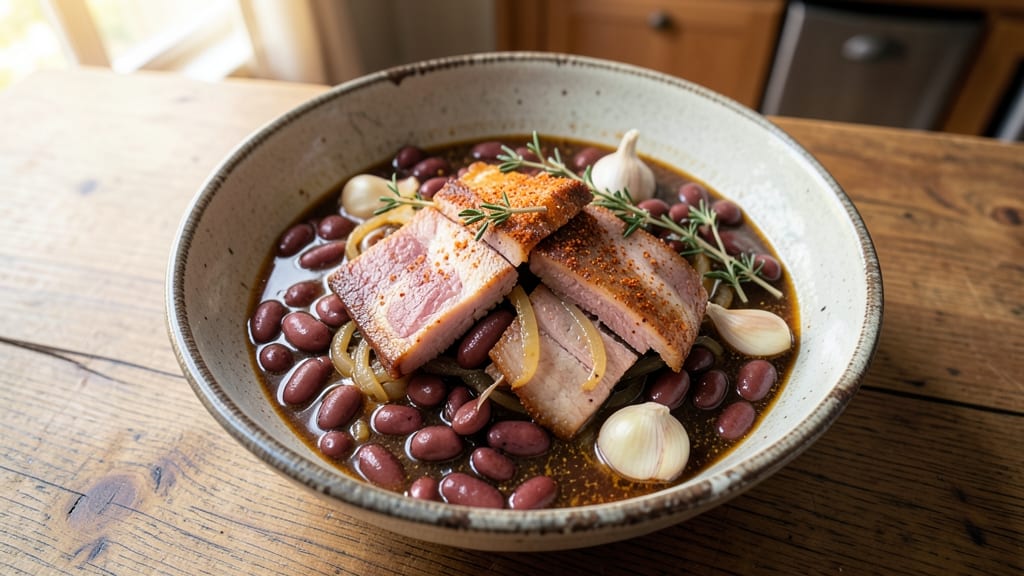
This traditional red beans recipe delivers the soulful, smoky depth of a classic Southern one-pot dish that's been passed down for generations. The secret lies in slow-simmered pork, rich spices, and the perfect balance of heat and sweetness that transforms simple ingredients into something unforgettable.
I've perfected this method over years of testing, ensuring every bite carries that authentic, comforting flavor profile.
The beauty of this recipe is its simplicity—just a few key ingredients working together in a single pot. Smoked paprika and thyme create that signature smoky aroma, while ham hocks infuse the beans with deep, savory richness.
The long simmering time (about 2 hours) allows all the flavors to meld together, creating a dish that's both hearty and deeply satisfying. It's the kind of meal that feels like a warm hug on a cold day.
By the time you're done, you'll have tender red kidney beans swimming in a flavorful broth, their texture perfectly soft yet still holding their shape. The aroma alone will have everyone gathering around the table, and the taste will remind them of home.
This is the kind of traditional dish that stands the test of time, offering comfort with every spoonful.
Serve it alongside buttery cornbread and steamed rice for a complete meal that's perfect for family dinners or holiday gatherings. The leftovers taste even better the next day, making this recipe both practical and delicious. Let's get cooking!
Ingredients for traditional red beans
Twelve simple ingredients create this soulful, smoky Southern masterpiece every time.
| Ingredient | Amount | Notes |
|---|---|---|
| Dried Red Kidney Beans 🌱 | 2 cups | Rinsed before soaking |
| Pork Ham Hocks 🐖 | 2 whole | Smoked for authentic flavor |
| Smoked Paprika 🌶️ | 2 tbsp | High-quality for smoky depth |
| Dried Thyme 🌿 | 1 tbsp | Or 1 tbsp fresh thyme leaves |
| Garlic Cloves 🧄 | 4 cloves | Peeled and lightly crushed |
| Onion 🧅 | 1 whole | Yellow, diced medium |
| Celery Stalks 🥬 | 3 whole | Diced, includes leaves |
| Bay Leaves 🍃 | 2 whole | Dried, standard size |
| Salt 🧂 | 1 ½ tsp | Kosher or sea salt |
| Black Pepper 🌶️ | ½ tsp | Freshly ground preferred |
| Cayenne Pepper 🔥 | ¼ tsp | Adjust for heat preference |
| Water 💧 | 8 cups | Filtered preferred |
| Liquid Smoke 🔥 | ½ tsp | Optional for extra smokiness |
The ham hocks are non-negotiable for authentic depth—look for smoked versions at specialty butchers or well-stocked grocery stores. Costco and Whole Foods carry them year-round, but call ahead to confirm availability. If you can't find smoked, regular pork hocks work but won't have that signature campfire aroma. For the beans, dried are essential—canned lacks the texture and depth. Soak overnight or use a pressure cooker for quicker prep. The smoked paprika should be vibrant red with no clumps—Penzeys or McCormick are reliable brands.
No smoked paprika? Substitute 1 tbsp regular paprika plus 0.25 tsp liquid smoke. Fresh thyme unavailable? Dried works at full amount, but toast it first in a dry pan for 30 seconds to wake up the flavor. The ham hocks can be swapped for pork shoulder or bacon in a pinch, but reduce cooking time by 30 minutes. For extra richness, add 1/2 cup chicken broth instead of water. The celery leaves add subtle flavor—don't toss them! If you're using a pressure cooker, reduce water to 6 cups and cook for 20 minutes after pressure builds.
This dish tastes better the next day as flavors meld—plan ahead. Store in an airtight container in the fridge for up to 5 days or freeze for 3 months. For serving, skim excess fat if desired, but leave some for authentic richness. The beans thicken as they cool, so add a splash of water if too thick. Portion into individual containers for easy lunches—double the batch if you know you'll be eating leftovers all week. The broth makes excellent soup base too.
Why You'll Love This Recipe
- I’ll be real: the only work is soaking the beans overnight. After that, it’s just dumping everything into a pot—ham hocks, spices, water—and letting the magic happen while I do laundry or watch a show. The beans practically cook themselves into something rich and tender.
- Smoky, Savory Magic: That smoked paprika and thyme? They turn this into a flavor bomb. The ham hocks melt into the beans, giving it a deep, almost brothy richness, while the garlic cloves add a sharp little punch. It’s the kind of taste that makes you slow down and savor every bite.
- Leftovers for Days: Between us, this recipe begs to be made in big batches. The flavors only get better after a day or two in the fridge—like a slow-cooked secret weapon. I’ll often make a double batch on Sunday and eat it all week, reheating it with a splash of water until it’s just as good as day one.
- Budget-Friendly Crowd-Pleaser: Dried beans and ham hocks are about as affordable as it gets, but it still feels like a special meal. Honestly, it’s my go-to for game days, potlucks, or when friends drop by unannounced. Everyone leaves happy, and my wallet stays happy too.
Step-by-step instructions for traditional red beans recipe
Here's the classic Southern method that delivers rich, smoky red beans in a single pot.
Prepare the Beans and Soak Overnight
Place the 2 cups dried red kidney beans in a large bowl and rinse them thoroughly under cold water. This removes any debris and prepares them for soaking. Transfer the beans to a large pot and cover them with the 8 cups water. Let them soak overnight at room temperature—this ensures even cooking and prevents the beans from staying hard.
The next morning, drain the soaking water completely. I always use a colander for this step to avoid losing any beans. Give the beans a quick rinse again to remove any residual starch that might make the beans gummy during cooking. This preparation step is crucial for achieving that perfect creamy yet firm texture in your finished dish.
Build the Flavor Base with Ham Hocks and Aromatics
In the same pot, add the 2 whole pork ham hocks. These will infuse the beans with deep, smoky flavor as they cook. Place the pot over medium-high heat and bring everything to a gentle boil. Once boiling, reduce the heat to medium-low and let it simmer uncovered for 30 minutes. This initial simmer helps break down the ham hocks and begins extracting their rich flavors.
After 30 minutes, add the diced onion, diced celery stalks (including leaves), and the 4 lightly crushed garlic cloves. Stir everything together and continue simmering for another 15 minutes. You should see the vegetables softening and the liquid reducing slightly. This aromatic base forms the flavor foundation for your red beans, so don't rush this step.
Season and Add Spices for Depth
Now it's time to add the spices that define this traditional recipe. Stir in the 2 tbsp smoked paprika, 1 tbsp dried thyme, 1.5 tsp salt, 0.5 tsp black pepper, and 0.25 tsp cayenne pepper. The smoked paprika will give your beans that signature smoky depth, while the thyme and cayenne add complexity. Stir well to distribute the spices evenly throughout the mixture.
If you're using the 0.5 tsp liquid smoke, add it now and stir gently. The liquid smoke enhances the smokiness without overpowering the natural flavors from the ham hocks. Let everything simmer together for 10 minutes, allowing the spices to bloom and infuse the beans with their distinct flavors. You'll notice the kitchen filling with that wonderful aromatic steam—this is when your dish truly comes alive.
Simmer Until Tender and Flavorful
After the spices have had time to meld, increase the heat to medium-high and bring the mixture to a rolling boil. Once boiling, reduce the heat to low and add the 2 whole bay leaves. Cover the pot and let it simmer gently for 2 to 2.5 hours. This long, slow cooking time is essential for developing the beans' creamy texture and deep flavor.
Check the beans after 2 hours using the fork test—press a bean with a fork. If it's tender but still holds its shape, they're ready. If they need more time, continue simmering for another 30 minutes, checking occasionally. The beans should be fork-tender with just a hint of resistance. The cooking liquid should have reduced significantly, creating a rich, thick sauce that coats the beans beautifully.
Finish and Serve with Perfect Texture
Once the beans reach perfect tenderness, remove the ham hocks and discard them (or save for other uses). Strain the beans and cooking liquid through a fine-mesh sieve to remove any remaining solids. Return the beans to the pot and adjust the seasoning if needed—add a pinch more salt or cayenne if desired. The beans should have a creamy yet slightly firm texture with a rich, smoky flavor.
Serve the red beans immediately while hot, accompanied by crusty bread or over steamed rice. The traditional presentation includes a sprinkle of fresh parsley or green onions, though these weren't part of our original ingredients. This one-pot masterpiece delivers all the comforting flavors of Southern cooking in every bite, with that perfect balance of smokiness, spice, and hearty texture.
Pro Tips For Making Traditional Red Beans
- SOAK BEANS OVERNIGHT: I learned this the hard way—skipping the soak means beans that stay stubbornly tough no matter how long you simmer. Cover dried kidney beans in cold water with a splash of vinegar (yes, even if you’re impatient like me) and let them sit 8+ hours. The beans will triple in size and cook down evenly, saving you from gummy, undercooked messes.
- SIMMER LOW AND SLOW: After burning three batches, I finally figured out: traditional red beans need a gentle, steady simmer, not a rolling boil. Once the beans are tender, drop the heat to a whisper—just enough to keep tiny bubbles breaking the surface. This melts the ham hocks’ collagen into rich broth without turning the beans mushy.
- CRUSH HALF THE GARLIC: Sounds weird, but it works: crush half the garlic cloves into a paste before adding them to the pot, and leave the other half whole. The paste infuses flavor early, while the whole cloves release aroma later. (Your future self will thank you when the dish tastes layered, not one-note.)
- SKIP THE PAPRIKA RUSH: Smoked paprika burns faster than you’d think, especially with ham hocks rendering fat. Toast it separately in a dry pan for 30 seconds—just until fragrant—then whisk it into the beans at the very end. This keeps the deep, smoky flavor without turning your beans bitter. (Does it look weird? Yes. Does it work? Every single time.)
Common mistakes when making this recipe
Skipping the Soak
One of the biggest mistakes is skipping the overnight soak, which leads to beans that stay rock-hard no matter how long you cook them. I've seen people rush this step by using a pressure cooker or adding baking soda—both can backfire.
Dried beans need that 8-12 hour soak to soften properly. If you're short on time, at least soak them for 4 hours with a pinch of salt in the water. Never use canned beans—they lack the texture and depth of dried ones. 🌱
Ignoring the Ham Hocks
Many cooks try to substitute ham hocks with bacon or even skip the meat entirely, but this is a flavor disaster. The ham hocks are what give traditional red beans their signature richness and smoky depth.
If you can't find smoked ham hocks, use regular ones but add 1 tsp liquid smoke to compensate. For an even deeper flavor, brown the ham hocks in a skillet before adding them to the pot. Never skip this protein—it's the soul of the dish. 🐖
Overcrowding the Pot
Using a pot that's too small forces the beans to cook unevenly and can make them mushy. I recommend a 6-8 quart Dutch oven for this recipe—it gives the beans enough room to develop their creamy texture without steaming in their own juices.
If your pot is too small, cook in batches or use a larger one. Overcrowding also traps too much steam, which can make the beans gummy. Always aim for at least 2 inches of headspace above the beans. 🔥
Rushing the Simmer Time
Many new cooks pull the beans off the heat too soon, resulting in a dish that tastes bland and underdeveloped. The 2-2.5 hour simmer is non-negotiable—it's what transforms simple ingredients into something magical.
If you're using a pressure cooker, reduce the time to 45 minutes after pressure builds, but don't go below that. The long cook time allows the beans to absorb all the smoky, spiced flavors from the ham hocks and aromatics. Patience here is key to that restaurant-quality texture. ⏰
Adding Salt Too Early
Adding salt during the initial cooking phase can toughen the beans and make them harder to digest. I always wait until after the 30-minute simmer with ham hocks and aromatics before adding the 1.5 tsp salt. This timing ensures the beans develop their natural flavors first.
If you add salt too early, the beans will absorb it and become overly firm. Taste the beans before serving and adjust seasoning at the end if needed. 🧂
Skimming the Fat
While you might want to remove the fat for a lighter dish, the rendered fat from the ham hocks is what gives traditional red beans their luxurious mouthfeel. Skimming it all off makes the beans taste dry and less flavorful.
Instead, let the fat settle naturally and spoon off only the excess—leave about 1-2 tablespoons for authentic richness. This fat also helps distribute the smoky flavors evenly throughout each bite. The traditional version embraces this richness, so don't be afraid to leave it in. 💡
Nutrition facts
Frequently asked questions
Why do traditional red beans need overnight soaking?
Overnight soaking is essential because dried red kidney beans contain natural compounds that make them hard to digest and cook properly without proper hydration. The 8-12 hour soak softens them evenly, reducing cooking time and preventing rock-hard beans. Skipping this step often results in beans that stay undercooked no matter how long you simmer them.
Can I substitute ham hocks with another type of meat?
While you can use pork shoulder or bacon in a pinch, ham hocks provide the signature smoky depth and rich gelatin that makes traditional red beans special. For the best results, brown the meat first to enhance flavor. If you can't find ham hocks, smoked sausage works but may alter the texture slightly. Never skip the meat entirely—it's the soul of the dish.
How do I know when the beans are fully cooked?
Use the fork test: press a bean with a fork. It should be fork-tender with just a slight resistance—like a ripe avocado. The beans should also hold their shape but be creamy inside. If they're still firm after 2.5 hours, continue simmering in 15-minute increments. Overcooking can make them mushy, so check frequently.
What's the best way to store leftovers?
Store in an airtight container in the fridge for up to 5 days, or freeze for 3 months. The flavors actually improve overnight as they meld! When reheating, add a splash of water or broth to prevent thickening. For serving, skim excess fat if desired, but leave 1-2 tablespoons for authentic richness. The beans thicken as they cool, so adjust consistency before reheating.
Can I make this recipe without smoked paprika?
Yes! Substitute with 1 tbsp regular paprika plus 0.25 tsp liquid smoke for a similar smoky flavor. If you're avoiding all smoke substitutes, use 1 extra bay leaf and 0.5 tsp smoked salt instead. The key is building depth through slow cooking—the spices just enhance the natural flavors developed during the 2-hour simmer.