Sauces & Condiments
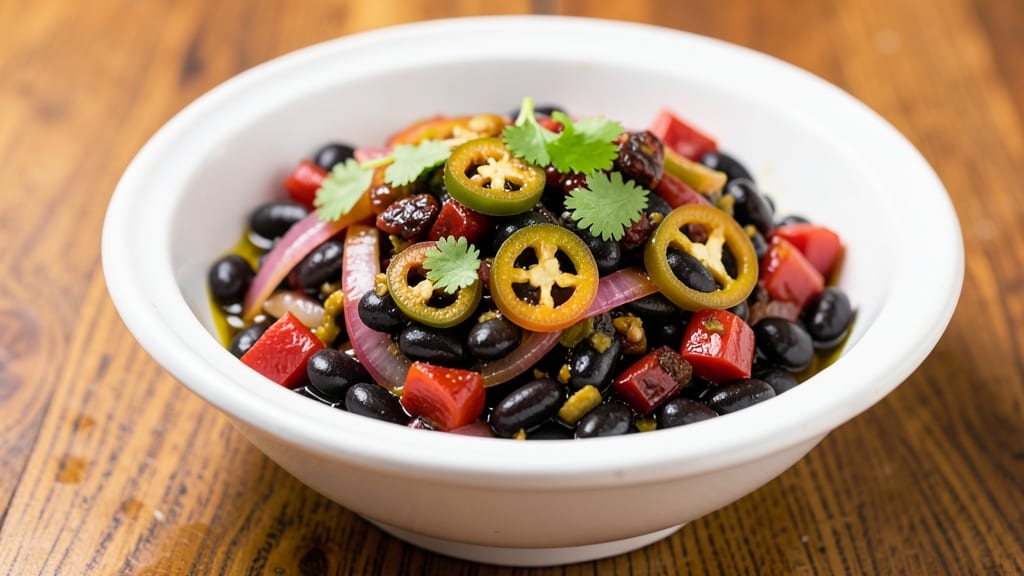
This Texas bean salsa recipe brings bold Lone Star flavors to your table with a smoky chipotle kick and bright cilantro zing that transforms simple ingredients into something extraordinary. The secret lies in charring the beans and peppers over an open flame—just like my dad taught me when I was six years old flipping pancakes (though I confess I ate more chocolate chips than I cooked). That smoky depth is what makes this salsa taste like a backyard BBQ in every bite.
What sets this recipe apart is the perfect balance of heat and freshness—chipotle peppers add smoldering warmth while fresh cilantro and lime keep it vibrant and bright. The beans get roasted until slightly crispy at the edges, which gives them that restaurant-quality texture.
This isn't just a dip; it's a flavor experience that works as a side dish, topping, or even a filling for tacos.
By the time you're done, you'll have a batch of salsa that's rich, complex, and packed with authentic Texas flavor. The smoky aroma alone will have everyone asking for seconds, and the texture—creamy from the beans, crisp from the roasted peppers—makes it impossible to resist.
It's the kind of recipe that proves you don't need fancy ingredients to create something truly special.
Perfect for game day gatherings, taco nights, or as a standalone appetizer with tortilla chips. Let's get started—your taste buds will thank you for it.
Ingredients for texas bean salsa
Smoky, spicy, and fresh—this Texas bean salsa needs just 13 ingredients for bold backyard BBQ flavor.
| Ingredient | Amount | Notes |
|---|---|---|
| Black Beans 🌽 | 1 ½ cups | Dried or canned, drained and rinsed |
| Red Bell Pepper 🍆 | 1 whole | Seeds and ribs removed |
| Red Onion 🧅 | 1 whole | Medium size, roughly chopped |
| Jalapeño Peppers 🌶️ | 2 whole | Seeds removed for mild heat |
| Chipotle Peppers in Adobo 🌶️ | 2 tbsp | From can, finely chopped |
| Fresh Cilantro 🌿 | ½ cup | Stems removed, roughly chopped |
| Fresh Lime Juice 🍋 | ¼ cup | Freshly squeezed |
| Garlic Cloves 🧄 | 3 cloves | Peeled, roughly chopped |
| Extra-Virgin Olive Oil 🫒 | 2 tbsp | For roasting and finishing |
| Salt 🧂 | 1 tsp | Kosher or sea salt |
| Ground Black Pepper 🌶️ | ½ tsp | Freshly ground preferred |
| Cumin Powder 🌿 | ½ tsp | Toasted for deeper flavor |
| Tortilla Chips 🍞 | 2 cups | For serving, optional |
The beans are the heart of this salsa, so don't skimp. Dried black beans give the best texture, but canned work in a pinch—just drain and rinse them well. For the peppers, Trader Joe's or H-E-B carry great fresh jalapeños and bell peppers. Chipotle peppers in adobo? Look for the canned variety at any Latin market or the international aisle of your grocery store. The fresher the cilantro and lime, the brighter your salsa will taste—hit the farmers market if you can, or at least grab cilantro with vibrant green leaves, not wilted stems.
No fresh cilantro? Dried cilantro at half the amount works, though it won't have the same zing. Running low on chipotle peppers? Smoked paprika plus a pinch of cayenne gets you close. The beans can be roasted in a dry skillet for extra smokiness, or you can skip that step if you're short on time. For the lime juice, Mexican limes (key limes) have more tartness, but regular limes work too. The tortilla chips are optional but highly recommended—blue corn chips add a nice contrast to the smoky flavors.
This salsa keeps well in the fridge for 5 days, though it tastes best within the first 2 days. The flavors actually improve after sitting overnight—let it marinate for a few hours before serving. For longer storage, freeze portions in ice cube trays. Perfect for game day spreads or taco night toppings. I always double the batch—one for tonight, one for next week. The leftovers make an amazing taco filling too.
Why You'll Love This Recipe
- Pantry-to-Pot Magic: I swear by this recipe because it uses ingredients I already have—no last-minute grocery runs. The black beans and chipotle in adobo alone turn a simple onion and bell pepper into something special without extra effort.
- Smoky Heat Balance: That smoky chipotle paste and fresh jalapeño give it a slow-building kick, but the sweet red bell pepper keeps it from being too aggressive. Honestly, it’s the kind of flavor that lingers just enough to make you want seconds.
- Game for Any Meal: I serve it as a dip, a topping for tacos, or even a side with grilled fish—it adapts without losing its soul. My college-aged kids grab it for late-night snacks, and my mom-in-law approves when I bring it to family dinners.
- Leftovers That Don’t Suffer: Unlike some salsas that turn mushy, this one actually improves overnight. The flavors meld, and the texture stays just right—perfect for batch cooking. I make a double batch on Sundays and eat it all week.
Step-by-step instructions for Texas bean salsa
Here's how to make this smoky, vibrant salsa that balances heat and freshness perfectly.
Roast the Vegetables for Deep Flavor
Preheat your oven to 425°F and line a baking sheet with parchment paper. Cut the whole red bell pepper and whole red onion into 1-inch chunks, and slice the jalapeño peppers into ¼-inch rings. Toss them with 2 tablespoons extra-virgin olive oil, 1 teaspoon salt, and ½ teaspoon cumin powder until evenly coated.
Spread the vegetables in a single layer on the baking sheet, leaving space between them. Roast for 20-25 minutes until the edges are charred in spots and the onions are tender when pierced with a fork. This roasting step develops a smoky depth that takes this salsa from ordinary to extraordinary. Keep an eye on them—they cook quickly at this temperature.
Char the Chipotle Peppers and Garlic
While the vegetables roast, heat a small skillet over medium heat and add the 2 tablespoons chipotle peppers in adobo. Cook for 1-2 minutes until they begin to sizzle and release their smoky aroma. Remove from heat and set aside.
In the same skillet, add the 3 cloves garlic cloves (peeled) and toast for 30 seconds until fragrant. Watch carefully—they burn quickly. Transfer the garlic to a cutting board and let it cool for 2 minutes before chopping. This quick charring enhances the garlic's sweetness and adds another layer of complexity to the salsa.
Combine and Blend the Ingredients
Transfer the roasted vegetables to a food processor or blender. Add the charred chipotle peppers, toasted garlic, 1.5 cups black beans (drained and rinsed), 0.5 cup fresh cilantro (stems removed), and 0.5 teaspoon ground black pepper. Pulse until the mixture is roughly chopped but still textured—you want some bite in every spoonful.
With the processor running, slowly drizzle in the 0.25 cup fresh lime juice. This brightens the flavors and balances the smokiness. Taste and adjust seasoning—you might need a pinch more salt to complement the roasted vegetables. The salsa should be vibrant, with a perfect balance of smoky, spicy, and fresh notes.
Finish and Serve
Transfer the salsa to a serving bowl and let it sit for 10 minutes at room temperature. This resting period allows the flavors to meld and the lime juice to fully integrate. Give it a final taste and adjust the seasoning if needed—sometimes the lime juice needs a little more time to brighten.
Serve the salsa immediately with 2 cups tortilla chips on the side for scooping. The contrast of the crispy chips against the warm, smoky salsa makes every bite unforgettable. If you prefer a smoother texture, blend again briefly, but I like the rustic texture that keeps a little bite. Store any leftovers in an airtight container in the refrigerator for up to 3 days, though it's best enjoyed fresh.
Pro Tips For Making Texas Bean Salsa
- CHAR THE BELL PEPPER: Roast the red bell pepper whole over a gas flame or under the broiler—skin side up—until the skin blackens and peels easily. I used to cut it first, but charring it whole locks in flavor and makes peeling a breeze (just slip off the skin after wrapping in a towel).
- SALT THE BEANS FIRST: Drain and rinse your black beans, then toss them in a bowl with 1 teaspoon salt and 1/4 cup warm water before blending. This jumpstarts seasoning and keeps the texture creamy instead of mealy—trust me, it’s the difference between good and actually delicious.
- STRAIN THE ADOBO SAUCE: When using chipotle peppers in adobo, always strain the sauce through a fine-mesh sieve before adding it to the salsa. The thick, oily residue clogs blenders and makes the texture gritty—waste not, but skip the sludge.
- BLITZ THE ONION: Pulse the red onion in short bursts (3-4 seconds on, 10 off) in the blender instead of blending continuously. This keeps it chunky and bright, not pulpy—like someone dumped a whole jar of salsa into your mouth instead of a smoothie.
Troubleshooting this recipe
Smoky Flavor Fading
If your salsa loses its smoky depth after blending, you likely didn’t char the vegetables enough. I’ve found that roasting the peppers and onions at 450°F for 25-30 minutes with direct heat (like on the top oven rack) creates more intense charring.
For extra smokiness, add ½ teaspoon smoked paprika or a pinch of liquid smoke (just ¼ teaspoon) to the final blend. The key is patience—don’t rush the roasting step. 🌶️
Texture Too Watery
Watery salsa usually means over-roasted vegetables or too much lime juice. To fix it, blend in 2-3 tablespoons of avocado or mashed white beans to thicken naturally. If the issue is excess liquid, strain the mixture through a fine-mesh sieve after blending.
I’ve also had success adding 1 tablespoon of cornstarch mixed with 1 tablespoon water, heating it briefly, and stirring it into the salsa. Let it sit for 5 minutes to thicken properly.
Beans Too Soft or Mushy
Over-blending or using canned beans that are too soft can turn your salsa into a paste. For firmer texture, use dried black beans cooked until just tender (about 1 hour in a pressure cooker or 2 hours in a pot).
If using canned beans, drain them well and rinse under cold water. For extra texture, reserve ¼ cup of the beans unblended and fold them in at the end. This keeps the rustic bite that makes Texas bean salsa so satisfying. 💪
Spice Level Too Mild
If your salsa lacks heat, the jalapeños or chipotle peppers might not have been strong enough. Next time, leave the seeds and ribs in the jalapeños for extra kick. For immediate heat, add ½ teaspoon cayenne powder or 1-2 diced serrano peppers (roasted with the other veggies).
I also like adding 1 teaspoon of hot sauce (like Cholula) at the end for a balanced burn. Always taste as you go—adjust gradually to avoid overpowering the other flavors.
Lime Juice Too Overpowering
If the lime juice dominates, balance it with a pinch of salt or a drizzle of honey (½ teaspoon). Let the salsa sit for 10-15 minutes before tasting again—the acidity often mellows.
For a smoother finish, blend in 1 tablespoon of plain yogurt or sour cream to soften the tartness. If the issue persists, reduce the lime juice in future batches to 2 tablespoons and add more roasted vegetables to round out the flavor.
Cilantro Tasting Soapy
Soapy cilantro usually means it was washed too vigorously or stored improperly. Rinse cilantro quickly under cold water, then pat it dry with a paper towel before chopping. If you’ve already used it, blend in 1 tablespoon of fresh mint or basil to mask the flavor.
For prevention, store cilantro in a damp paper towel in the fridge—this keeps it fresh longer. I’ve also had luck using dried cilantro at half the amount if fresh isn’t available, though it won’t have the same bright flavor. 🌿
Nutrition facts
Frequently asked questions
Can I make this Texas bean salsa without a food processor?
Skip blending and finely chop all ingredients by hand for a rustic texture. Use a sharp knife and cutting board to mince the roasted vegetables, beans, and garlic until they're roughly the same size. The key is to keep everything chunky—this maintains the satisfying bite that makes the salsa so special.
How can I adjust the heat level for kids or sensitive eaters?
Remove all seeds and membranes from the jalapeños before roasting, and reduce the chipotle peppers to just 1 tablespoon. For extra mildness, add ½ cup diced avocado or 2 tablespoons plain yogurt at the end to balance any lingering heat. Always taste as you go—you can't over-dilute with lime juice or extra beans.
What's the best way to store leftovers?
Transfer the salsa to an airtight container and refrigerate for up to 5 days. The flavors actually improve overnight! For longer storage, portion into ice cube trays, freeze, then transfer to a bag. Thaw in the fridge before serving—never microwave, as it can dull the flavors and make the texture mushy.
Can I use other types of beans in this recipe?
Black beans work best for their creamy texture, but you can substitute pinto beans or kidney beans in a pinch. For a lighter version, try white beans (like cannellini) which add a subtle sweetness. Just ensure they're well-drained and rinsed. Avoid overly salty canned beans—they can make the salsa taste bland.
What are some creative ways to serve this salsa?
Beyond chips, try it as a taco filling, spooned over grilled fish or chicken, or mixed into scrambled eggs for breakfast. Spread it on toast with avocado for a smoky brunch, or use it as a dip for veggie sticks. The salsa also makes an amazing pizza topping—just add a little cheese and bake!