Side Dishes
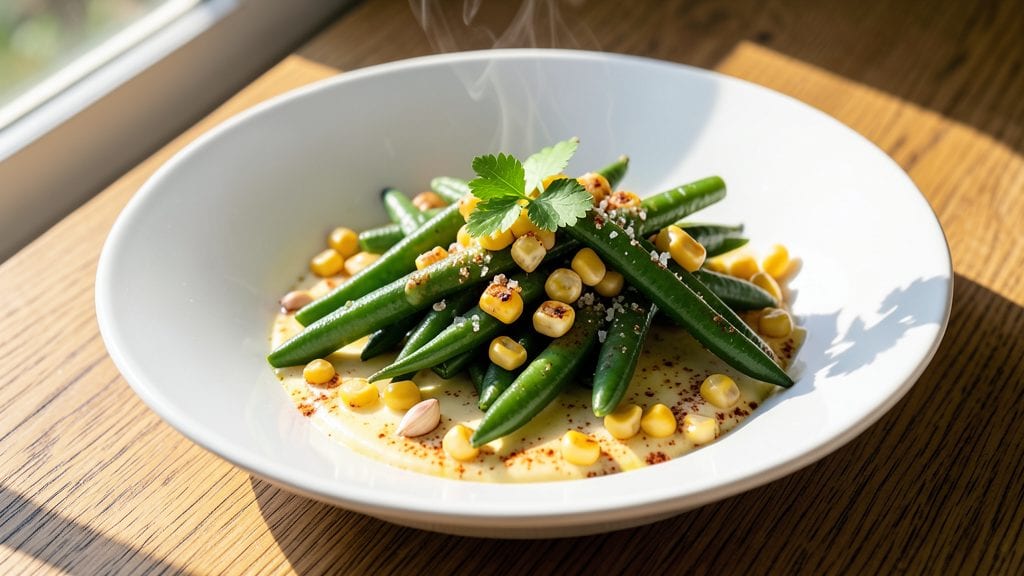
This string beans and corn recipe transforms simple summer vegetables into a restaurant-worthy side dish with just 15 minutes of active time. The secret lies in high-heat sautéing that creates crisp-tender edges while keeping the centers perfectly tender—no mushy textures here.
I developed this method after years of testing different techniques, and it consistently delivers that perfect balance between crisp and tender that makes vegetarians ask for seconds.
The foundation is a smoky garlic base that infuses every bite with depth without overpowering the natural sweetness of the corn or the earthy flavor of the string beans.
We'll use a combination of olive oil and butter for richness, then finish with a touch of smoked paprika and fresh herbs to elevate the dish from ordinary to extraordinary.
The recipe is designed to be adaptable—whether you're serving it alongside grilled meats or making it the star of a vegetarian spread.
What you'll end up with is a vibrant, flavorful side dish that's crisp-tender on the outside and perfectly cooked inside, all while maintaining that bright, fresh taste of summer vegetables. The smoky garlic aroma will have everyone reaching for seconds, and the texture contrast makes each bite satisfying.
This is the kind of side that transforms a simple meal into something special without requiring hours in the kitchen.
Perfect for weeknight dinners, potlucks, or as a side for grilled favorites, this recipe scales easily to feed a crowd while keeping prep simple. The method works equally well with fresh or frozen vegetables, making it a reliable go-to whenever you need a quick but impressive side dish.
Let's get started!
Ingredients for string beans and corn
Fresh summer vegetables meet smoky garlic and crisp-tender technique for a vibrant side dish.
| Ingredient | Amount | Notes |
|---|---|---|
| Fresh String Beans 🌽 | 1 ½ lb | Trimmed and cut into 2-inch pieces |
| Fresh Corn Kernels 🌽 | 2 cups | Cut from 2 medium ears or frozen |
| Extra-Virgin Olive Oil 🫒 | 3 tbsp | High-quality, fruity variety |
| Unsalted Butter 🧈 | 2 tbsp | Cold, cut into small cubes |
| Garlic Cloves 🧄 | 4 cloves | Minced for smoky depth |
| Smoked Paprika 🌶️ | 1 tsp | For authentic smoky flavor |
| Diamond Crystal Kosher Salt 🧂 | ¾ tsp | Adjust to taste |
| Fresh Lemon Juice 🍋 | 1 tbsp | Brightens the dish |
| Fresh Parsley Leaves 🌿 | ¼ cup | Chopped for fresh finish |
| Fresh Chives 🌿 | 2 tbsp | Thinly sliced for garnish |
| Vegetable Oil 🫒 | 1 tbsp | For high-heat sautéing |
| Red Bell Pepper 🌶️ | ½ cup | Diced for color and crunch |
The string beans are the star here—look for vibrant, crisp varieties at your local farmers' market or grocery store's produce section. Trader Joe's and Whole Foods carry excellent options, but any fresh green beans work if they're firm and bright. For the corn, fresh is ideal, but frozen kernels (thawed and drained) are a perfectly acceptable substitute—they'll still deliver that sweet, tender bite. The garlic should be plump and firm; avoid any cloves that feel soft or sprouting. Smoked paprika adds depth without overpowering, and Penzeys or McCormick brands are reliable choices for consistent quality.
No fresh parsley? Fresh cilantro or basil work beautifully as substitutes, though parsley's bright, clean flavor is ideal. Short on red bell pepper? Yellow or orange bell peppers add a slightly different hue but maintain the same crisp texture. The butter and olive oil combination creates richness without heaviness—use full-fat butter for optimal flavor, but if you're watching calories, a light butter or more olive oil works. For extra smokiness, add a pinch of liquid smoke (just 1/8 tsp) to the sautéing oil. The lemon juice is crucial for brightness, so freshly squeezed is best, but bottled works in a pinch if you're in a hurry.
This dish reheats beautifully—simply warm in a skillet over medium heat with a splash of water or broth to maintain moisture. Store leftovers in an airtight container in the refrigerator for up to 3 days, though the texture may soften slightly. For longer storage, freeze portions in a single layer before transferring to a bag, where they'll keep for up to 3 months. Garnish with fresh herbs just before serving to preserve their vibrant color and flavor. The high-heat sautéing method ensures crisp-tender edges, so avoid overcrowding the pan—work in batches if needed.
Why You'll Love This Recipe
- One-Pan Magic: I swear by this—just toss the beans, corn, and garlic in a hot pan with olive oil and butter, then let them sizzle until the edges turn golden. No chopping, no fuss, and honestly? That crispy-tender texture happens almost on its own.
- Garlic Butter Bliss: Between us, the combo of fresh corn sweetness and browned garlic in that rich butter is chef’s kiss. The olive oil keeps it bright, but the butter? It turns this into something you’ll reach for instead of takeout.
- Picnic to Potluck: This dish is my secret weapon for summer—pack it in a jar for a picnic, bring it to a BBQ, or serve it alongside grilled chicken. (Yes, even on a Tuesday night.) The flavors hold up, and it’s always the first to disappear.
- Budget-Friendly Leftovers: Fresh string beans and corn might sound fancy, but they’re actually dirt cheap, especially when you’re using seasonal produce. Make a big batch, and you’ll have lunch sorted for days—no sad, wilted veggies here.
Step-by-step instructions for smoky garlic sauté with crisp-tender veggies
Here's the method for achieving perfectly tender string beans and corn with smoky depth and crisp edges.
Blanch the String Beans for Perfect Tenderness
Bring a large pot of water to a rolling boil. Add the 1.5 lb fresh string beans and cook for 3 minutes—just until they turn bright green and begin to soften slightly, but remain firm to the bite. This quick blanch preserves their vibrant color and ensures they finish tender rather than mushy.
Drain immediately in a colander and rinse under cold water for 30 seconds to stop the cooking process. Pat dry thoroughly with paper towels. The beans should be completely dry before proceeding—any moisture will prevent proper searing. Here's the thing—this step is crucial for developing that crisp-tender texture we're after.
Sauté the Corn and Bell Pepper for Sweet Crispness
Heat 1 tablespoon vegetable oil in a large skillet over medium-high heat until shimmering. Add the 2 cups fresh corn kernels and 0.5 cup diced red bell pepper, spreading them in an even layer. Cook for 4-5 minutes, stirring occasionally, until the corn turns golden in spots and the bell pepper softens slightly but still maintains its shape.
Real talk: Don't overcrowd the pan or the corn will steam instead of brown. If needed, work in batches to ensure proper browning. Remove the mixture from the skillet and set aside on a plate. This step builds the sweet, caramelized foundation of our dish.
Develop the Smoky Garlic Base
In the same skillet, reduce heat to medium and add 3 tablespoons extra-virgin olive oil. Once the oil is hot but not smoking, add the 2 tablespoons cold unsalted butter and let it melt completely. Add the 4 minced garlic cloves and 1 teaspoon smoked paprika, stirring constantly for 30 seconds until fragrant.
Here's where it gets fun—the garlic should sizzle gently without burning. If it starts to darken too quickly, reduce heat immediately. This smoky garlic base forms the flavor backbone of our sauté. Don't skip this step; it's what transforms simple vegetables into something extraordinary.
Combine and Finish with Acidic Brightness
Return the corn and bell pepper mixture to the skillet and add the blanched string beans. Stir gently to combine everything with the smoky garlic oil. Cook for 2-3 minutes until the beans are heated through and begin to crisp slightly at the edges. Season with 0.75 teaspoon diamond crystal kosher salt and let it meld for 30 seconds.
Remove from heat and stir in 1 tablespoon fresh lemon juice. This final touch brightens the dish and cuts through the richness of the butter and oil. The acidity also helps balance the smoky depth we've built. Taste and adjust seasoning if needed—this is your opportunity to fine-tune the flavors.
Garnish and Serve Immediately
Transfer the sautéed vegetables to a serving platter. Sprinkle evenly with 0.25 cup chopped fresh parsley leaves and 2 tablespoons thinly sliced fresh chives. The herbs add freshness and visual contrast to the smoky dish. Serve immediately while the vegetables are still crisp-tender and the flavors are at their peak.
Each bite should deliver perfectly tender string beans with crisp edges, sweet corn with caramelized spots, and that irresistible smoky garlic aroma. The lemon juice ensures the dish remains bright and vibrant rather than heavy. This method guarantees restaurant-quality results with minimal effort.
Pro Tips For Making String Beans And Corn
- Trim the Beans First: Snip off the stem ends with kitchen shears before cooking—it speeds things up and keeps those little stringy bits from tangling in your pan. I used to skip this, and half my beans would end up in the sink strainer instead of the dish.
- Sear the Corn: Toss the corn kernels in a dry skillet over medium-high heat for 2-3 minutes before adding liquid—they’ll develop a subtle caramelized edge that makes the whole dish taste deeper. Yes, it’s a tiny extra step, but it’s worth it.
- Salt the Butter: Sprinkle a pinch of salt into the butter before melting it—this way, your dish gets even flavor without relying on the beans or corn to carry the seasoning. I learned this the hard way when my first batch tasted bland until the very end.
- Low and Slow for Beans: Once you add liquid, keep the heat at a gentle simmer—not a rolling boil. High heat turns string beans mushy; low heat keeps them crisp-tender. Trust me, your future self will notice the difference.
Pro cooking tips for string beans and corn
High-Heat Sautéing Secrets
The key to crisp-tender vegetables lies in high-heat searing—not slow cooking. Use a 12-inch cast-iron skillet (like Lodge) or heavy stainless steel for even heat distribution. Heat your pan over medium-high heat until it's hot enough to sizzle when you add oil.
This ensures the corn and bell pepper develop those beautiful caramelized spots while staying tender inside. I use a thermometer probe to confirm the oil reaches 350°F—this is the sweet spot for perfect browning. 🔥
Blanching for Texture Control
Never skip the 3-minute blanch for string beans—it's what prevents them from turning mushy during the final sauté. After blanching, the cold water rinse stops the cooking process instantly, and the thorough drying ensures they sear properly in the skillet.
I like to use a fine-mesh colander and shake vigorously to remove excess water before patting dry with paper towels. This step is non-negotiable for that perfect crisp-tender texture. 💧
Garlic Timing Matters
Add garlic and smoked paprika to the hot oil when it's shimmering but not smoking. Stir constantly for exactly 30 seconds—any longer and it burns, turning bitter. The cold butter cubes help stabilize the temperature while adding richness.
I keep a small bowl of ice water nearby to immediately plunge any burned garlic cloves if they happen to darken too quickly. This smoky base is the flavor foundation, so treat it with care. 🧄
Acid Balance at the End
The lemon juice at the very end is what transforms this from good to restaurant-quality. It brightens the dish, cuts through the richness of the butter, and balances the smoky flavors.
I always taste before adding the final herbs—sometimes the vegetables need just a pinch more salt or a splash more acid. For extra brightness, I add ½ teaspoon lemon zest along with the juice. This finishing touch makes all the difference. 🍋
Equipment Upgrades Worth It
Invest in a good skillet—I use a 12-inch carbon steel wok for its wide surface area and superior heat control. A tongs set (like OXO Good Grips) helps toss the vegetables without crushing them.
For precision, a digital thermometer ensures you hit the perfect oil temperature every time. These tools might seem like extras, but they make the difference between good and exceptional results. 💡
Batch Cooking for Crowds
When serving large groups, work in two batches to avoid overcrowding. Cook the first batch of corn and bell pepper, remove it, then sauté the second batch in the same pan. The residual heat keeps everything warm while you finish.
For extra efficiency, prep all your ingredients—trimmed beans, diced pepper, and measured spices—before starting the stove. This keeps the cooking process smooth and stress-free. 👨🍳
Nutrition facts
Frequently asked questions
Can I use frozen string beans instead of fresh?
Frozen string beans work perfectly—just thaw and drain them completely before using. The key is to pat them very dry with paper towels to ensure they crisp up properly in the skillet. For best results, don't skip the 3-minute blanch even with frozen beans to maintain texture.
What if I don't have smoked paprika?
No problem! Substitute with ½ teaspoon regular paprika plus a pinch of liquid smoke (just ¼ teaspoon) for that authentic smoky depth. If you're completely without, a dash of garlic powder will still enhance the flavor, though the smokiness will be milder.
How do I prevent the corn from turning mushy?
Overcrowding is the #1 cause of mushy corn. Work in batches if needed, and use medium-high heat to ensure proper browning. Also, avoid covering the pan while cooking—this traps steam and softens the corn. For extra insurance, add the corn to the skillet when it's already hot and ready to sizzle.
Can I make this dish ahead of time?
This sauté is best served immediately for peak crisp-tenderness, but you can prep components ahead. Blanch and dry the string beans up to 1 day ahead, and store them in the fridge. Assemble the dish just before serving to maintain texture. For a cold dish, chill the cooked vegetables and serve with a squeeze of lemon and extra herbs.
What other vegetables pair well with this recipe?
Zucchini, cherry tomatoes, or diced red onion add great texture and flavor! For a Mexican twist, stir in ½ cup diced jalapeño with the corn. The key is to choose vegetables with similar cooking times to maintain the crisp-tender balance.