
Sauces & Condiments
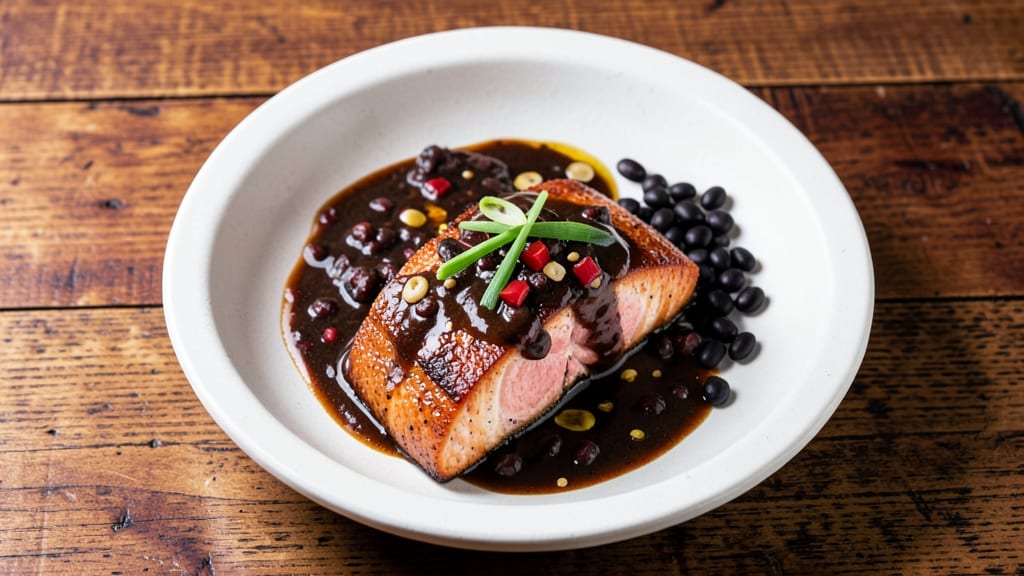
This steamed salmon black bean sauce recipe delivers a restaurant-quality meal with minimal effort, combining delicate fish with a rich, umami-packed sauce in one elegant pan.
The secret lies in balancing the natural sweetness of black beans with soy, garlic, and ginger—creating a sauce that perfectly complements the flaky texture of steamed salmon without overpowering it.
What makes this dish truly special is its simplicity: just 10 ingredients and 20 minutes of active time, yet the result feels indulgent. The black bean sauce develops deep, caramelized flavors while steaming, while the salmon remains moist and tender—no overcooking required.
This recipe is ideal for pescatarians or anyone craving a light yet satisfying weeknight dinner.
By the end, you'll have perfectly steamed salmon with a glossy, savory-sweet sauce clinging to every flake, served over steamed rice or fresh greens.
The sauce's subtle heat from red pepper flakes adds just enough depth to elevate the dish without dominating it—a perfect harmony of textures and flavors that feels both comforting and refined.
Pair it with roasted asparagus or a simple cucumber salad to round out the meal, or serve it as-is for a no-fuss, protein-packed dinner. The technique is foolproof, and the results consistently impress—even for first-time cooks. Let's get started with this balanced, one-pan masterpiece.
Ingredients for steamed salmon black bean sauce
Ten ingredients transform delicate salmon into a restaurant-quality meal with rich black bean sauce.
| Ingredient | Amount | Notes |
|---|---|---|
| Center-Cut Salmon Fillets 🐟 | 1 ½ lb | Skin-on, 6-8 oz each fillet |
| Canned Black Beans 🫘 | 15 oz | Low-sodium, drained and rinsed |
| Low-Sodium Soy Sauce 🍶 | ½ cup | For umami depth |
| Garlic Cloves 🧄 | 6 cloves | Minced, fresh preferred |
| Fresh Ginger 🌿 | 2 tbsp | Grated, aromatic |
| Red Bell Pepper 🍅 | 1 whole | Diced, vibrant color |
| Sesame Oil 🫒 | 1 tbsp | Toasted, for aroma |
| Red Pepper Flakes 🌶️ | ½ tsp | Adjust for heat preference |
| Extra-Virgin Olive Oil 🫒 | 1 tbsp | Light drizzle for pan |
| Diamond Crystal Kosher Salt 🧂 | 1 tsp | Fine grain, sea salt alternative |
| Steamed Jasmine Rice 🍚 | 2 cups | Cooked, for serving base |
The salmon quality is non-negotiable—wild-caught center-cut fillets steam perfectly without flaking. Look for bright pink flesh with minimal bruising at Whole Foods or your fishmonger; avoid pre-cut pieces with exposed edges. Black beans should be low-sodium—rinsing removes excess starch that can make the sauce gummy. For the soy sauce, Kikkoman or Pearl River Bridge brands deliver consistent umami without overpowering the dish.
No sesame oil? Toasted peanut oil works in a pinch, though the flavor profile shifts slightly. Substitute fresh ginger with 1 tsp ground ginger plus 1 tsp lemon juice if needed, but the texture differs. Red bell pepper can be swapped for carrots or zucchini—just adjust cooking time. The sauce's subtle heat comes from red pepper flakes; caffeine-free chili crisp adds complexity without overpowering. For extra richness, stir in 1 tbsp tahini at the end, but omit if serving to those avoiding sesame.
Prep the salmon and sauce components separately to streamline assembly—keep them at room temperature for 15 minutes before steaming. The sauce keeps 5 days refrigerated in an airtight container, while cooked rice reheats beautifully for 3 days. Portion the salmon into glass containers with parchment paper to prevent sticking; the sauce clings better when reheated gently over low heat with 1 tbsp water to restore gloss.
Why You'll Love This Recipe
- Steam It Fast: I’m talking 15 minutes from fridge to table—no fancy searing, no waiting for pans to heat. Just the salmon and beans nestled in a steamer basket while the sauce simmers below, all hands-off.
- Umami Bomb: That black bean sauce? It’s where the magic happens—deep, savory, and just a touch sweet from the soy and ginger. The garlic hits like a warm hug, and the ginger keeps it bright without overpowering.
- Weeknight Flex: Dinner for two? Done. Feeding a crowd? Double the batch. The leftovers reheat like a dream (microwave or stovetop), and it’s just as good cold for lunches—no one will guess it’s not fresh.
- Budget Win: Salmon feels fancy, but this recipe stretches it. Canned beans cut costs, and you’re using pantry staples (soy sauce, garlic, ginger) you already own. My grocery bill stays sane, but my dinner table doesn’t.
Step-by-step instructions for steamed salmon black bean sauce
This method delivers perfectly steamed salmon with a rich, balanced black bean sauce in one pan.
Prepare the Salmon and Aromatics
Pat the 1.5 lb center-cut salmon fillets dry with paper towels, removing any excess moisture. Season both sides generously with 1 tsp diamond crystal kosher salt and set aside. In a small bowl, combine the 6 cloves minced garlic cloves and 2 tbsp grated fresh ginger. This aromatic blend forms the flavor base for the sauce.
Heat a large skillet over medium heat and add 1 tbsp extra-virgin olive oil. Once the oil shimmers, add the garlic-ginger mixture and sauté for 1 minute until fragrant—this prevents the garlic from burning while building flavor. Remove from heat and set aside temporarily.
Build the Black Bean Sauce
In the same skillet, add 1 tbsp sesame oil and swirl to coat. Pour in the 0.5 cup low-sodium soy sauce and bring to a gentle simmer. Add the 15 oz drained and rinsed canned black beans and the 1 whole diced red bell pepper. Stir to combine, then reduce heat to low and let the mixture simmer for 5 minutes until the bell pepper softens slightly.
Return the garlic-ginger mixture to the skillet and stir well. Sprinkle in the 0.5 tsp red pepper flakes and toss to distribute evenly. The sauce should thicken slightly as it simmers, developing a deep umami flavor. Taste and adjust seasoning with additional soy sauce or salt if needed.
Steam the Salmon with Sauce
Arrange the seasoned salmon fillets skin-side down in the skillet, nestling them into the black bean mixture. Pour in ¼ cup water to create steam, then cover the skillet tightly with a lid. Steam over medium-low heat for 8-10 minutes until the salmon reaches an internal temperature of 145°F and flakes easily with a fork.
During steaming, the salmon absorbs the sauce's flavors while remaining moist and tender. Avoid lifting the lid prematurely—this disrupts the steam and can dry out the fish. The skin should turn opaque and lift away from the flesh when gently tested with a spatula.
Serve Over Steamed Jasmine Rice
Remove the salmon from the skillet and transfer it to a serving platter. Spoon the black bean sauce over the top, ensuring each fillet is generously coated. Serve immediately over 2 cups steamed jasmine rice, allowing guests to enjoy the harmonious balance of smoky, sweet, and savory flavors in every bite.
The rice acts as a neutral base that highlights the sauce's depth, while the salmon's delicate texture contrasts beautifully with the hearty black bean mixture. Garnish with additional red pepper flakes if desired, and pair with a simple green salad to complete the meal.
Pro Tips For Making Steamed Salmon Black Bean Sauce
- Prep Ginger Like a Pro: Use a microplane or very fine grater for the ginger—no, the knife isn’t good enough here. You want it almost paste-like so it dissolves into the black bean sauce instead of sitting in stubborn chunks. (I learned this the hard way when my first batch had texture issues.)
- Salt the Salmon First: Season the salmon at least 20 minutes before steaming—let it sit uncovered in the fridge while you prep the sauce. This keeps it from curling up or sticking to the parchment like a stubborn glue.
- Don’t Overcrowd the Steamer: Leave space between fillets—crowding turns steamed salmon into sad, uneven mush. If your steamer basket is tight, work in batches or use a wire rack over a pot to keep airflow.
- Simmer the Sauce Low: Once the black beans and soy sauce hit the pan, turn the heat to medium-low and let it bubble gently. High heat burns the garlic and makes the sauce bitter—this isn’t stir-fry, it’s a delicate balance. (Yes, even if you’re impatient like me.)
Flavor customization for this steamed salmon black bean sauce
Sweet-Spicy Heat Boost
For a bolder kick, add 1 tbsp of gochujang (Korean chili paste) to the sauce base while simmering. This deepens the umami and adds a smoky-sweet heat that pairs beautifully with salmon.
I like to balance it with 1 tsp honey to soften the intensity—trust me, the contrast is next-level. 🌶️
Citrus Brightness
Brighten the sauce with 2 tbsp fresh lime juice and 1 tbsp grated lime zest during the final minute of simmering. The acidity cuts through the richness, making the dish feel lighter and more vibrant.
I also add 2 tbsp chopped cilantro at the end for a fresh finish that elevates the entire plate.
Creamy Texture Twist
For a velvety texture, stir in 2 tbsp coconut milk or 1 tbsp tahini at the end of cooking. This adds richness without overpowering the salmon’s delicate flavor. I recommend using full-fat coconut milk for the best mouthfeel—it blends seamlessly with the black beans and soy sauce. 🥥
Umami Depth Upgrade
Boost the sauce’s complexity by adding 1 tbsp miso paste (white or red) when simmering the aromatics. The miso dissolves into the sauce, adding a savory depth that complements the salmon’s natural sweetness. For extra richness, top with 1 tsp toasted sesame seeds before serving.
Herbaceous Freshness
Infuse the sauce with 2 sprigs fresh thyme or 1 tbsp chopped dill while simmering. The herbs add a subtle earthiness that pairs wonderfully with the salmon’s natural flavors.
I especially love thyme—it’s aromatic and pairs beautifully with the ginger and garlic. Remove the sprigs before serving for a clean presentation.
Smoky Charred Notes
For a smoky twist, char 1 clove of garlic and ½ of the red bell pepper directly over a gas flame or under a broiler before dicing and adding to the sauce.
The charred flavor adds a campfire-like depth that contrasts beautifully with the salmon’s delicate texture. Just be sure to remove any burnt bits before adding to the pan.
Nutrition facts
Frequently asked questions
Can I use frozen salmon for this recipe?
Yes, but thaw it completely first. Place frozen salmon in a sealed bag and submerge in cold water for 30 minutes or use the microwave's defrost setting. Pat dry thoroughly before seasoning—any moisture will prevent proper steaming and create a soggy texture.
How do I adjust the sauce for spice sensitivity?
Start by reducing the red pepper flakes to ¼ tsp or omit them entirely. For mild heat, add ½ tsp sweet paprika instead—it adds color without spice. If you prefer no heat at all, simply skip the chili components entirely while keeping the sauce's umami depth through extra soy sauce or miso.
What if my salmon skin doesn't crisp up?
This happens when moisture remains on the skin or heat isn't consistent. Pat the salmon extra dry before seasoning, and ensure your skillet is on medium-low heat during steaming. For extra crispiness, place the salmon skin-side down on parchment paper first, then transfer to the skillet.
Can I make this recipe in an Instant Pot?
Yes! Sauté the aromatics and build the sauce as directed, then add ½ cup water and place the salmon on the trivet. Seal and cook on high pressure for 3 minutes—the salmon will cook perfectly while absorbing the sauce's flavors. Quick-release the pressure and serve immediately.
How do I store leftovers?
Store the salmon and sauce separately in airtight containers. The sauce keeps 5 days refrigerated, while salmon reheats best within 2 days. To reheat, gently warm the sauce over low heat with 1 tbsp water, then place the salmon in a skillet with the sauce for 2-3 minutes per side. Avoid microwaving—it dries out the fish.