
Beverages
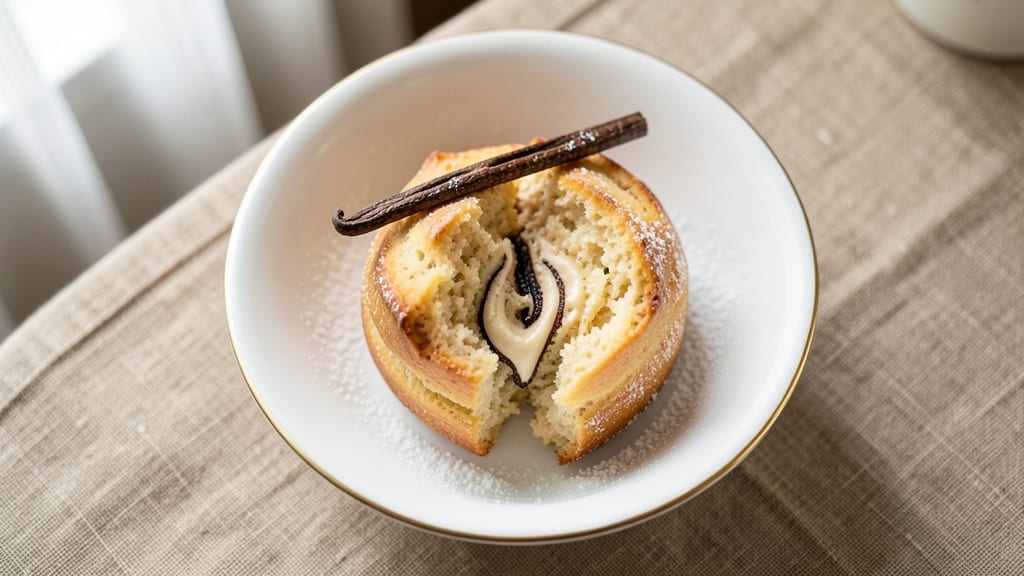
Recreating Starbucks' petite vanilla bean scones at home delivers that signature buttery crumb and fragrant vanilla aroma that makes them irresistible. The secret lies in cold butter cut into the flour for tender layers, combined with vanilla bean paste for that signature depth of flavor.
I've perfected this recipe after countless batches, ensuring every scone has that signature flaky texture and sweet vanilla swirls.
This recipe stays true to the original by using precise measurements—vanilla bean paste instead of extract, and a touch of almond extract for that subtle complexity. The dough comes together in minutes, then folds into itself for those signature layers before baking to a golden finish.
No special equipment needed, just patience and attention to detail during the folding process.
What you'll end up with are delicate, buttery scones with a tender crumb and pockets of vanilla swirls throughout. The aroma alone will have everyone asking where you got the recipe, and the taste is just as impressive.
Perfect for breakfast, afternoon tea, or as a sweet treat with your coffee.
Pair them with a cup of coffee or tea for the full Starbucks experience, or enjoy them plain to let the flavors shine. These scones freeze beautifully, so you can make a batch ahead and enjoy them all week. Let's get baking!
Ingredients for starbucks petite vanilla bean scone
Cold butter, vanilla bean paste, and a touch of almond extract—these are the magic trio for Starbucks-style scones.
| Ingredient | Amount | Notes |
|---|---|---|
| All-Purpose Flour 🌾 | 3 ½ cups | Sifted for light texture |
| Unsalted Butter 🧈 | 1 cup | Cold, cubed for flakiness |
| Granulated Sugar 🍚 | ½ cup | Plus 2 tbsp for swirls |
| Vanilla Bean Paste 🌿 | 2 tbsp | Not vanilla extract |
| Almond Extract 🌰 | ½ tsp | For subtle complexity |
| Large Eggs 🥚 | 1 whole | Room temperature |
| Whole Milk 🥛 | ½ cup | Cold for tenderness |
| Baking Powder 🍞 | 1 tsp | Aluminum-free preferred |
| Salt 🧂 | ½ tsp | Fine sea salt |
| Vanilla Sugar 🍬 | 2 tbsp | For extra vanilla aroma |
| Powdered Sugar 🍚 | ¼ cup | For dusting |
| Turbinado Sugar 🍬 | 2 tbsp | For sprinkling |
The butter is non-negotiable—European-style unsalted gives the best flavor, and Plugrá or Land O'Lakes are solid choices. Keep it cold (even in summer) or the dough gets tough. I grab mine from Whole Foods when I can, but the store brand works too. For the vanilla bean paste, Madagascar bourbon beans are ideal—they're sweeter and more aromatic than Tahitian. If you can't find paste, scrape seeds from a vanilla bean into the dough, but paste is worth hunting down. The almond extract? McCormick or Goya are reliable brands, but any pure extract will do.
No vanilla bean paste? Double the vanilla extract and add a pinch of sugar to mimic the sweetness. Short on almond extract? Vanilla extract plus a dash of maraschino cherry juice gets you close. The vanilla sugar can be made at home by mixing sugar with scraped vanilla bean seeds, but store-bought works too. For the turbinado sugar, Domino. The baking powder must be fresh—if it's over a year old, toss it. And if you're gluten-free? This isn't the recipe for you—gluten gives these scones their signature tender crumb.
Dough keeps for 2 days wrapped in plastic in the fridge. For longer storage, freeze the shaped (unbaked) scones on a tray, then transfer to a bag for up to 3 months. Baked scones reheat beautifully—wrap in foil and warm at 300°F for 5 minutes. I make a double batch every time—half for breakfast, half to freeze. The aroma alone when they come out of the oven? Worth every minute of folding.
Why You'll Love This Recipe
- No-Fuss Mix-In: I swear by this recipe because it’s just three bowls—flour, butter, and wet ingredients—no food processor, no fuss. The vanilla bean paste and almond extract do all the heavy lifting, so you’re not stuck measuring extracts or scraping seeds.
- Starbucks Worthy: That buttery crumb and the whisper of vanilla bean? It’s the kind of scone that makes you pause mid-bite. The almond extract adds a subtle sophistication—like a little secret—without overpowering the sweetness.
- Weekday Hero: These keep beautifully for days, so I bake a batch on Sunday and freeze half. Toast them straight from frozen for a quick breakfast or snack—no reheating, just freshness. (Yes, even on a Tuesday night.)
- Budget Luxury: You’re getting that signature Starbucks taste for a fraction of the cost. A vanilla bean paste pod lasts forever, and the almond extract stretches into other recipes. It’s the kind of treat that feels indulgent without breaking the bank.
Step-by-Step instructions for Starbucks petite vanilla bean scone recipe
Here's how to create those signature Starbucks-style vanilla bean scones with perfect layers and swirls.
Prepare the Dough with Cold Butter
In a large mixing bowl, combine the 3.5 cups all-purpose flour, 1 tsp baking powder, and 0.5 tsp salt. Whisk gently to distribute evenly. Cut in the 1 cup cold unsalted butter using a pastry cutter or your fingers until the mixture resembles coarse crumbs with pea-sized butter pieces remaining.
This cold butter technique is crucial—it creates those beautiful flaky layers when baked. If the butter starts to melt too quickly, chill the bowl for 5 minutes before continuing. Add the 0.5 cup granulated sugar and 2 tbsp vanilla sugar to the flour mixture and stir until just combined.
Add Wet Ingredients and Mix Until Combined
In a separate bowl, whisk together the 1 whole large egg, 0.5 cup cold whole milk, 2 tbsp vanilla bean paste, and 0.5 tsp almond extract. Pour this mixture into the flour-butter combination and gently stir with a wooden spoon until just combined. Avoid overmixing—you should still see some dry flour spots.
Once the dough comes together, turn it out onto a lightly floured surface and knead gently 4-5 times just to bring it together. The dough should be slightly shaggy but hold its shape when pressed. Divide the dough into 2 equal portions and flatten each into a 1-inch thick rectangle.
Create the Vanilla Swirls and Shape the Scones
Take one dough rectangle and roll it out to about 1/4-inch thickness. Sprinkle evenly with 2 tbsp turbinado sugar (plus the extra 2 tbsp from the ingredients list). Roll up tightly from the long side, then slice into 12 equal pieces about 1-inch thick. Repeat with the second dough portion.
Place each scone piece on a parchment-lined baking sheet, spacing them about 1 inch apart. The turbinado sugar will caramelize slightly during baking, adding that signature Starbucks crunch. Brush the tops lightly with a bit of milk for extra shine if desired.
Bake to Golden Perfection
Preheat your oven to 375°F. Bake the scones for 12-15 minutes until the edges are golden brown and the tops are just beginning to crack. Rotate the baking sheet halfway through for even baking.
You'll know they're perfectly done when a toothpick inserted into the center comes out clean. Immediately transfer the scones to a wire rack to cool for 10 minutes. While still warm, dust generously with 0.25 cup powdered sugar for that signature sweet finish.
Serve Warm for Maximum Enjoyment
Serve the scones warm with your favorite tea or coffee. The layers should be tender yet slightly crisp, with pockets of vanilla bean flavor throughout. For extra indulgence, pair with whipped cream or a drizzle of vanilla glaze.
These scones keep well at room temperature for 2 days in an airtight container, though they're best enjoyed fresh from the oven. The vanilla bean paste and almond extract create that authentic Starbucks flavor profile that's hard to replicate!
Pro Tips For Making Starbucks Petite Vanilla Bean Scone
- CHILL THE DOUGH: The recipe’s magic happens when the butter stays cold—don’t skip the fridge time. After mixing, flatten the dough into a 1-inch disc, wrap it tightly in plastic, and refrigerate for at least 30 minutes (yes, even if you’re eager). I learned this the hard way when my scones turned out greasy and dense—I was in such a rush to bake them.
- SCRAPE THE VANILLA: That vanilla bean paste isn’t just for flavor—it’s for texture. After mixing it into the wet ingredients, scrape the sides of the bowl with a rubber spatula to ensure every bit of those tiny seeds gets distributed. I used to just stir and wonder why my scones tasted uneven; now I make sure the paste is fully incorporated before moving on.
- DON’T OVERHANDLE THE DOUGH: The moment you start kneading or pressing the dough too much, you’re fighting the recipe’s purpose. Cut through it with a sharp knife or bench scraper instead of folding—this keeps the crumb tender and the layers distinct. I was guilty of overworking it, thinking more mixing would make it better, but that’s how you end up with tough, flat scones.
- USE A LIGHT HAND WITH ALMOND EXTRACT: A little goes a long way—start with just ½ teaspoon of almond extract and taste as you go. Too much, and your scones will taste like perfume instead of vanilla-almond harmony. I’ve ruined batches by overdoing it, so now I add it gradually and stop when the scent is subtle but present.
Troubleshooting your starbucks petite vanilla bean scone
Dough Too Sticky
If your dough feels too sticky or wet, you've likely overmixed or added too much milk. I find this happens when using whole milk at room temperature—always keep it cold. For quick fixes, add 1-2 tbsp more flour at a time until the dough holds together when pressed.
If it's still too wet, chill the dough for 15-20 minutes before shaping. The key is to handle it minimally—just enough to bring it together. 💡
Scones Spread Too Much
Excessive spreading usually means your oven runs hot or the scones are overproofed. First, verify your oven temperature with an oven thermometer—many run 25-50°F hotter than set. If your oven is accurate, place the scones on a parchment-lined baking sheet with extra space between them.
Chill the shaped scones for 10 minutes before baking to slow early spreading. I also recommend baking on the middle rack where heat is most even.
Vanilla Flavor Weak
The vanilla flavor might be muted if you used vanilla extract instead of paste, or if the paste wasn't distributed properly. For stronger vanilla, scrape a fresh vanilla bean into the dough alongside the paste.
If you're using paste, make sure to mix it thoroughly with the wet ingredients before combining with the dry. I also recommend adding an extra ½ tsp almond extract for depth—this was the missing piece in my early batches. Store vanilla paste in the fridge to preserve its potency.
Dry or Crumbly Texture
Overworking the dough or using too much flour can create a dry, crumbly texture. The dough should be just shy of coming together—it's okay if it looks shaggy. If you've already added extra flour, try adding 1 tbsp cold milk or heavy cream to bring it back.
For future batches, measure flour by spooning it into the cup and leveling off—don't scoop directly from the bag. Also, ensure your butter is truly cold before cutting it into the flour.
Sugary Top Too Dark
The turbinado sugar caramelizing too much creates that dark top. To prevent this, reduce baking time by 1-2 minutes and check for doneness earlier.
If you prefer a lighter color, sprinkle the sugar after the scones have baked for 10 minutes, then return to the oven for 2-3 minutes to melt just enough for crunch. I also recommend using fine turbinado sugar (like Domino's) for even distribution.
For extra shine, brush tops with a bit of milk before baking.
Scones Too Dense
Dense scones often result from overmixing or using warm butter. The butter must be cold enough to hold its shape when cut into the flour—if it melts too quickly, chill the bowl for 5-10 minutes.
Also, avoid pressing down on the dough when shaping—gently roll and slice instead. For extra tenderness, I recommend adding 1 tbsp sour cream to the wet ingredients. This was the game-changer in my texture issues.
Nutrition facts
Frequently asked questions
Can I make these scones without vanilla bean paste?
Yes! Use 2 tbsp vanilla extract plus 1 tbsp granulated sugar to mimic the sweetness and depth. For extra authenticity, scrape seeds from a 1 vanilla bean into the dough alongside the extract. The almond extract remains key for that signature Starbucks complexity.
How do I store leftover scones?
Keep them in an airtight container at room temperature for 2 days or freeze unbaked shaped scones for up to 3 months. To reheat, wrap in foil and warm at 300°F for 5 minutes. The texture stays best when fresh, but they're still delicious reheated!
Why do your scones taste different from Starbucks?
Starbucks uses proprietary ingredients and baking techniques, but this recipe captures their signature flavor profile through vanilla bean paste and almond extract. The key differences are in the butter quality and baking time—European-style butter and precise oven temperature are crucial for that authentic taste.
Can I make these gluten-free?
This recipe relies on gluten for its signature tender crumb, so a direct gluten-free adaptation won't yield the same results. For a lighter texture, try a 1:1 gluten-free flour blend with xanthan gum, but expect a denser final product. The vanilla flavor will still shine through!
What's the secret to perfect layers?
The magic happens with cold butter cut into the flour and minimal handling during mixing. Chill the dough briefly if needed, and avoid pressing when shaping. The folding technique in Step 3 creates those signature layers—keep it gentle to prevent tough scones.