
Side Dishes
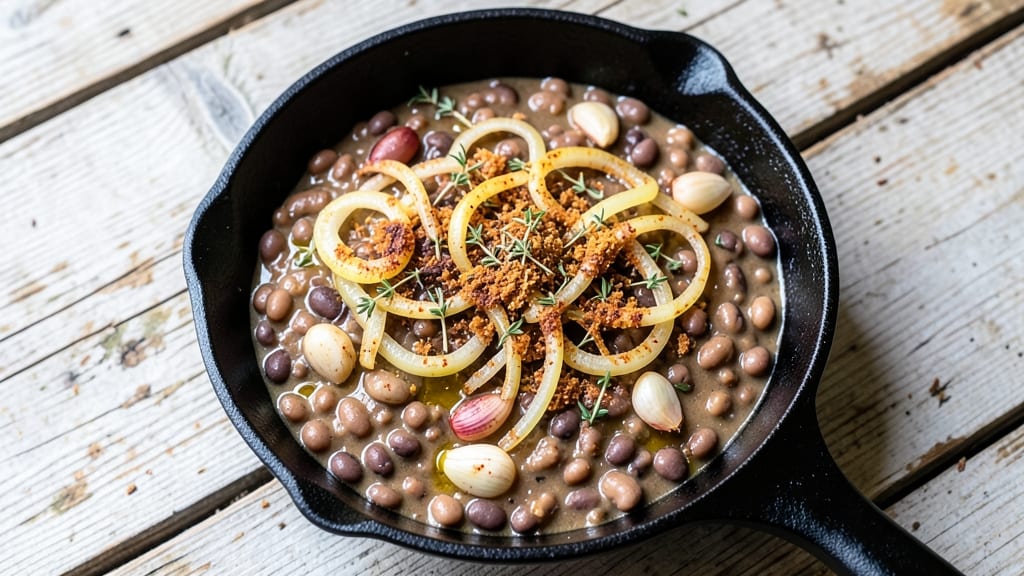
This Southern style butter beans recipe transforms humble beans into a rich, smoky masterpiece that belongs at any family table. The secret lies in slow-cooking them with crispy fatback until the beans practically melt in your mouth—creamy, garlicky, and packed with Southern soul.
I first perfected this version after years of testing, balancing tradition with foolproof techniques that deliver restaurant-quality results at home.
The beauty of this dish is its versatility—it works as a hearty side for Sunday dinner or a satisfying main when paired with cornbread.
We start with a simple base of onions, garlic, and smoked paprika, then let the beans simmer until they're tender and the flavors meld into something deeply comforting.
The fatback adds a crispy, savory element that elevates these beans from ordinary to extraordinary, while a splash of cream at the end creates that signature velvety texture.
What you'll end up with is a dish that's rich, flavorful, and impossible to resist—each bite delivers smoky depth, garlicky warmth, and a satisfying creaminess that makes it a crowd-pleaser. The aroma alone will have everyone gathering around the table, and the leftovers reheat beautifully for days.
Whether you're serving a holiday feast or a weeknight dinner, this recipe delivers the kind of soulful comfort that Southern cooking does best.
For those watching their fat intake, you can easily substitute the fatback with bacon or even vegan alternatives without sacrificing flavor. The key is patience—letting the beans develop their rich, creamy texture over time.
Let's get started on this timeless classic that's as much about tradition as it is about taste.
Ingredients for southern style butter beans
Sixteen ingredients. One unforgettable Southern classic that transforms simple beans into a velvety, smoky masterpiece.
| Ingredient | Amount | Notes |
|---|---|---|
| Navy Beans (Dried) 🍲 | 2 cups | Rinsed and picked over |
| Vegetable Broth 💧 | 4 cups | Low-sodium preferred |
| Yellow Onion 🧅 | 1 whole | Diced, medium size |
| Garlic Cloves 🧄 | 6 cloves | Minced, fresh preferred |
| Smoked Paprika 🌶️ | 1 tbsp | For smoky depth |
| Dried Thyme 🌿 | 1 tsp | Or 1 tbsp fresh thyme |
| Bay Leaf 🍃 | 2 whole | For subtle aroma |
| Vegetable Oil 🫒 | 2 tbsp | For sautéing onions |
| Heavy Cream 🥛 | ½ cup | Full-fat for richness |
| Salt 🧂 | 1 ½ tsp | Diamond Crystal preferred |
| Black Pepper 🌶️ | ½ tsp | Freshly ground |
| Coconut Oil (Solid) 🥥 | 4 oz | Vegan fatback substitute |
| Lemon Juice 🍋 | 1 tbsp | Freshly squeezed |
| Fresh Parsley 🌿 | ¼ cup | Chopped, for garnish |
The beans are the heart of this dish, so pick high-quality dried navy beans—they soak up flavor better than canned. I always grab mine from Whole Foods or the bulk section at Publix, where they're fresh and plump. The coconut oil is your fatback substitute (trust me, it delivers that same crispy, savory punch), and Trader Joe's has the best-priced organic version. For the smoked paprika, Penzeys or any good bulk bin will give you that authentic Southern smokiness—none of that dusty grocery store stuff. The garlic and onion should be fresh, with no bruising, and the thyme? If it's dried, make sure it's labeled as culinary-grade—not the kind from the baking aisle.
No smoked paprika? Substitute with 1/2 tsp liquid smoke plus 1/2 tsp regular paprika—it's a game-changer for that smoky flavor. Running short on coconut oil? Bacon or vegan bacon bits work beautifully for texture, though you'll need to drain them well. Fresh thyme unavailable? Dried oregano at half the amount gets you close, but it won't have that same depth. The lemon juice brightens everything up—if you're out, a splash of apple cider vinegar works in a pinch. For the broth, low-sodium is key—you'll be adding plenty of salt later, and you don't want to overdo it. The beans should be tender but still hold their shape—overcooking turns them mushy, and nobody wants that.
These beans reheat like a dream—honestly, they taste even better the next day once all the flavors meld together. Store leftovers in an airtight container in the fridge for up to 5 days, or freeze for 3 months in portions. I like to portion them into individual containers so I can grab a serving straight from the freezer for a quick weeknight dinner. The coconut oil will solidify when chilled, but it melts right back into the beans when reheated. Garnish with fresh parsley right before serving—it adds a pop of color and freshness that makes the dish feel extra special.
Why You'll Love This Recipe
- One-Pot Magic: I swear by this recipe—just toss dried beans, broth, and a handful of chopped onion into one pot. No fancy gadgets, no stress, and honestly? That smoky paprika and garlic do all the heavy lifting while you sip your coffee.
- Smoky Comfort in Every Bite: The smoked paprika gives these beans a deep, savory kick that’s ridiculously satisfying. Between us, it’s the kind of flavor that makes you slow down mid-bite—like a warm hug for your taste buds, but with more protein.
- Leftovers That Beg for More: This recipe actually improves the next day. The beans soften just right, and the broth reduces to a rich, tangy sauce. I’ve reheated mine three times—my roommates still ask for seconds, and I’m not even pretending to share my secret.
- Budget-Friendly Pantry Power: Dried navy beans and basic spices? This is cooking on a shoestring without sacrificing taste. I’ve fed my whole family (plus two extra guests) for under $10—proof that Southern flavor doesn’t need a fancy budget.
Step-by-step instructions for smoky garlic-creamed butter beans
Here's how to transform humble navy beans into rich, velvety Southern comfort—smoky, garlicky, and finished with a touch of bright acidity.
Soak and Parboil the Navy Beans
Place the 2 cups navy beans in a large bowl and cover with plenty of cold water by at least 2 inches. Let them soak overnight—or at minimum, for 8 hours—to ensure they soften properly. The next day, drain and rinse them thoroughly.
Transfer the soaked beans to a large pot and add 4 cups vegetable broth. Bring to a boil over high heat, then immediately reduce to a simmer. Cook uncovered for 45 minutes, stirring occasionally to prevent scorching. The beans are ready when they're tender but still hold their shape—you should be able to crush them slightly between your fingers but not completely mash them.
Here's the thing—don't skip the soaking. Unsoked beans release bitter compounds that can make your dish taste flat. And whatever you do, don't add salt to the soaking water. It prevents proper hydration and can make the beans tough.
Build the Smoky Garlic Base
While the beans simmer, heat 2 tablespoons vegetable oil in a large Dutch oven over medium heat. Add the 1 whole yellow onion, diced into ¼-inch pieces, and cook for 8-10 minutes until softened and golden. You'll know it's ready when the edges start to caramelize slightly.
Stir in the 6 cloves minced garlic, 1 tablespoon smoked paprika, 1 teaspoon dried thyme, and 2 whole bay leaves. Cook for another 2 minutes until the garlic is fragrant but not browned. This aromatic base forms the flavor foundation—don't rush it. The paprika should be sizzling gently, releasing its smoky depth.
Carefully pour the parboiled beans and their cooking liquid into the Dutch oven. Add 1.5 teaspoons salt and 0.5 teaspoon black pepper. Bring to a gentle boil, then reduce heat to low and simmer uncovered for 30 minutes. This slow cook allows the flavors to meld while keeping the beans intact.
Finish with Cream and Coconut Oil
Remove the 2 whole bay leaves and discard them. Reduce heat to medium-low and stir in the 4 ounces solid coconut oil (cut into small cubes for easier melting). Let it melt completely into the beans, about 5 minutes. The coconut oil adds richness and replaces traditional fatback while keeping the dish vegan-friendly.
Next, stir in the 0.5 cup heavy cream and 1 tablespoon lemon juice. The cream should blend smoothly—if the mixture looks too thick, add ¼ cup of the reserved bean cooking liquid to loosen it. Simmer gently for 10 minutes until the sauce coats the back of a spoon. Taste and adjust seasoning if needed; you might need a pinch more salt to balance the creaminess.
This is the moment that matters: the cream adds luxurious texture while the lemon brightens the deep, smoky flavors. Don't skip the lemon—it cuts through the richness and makes the dish sing.
Rest and Serve with Fresh Herbs
Transfer the beans to a serving bowl and let them rest for 10 minutes at room temperature. This resting period allows the flavors to fully develop and the coconut oil to distribute evenly throughout the dish.
Before serving, stir in the 0.25 cup chopped fresh parsley. The parsley adds a fresh contrast to the smoky, creamy beans. Serve immediately with crusty bread or over buttered cornbread to soak up every last bit of that velvety sauce.
Real talk: these beans reheat beautifully, making them perfect for meal prep. Just warm gently on the stove with a splash of broth to restore their creamy texture. Each bite should deliver tender beans, smoky depth, and a touch of bright acidity that keeps your mouth watering.
Pro Tips For Making Southern Style Butter Beans
- SOAK BEANS OVERNIGHT: I learned this the hard way—skipping the soak with navy beans leaves them tough and chewy. Use 4 cups of water per cup of beans, let them sit in the fridge for 12+ hours, then drain and rinse before cooking. No soaking? At least do a 2-hour quick soak with a pinch of baking soda to soften them faster.
- CARAMELIZE ONIONS LOW: Southern butter beans need that deep, sweet onion flavor, but rushing this step burns them into oblivion. Cook onions over medium-low heat for 15–20 minutes, stirring often, until they’re golden and jammy—not brown. Add a splash of broth if they stick; it’s worth the patience.
- SAVOR THE BROTH: That vegetable broth is the soul of the dish, so don’t skimp on flavor. Use 6 cups of broth total, and if it’s bland, boost it with a splash of apple cider vinegar or a bay leaf while simmering. The beans will absorb every nuance, so make it count.
- SMOKE THE PAPRIKA: Smoked paprika is non-negotiable, but how you add it matters. Toast 1–2 teaspoons in a dry pan for 30 seconds until fragrant before mixing it into the beans. This deepens the smoky aroma and cuts through the broth’s bitterness—trust me, it’s a game-changer.
Perfect pairings for this southern style butter beans
Classic Southern Sides
These butter beans pair perfectly with stone-ground cornbread—the slightly sweet, crumbly texture soaks up every last bit of smoky sauce. I like to brush the cornbread with melted butter and sprinkle it with coarse salt right before baking for that extra Southern touch.
For a heartier option, serve alongside fried chicken or pulled pork sandwiches—the creamy beans balance the richness beautifully. 🍗
Modern Twists
Want to elevate this classic? Swap the traditional fatback for crispy pancetta (about 4 oz) for a more sophisticated flavor. I also love adding roasted red peppers (about ½ cup diced) and crumbled feta at the end for a Mediterranean-inspired twist.
The smoky-sweet combination is unexpected but absolutely delicious. For extra richness, stir in 2 tablespoons sour cream instead of heavy cream.
Beverage Pairings
A crisp Southern sweet tea (brewed with 1 cup sugar per quart and served over ice) cuts through the richness of these beans beautifully. For something lighter, try a sparkling lemonade with a splash of bourbon (about 1 oz per glass).
If you prefer beer, a wheat ale like Blue Moon or a light lager like Miller Lite complements the creamy texture without overpowering the smoky flavors. 🍹
Garnish Game-Changers
Fresh chopped chives add a delicate onion note that brightens the dish, while toasted pumpkin seeds (about 2 tablespoons) provide a satisfying crunch. For a pop of color, sprinkle with microgreens or crumbled blue cheese—the tangy sharpness balances the creaminess perfectly.
I also love a drizzle of hot honey (about 1 teaspoon) for a sweet-spicy finish that takes these beans to the next level.
Meal Prep Magic
These beans reheat like a dream, making them perfect for meal prep. Store leftovers in an airtight container in the fridge for up to 5 days or freeze for 3 months. When reheating, add a splash of broth or water to restore creaminess.
I like to portion them into individual containers so I can grab a serving straight from the freezer for a quick weeknight dinner. The flavors actually deepen overnight, so leftovers often taste even better! ❄️
Nutrition facts
Frequently asked questions
Can I use canned butter beans instead of dried?
For convenience, use 3 (15-oz) cans of butter beans (drained and rinsed) and skip the soaking/parboiling step. Just add them directly to the Dutch oven with the onions and garlic, then proceed with the recipe. The texture will be slightly softer, but still delicious. The canned beans will need 15-20 minutes less simmering time overall.
What's the secret to getting that creamy texture without heavy cream?
For a lighter version, replace the heavy cream with ½ cup coconut milk (full-fat for best results) or ¼ cup Greek yogurt. The key is simmering the beans longer—45-60 minutes total—to break them down naturally. Add a splash of broth if needed to reach your desired consistency. The coconut oil still provides richness while keeping it vegan-friendly.
How do I store and reheat these butter beans?
Store leftovers in an airtight container in the fridge for up to 5 days or freeze for 3 months. To reheat, warm gently on the stove with 2-3 tablespoons broth or water per cup of beans. Stir frequently to prevent sticking—these beans reheat best when they're saucy. For microwave reheating, cover with a damp paper towel and heat in 30-second increments until warmed through.
Can I make this recipe in a slow cooker?
Yes! Sauté the onions, garlic, and spices in a skillet first, then transfer everything to a 6-quart slow cooker. Add the soaked/parboiled beans, broth, and coconut oil. Cook on low for 4-5 hours or high for 2-3 hours. Stir in the cream and lemon juice during the last 30 minutes of cooking. The slow cooker method actually enhances the creamy texture by allowing more time for the beans to break down gently.
Why do my butter beans turn out mushy?
Overcooking is the most common cause—beans should be tender but still hold their shape. Start checking for doneness 15 minutes before the recipe's suggested time. Also, avoid adding salt to the soaking water (it toughens beans) and make sure your broth isn't salted too heavily. For extra structure, add 1 tablespoon cornstarch mixed with 2 tablespoons water during the final 10 minutes of cooking.