
Side Dishes
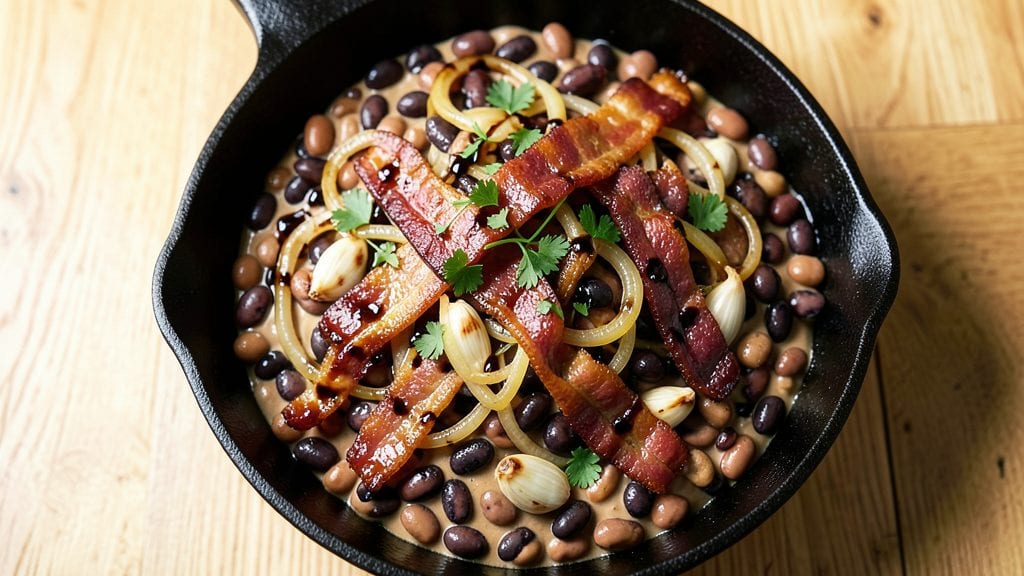
This shipwreck beans recipe transforms humble ingredients into a rich, molasses-kissed side dish with deep Southern roots and smoky bacon notes. The slow-simmering process develops layers of flavor that turn simple beans into a hearty centerpiece worthy of any table.
I've perfected this version over years of testing, balancing sweetness and savory depth for a dish that's both comforting and impressive.
The beauty of shipwreck beans lies in their versatility and the way simple techniques create restaurant-quality results. You'll start with dried beans that soak overnight, then simmer with bacon, onions, and a touch of molasses that caramelizes beautifully.
The key is patience—letting the flavors meld over hours transforms basic ingredients into something extraordinary. This recipe delivers a perfect balance of textures and flavors that work equally well as a side or main dish.
What makes this recipe special is how the molasses and bacon create a harmonious blend that's both sweet and smoky. The beans emerge tender yet holding their shape, coated in a sauce that's rich yet not overly heavy.
Each bite delivers that perfect combination of flavors that makes this dish a classic. Whether you're serving it alongside grilled meats or using it as a hearty vegetarian main, shipwreck beans bring warmth and satisfaction to every meal.
This dish pairs beautifully with cornbread, rice, or even as a standalone meal with crusty bread. The slow cooking process makes it ideal for meal prep, as the flavors actually improve over time. Let's create this comforting classic that brings Southern hospitality to your kitchen.
Ingredients for shipwreck beans
Sixteen ingredients transform into a soul-warming dish that balances sweet, smoky, and savory notes perfectly.
| Ingredient | Amount | Notes |
|---|---|---|
| Dried Navy Beans 🌾 | 2 cups | Uncooked, soaked overnight |
| Thick-Cut Bacon 🥓 | 1 ½ lb | Smoked or unsmoked preferred |
| Yellow Onions 🧅 | 2 whole | Medium, thinly sliced |
| Molasses 🍯 | ½ cup | Unsulphured preferred |
| Garlic Cloves 🧄 | 4 cloves | Minced for depth |
| Apple Cider Vinegar 🍏 | 2 tbsp | For tangy brightness |
| Bay Leaves 🍃 | 2 whole | Fresh or dried |
| Salt 🧂 | 1 ½ tsp | Kosher or sea salt |
| Black Pepper 🌶️ | ½ tsp | Freshly ground preferred |
| Ground Black Pepper 🌶️ | ½ tsp | For finishing |
| Water 💧 | 8 cups | For soaking and cooking |
| Butter 🧈 | 2 tbsp | Unsalted, for richness |
| Hot Sauce 🔥 | 1 tbsp | Optional, for heat |
| Fresh Parsley 🌿 | ¼ cup | Chopped, for garnish |
The beans are the foundation, and navy beans deliver that classic texture—firm yet tender. Soak them overnight (or quick-soak for 2 hours) in plenty of water—at least 8 cups—to ensure they cook evenly. Costco or bulk bins often have the best prices for dried beans, but any reputable grocery store carries them. For bacon, thick-cut smoked bacon adds the deepest flavor, though unsmoked works too. The molasses? Unsulphured is key—it caramelizes better and won’t overpower the dish. Grab a small bottle from the baking aisle; it’ll last for years.
No molasses? Maple syrup or honey work in a pinch, but molasses gives that signature depth. Short on bacon? Smoked paprika at half the amount mimics the smokiness, though nothing beats real bacon. Fresh bay leaves are ideal, but dried work fine at one-third the quantity. The onions can be swapped for shallots if you prefer a milder flavor. For extra richness, butter instead of oil when cooking the onions—it adds a layer of complexity. And if you’re feeling adventurous, a splash of bourbon or coffee in the final simmer elevates the dish to new heights.
This dish tastes even better the next day—flavors meld beautifully after resting. Store in an airtight container in the fridge for up to 5 days, or freeze portions for 3 months. I like to make a double batch and freeze half; it’s perfect for lazy weeknights. The beans hold up well when reheated, though a splash of water or broth helps revive the sauce. Garnish with fresh parsley just before serving—it adds a pop of color and freshness that balances the richness.
Why You'll Love This Recipe
- No-Soak Needed: I’ll be real—soaking beans stresses me out. These navy beans? Just toss them in a pot with water, a pinch of salt, and let them simmer while you cook the bacon. No fancy prep, no waiting around.
- Molasses Magic: That dark, sticky sweetness from the molasses? It’s the secret weapon. One spoonful transforms the beans from basic to ridiculously good—deep, caramelized flavor that lingers like a hug from a slow-cooker.
- Potluck Star: Between us, this dish travels better than most. Cold or warm, it’s a crowd-pleaser at picnics or holiday gatherings. Plus, the bacon bits stay crispy even after hours—no sad, soggy sides here.
- Budget-Friendly Feast: Dried beans and thick-cut bacon stretch this recipe into a full meal for four (or more) without breaking the bank. Leftovers? Even better—taste just as good reheated, so you’re basically making two meals for the price of one.
Step-by-step instructions for slow-simmered molasses and bacon harmony
This rich, smoky bean dish builds flavor through patience and precision—every step matters for that perfect balance.
Prepare the Beans for Maximum Texture
Rinse the 2 cups dried navy beans thoroughly under cold water to remove any debris. Place them in a large bowl and cover with the 8 cups water by at least 2 inches. Let them soak overnight at room temperature—this ensures even cooking and prevents tough texture. I like to add a pinch of salt to the soaking water, but don't worry if you forget; the beans will still soften properly.
After soaking, drain the beans and rinse them again. This removes excess starch that can make the beans gummy during cooking. Transfer them to a heavy-bottomed pot—they'll need space to expand as they cook. The beans should be completely submerged in fresh water before you begin simmering, so add enough water to cover them by about 1 inch.
Render the Bacon and Build the Flavor Base
Cut the 1.5 lb thick-cut bacon into ½-inch pieces and place them in a large skillet over medium heat. Cook undisturbed for 5-7 minutes until the fat begins to render and the edges turn golden. This initial rendering creates the rich, smoky foundation for the dish. Once the bacon is halfway cooked, add the 2 whole yellow onions (thinly sliced) and cook for another 5 minutes until the onions soften and begin to caramelize.
Remove the bacon and onions with a slotted spoon and set them aside, leaving the rendered fat in the skillet. This fat is pure flavor—don't drain it. Add the 4 cloves minced garlic to the skillet and cook for 30 seconds until fragrant. Here's where the magic starts: pour in the 0.5 cup molasses and let it bubble for 1 minute until it darkens slightly and becomes glossy. This caramelization deepens the molasses flavor significantly.
Combine and Simmer for Deep Flavor Development
Add the drained beans, bacon, and onions back to the skillet along with the 2 tbsp apple cider vinegar, 2 whole bay leaves, 1.5 tsp salt, and 0.5 tsp black pepper. Stir everything together to coat the beans evenly with the molasses mixture. Transfer the entire contents to the pot with the beans, adding enough water to cover everything by about 1 inch.
Bring the mixture to a gentle boil over medium-high heat, then immediately reduce to a low simmer. The key here is patience—cover the pot and let it cook for 1.5 to 2 hours, stirring occasionally. You'll notice the beans will eventually break down slightly, releasing their starch and creating a thick, saucy consistency. The dish should smell rich and smoky with a sweet undertone from the molasses.
Finish with Richness and Garnish
Once the beans are tender (they should be easily crushed between your fingers), stir in the 2 tbsp butter and 1 tbsp hot sauce. The butter adds luxurious richness while the hot sauce introduces a subtle heat that balances the sweetness. Taste and adjust seasoning if needed—you might want to add a bit more salt or black pepper to suit your preference.
Remove the bay leaves and let the beans sit off the heat for 5 minutes before serving. This resting period allows the flavors to meld completely. Garnish each serving with the 0.25 cup chopped fresh parsley and an extra sprinkle of 0.5 tsp ground black pepper. The parsley adds freshness that cuts through the richness, while the pepper enhances the smoky depth of the dish.
Pro Tips For Making Shipwreck Beans
- Parboil Beans Twice: Start by simmering dried navy beans in fresh water for 2 hours, then drain and rinse. After adding them back to the pot with bacon and onions, give them a second 10-minute simmer before reducing heat—this cuts cooking time by 30 minutes and prevents mushy beans.
- Render Bacon Low: Cook thick-cut bacon at 300°F (not sizzling) until the fat pools but the meat’s still slightly firm—about 15 minutes. Crisp it up later in the dish; this keeps the bacon flavor intact while building the sauce.
- Sweat Onions Slow: Caramelize onions over medium-low heat for 20 minutes until deep gold, not brown. Skip the high heat—it burns before the onions soften, and you’ll lose that sweet molasses balance.
- Stir Molasses Early: Whisk molasses into the pot before the beans fully absorb the bacon fat. This prevents clumping and lets the syrup mingle evenly—adding it later risks a sticky, uneven finish.
Flavor customization for shipwreck beans
Sweet vs. Spicy Balance
Adjust the molasses-to-spice ratio to suit your taste. For a sweeter profile, reduce the hot sauce to ½ tbsp and add 1 tsp cinnamon while simmering. For heat lovers, increase hot sauce to 2 tbsp and add ½ tsp cayenne pepper at the end.
I find Penzeys brand hot sauces add the best depth of flavor. 🌶️
Smoky Depth Variations
Swap the bacon for smoked sausage like kielbasa or andouille for a different smoky profile. For a vegetarian option, use ½ cup liquid smoke (like Colonial liquid smoke) mixed into the cooking liquid.
Add 1 tbsp smoked paprika to intensify the smokiness without meat. The beans absorb these flavors beautifully.
Umami Boosters
Add depth with 1 tbsp soy sauce or 2 tbsp Worcestershire sauce during the final simmer. For extra richness, stir in 2 tbsp tomato paste with the molasses. These ingredients enhance the savory notes while complementing the sweetness. I often use Annie's brand tomato paste for its concentrated flavor.
Herb and Aromatic Swaps
Replace bay leaves with 1 sprig thyme or ½ tsp dried thyme for an earthier flavor. Fresh rosemary (1 sprig) adds piney brightness. For a citrus twist, add zest from 1 orange during the final 10 minutes of cooking. The acidity brightens the molasses perfectly.
Texture Adjustments
For creamier beans, mash ¼ of the cooked beans with a fork before adding back to the pot. For extra crunch, stir in ¼ cup toasted pecans or walnuts at the end.
I like the contrast of creamy beans with crunchy nuts. Toast the nuts in a dry skillet for 3 minutes before adding.
Regional Twists
In the South, this dish often includes ham hocks for a meatier version. For a Caribbean-inspired take, add 1 scotch bonnet pepper (seeded) and 1 tsp allspice during cooking. The heat and spice create a completely different flavor profile that still maintains the bean's heartiness. 🌴
Nutrition facts
Frequently asked questions
Why does this recipe use molasses instead of brown sugar?
Molasses creates a deeper, more complex flavor profile that caramelizes beautifully during cooking. Unlike brown sugar, it adds a rich, slightly bitter sweetness that balances perfectly with the smoky bacon. The slow simmer lets the molasses develop layers of flavor that transform simple beans into something extraordinary.
Can I make shipwreck beans without bacon?
For a vegetarian version, use ½ cup liquid smoke or 1 tbsp smoked paprika to mimic the smoky flavor. You can also add 2 tbsp soy sauce during the final simmer for extra umami depth. The beans will still be delicious and hearty without the meat.
How do I know when the beans are fully cooked?
The beans are done when they're tender but still hold their shape—easily crushed between your fingers. This usually takes 1.5 to 2 hours of simmering. If they're still firm after that time, add ½ cup more water and cook another 20 minutes. Overcooking can make them mushy, so check frequently during the last 30 minutes.
What's the best way to store leftovers?
Store in an airtight container in the fridge for up to 5 days. The flavors actually improve as they sit! For longer storage, freeze portions for 3 months. When reheating, add a splash of water or broth to revive the sauce. These beans reheat beautifully and make great meal prep for busy weeks.
Can I use canned beans instead of dried?
While possible, dried beans develop much better texture and flavor. If you must use canned, drain and rinse them thoroughly, then simmer in the recipe for 30-45 minutes to absorb the molasses and bacon flavors. For best results, stick with dried beans—they create that perfect tender-yet-firm texture that makes this dish special.