
Side Dishes
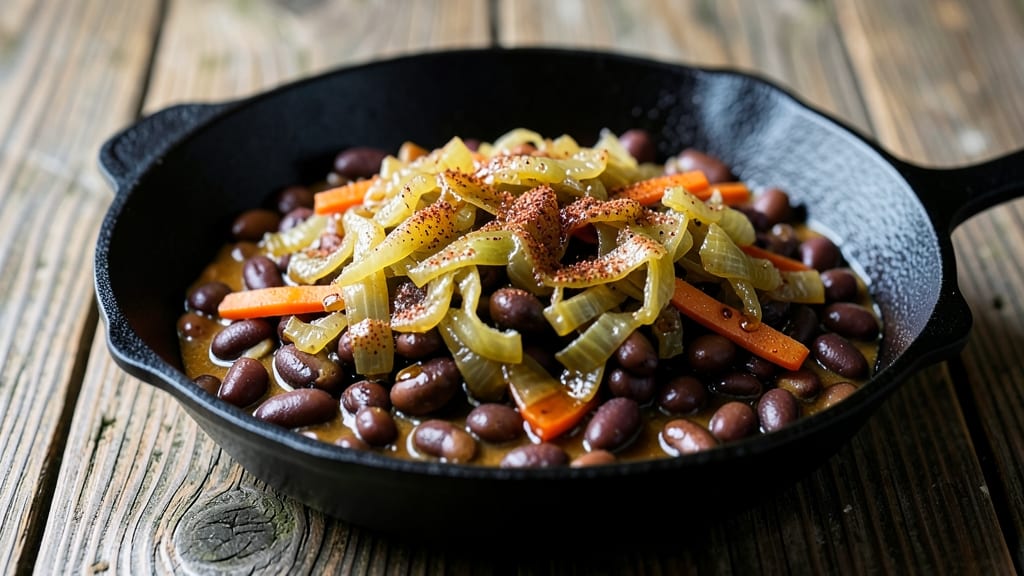
This sauerkraut and beans recipe transforms simple ingredients into a vegetarian powerhouse with fermented tang and smoky depth—perfect for hearty weeknight dinners or cozy gatherings. The magic lies in balancing the sharpness of sauerkraut with the earthy richness of beans, all simmered together until flavors meld into something deeply satisfying.
I developed this one-pot method after realizing how often fermented foods get overlooked in home cooking, and it’s become a staple in my rotation.
The beauty of this dish is its versatility and simplicity—no fancy techniques required, just a pot, a few pantry staples, and about 45 minutes of hands-off cooking time.
The beans soften beautifully while absorbing the sauerkraut’s tangy brine, and a touch of smoked paprika adds that signature depth without overpowering. Whether you’re serving it alongside roasted meats or as a standalone vegetarian main, it delivers bold, complex flavors that keep everyone reaching for seconds.
What you’ll end up with is a hearty, aromatic dish that’s crisp at the edges and tender inside, with a sauce that’s just thick enough to coat every spoonful. The aroma alone—smoky, earthy, with a hint of acidity—will have your kitchen feeling like a European countryside tavern.
This recipe is foolproof, budget-friendly, and packed with protein, making it a go-to for meal prep or last-minute dinners when you want something substantial yet effortless.
Pair it with crusty bread to soak up every last bite, or serve alongside grilled sausages for a full spread. The possibilities are endless, but the method stays true: simple, flavorful, and impossible to resist. Let’s get cooking—your taste buds will thank you.
Ingredients for sauerkraut and beans
Nine pantry staples and one fermented secret—this vegetarian dish delivers smoky, tangy depth with minimal effort.
| Ingredient | Amount | Notes |
|---|---|---|
| Dried Navy Beans 🌱 | 1 ½ cups | Unsoaked, rinsed thoroughly |
| Unsalted Vegetable Broth 💧 | 3 cups | Low-sodium preferred |
| Sauerkraut 🥬 | 2 cups | Unrefrigerated, drained well |
| Smoked Paprika 🌶️ | 1 ½ tbsp | Sweet or hot variety |
| Apple Cider Vinegar 🍎 | 1 tbsp | For tangy depth |
| Carrots 🥕 | 1 cup | Diced small for even cooking |
| Yellow Onion 🧅 | 1 whole | Diced finely, sweet variety |
| Garlic Cloves 🧄 | 3 cloves | Minced for aromatic base |
| Extra-Virgin Olive Oil 🫒 | 2 tbsp | For sautéing vegetables |
| Bay Leaves 🌿 | 2 whole | Fresh or dried |
| Black Peppercorns 🌶️ | 1 tsp | Freshly cracked |
| Salt 🧂 | 1 tsp | Diamond Crystal preferred |
| Fresh Thyme 🌿 | ¼ cup | Chopped, stems removed |
| Dark Brown Sugar 🍚 | 1 tbsp | For subtle sweetness |
The sauerkraut is non-negotiable here—look for brands like Bubbaprobiotic or local fermented varieties at specialty stores. Freshly opened jars have the brightest tang, but if you've got leftovers, squeeze out excess liquid before adding. The navy beans are my go-to for texture—they hold their shape better than pinto or black beans in this dish. Costco or bulk bins usually have them pre-sorted, saving you the soaking hassle. For the smoked paprika, Penzeys or La Boîte have the best quality, but regular grocery store brands work fine if they're labeled 'smoked'.
No sauerkraut? Substitute 1 cup each of pickled jalapeños and dill pickles for acidity, but you'll lose that fermented complexity. Out of smoked paprika? Liquid smoke at half the amount gets you close, though it's not identical. The apple cider vinegar can be swapped for white vinegar, but Bragg's adds a subtle sweetness that works better. Carrots can be baby carrots if that's what you've got—just chop them smaller. Fresh thyme is ideal, but dried at one-third the amount works in a pinch. The dark brown sugar is optional but balances the acidity beautifully.
This dish tastes even better the next day as flavors meld. Store in an airtight container in the fridge for up to 5 days. For meal prep, portion into containers with a side of crusty bread—it reheats beautifully. The broth keeps for 3 months frozen, so make extra if you're planning ahead. If you're serving this at a gathering, double the batch—it disappears fast.
Why You'll Love This Recipe
- No-Soaking Needed: I’ll admit, I used to dread the overnight soak for beans—but these dried navies soften perfectly in the broth while simmering. Just toss them in raw, cover with water, and let the magic happen as you prep the rest.
- Tangy-Smoky Magic: That sauerkraut’s sharp bite and the smoky paprika? They’re a match made in flavor heaven. A splash of apple cider vinegar at the end ties it all together—bright, deep, and impossible to resist.
- Lunchbox Hero: Between us, this is my go-to for meal prep. The flavors only get better the next day, and it keeps like a champ in the fridge. Pack it cold for work or reheat for a cozy dinner—no one ever complains.
- Pantry Staple Power: Honestly, if you’ve got beans, broth, and a jar of sauerkraut, you’ve got a meal. It’s cheap, filling, and the kind of dish that makes you feel like you’ve fed the whole family without breaking the bank.
Step-by-step instructions for sauerkraut and beans
This hearty stew delivers smoky depth and fermented tang in every bite—simple steps for maximum flavor.
Prepare the Beans and Aromatics
In a large Dutch oven, combine the 1.5 cups dried navy beans with 3 cups unsalted vegetable broth. Bring to a boil over medium-high heat, then reduce to a simmer. Let the beans cook for 10 minutes while you prepare the vegetables—this jumpstarts the hydration process and prevents them from becoming mushy later.
While the beans simmer, dice the 1 whole yellow onion into small, even pieces and finely chop the 1 cup carrots. Mince the 3 cloves garlic and remove the stems from the 0.25 cup fresh thyme, then chop the leaves. Crack the 1 tsp black peppercorns with a mortar and pestle or the flat side of a knife for maximum aroma. Here's the thing—freshly cracked peppercorns release their oils more effectively, so don't skip this step if you can help it.
Sauté the Vegetables and Build the Base
Heat the 2 tbsp extra-virgin olive oil in the same pot over medium heat. Add the diced onion and cook for 5 minutes until soft and translucent, stirring occasionally. Add the carrots and cook for another 5 minutes until they begin to soften and develop a slight caramelization. This step is where the foundation of flavor develops—don't rush it.
Stir in the minced garlic and chopped thyme, cooking for 30 seconds until fragrant. Add the 1.5 tbsp smoked paprika, 1 tbsp apple cider vinegar, and 1 tbsp dark brown sugar, stirring to combine. The vinegar will brighten the flavors, while the sugar adds subtle depth that balances the tang. Let this mixture cook for 1 minute until the raw garlic smell disappears—this ensures you get the aromatic essence without bitterness.
Combine and Simmer the Stew
Drain the sauerkraut well using a clean kitchen towel or paper towels to remove excess liquid—this prevents the stew from becoming watery. Add the drained sauerkraut, 2 whole bay leaves, and the remaining 1 tsp salt to the pot. Stir everything together, then return the beans (with their cooking liquid) to the pot. The liquid should just cover the beans—if it's too little, add a splash of water.
Bring the mixture to a gentle boil, then reduce the heat to low and cover the pot. Let it simmer for 45 minutes, stirring occasionally to prevent the beans from sticking to the bottom. Here's what you're aiming for: the beans should be tender but still hold their shape, and the flavors should meld into a cohesive, tangy-sweet-smoky profile. If the stew looks too thick, add 2-3 tablespoons of water to loosen it.
Finish and Adjust Seasoning
After 45 minutes, remove the cover and increase the heat to medium-low. Let the stew simmer uncovered for another 15-20 minutes to allow the flavors to concentrate and the liquid to reduce slightly. This step is critical—it deepens the sauce and ensures the beans are fully tender. You'll know it's ready when the beans are fork-tender and the sauce has thickened to a stew-like consistency.
Taste and adjust the seasoning if needed. You might need a touch more salt to balance the tanginess of the sauerkraut, or a splash more apple cider vinegar if you want to emphasize the fermented flavor. Remove the bay leaves before serving—unless you're a fan of their subtle bitterness, in which case, leave them in. Serve the stew warm, ideally with crusty bread to soak up every last bit of that smoky, tangy goodness.
Pro Tips For Making Sauerkraut And Beans
- SOAK BEANS OVERNIGHT: Dried navy beans absorb water like sponges—give them 8–12 hours in cold water to cut cooking time by half. I used to rush this, and the beans turned out mealy. Trust me, the extra hour of prep saves you 45 minutes of simmering later.
- SIMMER LOW AND SLOW: Once the beans hit the pot, keep the heat at a gentle simmer—just bubbles breaking the surface, not a rolling boil. I learned this after watching my first batch turn to mush. Low heat = tender beans without falling apart.
- DRAIN AND RINSE SAUERKRAUT: That tangy brine is delicious, but too much can make your dish taste unbalanced. Drain the sauerkraut in a colander, then rinse it briefly under cold water to cut excess salt. Skip this, and your beans might taste like a pickle factory.
- ADD VINEGAR LAST: Apple cider vinegar brightens the dish, but tossing it in too early can make the beans taste sour before they’re fully cooked. Stir it in during the final 10 minutes of simmering—just enough to wake up the flavors without overpowering them.
Common mistakes when making this recipe
Over-Soaking Beans
Skipping the 10-minute pre-soak for navy beans can lead to mushy results. I’ve ruined a batch by letting them soak too long—8+ hours—which breaks down their structure.
Instead, give them just 10 minutes of simmering to soften their outer skins before adding other ingredients. This keeps them firm while absorbing flavors beautifully. 💡
Skipping Sauerkraut Drainage
Using sauerkraut straight from the jar without draining it first will turn your stew into a watery soup. Always pat it dry with a clean kitchen towel to remove excess brine.
I learned this the hard way when my first batch ended up more like a fermented broth than a hearty stew. The texture and flavor concentration will thank you. ❄️
Ignoring Smoked Paprika Quality
Not all smoked paprika is created equal. Cheap brands can taste bitter or ashy, ruining the dish’s delicate balance. I recommend Penzeys or La Boîte for consistent quality.
If you’re using a budget brand, toast it in a dry pan for 1 minute to deepen its smoky flavor before adding it to the pot. This simple step makes a world of difference. 🌶️
Overcooking the Vegetables
Burning the onions or carrots adds bitterness that overpowers the dish’s natural tang. Sauté them at medium heat for exactly 5 minutes—no longer. I once charred a batch while distracted, and the result was inedible.
Keep an eye on them and stir frequently to ensure even cooking without browning. 🔥
Forgetting to Taste and Adjust
Assuming the seasoning is perfect without tasting is a common mistake. The sauerkraut’s acidity can mask flavor imbalances. After simmering, always taste and adjust with salt or apple cider vinegar as needed.
I’ve served dishes that were technically cooked but bland because I skipped this step. Trust your palate—it’s your best tool. 💛
Using the Wrong Pot
A nonstick pot can make the beans too soft and the sauce too thin. Dutch ovens distribute heat evenly and allow for controlled simmering. I’ve tried this recipe in a thin stainless-steel pot, and the beans ended up mushy.
Invest in a 5-6 quart Dutch oven—it’s worth the splurge for this dish. 🍲
Nutrition facts
Frequently asked questions
Can I use canned beans instead of dried?
Yes, but adjust the cooking time. Drain and rinse 2 (15-oz) cans of navy beans (or any white beans) and add them directly to the pot after sautéing the vegetables. Since they're pre-cooked, reduce the simmering time to 25-30 minutes instead of 45 minutes. The texture will be slightly softer but still delicious.
How do I make this dish spicier?
Add ½ tsp cayenne pepper or 1 tbsp hot smoked paprika when sautéing the vegetables. For heat with depth, stir in 1 diced jalapeño with the onions. If you love fermented heat, add 2 tbsp hot sauce at the end. Start with small amounts—you can always add more!
What's the best way to reheat leftovers?
Reheat gently in a pot over low heat with 2 tbsp water to prevent drying out. Cover and simmer for 5-7 minutes until warmed through. Avoid microwaving—it makes the beans mushy. For extra flavor, add a splash of apple cider vinegar or a pinch of smoked paprika while reheating.
Can I make this dish in an Instant Pot?
Sauté onions and carrots first, then add all ingredients except sauerkraut. Pressure cook for 10 minutes, then quick-release. Stir in drained sauerkraut and simmer on sauté mode for 10 minutes to meld flavors. The Instant Pot cuts cooking time by nearly half while keeping the beans tender.
Is this recipe gluten-free?
Yes, as written! Just ensure your sauerkraut doesn't contain gluten (some brands add malt vinegar). The recipe naturally avoids gluten-containing ingredients. For extra assurance, check labels on smoked paprika and broth—most vegetable broths are gluten-free, but some beef broths may not be.