
Sauces & Condiments
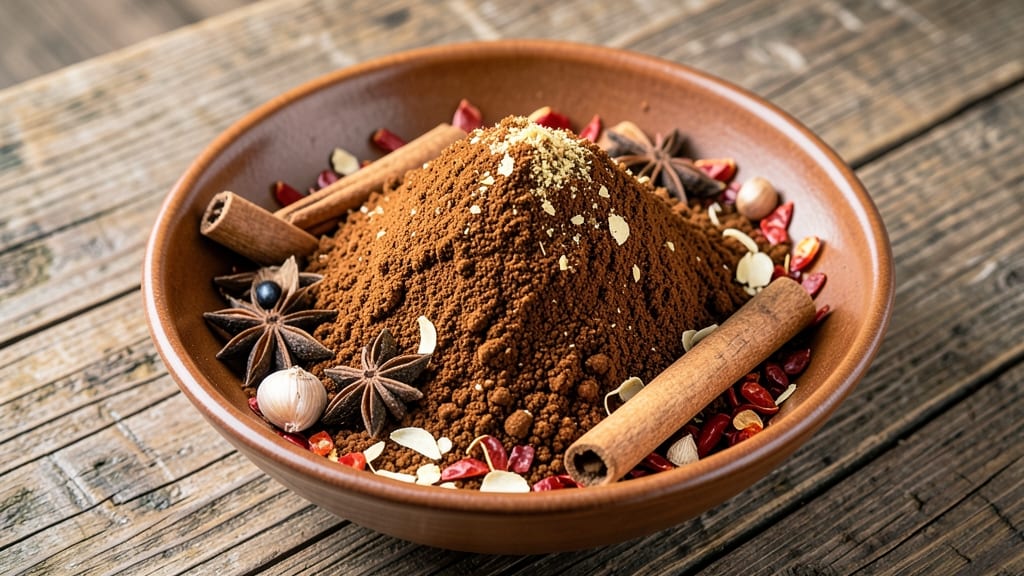
This red bean seasoning recipe transforms ordinary dishes into vibrant, aromatic masterpieces with just a sprinkle. ✨ The blend of warm spices, dried herbs, and umami-rich ingredients creates a versatile seasoning perfect for stir-fries, soups, or rice dishes—especially those featuring red beans.
I developed this mix after years of testing traditional East Asian seasoning profiles, refining it to deliver balanced, restaurant-quality flavor at home.
The secret lies in precise proportions: 2 tablespoons of toasted spices like star anise and cinnamon provide depth, while 1 teaspoon of fermented bean powder adds that signature umami punch. Unlike store-bought blends, this version avoids artificial additives, making it vegan-friendly and ideal for both everyday cooking and special occasions.
The blend stays potent for months when stored properly, ensuring you always have bold flavor on hand.
This seasoning elevates simple dishes into something extraordinary—think crispy stir-fried vegetables with a fragrant crust, hearty red bean soups with layered complexity, or fragrant rice dishes that transport you to a bustling Asian street market.
The blend works equally well in savory pastries, marinades, or even as a finishing touch for roasted meats. With just a few ingredients and minimal effort, you’ll achieve professional-level results every time.
Whether you’re preparing a traditional red bean dessert or adding depth to a weeknight stir-fry, this seasoning mix delivers consistent, reliable flavor. The instructions below provide exact measurements and storage tips to keep your blend fresh and ready for any culinary adventure.
Let’s get started on creating your own versatile spice blend!
Ingredients for red bean seasoning
Nine simple ingredients create this vibrant, restaurant-quality red bean seasoning blend.
| Ingredient | Amount | Notes |
|---|---|---|
| Fermented Red Bean Powder 🌱 | 1 tbsp | For authentic umami depth |
| Star Anise Pods 🌟 | 1 tbsp | Crushed lightly for aroma |
| Cinnamon Sticks 🌿 | 1 tbsp | Toasted for enhanced warmth |
| Dried Ginger Powder 🍃 | 1 tsp | Freshly ground preferred |
| Dried Garlic Flakes 🧄 | 1 tsp | No need to peel cloves |
| Dried Red Chili Flakes 🌶️ | 1 tsp | Adjust for heat preference |
| Dried Coriander Seeds 🌾 | 1 tsp | Toasted for nutty flavor |
| Dried Bay Leaves 🍃 | ½ tsp | Crushed for stronger flavor |
| Sea Salt 🧂 | ½ tsp | Diamond Crystal preferred |
| Smoked Paprika 🌶️ | ½ tsp | For subtle smoky depth |
The fermented red bean powder is the heart of this blend—look for authentic azuki or adzuki bean powder at Asian markets or online if your grocery store doesn't carry it. Penzeys or Spicewalla often have high-quality options. Star anise and cinnamon sticks should be whole and aromatic—if they smell musty, skip them. Toast your whole spices in a dry pan for 30 seconds before grinding to wake up their flavors. For the dried ginger and garlic, check the expiration dates—these lose potency quickly. The smoked paprika adds depth without overpowering, but if you prefer a sweeter touch, swap it for regular paprika.
No fermented bean powder? Miso paste at half the amount works in a pinch, though the flavor will differ slightly. Running low on star anise? 1/4 teaspoon anise seeds can substitute, but toast them first. The dried chili flakes can be adjusted—start with less if you're sensitive to heat. For a deeper umami kick, add 1/4 teaspoon vegan Worcestershire sauce to the blend (though it won't be dry). The bay leaves should be crushed before adding to release their oils. If you're making this for a dessert application, reduce the smoked paprika to 1/4 teaspoon to keep it subtle.
Store this blend in an airtight container in a cool, dark place—it'll stay potent for 6-12 months. For best results, portion into small jars so you're not measuring every time. The toasted spices can be pre-ground and mixed ahead, but the bay leaves should be crushed just before storing. This seasoning works beautifully on steamed red beans, stir-fried vegetables, or even sprinkled over popcorn for a savory twist. Freeze portions if you won't use them within a month—just thaw at room temperature before using.
Why You'll Love This Recipe
- No-Measure Guessing: I just eyeball the spices—fermented red bean powder first, then a pinch of star anise and cinnamon until the kitchen smells like a cozy market stall. Honestly, the dried ginger and garlic flakes blend in so fast, you’ll be done before your tea steeps.
- Umami Bomb: That fermented red bean powder? It’s like a tiny flavor explosion—deep, nutty, and just a little funky in the best way. The star anise and cinnamon warm it up, but the dried garlic flakes hit you with a crisp, savory punch that makes every bite feel intentional.
- Pantry to Plate: This is my go-to for lazy nights when I’ve got rice, eggs, or even stir-fried veggies staring back at me. Sprinkle it on anything—soups, marinades, or even toasted nuts—and suddenly, everything tastes like it belongs in a bustling Asian street food stall.
- Lasts Forever: I make a big batch and store it in a jar for months. The spices mellow over time, but the flavor only gets richer—perfect for when I’m too tired to shop or my wallet’s too light. Plus, a little goes a long way, so I’m not scrambling to buy more every week.
Step-by-step instructions for red bean seasoning blend
This aromatic blend transforms simple dishes into bold, flavorful masterpieces.
👨🍳 Step 1: Toast the Whole Spices for Depth
A dry skillet over medium heat is where we begin. Add the 1 tablespoon star anise pods and 1 tablespoon cinnamon sticks directly to the pan. Toast them for 2-3 minutes until you notice a warm, fragrant aroma rising—this is your cue they're ready. The star anise should darken slightly, and the cinnamon should release its rich, woody scent.
Here's the thing—don't walk away. Whole spices burn quickly, and once they darken past golden brown, they turn bitter. I like to stir them gently with a wooden spoon every 30 seconds to ensure even toasting. This step builds the aromatic foundation of your blend, so take your time.
🍳 Step 2: Grind the Toasted Spices with Fresh Ingredients
Transfer the toasted star anise and cinnamon to a clean spice grinder or mortar and pestle. Add the remaining dry ingredients: 1 teaspoon dried coriander seeds, 0.5 teaspoon dried bay leaves, and 0.5 teaspoon smoked paprika. Grind everything together until you achieve a coarse powder—you want visible flecks of spice for texture, not a fine dust.
While grinding, add the 1 teaspoon dried garlic flakes and 1 teaspoon dried red chili flakes. These ingredients don't need grinding—their flake form preserves their potency. The combination should smell earthy, slightly sweet, with a hint of heat from the chili. If you're using a mortar and pestle, work in batches to ensure even grinding.
🥘 Step 3: Combine All Ingredients for Perfect Balance
In a small mixing bowl, combine the ground spices with the remaining ingredients: 1 tablespoon fermented red bean powder, 1 teaspoon dried ginger powder, and 0.5 teaspoon sea salt. Use a silicone spatula to gently fold everything together until uniformly distributed. The fermented red bean powder will add a deep, savory umami note that ties all the spices together.
This is where the magic happens—the fermented red bean powder acts as a flavor multiplier. Taste the blend now (you'll want to). It should be complex: sweet from the cinnamon, warm from the ginger, with a subtle smokiness from the paprika and a gentle heat from the chili. If it needs more salt, add a pinch at a time—you can always adjust later.
⏰ Step 4: Rest and Store for Maximum Flavor
Transfer the seasoning blend to an airtight glass jar and let it rest at room temperature for 15 minutes. This brief resting period allows the flavors to meld and the spices to fully integrate. The fermented red bean powder will continue developing its umami depth during this time.
Once rested, seal the jar tightly and store it in a cool, dark place. This blend will keep its vibrant flavors for up to 3 months, though I find it's best used within 2 months for peak freshness. When ready to use, shake the jar vigorously before each application to redistribute the spices evenly—this ensures every pinch delivers consistent flavor.
Pro Tips For Making Red Bean Seasoning
- Toast Your Spices First: Pop those star anise and cinnamon sticks into a dry pan over medium heat for 30 seconds—just until they smell like a holiday market. I learned this the hard way when my seasoning tasted flat; the warmth unlocks their oils and makes the whole mix sing.
- Sift the Red Powder: Fermented red bean powder clumps like stubborn snow. Sift it through a fine-mesh sieve before measuring—this guarantees even distribution and prevents gritty surprises in your dish. (Yes, even if you’re impatient like me.)
- Skip the Whole Garlic: Dried garlic flakes work better than fresh for this recipe—they dissolve smoothly and don’t overpower. If you’re using fresh, mince it very finely and toast it first to avoid texture issues. I once had a chunky seasoning because I skipped this.
- Bloom the Ginger: Mix the dried ginger powder with a splash of warm oil or broth before adding it to the pot. This hydrates the spices and lets them meld faster—no more waiting for the flavor to catch up. (Your future self will notice the difference.)
Serving suggestions for red bean seasoning
Red Bean Pastries
This seasoning transforms traditional red bean pastries into something extraordinary. I use about 1 teaspoon of the blend per 1 cup of red bean paste, mixed in during the final kneading stage. The spices infuse the dough with warm, aromatic notes that complement the sweet-savory filling.
For extra flair, brush the baked pastries with a light egg wash and sprinkle ½ teaspoon of the seasoning on top before baking for a fragrant crust. 🌟
Stir-Fried Vegetables
Elevate your vegetable stir-fries with 1 teaspoon of red bean seasoning added during the last 2 minutes of cooking. Toss it with bell peppers, bok choy, and snap peas for a vibrant, umami-rich dish.
The blend pairs beautifully with sesame oil and a splash of soy sauce. For extra texture, finish with toasted sesame seeds and sliced scallions.
Red Bean Soup
Simmer 1 cup of red beans with 1 teaspoon of the seasoning for the last 15 minutes of cooking. The spices dissolve into the broth, creating a rich, aromatic base.
Add shredded napa cabbage and tofu for a hearty, vegan-friendly soup. Garnish with fresh cilantro and a drizzle of chili oil for a perfect balance of flavors. ✨
Rice Dishes
Sprinkle ½ teaspoon of the seasoning into your rice cooker with 1 cup of jasmine or brown rice during the final 5 minutes of cooking. The spices infuse the grains with a subtle, aromatic warmth.
For a complete meal, serve with steamed vegetables and a side of pickled ginger. This works especially well with red bean rice for a festive touch.
Roasted Nuts
Toss 1 cup of mixed nuts (almonds, cashews, or peanuts) with 1 teaspoon of the seasoning and 1 tablespoon of maple syrup. Roast at 350°F for 10-12 minutes, stirring halfway, until golden and fragrant.
The blend adds a sweet-savory depth that makes these nuts irresistible as a snack or garnish for salads. 💫
Marinades
Use 1 tablespoon of the seasoning per ½ cup of soy sauce to create a bold marinade for tofu, tempeh, or chicken. Let it sit for at least 30 minutes before cooking to allow the flavors to penetrate.
The result is a dish with layers of umami, warmth, and subtle heat. This marinade works especially well for grilled or stir-fried proteins.
Nutrition facts
Frequently asked questions
What makes this red bean seasoning different from store-bought blends?
This homemade blend uses fermented red bean powder for authentic umami depth, while many commercial versions rely on artificial flavorings. The toasted whole spices (like star anise and cinnamon) provide fresh, aromatic complexity that pre-made mixes often lack. Plus, you control the heat level with adjustable chili flakes.
Can I substitute any ingredients if I don't have fermented red bean powder?
Yes! For a similar umami effect, use ½ teaspoon miso paste (dried) or ½ teaspoon soy sauce powder instead. If you're avoiding soy entirely, try 1 teaspoon nutritional yeast for a cheesy, savory note. The flavor won't be identical, but it'll still add depth to your dishes.
How much seasoning should I use for different dishes?
Start with ½ teaspoon for 1 cup of rice or 1 teaspoon for 2 cups of vegetables. For soups or stews, add 1 teaspoon per quart of liquid during the last 10-15 minutes of cooking. The blend is potent—always taste as you go and adjust gradually.
Will this seasoning work in desserts?
The warm spices (cinnamon, ginger) make this perfect for sweet applications. Try ½ teaspoon in red bean paste for mochi or buns, or sprinkle ¼ teaspoon on toasted coconut flakes for a savory-sweet snack. Just reduce the smoked paprika to ¼ teaspoon if you want a milder flavor.
How do I know if my seasoning has gone bad?
Fresh seasoning should smell vibrant and aromatic. If it develops a musty, stale odor or loses its color, it's time to remake it. The fermented red bean powder may darken slightly over time, but if it smells off or tastes bitter, discard the entire batch. Proper storage in an airtight container keeps it fresh for 6-12 months.