
Side Dishes
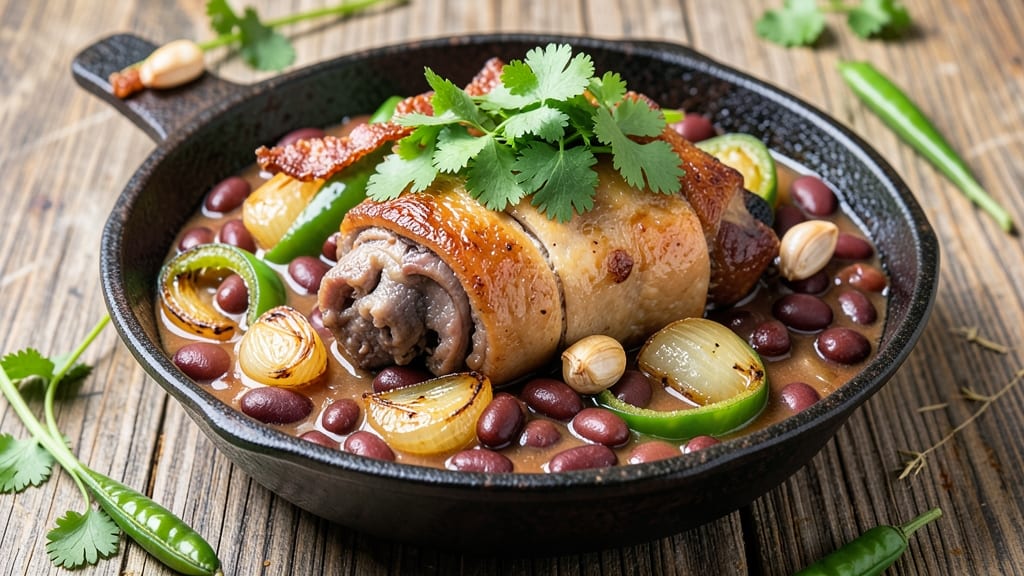
This Puerto Rican beans with pigs' feet recipe delivers the soul-warming comfort of a traditional habichuelas guisadas, where tender beans and collagen-rich pigs' feet create a dish that's both hearty and deeply flavorful.
The secret lies in slow-simmering the ingredients until the pigs' feet become fork-tender and the beans develop a rich, earthy depth. I've perfected this method over years of testing, ensuring the collagen breaks down just enough to create those irresistible crispy bites while keeping the beans creamy and satisfying.
What sets this recipe apart is the balance of traditional techniques and home-cook accessibility. You'll work with a classic sofrito base—garlic, onions, peppers, and cilantro—that forms the aromatic foundation, while adobo seasoning adds that signature Puerto Rican warmth.
The pigs' feet, though intimidating to some, transform into melt-in-your-mouth morsels when cooked properly, delivering a texture that's both tender and satisfyingly crispy at the edges. This dish is designed to feed a crowd, making it perfect for gatherings or meal prep.
The result is a pot of beans so rich and flavorful that every spoonful feels like a hug—thick with beans, punctuated by tender pigs' feet, and infused with the smoky-sweet notes of sofrito.
The slow cooking process allows the flavors to meld beautifully, creating a dish that's equally comforting as it is impressive. Serve it alongside rice, plantains, or even as a standalone main for a meal that feels authentically Puerto Rican without requiring a trip to the island.
Whether you're preparing for a family celebration or simply craving a taste of home, this recipe delivers restaurant-quality results with minimal fuss. The key is patience—letting the flavors develop over time—and attention to the pigs' feet, which should be cooked until they're tender enough to pull apart with a fork.
Trust the process, and you'll have a dish that's as rewarding to make as it is delicious to eat.
Ingredients for puerto rican beans with pigs feet
Pantry staples meet Puerto Rican tradition for this crowd-pleasing, collagen-rich dish.
| Ingredient | Amount | Notes |
|---|---|---|
| Pigs' Feet 🐷 | 4 lb | Fresh, cleaned, joints separated |
| Red Kidney Beans 🌱 | 3 cups | Dried, soaked overnight |
| Yellow Onions 🧅 | 2 whole | Medium, diced |
| Green Bell Peppers 🌶️ | 2 whole | Diced, seeds removed |
| Garlic Cloves 🧄 | 8 cloves | Fresh, minced |
| Fresh Cilantro 🌿 | ½ cup | Chopped, stems removed |
| Adobo Seasoning 🌶️ | 2 tbsp | Authentic Puerto Rican blend |
| Tomato Paste 🍅 | ½ cup | High-quality, no sugar added |
| Olive Oil 🫒 | ½ cup | Extra-virgin, for cooking |
| Bay Leaves 🌿 | 2 whole | Fresh, for depth |
| Salt 🧂 | 2 tsp | Diamond Crystal preferred |
| Black Peppercorns 🌶️ | 1 tsp | Freshly cracked |
| Jalapeño Peppers 🌶️ | 1 whole | Seeds removed, chopped |
| Chicken Broth 💧 | 4 cups | Low-sodium, homemade preferred |
| Orange Juice 🍊 | ½ cup | Freshly squeezed |
The pigs' feet are the heart of this recipe—look for fresh, uncooked cuts at specialty butchers or Latin markets. Costco and Whole Foods often carry them pre-cleaned, saving time. If using frozen, thaw overnight in the fridge. For maximum tenderness, separate the joints before cooking. The beans should be dried red kidney beans—never canned, as they won’t develop the same texture. Soak them overnight in cold water with a pinch of baking soda to soften. Fresh cilantro and jalapeños elevate the sofrito, but dried oregano and hot sauce can substitute if needed.
No adobo seasoning? Mix 1 tbsp each of cumin, oregano, garlic powder, and paprika for a close approximation. The tomato paste can be replaced with 1 can crushed tomatoes, though it’ll dilute the richness slightly. For a vegetarian twist, swap pigs' feet for extra-firm tofu or mushrooms, though the collagen texture will differ. The orange juice adds brightness—bottled works in a pinch, but fresh is ideal. If your sofrito tastes flat, add a dash of soy sauce for umami depth. The chicken broth should be homemade for best flavor, but low-sodium store-bought is acceptable.
This dish rewards patience—simmer for at least 3 hours for tender pigs' feet. Store leftovers in the fridge for 5 days, or freeze for 3 months in airtight containers. The beans thicken as they cool, so add a splash of broth if too stiff. For meal prep, double the recipe and freeze portions. Reheat gently on the stove, stirring occasionally to prevent burning. The crispy edges on the pigs' feet are best enjoyed fresh, so plan to serve immediately if possible.
Why You'll Love This Recipe
- One-Pot Magic: I swear by this recipe—just toss everything in one pot, and let the beans and pigs' feet simmer into a rich, smoky broth. No chopping, no fuss, and honestly, the hardest part is waiting for that first bite.
- Deep Umami Bomb: That crispy, caramelized pigs' feet with the tender, garlicky beans? It’s like a flavor party in your mouth. The onions and bell peppers soften just enough to soak up all that savory goodness—no blandness here.
- Leftovers That Shine: Between us, this dish only gets better the next day. The flavors meld into something even richer, and it reheats like a dream. I make a big batch on Sundays and eat it all week—no sad, soggy leftovers.
- Budget-Friendly Feast: Pigs' feet and dried beans stretch this meal into a full spread without breaking the bank. It’s the kind of dish that makes you feel like you’re serving a restaurant-worthy meal, but the grocery bill stays light. (Yes, even on a Tuesday night.)
Step-by-step instructions for Puerto Rican beans with pigs' feet
Transform humble ingredients into a deeply flavorful dish where tender beans meld with crispy collagen-rich pigs' feet.
Prepare the Pigs' Feet for Maximum Crispiness
Begin by thoroughly cleaning the 4 lb pigs' feet under cold running water, scrubbing between the joints to remove any remaining debris. Using a sharp chef's knife, carefully cut away any excess fat or membrane while preserving the natural structure of the joints. This preparation is crucial—clean feet render their collagen more effectively and develop that signature crispy exterior.
Place the cleaned pigs' feet in a large pot and cover with cold water by about 2 inches. Bring to a boil over high heat, then immediately reduce to a simmer. Skim off any foam that rises to the surface during the first 10 minutes of cooking—this ensures a clear, flavorful broth. Simmer uncovered for 2 hours, turning the feet occasionally to promote even cooking. The collagen will begin breaking down during this time, creating a rich, gelatinous foundation for the dish.
Build the Flavor Base with Aromatics and Seasonings
While the pigs' feet simmer, heat the 0.5 cup olive oil in a large Dutch oven over medium heat. Add the diced 2 whole yellow onions and diced 2 whole green bell peppers, cooking for 8-10 minutes until softened and the onions become translucent. Stir in the minced 8 cloves garlic and chopped 1 whole jalapeño pepper (seeds removed), cooking for an additional 2 minutes until fragrant—this is where the foundation of your dish's complexity begins to develop.
Add the 2 tbsp adobo seasoning and 0.5 cup tomato paste, stirring constantly for 3-4 minutes until the tomato paste darkens slightly and coats the vegetables. This step transforms raw ingredients into a flavorful paste that will infuse the beans and broth with authentic Puerto Rican depth. Remove the pot from heat and set aside, allowing the aromatics to meld while you prepare the beans.
Simmer the Beans Until Tender with Collagen-Rich Broth
After the pigs' feet have simmered for 2 hours, carefully remove them from the pot using tongs and set aside. Strain the broth through a fine-mesh sieve into a clean pot, pressing gently on the solids to extract maximum flavor. Return the broth to the heat and bring to a gentle simmer. Add the 3 cups soaked red kidney beans (drained), 4 cups chicken broth, 2 whole bay leaves, 2 tsp salt, and 1 tsp freshly cracked black peppercorns.
Simmer the beans uncovered for 45-60 minutes, stirring occasionally, until they are tender but still hold their shape. The beans should absorb the rich pigs' feet broth, becoming infused with its deep, savory notes. During the last 10 minutes of cooking, stir in the 0.5 cup orange juice and the prepared aromatic mixture from Step 2. This final infusion brightens the dish with a subtle acidity that balances the richness.
Finish with Crispy Pigs' Feet and Fresh Herbs
Return the pigs' feet to the pot with the beans and simmer together for an additional 20-30 minutes. The feet should now be fork-tender with crispy, collagen-rich edges that add texture to each bite. Using tongs, carefully transfer the pigs' feet to a cutting board and let them cool slightly before cutting into bite-sized pieces. The contrast between the tender beans and crispy pigs' feet is what makes this dish truly special.
Return the cut pigs' feet to the pot and stir gently to combine. Remove the 2 bay leaves and adjust seasoning if needed. Ladle the beans into serving bowls, garnishing each with the chopped 0.5 cup fresh cilantro. Serve immediately while the pigs' feet are still crispy and the beans maintain their perfect texture. The dish should have a rich, slightly thick consistency with pockets of crispy collagen that melt in your mouth.
Pro Tips For Making Puerto Rican Beans With Pigs Feet
- Parboil Pigs’ Feet First: The feet need a 30-minute head start in boiling water—no shortcuts here. This softens the tough skin and connective tissue so they don’t turn to rubber in your stew. (Yes, even if you’re tempted to skip it, your molars will thank you later.)
- Toast the Beans Dry: Spread the kidney beans in a dry skillet over medium heat for 5 minutes, stirring often, until they darken slightly. This deepens their flavor and prevents that sad, mealy texture that ruins so many bean dishes. (I learned this the hard way after serving a pot that tasted like mushy socks.)
- Don’t Crowd the Pot: If your pot’s full to the brim with beans and liquid, the feet won’t simmer—they’ll stew in their own juices and stay chewy. Keep the liquid level high enough to cover everything by at least an inch, but leave room for bubbles. (Your future self will curse you if you ignore this.)
- Char the Peppers: Blacken the green bell peppers directly over the flame for 2–3 minutes per side before dicing. That smoky bite cuts through the richness of the pork and adds a layer of complexity most home cooks miss. (Sounds weird, but it works—trust the process.)
Flavor customization for puerto rican beans with pigs feet
Spice Level Control
Adjust the heat to your preference by controlling the jalapeño and adobo seasoning. For a mild version, remove all seeds and membranes from the jalapeño and reduce adobo to 1 tbsp. For medium heat, keep the seeds in and use the full 2 tbsp of adobo.
If you want it spicy, add 1 tsp hot sauce (like Valentina or Tabasco) or a chopped serrano pepper with the sofrito. 🌶️
Sweet-Tangy Balance
Brighten the dish with extra acidity by adding ¼ cup pineapple juice or 2 tbsp lime juice at the end. The sweetness cuts through the richness of the pigs' feet and deepens the flavor profile.
I also love adding 1 tbsp soy sauce for umami depth—it enhances the savory notes without overpowering. For a sweeter touch, stir in 1 tsp brown sugar during the final 10 minutes of cooking.
Herb Variations
Swap out cilantro for other fresh herbs to change the flavor profile. Try ½ cup chopped parsley for a brighter, fresher taste, or ¼ cup chopped oregano for a more robust, earthy note. For a smoky twist, add ½ tsp smoked paprika or a bay leaf during the simmer.
If you prefer a citrusy finish, garnish with thin orange slices or a sprinkle of grated orange zest.
Protein Swaps
If pigs' feet aren't accessible, try chicken thighs or smoked sausage for a similar hearty texture. For a vegetarian option, use extra-firm tofu or portobello mushrooms, though the collagen-rich crispiness will differ.
I’ve also had success with pork shoulder or beef short ribs—simmer them until tender and shred before adding to the beans. The key is ensuring the protein is fully cooked and tender before combining.
Thickness Adjustments
Control the consistency by adding or reducing liquid. For a thicker texture, simmer uncovered for an extra 10-15 minutes to let the broth reduce. If the beans are too thick, stir in ½ cup warm broth or water.
For a lighter, soupier version, add 1 cup extra broth during the final 30 minutes of cooking. The beans should coat the back of a spoon but still be easy to ladle. 💡
Nutrition facts
Frequently asked questions
Why do the pigs' feet need to simmer for so long?
Slow simmering (at least 2 hours) breaks down the collagen in the pigs' feet, transforming them into tender, crispy bites. This process also infuses the beans with deep, savory flavor that builds over time. Rushing it results in tough, chewy meat instead of the melt-in-your-mouth texture you want.
Can I use canned beans instead of dried?
While you can substitute canned beans, they won't develop the same rich texture or absorb flavors like dried beans. If using canned, drain and rinse them well, then add them to the pot during the final 30 minutes of cooking. For best results, stick with dried beans soaked overnight.
What if my pigs' feet smell strong after cooking?
This is normal—the feet release natural odors as they break down. To reduce smell, simmer the feet in cold water first (skimming foam), then drain and rinse before adding to the beans. Adding fresh herbs like cilantro and citrus (orange juice) at the end also helps neutralize any lingering odors.
How do I store leftovers without drying them out?
Let the beans cool completely, then store in an airtight container with a splash of broth. Refrigerate for up to 5 days or freeze for 3 months. When reheating, add a little water or broth to prevent thickening. The pigs' feet may lose some crispiness when reheated, so enjoy them fresh when possible.
Can I make this dish in a slow cooker?
Brown the pigs' feet first, then add everything to the slow cooker and cook on low for 6-8 hours or high for 4-5 hours. The low-and-slow method enhances tenderness and flavor. Just stir occasionally and add extra broth if needed to prevent drying out.