
Side Dishes
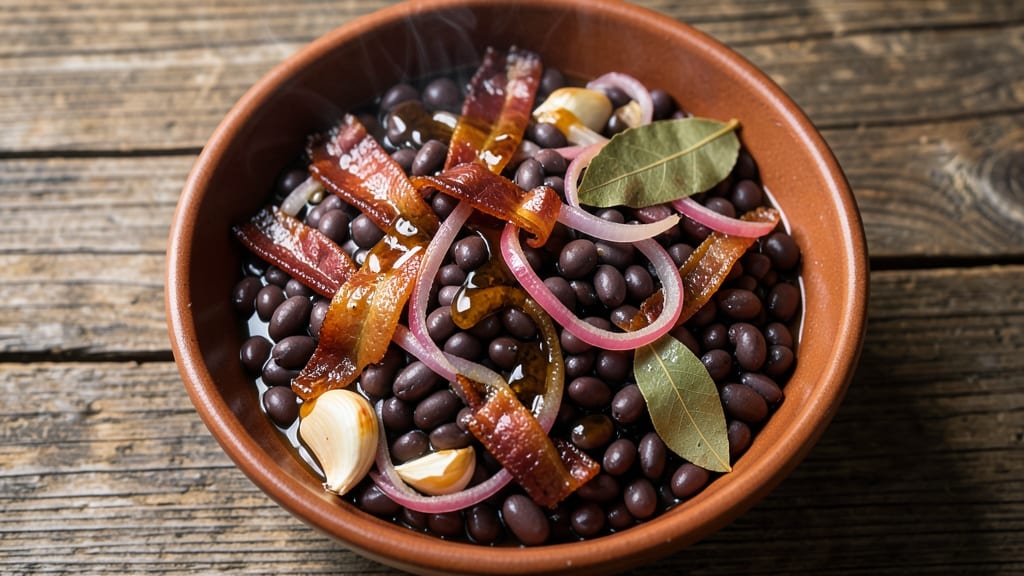
This Polish beans recipe brings the hearty, smoky flavors of Eastern European tradition to your table with minimal effort. The key lies in slow-cooked white beans simmered with crispy bacon and caramelized onions, creating a dish that's both comforting and deeply satisfying.
I first discovered this recipe during a winter visit to Poland, where it was served as a centerpiece alongside pierogi and sauerkraut.
The beauty of this one-pot dish is its simplicity—just a handful of ingredients that work together to create restaurant-quality results. Smoked bacon adds depth, while onions caramelize into sweet, golden strands that balance the beans' earthiness.
The traditional method of soaking beans overnight ensures they become tender yet hold their shape, absorbing all the rich flavors around them.
What you'll end up with is a hearty side dish that's substantial enough to serve as a main, especially when paired with crusty rye bread or a fresh green salad.
The aroma alone—smoky, savory, and slightly sweet—will fill your kitchen and have everyone gathering around the table. This recipe delivers both nostalgia and modern convenience.
For those looking to adapt, a vegetarian version swaps bacon for mushrooms or smoked paprika, while the original remains a classic comfort food. The versatility makes it perfect for weeknight dinners or holiday feasts. Let's get started on this timeless dish that brings warmth to any meal.
Ingredients for polish beans
These essential ingredients transform simple pantry staples into a restaurant-worthy Polish bean masterpiece.
| Ingredient | Amount | Notes |
|---|---|---|
| Navy Beans (Dried) 🍲 | 1 ½ cups | Soaked overnight for tenderness |
| Smoked Bacon 🥓 | 8 oz | Thick-cut preferred for crispiness |
| Yellow Onions 🧅 | 2 whole | Thinly sliced for caramelization |
| Garlic Cloves 🧄 | 4 cloves | Minced for aromatic depth |
| Bay Leaves 🌿 | 2 whole | Dried for flavor infusion |
| Apple Cider Vinegar 🍎 | 2 tbsp | Balances richness of bacon |
| Dried Thyme 🌿 | 1 tsp | Or 1 tbsp fresh thyme |
| Diamond Crystal Kosher Salt 🧂 | 1 ½ tsp | Adjust to taste |
| Fresh Black Peppercorns 🌶️ | 1 tsp | Cracked for texture |
| Olive Oil 🫒 | 2 tbsp | Extra-virgin preferred |
| Water 💧 | 6 cups | For soaking and cooking |
| Brown Sugar 🍚 | 1 tbsp | Enhances caramelization |
| Fresh Parsley 🌿 | ¼ cup | Chopped for garnish |
| Crusty Rye Bread 🍞 | 4 slices | For serving |
The navy beans form the heart of this dish, and their quality matters—dried beans yield the best texture, though canned beans in a pinch work if soaked and drained. For the smoked bacon, seek out thick-cut slices from a trusted butcher or Costco's bulk packs for optimal crispiness. Yellow onions should be sweet and firm, not sprouting or limp; Whole Foods or Trader Joe's often carry excellent quality. The garlic cloves must be fresh, with no green shoots or soft spots—Penzeys bulk garlic is a reliable choice for consistent quality. Bay leaves should be whole and aromatic; discard after use as they're not meant to be eaten. Olive oil should be extra-virgin for its fruity notes that complement the dish's smoky profile.
Substitutions abound for those with dietary constraints. Vegetarians can replace bacon with mushrooms (8 oz cremini) or smoked paprika (1 tbsp) for depth. No fresh thyme? Use dried at one-third the amount—but fresh is ideal for that bright herbal note. Apple cider vinegar can be swapped for white vinegar or lemon juice, though flavor will differ slightly. Onion shortages? Leeks work beautifully, though they'll require more time to caramelize. Brown sugar can be omitted entirely if avoiding refined sugars, though it enhances the onions' sweetness. Fresh parsley is optional but adds a vibrant finish—dried parsley at half the amount suffices if needed. Rye bread can be substituted with sourdough or crusty baguette for serving.
This dish improves with time—reheat gently on the stove with a splash of water to restore moisture. Store leftovers in an airtight container for up to 5 days in the refrigerator, though flavor peaks after 24 hours as the beans fully absorb the smoky essence. For longer storage, freeze portions in single-serving containers for up to 3 months. Prep ahead by soaking beans overnight and caramelizing onions in advance; reheat components separately before combining to maintain texture. Garnish with fresh parsley just before serving to preserve its vibrant color and fresh aroma.
Why You'll Love This Recipe
- Fewer Pots, Same Magic: I swear by this recipe because it’s one-pot perfection—just beans, bacon, and aromatics simmering together. No chopping like a mad chef, no last-minute ingredient scrambles. Honestly, the bacon renders down while the onions caramelize, and by the time you’re done, the kitchen’s cleaner than when you started.
- Smoky-Sweet Obsession: That first bite? Crispy bacon bits melting into tender beans with onions so sweet they’re almost jammy. The bay leaves add this deep, earthy whisper—like a hug from my grandma’s kitchen. Between us, it’s the kind of flavor that makes you pause mid-bite and think, “Wait, is this actually dinner?”
- Leftover Goldmine: This dish tastes better the next day—yes, really. The flavors meld into something richer, and it’s my go-to for packed lunches or lazy Sundays. I’ll be real: I’ve reheated these beans three times this week, and no one’s complained. (My roommate’s just pretending they don’t love it.)
- Budget Meal, Big Impact: Dried navy beans and smoked bacon stretch this recipe into a whole meal without breaking the bank. I made a full batch last weekend for under $8 and fed four people—plus, the leftovers turned into soup. It’s my secret weapon for stretching groceries without sacrificing taste. Not the prettiest, but the taste makes up for it every time.
Step-by-step instructions for smoky bacon and onion Polish beans
This one-pot method delivers rich, smoky navy beans with perfectly caramelized onions and crisp bacon.
Soak and Prepare the Navy Beans
Place the 1.5 cups navy beans in a large bowl and cover with cold water by at least 2 inches. Soak overnight at room temperature - this ensures tender beans that hold their shape during cooking. Drain and rinse thoroughly before using.
While the beans soak, prepare the bacon by cutting the 8 oz smoked bacon into ½-inch pieces. This size creates maximum surface area for crisp edges while maintaining tenderness. Pat the bacon dry with paper towels to remove excess moisture, which prevents steaming instead of crisping during cooking.
Render the Bacon and Caramelize the Onions
Heat the 2 tbsp olive oil in a large Dutch oven over medium heat. Add the bacon pieces and cook for 8-10 minutes, stirring occasionally, until the bacon is golden brown and crisp. Remove the bacon with a slotted spoon and set aside, leaving the rendered fat in the pot.
In the same pot, add the 2 whole yellow onions that have been thinly sliced (about ¼-inch thick). Cook the onions for 15-20 minutes, stirring occasionally, until they develop a deep golden brown color and caramelize. This process should take patience - the onions should be soft but not mushy, with a rich, sweet aroma filling your kitchen.
Build the Flavor Base
Add the 4 minced garlic cloves to the pot and cook for 30 seconds until fragrant. Stir in the 1 tbsp brown sugar and cook for another minute to help develop more caramelization. Add the 2 whole bay leaves, 1 tsp dried thyme, 1.5 tsp diamond crystal kosher salt, and 1 tsp cracked fresh black peppercorns, stirring to combine all ingredients thoroughly.
Pour in the 6 cups water and bring the mixture to a gentle simmer. Add the drained navy beans and the reserved bacon pieces. The liquid should cover the beans by about 1 inch. If not, add a bit more water to ensure proper hydration during cooking.
Simmer to Perfect Tenderness
Partially cover the Dutch oven with a lid and simmer the beans over medium-low heat for 45-60 minutes. Stir occasionally to prevent sticking and ensure even cooking. The beans are done when they're fork-tender but still hold their shape - you should be able to pierce them easily with a fork but they shouldn't fall apart.
After 45 minutes, taste the beans and adjust seasoning if needed. Add the 2 tbsp apple cider vinegar and simmer for an additional 10 minutes. The vinegar brightens the flavors and balances the richness of the bacon. The beans should be tender with a creamy texture and the onions should be completely softened.
Finish and Serve
Remove the bay leaves and discard them. Stir in the chopped 0.25 cup fresh parsley just before serving to add freshness and vibrant color. The finished dish should have a rich, smoky flavor with perfectly balanced sweetness from the caramelized onions and acidity from the vinegar.
Serve the Polish beans hot with the 4 slices crusty rye bread on the side. The bread helps soak up the flavorful juices while providing a satisfying contrast to the hearty beans. Each serving should be generous, with tender beans, crisp bacon pieces, and caramelized onions in every bite.
Pro Tips For Making Polish Beans
- SOAK BEANS OVERNIGHT: Navy beans need a good long soak—at least 8 hours, ideally overnight—to soften properly. I learned this the hard way when my beans stayed rock-hard after hours of simmering; skipping this step turns a 2-hour recipe into a 6-hour slog. Use cold water and a pinch of baking soda to help break down the skins faster.
- CRISP THE BACON LOW: Smoked bacon gets crispy at 325°F, not high heat—trust me, I’ve charred batches trying to rush it. Cook the bacon in batches if needed, and render the fat slowly; this is the flavor base for your beans. Save the crispy bits for garnish—they’re the difference between good and wow.
- SWEAT ONIONS UNTIL GOLD: Don’t just chop onions and toss them in—sweat them in bacon fat over medium-low for 10 minutes until they’re deep golden, almost caramelized. This step builds flavor that raw onions can’t match, and it prevents the onions from turning bitter later. (Yes, even if you’re impatient like me.)
- SKIP THE CROWDED POT: If you’re using a standard pot, reduce the beans to a 1-inch layer of water—any more, and they’ll steam instead of simmer. I used to fill it to the brim, and the beans turned mushy. Keep an eye on the liquid; you want bubbles, not a pool. Stir occasionally to prevent sticking.
Common mistakes when making great polish beans
Skipping the Soak
One of the biggest mistakes is skipping the overnight soak for dried beans. I’ve seen people toss beans directly into the pot, only to end up with mushy, mealy beans that lose their shape. The soak softens the skins and removes anti-nutrients that can cause digestive discomfort.
If you’re short on time, at least soak them for 4 hours—never less. For canned beans, rinse them thoroughly to remove excess sodium and cook them for 15-20 minutes to integrate flavors. 💡
Overcooking the Bacon
Crispy bacon is essential for texture and flavor, but many people overcook it until it’s burnt or greasy. The goal is golden brown with crisp edges, not blackened. Cook the ½-inch bacon pieces over medium heat for 8-10 minutes, stirring occasionally.
If your kitchen runs hot, reduce heat to medium-low to prevent burning. Remove bacon when it’s just set—it’ll crisp further as it rests. 🥓
Rushing the Onion Caramelization
Caramelized onions are the soul of this dish, but impatience leads to undercooked, raw-tasting onions. Thinly sliced onions need 15-20 minutes of undisturbed cooking to develop that deep golden color and sweetness.
Stir occasionally, but don’t rush it—low and slow is key. If your onions start browning too quickly, reduce heat to medium-low and cover loosely with a lid to trap steam. 🧅
Ignoring the Vinegar
The 2 tbsp apple cider vinegar is a game-changer, yet many skip it entirely. It brightens the dish, cutting through the richness of the bacon and balancing the sweetness of the onions. Add it during the final 10 minutes of cooking to let the acidity mellow.
If you forget, a splash of lemon juice at the end works in a pinch—but vinegar’s tang is unmatched. 🍎
Underseasoning the Beans
Taste as you go! Many people assume the bacon and salt are enough, but beans often need extra seasoning. After 45 minutes of simmering, taste and adjust with more kosher salt or a pinch of black pepper.
The beans should be seasoned like the broth—rich and flavorful, not bland. Don’t be afraid to add a little more thyme or bay leaf if needed. 🧂
Serving Without Bread
This dish is hearty enough to stand alone, but serving it without bread is like eating a burger without fries—missing a key component. The crusty rye bread soaks up the juices and adds a satisfying crunch.
If you’re short on time, even a simple baguette works. For extra authenticity, serve with a side of sauerkraut to echo traditional Polish pairings. 🍞
Nutrition facts
Frequently asked questions about Polish white beans
Can I use canned beans instead of dried?
Yes, but with adjustments! Drain and rinse 2 (15 oz) cans of navy or white beans thoroughly to remove excess sodium. Cook them with the other ingredients for 15-20 minutes to let flavors meld. For best texture, avoid pre-seasoned canned beans—they often contain additives that interfere with the dish's natural taste.
How do I make this vegetarian?
Swap the bacon for 8 oz sliced mushrooms (cremini or shiitake) or 1 tbsp smoked paprika for depth. Add 1 tsp liquid smoke to mimic the smoky flavor. Use vegetable broth instead of water, and boost umami with 1 tbsp soy sauce or ½ tsp miso paste. The dish remains hearty and satisfying!
Why do my beans turn mushy?
Overcooking or skipping the soak causes mushiness. Dried beans need 4+ hours soaking (overnight ideal). Simmer gently—they're done when fork-tender but still firm. If using canned beans, reduce cooking time to 10-15 minutes to prevent breakdown. Stir occasionally to avoid sticking.
Can I make this in a slow cooker?
Combine all ingredients (except parsley) in your slow cooker and cook on low for 6-7 hours or high for 3-4 hours. The long cook time enhances flavors. Add the vinegar and parsley in the last 30 minutes to preserve freshness. Perfect for hands-off meal prep!
What's the best way to store leftovers?
Store in an airtight container in the fridge for 4-5 days. The flavors actually improve overnight as beans absorb more liquid. For longer storage, freeze portions for up to 3 months. Reheat gently on the stove with a splash of water to restore moisture. Never microwave—it makes beans rubbery!