
Sauces & Condiments
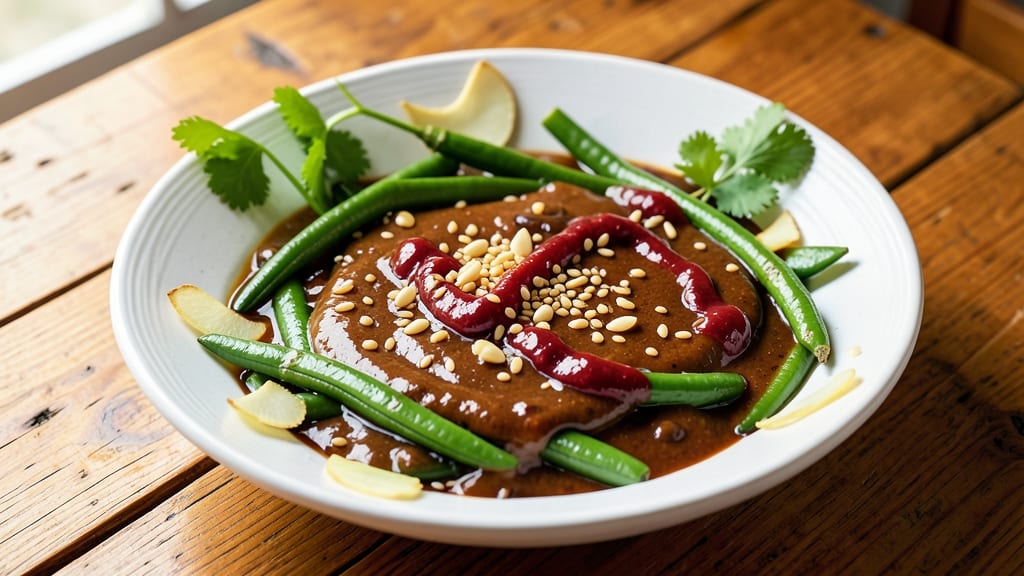
Recreating Pf Chang’s signature spicy green bean sauce at home delivers that same bold umami kick without the restaurant markup. The secret lies in fermented black beans, chili paste, and a balance of sweet, salty, and spicy elements that transform simple ingredients into a versatile condiment with restaurant-quality depth.
I’ve perfected this sauce over years of testing, ensuring every batch delivers that signature tangy-spicy punch.
This sauce starts with a simmered base of fermented black beans, garlic, and ginger—key components that build the sauce’s complex flavor profile. The addition of chili paste and soy sauce creates that signature heat and umami, while a touch of sugar rounds out the sharpness.
What sets this apart is the blending technique, which ensures a smooth yet textured consistency perfect for drizzling or tossing.
Once complete, you’ll have a rich, aromatic sauce that elevates stir-fries, dumplings, and noodles to new heights. The balance of spice and sweetness makes it equally at home on grilled meats or as a dipping sauce.
Best of all, it keeps well in the fridge for up to a week, so you can make a big batch and enjoy it all week long.
Adjust the spice level to your taste by adding more or less chili paste, and don’t be afraid to experiment with variations—like adding a splash of rice vinegar for brightness or a pinch of sesame oil for extra depth. Here’s how to make it step by step.
Ingredients for pf chang's spicy green bean sauce
Nine ingredients, one sauce. That signature Pf Chang's kick—now homemade.
| Ingredient | Amount | Notes |
|---|---|---|
| Fermented Black Beans 🫘 | ½ cup | Rinsed if overly salty |
| Garlic Cloves 🧄 | 6 cloves | Peeled, minced fine |
| Fresh Ginger 🌿 | 1 tbsp | Grated fine, fresh preferred |
| Chili Paste 🌶️ | 2 tbsp | Red or dark chili preferred |
| Light Soy Sauce 🍶 | ½ cup | Kikkoman preferred |
| Green Beans 🥦 | 1 lb | Trimmed, cut into 1-inch pieces |
| Brown Sugar 🍯 | 2 tbsp | Light or dark variety |
| Sesame Oil 🫒 | 1 tbsp | Toasted, for aroma |
| White Vinegar 🍋 | 1 tbsp | For tangy brightness |
| Sesame Seeds 🌾 | 1 tbsp | Toasted, for garnish |
Fermented black beans are the secret weapon here. Asian markets carry them in jars, often labeled as 'black bean paste' or 'douchi'. If you can't find them, substitute 1/4 cup soy sauce plus 1 tsp molasses—it won't be identical, but close. The ginger needs to be fresh for that zesty punch (the jarred stuff just won't cut it). Trader Joe's sells pre-grated ginger in tubes—perfect for this recipe. For the green beans, thin, crisp varieties (like snap peas) work too if you're in a hurry, but the classic flat green beans hold up best to the sauce's bold flavors.
No chili paste? Mix 1 tbsp sriracha with 1 tsp gochujang for a quick swap. The soy sauce matters—light soy for brightness, dark soy for depth. I've made this with tamari for gluten-free versions, but the color changes slightly. Brown sugar can be swapped for honey or coconut sugar, but brown sugar's molasses notes help mimic the restaurant version. Sesame oil is non-negotiable for that nutty aroma—don't use the cheap stuff. And if you're feeling fancy, toast the sesame seeds in a dry pan for 30 seconds before adding them to the sauce for extra crunch.
This sauce keeps beautifully in the fridge for up to 1 week, though it tastes best within the first 3 days. For longer storage, freeze in ice cube trays—perfect for single-use portions. When reheating, add a splash of water to prevent thickening. The sauce pairs perfectly with steamed dumplings, grilled meats, or even as a marinade. Double the batch—you'll want leftovers.
Why You'll Love This Recipe
- Five-Ingredient Magic: I swear by this—just fermented black beans, garlic, ginger, a spoonful of chili paste, and soy sauce. No fancy prep, no hidden steps, and the umami punch hits immediately.
- Umami Bomb: That fermented black bean paste? It’s the secret weapon—deep, funky, and addictive. The garlic and ginger sing off each other, while the chili paste brings heat that lingers just right.
- Dip or Dish: Slather it on noodles, toss it with stir-fried veggies, or serve it as a side—it’s my go-to for lazy weeknights and fancy dinner parties. (Yes, even when I forget to plan ahead.)
- Budget Powerhouse: A jar of fermented black beans lasts forever, and the rest of the ingredients? Pantry staples. I make this twice a month, and it never fails to impress without breaking the bank.
Step-by-step instructions for spicy green bean sauce
This sauce delivers restaurant-quality depth with just a few simple techniques.
Blanch the Green Beans
Bring a pot of salted water to a rolling boil and add the 1 lb green beans. Cook for 3-4 minutes until they turn bright green and are tender-crisp. You'll know they're perfect when they sink but still have a slight bite. Immediately drain and transfer to an ice bath to stop the cooking process and preserve their vibrant color.
This blanching step removes any bitterness and prepares the beans to absorb the rich flavors of the sauce. Drain thoroughly after the ice bath and pat dry with paper towels. You'll use the blanched beans later to thicken the sauce naturally, so don't skip this crucial preparation.
Build the Sauce Base
In a large skillet, combine the 0.5 cup fermented black beans, 6 cloves minced garlic cloves, 1 tbsp grated fresh ginger, and 2 tbsp chili paste. Cook over medium heat for 5-6 minutes, stirring constantly, until the mixture becomes fragrant and the garlic turns golden brown. This aromatic foundation is where all the complex flavors develop.
Here's the thing—don't rush this step. The fermented black beans will release their umami depth while the garlic and ginger mellow into the chili paste. You'll see the mixture darken slightly as it caramelizes, which is exactly what you want. This base will form the heart of your sauce, so take your time getting it right.
Add Wet Ingredients and Simmer
Pour in the 0.5 cup light soy sauce, 2 tbsp brown sugar, and 1 tbsp white vinegar. Stir well to combine, then add the blanched green beans. Bring the mixture to a gentle simmer over medium-low heat and cook for 10-12 minutes, stirring occasionally, until the sauce thickens and coats the back of a spoon.
You'll notice the sauce gradually reduce as it simmers. This is when the flavors meld together—sweet from the brown sugar, tang from the vinegar, and deep umami from the fermented black beans. The green beans will soften slightly but maintain their structure. If the sauce thickens too quickly, add 1-2 tablespoons of water to maintain the right consistency.
Finish with Sesame Oil and Seeds
Remove the skillet from heat and stir in the 1 tbsp sesame oil. This adds a nutty aroma that complements the spicy-sweet profile. Taste the sauce and adjust seasoning if needed—you might want to add a touch more light soy sauce for saltiness or white vinegar for brightness. The sauce should balance sweet, spicy, tangy, and umami flavors.
For the final touch, sprinkle with 1 tbsp toasted sesame seeds. These add both texture and visual appeal. The seeds should be lightly toasted in a dry skillet for 30 seconds until fragrant before adding to the sauce. Serve immediately over rice or noodles, or store in an airtight container in the refrigerator for up to 5 days—the flavors will deepen over time.
Pro Tips For Making Pf Chang'S Spicy Green Bean Sauce
- STIR CONSTANTLY AFTER ADDING CHILI PASTE: The first 30 seconds are when the sauce either turns into a muddy mess or a vibrant, layered flavor bomb. I used to walk away, and the paste would just sit there like a stubborn lump—now I keep the heat medium and stir like I’m mixing paint, breaking it down into the oil before anything else hits the pan.
- TOAST THE FERMENTED BLACK BEANS: Don’t just toss them in raw—give those black beans a quick 30-second toast in the dry pan first. Their nutty aroma deepens, and the texture becomes slightly crunchy, which cuts through the sauce’s richness later. (Yes, even if you’re impatient like me, resist the urge to skip this.)
- GRATE GINGER FINE, NOT CHOPPED: I learned this the hard way—chunky ginger just sits in the sauce like tiny rocks. Use the smallest holes on your grater or pulse it in a food processor until it’s almost powdery. The flavor distributes evenly, and the sauce stays silky instead of gritty.
- DILUTE SOY SAUCE WITH WATER FIRST: Adding soy sauce straight to the pan can make the sauce clump or turn bitter. Instead, mix 1 tablespoon soy sauce with 2 tablespoons water before pouring it in. This keeps the sauce smooth and balances the saltiness without overpowering the fermented bean funk. (Your future self will thank you.)
Troubleshooting perfect results
Sauce Too Thin?
If your sauce ends up too thin, don’t panic—simmering longer will help. The green beans release starch as they cook, which naturally thickens the sauce. If it’s still too runny after 15 minutes of simmering, mash 2-3 blanched green beans directly into the sauce with a fork.
This releases more starch and thickens it instantly. For an immediate fix, mix 1 tsp cornstarch with 1 tbsp water, stir into the sauce, and simmer for 1-2 minutes until it reaches your desired consistency. 🌡️
Not Spicy Enough?
The chili paste is the primary heat source, but if your sauce lacks kick, add ½ tsp red pepper flakes or 1 tsp gochujang while simmering. For a smoother heat, blend in 1 tsp sriracha after removing from heat.
If you prefer a deeper, fermented heat, stir in 1 tbsp doubanjiang (Chinese fermented chili bean paste) during the base-building step. Always taste as you go—adjust gradually to avoid overpowering the sauce’s balance.
Sauce Too Salty?
Fermented black beans and soy sauce can make the sauce overly salty if not balanced. To fix this, add 1-2 tbsp water or white vinegar to dilute the saltiness while enhancing brightness.
If the sauce still tastes too strong, stir in 1 tsp honey or brown sugar to mellow the flavor. For a more dramatic fix, blend in 2 tbsp unsalted chicken or vegetable broth to dilute the salt content without altering the texture. 💡
Green Beans Too Soft?
Overcooking the green beans turns them mushy, which can make the sauce grainy. To prevent this, reduce the simmering time to 8-10 minutes instead of the full 10-12 minutes.
If they’re already too soft, strain the sauce through a fine-mesh sieve to remove the beans, then return the sauce to the pan to reduce further. For a smoother texture, blend the strained sauce until silky—this works especially well if you’re using it as a dipping sauce or marinade.
Fermented Black Beans Too Strong?
If the fermented black beans overpower the sauce with their funky, salty flavor, reduce their quantity to ¼ cup in future batches. To mellow their intensity, simmer them with the garlic and ginger for only 3-4 minutes instead of the full 5-6 minutes.
Adding 1 tsp rice vinegar or white vinegar during the simmering step also helps balance their boldness. For a milder alternative, substitute with ¼ cup miso paste (white or red) mixed with 1 tbsp soy sauce—it adds umami without the same fermented punch.
Sauce Separates When Stored?
Sauce separation happens when oils (like sesame oil) rise to the top or starches settle. To fix this, gently reheat the sauce over low heat while stirring constantly until it returns to a smooth consistency.
If separation persists, whisk in 1 tsp cornstarch mixed with 1 tbsp water to bind the ingredients. To prevent future separation, store the sauce in an airtight glass container and let it cool completely before refrigerating. Stir well before each use to redistribute the ingredients. ❄️
Nutrition facts
Frequently asked questions
Can I make this sauce without fermented black beans?
Yes! For a milder umami kick, substitute with ¼ cup miso paste (white or red) mixed with 1 tbsp soy sauce. If you can't find either, blend ½ cup soy sauce with 1 tsp molasses for a quick alternative. The flavor won't be identical, but it'll still deliver that signature tangy-spicy profile.
How long does this sauce keep in the fridge?
This sauce stays fresh for up to 1 week when stored in an airtight container. For longer storage, freeze in ice cube trays—perfect for single-use portions. Thaw overnight in the fridge and stir well before using. The flavors actually deepen over time, so it tastes even better after a few days!
What’s the best way to use this sauce?
This versatile sauce elevates stir-fries, dumplings, noodles, and grilled meats. Drizzle it over steamed rice or use it as a dipping sauce for spring rolls. For extra flavor, marinate chicken or tofu in the sauce for 30 minutes before cooking. The balance of sweet, spicy, and umami makes it perfect for almost any Asian-inspired dish!
Can I adjust the spice level?
Start with the 2 tbsp chili paste as written, but add more for extra heat. For a smoother kick, blend in 1 tsp sriracha after cooking. If you prefer fermented heat, stir in 1 tbsp doubanjiang during the base-building step. Always taste as you go—adjust gradually to avoid overpowering the sauce’s balance.
Why does my sauce look grainy?
Graininess usually means the green beans were overcooked or not blended enough. To fix it, strain the sauce through a fine-mesh sieve to remove any chunks, then return it to the pan to reduce further. For a smoother texture, blend the strained sauce until silky. If you prefer texture, leave some beans in—just reduce simmering time to 8-10 minutes instead of 10-12 minutes.